Choosing metal finishes might seem very confusing. I recall my first experience deciding between powder coating and traditional painting for a project – it felt difficult! Which option really fits your needs?
Powder coating often lasts longer and protects better against environmental harm than painting. However, think about your budget, the way you plan to apply it and the appearance you wish to get before deciding.
We start this journey together. In my experience, powder coating often seems like a golden solution. Its strength saves me from frequent fixes and repairs, especially in outdoor projects where weather causes problems. However, sometimes a normal paint finish provides the design flexibility I need for specific looks. What suits you? It is very important to consider the good and bad of each method based on what your project needs.
Powder coating is more durable than traditional painting.True
Powder coating offers superior durability and resistance to environmental damage compared to traditional painting, making it ideal for various metal applications.
Painting is always cheaper than powder coating.False
While painting may seem less expensive upfront, powder coating's longevity can make it more cost-effective over time, depending on the application.
What Are the Key Differences in Durability Between Powder Coating and Painting?
Have you ever needed to decide between powder coating and traditional painting for your projects? This choice is hard. Understanding their strength is important. Let’s explore what makes these two finishes different and special.
Powder coating usually lasts longer than regular painting. It gives a thicker layer, resists scratches well and blocks UV rays nicely. This makes it great for tough conditions where long life matters. You will really notice how strong it is against damage!
Overview of Metal Profiles
I have spent years exploring the world of metal profiles. Choosing the correct finish might feel difficult. I understand the struggle of finding the best choice that balances strength, cost, and appearance. Let’s look at how long-lasting powder coating and painting are, so you probably choose well for your next project.
Powder Coating Durability
Powder coating is known for its superior durability compared to traditional paint. It provides a thicker, more robust finish that can withstand harsher conditions. The process involves applying a dry powder that is then cured under heat, resulting in a strong bond that enhances resistance to scratches, chipping, and fading. For example, in automotive applications, powder-coated finishes can endure extreme weather conditions without deteriorating.
Additionally, powder coating is often UV resistant, which is crucial for outdoor applications such as furniture and industrial equipment. This means that not only does the coating last longer, but it also maintains its appearance better over time. More information on its benefits can be found here1.
Traditional Painting: Pros and Cons
Traditional painting methods, while commonly used, often fall short in terms of durability when compared to powder coating. Paint is typically applied in liquid form and can be susceptible to chipping and peeling, especially if the surface preparation isn’t optimal.
Here’s a quick comparison:
| Feature | Powder Coating | Traditional Painting |
|---|---|---|
| Thickness | Thicker (up to 4 mils) | Thinner (1-2 mils) |
| Scratch Resistance | High | Moderate |
| UV Resistance | Excellent | Varies |
| Application Method | Electrostatic spray | Brush or spray |
| Curing Process | Yes (heat) | No |
While painting can be less expensive initially, the longevity of powder coating often makes it a more cost-effective choice in the long run. Understanding the cost-benefit ratio2 can help you make a well-informed decision based on your project needs.
Environmental Factors
Both powder coating and traditional painting face challenges from environmental factors. However, powder coatings tend to perform better in extreme weather conditions. For example, they are less likely to fade under prolonged sun exposure or peel due to humidity.
In contrast, traditional paints may require regular touch-ups or complete reapplications, especially in harsh climates. The durability of a finish can often dictate maintenance schedules and overall project costs. Learn more about how environmental conditions impact these finishes here3.
Conclusion
In conclusion, while both methods have their advantages, it is clear that powder coating offers significant benefits in durability when compared to traditional painting. Factors such as scratch resistance, UV protection, and long-term cost-effectiveness make it a compelling choice for many applications in construction and manufacturing.
Powder coating is more durable than traditional paint.True
Powder coating provides a thicker finish, superior scratch resistance, and better UV protection, making it more durable than traditional paint.
Traditional paint withstands extreme weather better than powder coating.False
Traditional paint is generally less resistant to extreme weather conditions compared to powder coating, which performs better under harsh environments.
How Do Cost Factors Influence Your Choice Between Powder Coating and Painting?
The world of coatings often feels confusing, especially with costs involved. I want to share my knowledge and experiences to help you choose the right option for your project.
The choice between powder coating and painting depends on money factors like starting costs, upkeep and how long they last. Powder coating costs more at first. Its long-lasting nature saves money over time. This usually makes it a good choice for saving money in the end.
Initial Costs
When choosing between powder coating and regular painting, initial costs are important. At first, I was surprised by the high price of powder coating for a project. Powder coating generally has a higher upfront cost due to the specialized equipment and processes involved. However, it provides superior coverage and durability that can save money in the long run.
For example, while the initial price for powder coating might be higher, its longevity reduces the need for frequent touch-ups or repaints, which can be more costly over time. Learn more about initial cost comparison4.
| Method | Initial Cost Range | Durability |
|---|---|---|
| Powder Coating | $50 – $100 per unit | 15-20 years |
| Painting | $30 – $70 per unit | 5-10 years |
Maintenance Costs
Maintenance can be tricky. I noticed that regular paint fades and chips easily, especially in tough weather. Maintenance is a critical aspect of total cost evaluation. Although powder-coated surfaces tend to require less maintenance than painted surfaces, understanding the ongoing costs is essential. Powder coatings are resistant to chipping, scratching, and fading, which contributes to lower maintenance expenses.
In one case, painted surfaces needed regular fixes, adding costs and causing delays. In contrast, traditional paint may need more frequent reapplication and repairs, especially in harsh environments. This not only adds to direct costs but can also lead to project delays. Explore more on maintenance costs5.
Long-term Value
For long-term value, several things matter. I’ve realized powder coating lasts longer and looks better than traditional paint. Evaluating long-term value encompasses several factors including lifespan, aesthetic appeal, and environmental impact. Additionally, powder coating is considered more eco-friendly as it produces fewer volatile organic compounds (VOCs) during application.
Our company really cared about this when looking for sustainability certifications. Eco-friendly options helped us reach our goals. Understand long-term value implications6.
Conclusion
When deciding between powder coating and painting, think about initial costs, maintenance and long-term value. Each project is unique so consider what you need and your budget. This will help you choose wisely; the goal is to find what matches your vision and aims.
Powder coating has a higher initial cost than painting.True
Powder coating typically requires specialized equipment, leading to greater upfront expenses compared to traditional painting methods.
Painting lasts longer than powder coating in harsh environments.False
In harsh conditions, powder coating outlasts painting due to its resistance to chipping and fading, offering better durability.
What Application Methods Should You Consider for Powder Coating and Painting?
Ever stand in front of a newly painted surface, wondering about getting that perfect finish? I have experienced this too. Let’s explore different ways to apply powder coating and paint. Find out which method suits your project best.
When thinking about how to apply powder coating and paint, methods like electrostatic spray, fluidized bed coating and traditional spray painting provide different benefits. Each method suits different project needs.
Understanding Powder Coating vs. Painting
When choosing between powder coating and traditional painting, it’s crucial to understand the differences in application methods. Powder coating involves applying a dry powder that is then cured under heat, creating a durable finish. In contrast, painting uses liquid paint that is applied with brushes, rollers, or spray guns.
-
Durability: I recall my first outdoor furniture task. Choosing powder coating, I was very happy to see it resist scratches and sun fading. For projects that demand longevity, this is a significant consideration.
-
Environmental Impact: As someone who cares about nature, I discovered that many powder coatings are really eco-friendly. They release fewer harmful chemicals than regular paints. This aspect matches my personal values.
Application Methods for Powder Coating
-
Electrostatic Spray
This method always amazed me. A charge attracts powder particles to the metal surface. It saves materials, making it great for big jobs. It’s also perfect for tricky shapes!Pros Cons High transfer efficiency Requires specialized equipment Even coating on complex shapes Limited to conductive materials -
Fluidized Bed Coating
Once, I watched parts heat and dip into a bed of powder. It was really captivating! This method allows thick coatings, ideal for strong finishes.| Pros | Cons |
| Thick coatings possible | Requires preheating of parts |
| Excellent for large parts | More labor-intensive | -
Roller Coating
I used roller coating for flat surfaces. It works great for high volumes but might leave an undesired texture on complex shapes.| Pros | Cons |
| Suitable for flat surfaces | Less effective on complex shapes |
| High-speed application | Limited color options available |
Traditional Painting Methods
-
Spray Painting
I often use a spray gun around the house. It sprays a fine mist, covering surfaces evenly and is super useful for car work and home projects. -
Brushing
I found brush painting rewarding for smaller tasks where precision is needed; it demands patience but offers amazing control over details. -
Roller Painting
Rollers help cover big flat areas quickly but may leave an undesired texture that some might not prefer.
Factors to Consider When Choosing a Method
When choosing a method, I always think about these factors:
- Surface Preparation: Proper surface preparation matters a lot; powder coating usually needs cleaning while painting might require sanding or priming.
- Cost-Effectiveness: Checking costs is really important as every method involves different material and labor costs that affect your budget.
- Aesthetic Preferences: I learned that finish quality varies; powder coating offers a uniform look while paint boasts a wide color range.
Conclusion
In the end, picking the right method depends on your project needs such as size, material compatibility, durability and environmental impact. These choices probably help you find the perfect finish for your next project!
Powder coatings are more durable than traditional paints.True
Powder coatings resist chipping and fading better than liquid paints, making them ideal for long-lasting applications.
Roller coating is effective for complex shapes.False
Roller coating is best suited for flat surfaces and may not provide good results on complex shapes.
What Aesthetic Outcomes Can You Expect from Powder Coating vs. Painting?
Are you curious about how powder coating compares to regular painting? Discover the striking visual differences that might affect your next project!
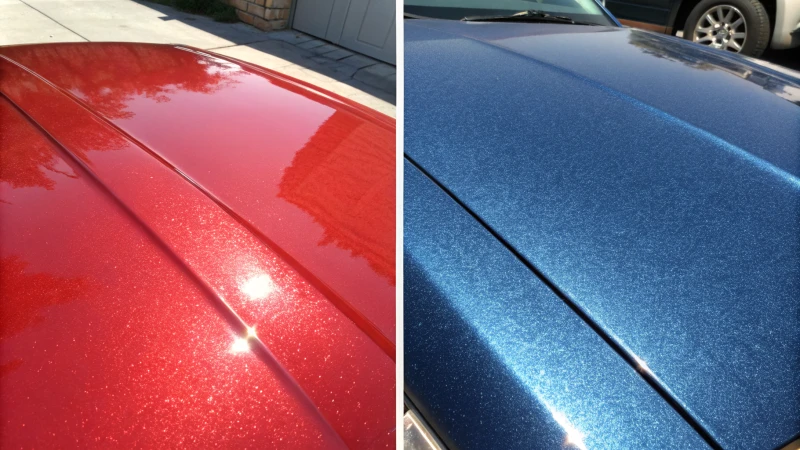
Powder coating usually offers a smooth and strong finish. It has many color choices and gloss levels. Traditional painting, on the other hand, provides different textures and room for artistic creativity. However, it might not be as durable as powder coating. Knowing these differences helps you choose for your project.
Understanding Powder Coating
Powder coating is a finishing process that involves applying a dry powder to a metal surface, which is then cured under heat. The result is a hard, durable finish that is often more resistant to chipping, scratching, and fading compared to traditional paint.
The aesthetic outcomes of powder coating can include:
- Uniform Finish: Powder coating provides a smooth and even surface with no drips or runs, resulting in a professional look.
- Color Variety: With an array of colors and textures, powder coating can be customized to meet specific design needs.
- Gloss Levels: Various gloss levels are available, from matte to high gloss, which can enhance the visual appeal based on the intended use.
For more insights on how powder coating enhances aesthetics, check out this detailed guide7.
Exploring Traditional Painting
Traditional painting involves applying liquid paint to a surface. While it’s a more conventional method, it comes with its own set of aesthetic outcomes:
- Texture Options: Paint can be applied in different techniques to create various textures, such as brushed or rolled finishes.
- Easy Application: It can be easily applied to complex shapes and designs, offering flexibility in artistic expression.
- Color Matching: Although there are many colors available, matching specific shades can sometimes be challenging compared to powder coating.
To learn about the various painting techniques that can enhance your projects, see this comprehensive overview8.
Comparison Table of Aesthetic Outcomes
| Feature | Powder Coating | Traditional Painting |
|---|---|---|
| Finish Quality | Smooth, uniform | May show brush marks or drips |
| Durability | Highly durable, chip-resistant | Less durable, can chip or peel |
| Color Variety | Extensive options available | Varied options but may require custom mixing |
| Gloss Options | Matte to high gloss | Mostly glossy or satin finishes |
| Application | Complex shapes can be tricky | Flexible for detailed designs |
Factors Influencing Aesthetic Choices
When choosing between powder coating and painting, consider the following factors:
- Project Type: For industrial applications where durability is key, powder coating is often preferred. However, for artistic projects requiring intricate designs, traditional painting may be more suitable.
- Cost Considerations: The initial cost of powder coating may be higher due to the equipment and process required, but the longevity can make it a cost-effective choice over time.
- Maintenance: Powder-coated surfaces typically require less maintenance than painted surfaces, making them ideal for exterior applications exposed to the elements.
To delve deeper into the cost analysis of these finishing techniques, visit this informative resource9.
Powder coating provides a more uniform finish than painting.True
Powder coating results in a smooth, even surface without drips, unlike traditional painting, which may show brush marks or runs.
Traditional painting allows for more texture options than powder coating.True
Painting techniques can create various textures, while powder coating typically offers a smoother finish with less texture variety.
Conclusion
Discover the key differences between powder coating and traditional painting for metal finishes, focusing on durability, costs, application methods, and aesthetics to guide your project choices.
-
Explore this link to understand the detailed differences in durability between powder coating and traditional painting methods to make an informed decision. ↩
-
This resource offers insights into the cost-benefit analysis of powder coating versus traditional painting, essential for budget-conscious projects. ↩
-
Discover how environmental factors affect the longevity of coatings through this link; it’s critical for projects exposed to harsh conditions. ↩
-
This link will provide you with detailed information on how initial costs compare between powder coating and painting, aiding in your decision-making process. ↩
-
By clicking this link, you’ll gain insights into ongoing maintenance costs associated with both methods, helping you evaluate long-term financial implications. ↩
-
This link offers a comprehensive overview of the long-term value of both finishing options, ensuring you consider all factors in your decision. ↩
-
Discover the visual differences and practical benefits of powder coating versus painting for your next project. ↩
-
Learn about various painting techniques that enhance visual appeal in your projects. ↩
-
Get insights into the cost-effectiveness of powder coating versus painting over time. ↩