Skip to content
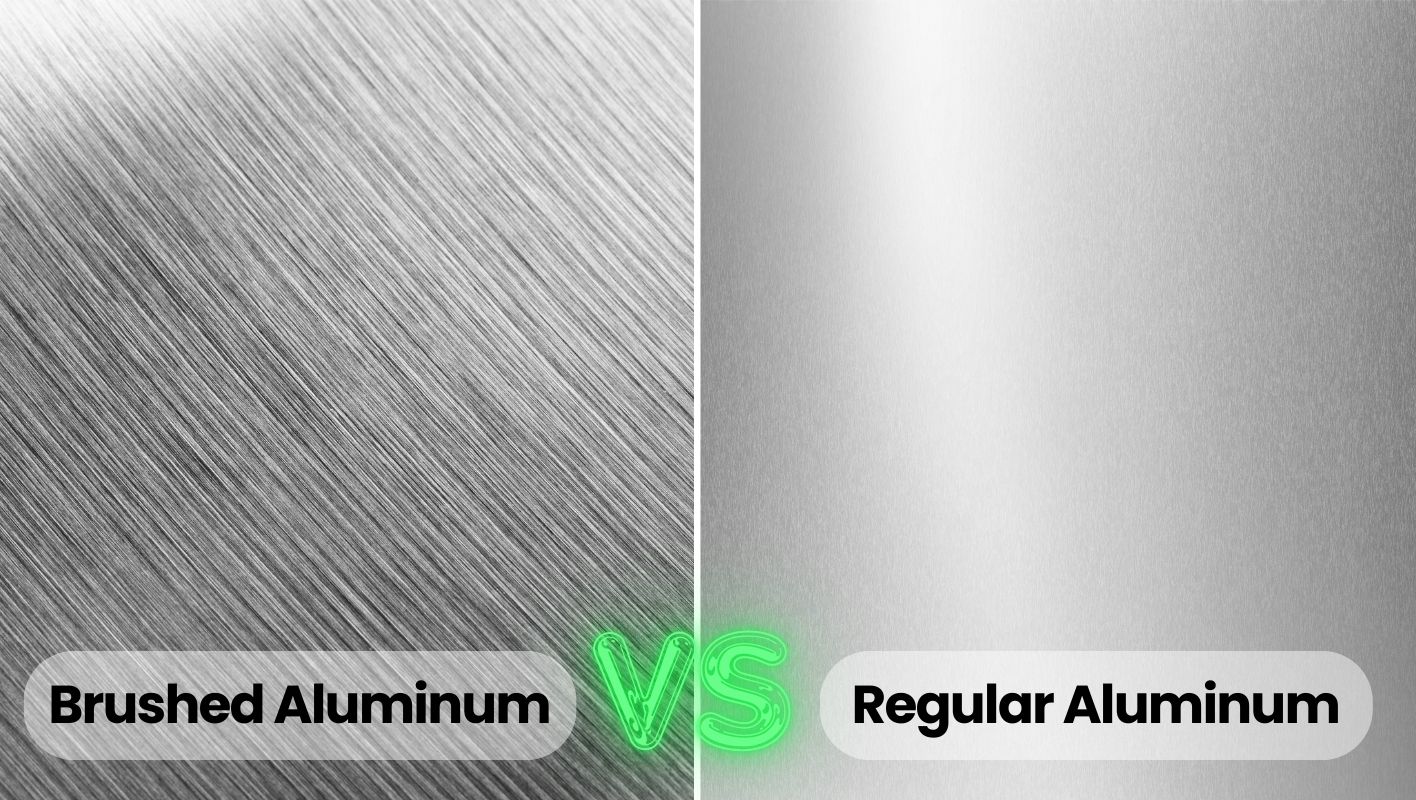
Understanding aluminum might seem overwhelming. This metal is really helpful for your projects. So, why does brushed aluminum look different from regular aluminum?
Brushed aluminum has a special textured finish from polishing. Regular aluminum looks smooth and shiny. This difference changes how they appear, last and need care. Each type suits different uses. Knowing these differences is very important. James, the procurement manager, cares about quality. He focuses on strong and good materials for building. Understanding these details really matters. Let’s look at these differences more closely.
I remember my first big project when I had to pick between these two materials. It wasn’t only about the specifications; it was about the feel, the look and how each finish connected with the design goal. Brushed aluminum has a textured surface from a gentle polishing process. It offers a very sophisticated look that really attracts attention. On the other hand, regular aluminum has a smooth, shiny surface that is just as useful but maybe lacks that special appeal. Each choice has its advantages and disadvantages depending on how you use it, which I learned by actually working with them.
Brushed aluminum has a textured finish unlike regular aluminum.True
Brushed aluminum is polished to create texture, while regular aluminum remains smooth and reflective, impacting their aesthetic and functional uses.
Regular aluminum is more durable than brushed aluminum.False
Brushed aluminum's textured surface can be more prone to scratches compared to the smooth finish of regular aluminum, affecting durability in some applications.
What are the aesthetic differences between brushed and regular aluminum?
Do you ever look at a beautifully designed room and wonder why it feels perfect? Materials like aluminum influence the feel of your space a lot. Aluminum choices change the style of your project significantly.
Brushed aluminum has a flat finish with a rough surface. This roughness softens how light reflects, creating a quieter appearance. Regular aluminum appears shiny with a sleek surface. It reflects light in a sharp way. Designers and architects choose between these types based on the look they want to achieve. Each metal gives a different visual style.

Join me on a journey through the world of aluminum finishes
Join me on a journey through the world of aluminum finishes, focusing on two types: brushed and regular. When I first saw brushed aluminum during a project, its special texture captured my attention. It’s a material that tells a story of elegance and modern style without being showy. The matte look and soft glow create a warm feeling, great for spaces needing a touch of class.
Understanding Brushed Aluminum
Brushed aluminum is known for its distinctive texture, created by sanding the surface with abrasive materials. This process results in a unique, matte finish that reflects light in a way that gives it a softer appearance. The brushing technique not only enhances the aesthetic appeal but also makes it resistant to scratches, which is particularly beneficial in high-traffic areas.
For architectural designs, brushed aluminum is often favored for its modern look. Its subtle sheen works well in a variety of settings, such as commercial spaces1 and residential interiors. When considering brushed aluminum, think about how its texture can complement or contrast with other materials used in your project.
Characteristics of Regular Aluminum
Now, let’s talk about regular aluminum. This material is shiny and sleek with a smooth surface. Its reflective nature grabs attention, especially in signs or decorations where visibility matters. In one project, I picked regular aluminum for a big outdoor sign. It stood out perfectly against the building, catching everyone’s eye.
| Property | Brushed Aluminum | Regular Aluminum |
|---|---|---|
| Texture | Matte, textured | Smooth, shiny |
| Light Reflection | Diffused | Highly reflective |
| Scratch Resistance | High | Moderate |
| Common Uses | Architectural design | Signage, decor |
Visual Appeal and Application
Choosing between brushed and regular aluminum often depends on the impact you want to achieve. Brushed aluminum tends to absorb light rather than reflect it harshly, creating a sophisticated backdrop that works well in design-oriented projects. On the other hand, regular aluminum can draw attention due to its reflective properties, making it ideal for signage that needs to stand out.
For example, if you are designing a modern building facade2 or an interior accent wall, brushed aluminum may provide the understated elegance required. Conversely, if your focus is on visibility and boldness, regular aluminum may be your best choice.
Practical Considerations
It’s important to consider practical factors alongside aesthetics. While both finishes are durable, brushed aluminum offers better resistance to wear and tear due to its textured surface. This makes it suitable for high-use environments where scratches are a concern.
Regular aluminum may not resist scratches as well but can be easier to clean due to its smooth surface. Therefore, understanding the environment and intended use will help guide your decision on which finish will perform better while also meeting aesthetic goals.
Brushed aluminum has a matte finish and textured surface.True
This characteristic of brushed aluminum makes it visually distinct and suitable for modern architectural designs.
Regular aluminum is more resistant to scratches than brushed aluminum.False
In fact, brushed aluminum offers higher scratch resistance due to its textured surface compared to the smooth finish of regular aluminum.
What makes brushed aluminum more durable than regular aluminum?
Choosing materials for projects involves knowing the differences in durability between brushed and regular aluminum. These differences truly influence your projects. Let’s explore what distinguishes these two.
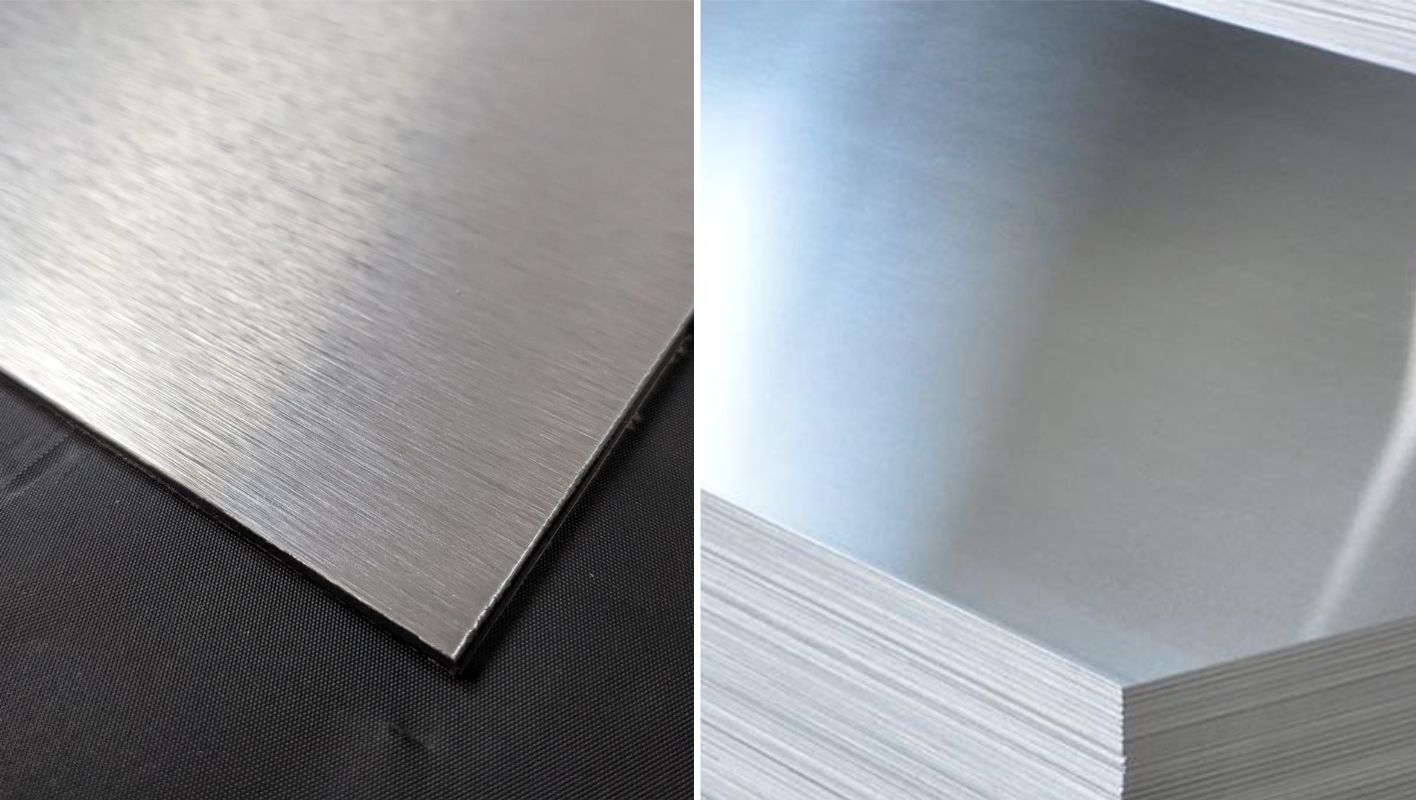
Brushed aluminum often performs better than regular aluminum in durability. The textured surface resists scratches and corrosion more effectively. It works very well in areas with a lot of wear and moisture. Many people prefer it for tough environments.
Understanding Brushed Aluminum
I remember when I first saw brushed aluminum on a project. The texture caught my eye right away. It’s not only about looks. This surface comes from mechanical abrasion, which really helps durability.
The brushing acts like armor, forming a layer that protects against rust. I’ve seen how this helps in places with water and air exposure. It also hides scratches and fingerprints well, which is great in busy areas. For instance, I often suggest brushed aluminum for things like railings and building exteriors because it is strong and modern.
Characteristics of Regular Aluminum
Regular aluminum has a smooth finish. It looks sleek, but its durability might surprise you. It’s lightweight and doesn’t rust. However, I’ve seen it wear down faster under friction or harsh chemicals than brushed aluminum.
But regular aluminum is usually cheaper. When saving money is important, regular aluminum might be useful. It can be coated or painted for longer life.
Durability Comparison Table
| Feature | Brushed Aluminum | Regular Aluminum |
|---|---|---|
| Surface Finish | Textured, hides scratches | Smooth, shows wear easily |
| Corrosion Resistance | Higher due to the protective layer | Moderate without coatings |
| Cost | Generally higher | More economical |
| Maintenance | Low; resists fingerprints | Medium; prone to visible damage |
| Aesthetic Appeal | Modern and sleek | Basic and functional |
Practical Applications
Choosing between brushed and regular aluminum depends on the use. Designing signs or coverings in busy or exposed areas really benefits from brushed aluminum. It lasts longer. For indoor use or peaceful places, regular aluminum could work well and cost less.
To learn more about these materials, explore durability of brushed aluminum3 or applications of regular aluminum4.
Maintenance Considerations
Taking care of aluminum affects how long it lasts. Brushed aluminum often needs less care than regular aluminum. This is useful when it’s hard to reach. Both need regular checks and some cleaning. Knowing what your project needs helps make it last. Curious to know more? Check aluminum maintenance practices5.
Brushed aluminum is more durable than regular aluminum.True
Brushed aluminum's textured surface enhances durability, making it resistant to scratches and corrosion, especially in high-traffic or moist environments.
Regular aluminum has higher corrosion resistance than brushed aluminum.False
Regular aluminum typically has moderate corrosion resistance without coatings, while brushed aluminum has a protective layer that improves it significantly.
What maintenance requirements should you consider for brushed versus regular aluminum?
Choosing between brushed and regular aluminum feels like a personal journey. This decision seems not only technical. Here is what I discovered about their care needs. This could really help with your choice.
Brushed aluminum needs cleaning often. Protective coatings keep its beauty looking its best. Regular aluminum cleans easily. It shows dirt quickly.
Understanding Brushed Aluminum Care
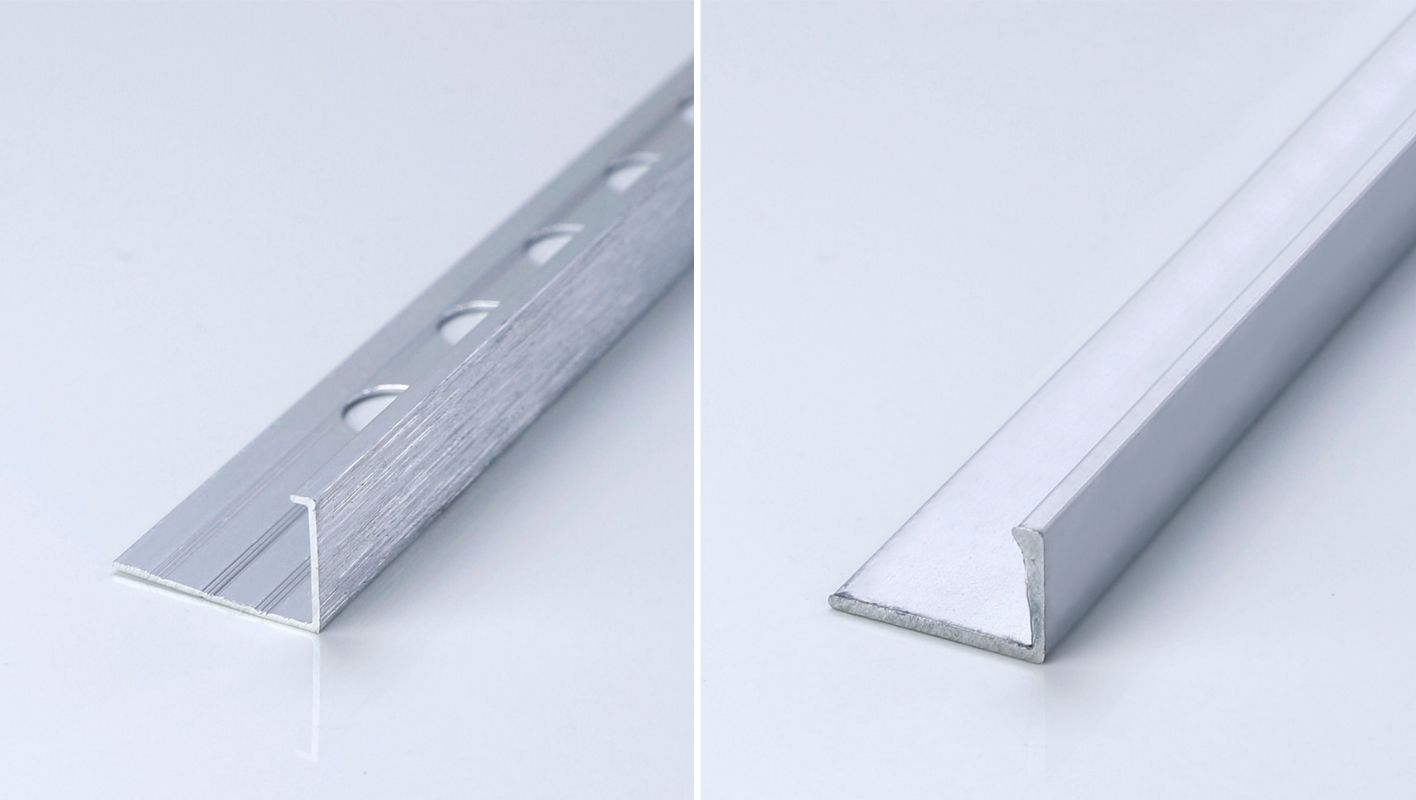
Brushed aluminum often needs more attention to keep its beauty. This type of aluminum looks shiny and attractive but needs frequent cleaning and a special coating. This coating helps it stay beautiful for a long time. Regular aluminum is easy to clean, but it may show dirt and look boring. The choice between brushed and regular aluminum depends on the needs of your project.
-
Cleaning Regularly: Keeping brushed aluminum beautiful means cleaning it often. Gentle detergents work best because harsh cleaners might damage the surface. Careful cleaning helps maintain its shine.
-
Protective Layer: A discovery of mine was a special coating that keeps brushed aluminum safe from damage. This protective layer is very helpful. The coating makes it stronger and fights rust, keeping its beauty intact. Special coatings transform upkeep into a simple task.
Regular Aluminum Care
Regular aluminum has its own features. Its smooth texture makes cleaning easy, but it shows scratches and dirt more clearly. This type doesn’t hide imperfections well. Here’s a comparison:
| Feature | Brushed Aluminum | Regular Aluminum |
|---|---|---|
| Surface Texture | Textured, conceals imperfections | Smooth, shows dirt easily |
| Cleaning Method | Mild detergent recommended | Can use stronger cleaners |
| Protection Needed | Yes, for longevity | Generally low, but recommended |
| Aesthetic Durability | More resistant to visible wear | Prone to showing wear |
Important Points for Both Types
Thinking about my experiences, which finish to pick depends on many things:
- Environment: Your location matters. Rough weather might favor brushed aluminum because it hides damage better.
- Project Needs: When looks are really important, like in buildings, brushed aluminum is a good choice. It balances beauty and care well.
- Cost Over Time: Thinking about future expenses is crucial. Brushed aluminum might cost more at first, but its long-lasting beauty often means it costs less in the end. Many people choose it for long-term savings.
Brushed aluminum requires more frequent cleaning than regular aluminum.True
Due to its textured surface, brushed aluminum needs regular maintenance to preserve its appearance.
Regular aluminum is more resistant to scratches than brushed aluminum.False
The smooth finish of regular aluminum makes it easier to clean but shows scratches more readily than brushed finishes.
Why is brushed aluminum a better choice than regular aluminum for certain applications?
I explored the world of construction materials. Brushed aluminum shines in many uses. Unique properties set it apart from regular aluminum. This difference impacts design, durability and function. It really does.
Brushed aluminum often appeals because it looks good. It resists damage better in tough places. This metal offers many ways to be customized. It is light in weight. Brushed aluminum suits many building and design needs. It is really an ideal material.
Aesthetic Appeal in Design Applications
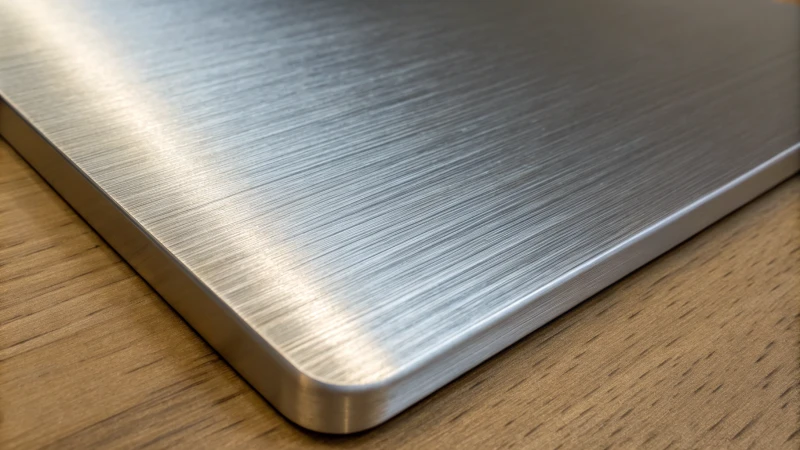
Brushed aluminum looks very stylish and modern. Projects look really professional with it. It gives a sleek appearance, probably improving the overall design. The texture feels smooth and adds a touch of elegance. Elegance is very important. This material is also durable, standing strong over time.
Durability in Harsh Environments
One of the main advantages of brushed aluminum is its increased durability compared to regular aluminum. The brushing process creates a protective layer that helps resist scratches and corrosion. This makes brushed aluminum an excellent choice for outdoor applications, such as signage and railings, where exposure to the elements can lead to deterioration. In industries like marine and automotive, where materials face harsh conditions, brushed aluminum holds up better over time.
Explore more on the durability aspects6 of brushed aluminum in demanding environments.
Customization and Versatility
Brushed aluminum can be easily customized in terms of shape, size, and finish, providing a versatile option for various projects. Manufacturers can create unique profiles that cater to specific applications, such as custom cladding solutions or tailored architectural features. This adaptability is essential for large-scale construction projects, allowing procurement managers like James to meet specific design criteria while maintaining cost-effectiveness.
Check out our guide on customization options7 for metal profiles to understand the possibilities further.
Lightweight Characteristics for Structural Applications
While both brushed and regular aluminum are lightweight materials, brushed aluminum offers similar structural integrity with reduced weight. This is particularly beneficial in applications where weight is a critical factor, such as in aerospace or automotive sectors. Using brushed aluminum can lead to lower transportation costs and ease of installation without compromising strength.
For more insights on structural advantages8 of brushed aluminum, explore our detailed analysis.
Brushed aluminum is more durable than regular aluminum.True
Brushed aluminum has a protective layer that resists scratches and corrosion, enhancing its durability in harsh environments.
Brushed aluminum is less customizable than regular aluminum.False
Brushed aluminum offers greater customization options in shape, size, and finish compared to regular aluminum, making it more versatile.
Conclusion
Discover the differences between brushed and regular aluminum in terms of texture, durability, maintenance, and aesthetic appeal for informed material choices in construction projects.
-
Learn more about the aesthetic qualities of brushed vs regular aluminum to make informed design choices. ↩
-
Explore applications of brushed and regular aluminum in architecture for better project insights. ↩
-
Discover detailed comparisons of brushed vs regular aluminum durability to make an informed choice for your projects. ↩
-
Learn about practical applications of each type of aluminum to see which fits your project best. ↩
-
Get insights into effective maintenance practices for both brushed and regular aluminum finishes. ↩
-
Uncover the unique properties of brushed aluminum that make it ideal for different environments and uses. ↩
-
Explore customization opportunities with brushed aluminum for your upcoming construction or design project. ↩
-
Learn how using lightweight materials can improve efficiency and cost in structural projects with brushed aluminum. ↩