
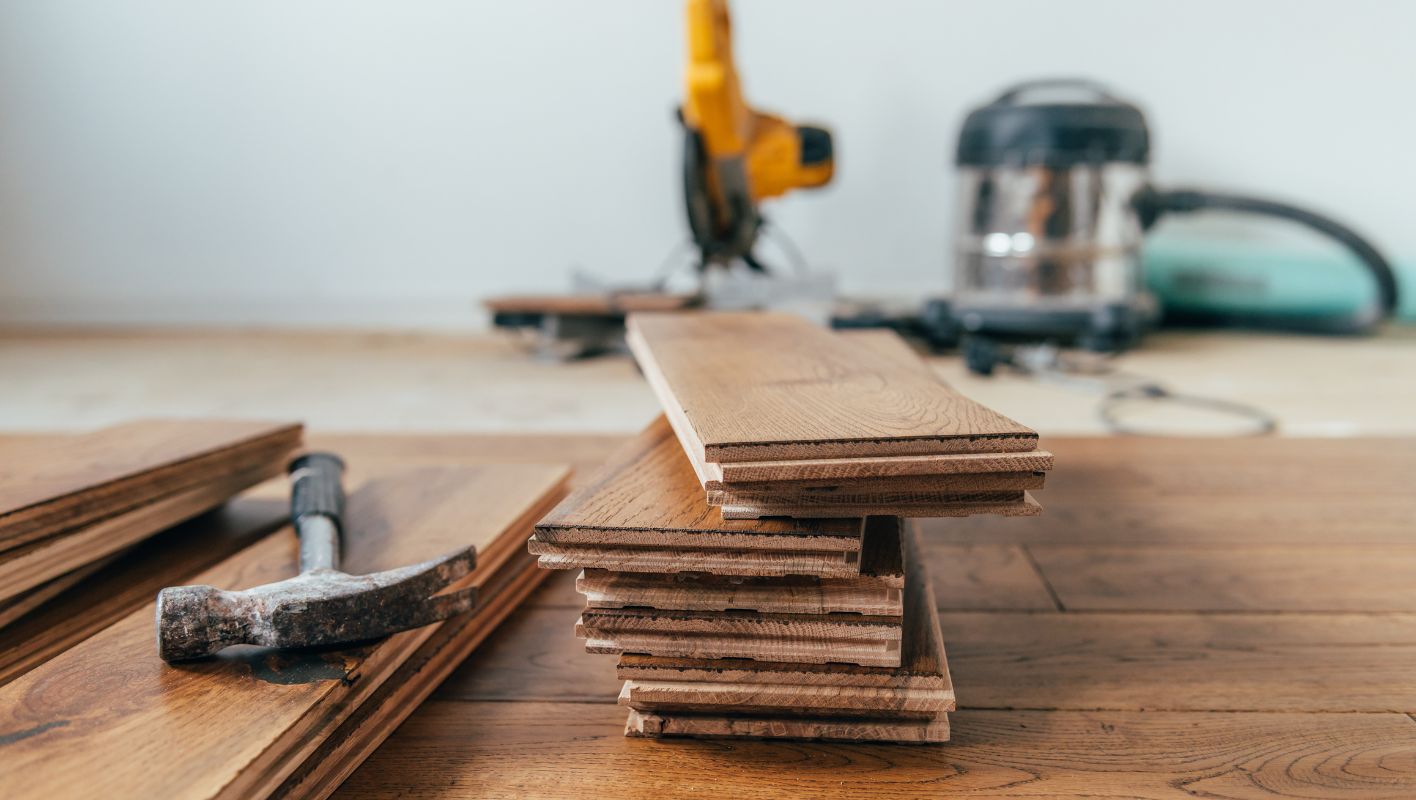
Thinking about updating your home’s flooring without the messy tile removal? You’re not alone!
Yes, you can install wood flooring over tiled floors by choosing suitable materials such as engineered hardwood or laminate that allow for floating installations. Proper surface preparation and underlayment are crucial to ensure a smooth and durable finish.
I remember the first time I faced this dilemma. I stood in my kitchen, staring at those old tiles, imagining how beautiful wood flooring would look instead. But the thought of ripping them out was daunting. Luckily, I discovered that installing wood flooring over tile is not only possible but also quite practical.
While the basic answer is straightforward, the process involves several considerations and steps that are vital for achieving the desired outcome. Keep reading to learn about the types of wood flooring best suited for this, the preparation needed, and tips to avoid common pitfalls. With the right approach, you can transform your space without the chaos of demolition.
Wood flooring can be installed over tile.True
Engineered hardwood or laminate allows for floating installations over tile.
All types of wood flooring are suitable over tile.False
Only engineered hardwood or laminate are recommended for tile surfaces.
What Types of Wood Flooring Can Be Installed Over Tile?
Have you ever dreamed of a fresh, new floor without the hassle of ripping out old tiles? You’re in the right place!
Engineered wood and floating hardwood are fantastic choices for installing over tile. These options provide stability, simplicity in installation, and a gorgeous finish, all while sidestepping the mess of tile removal.
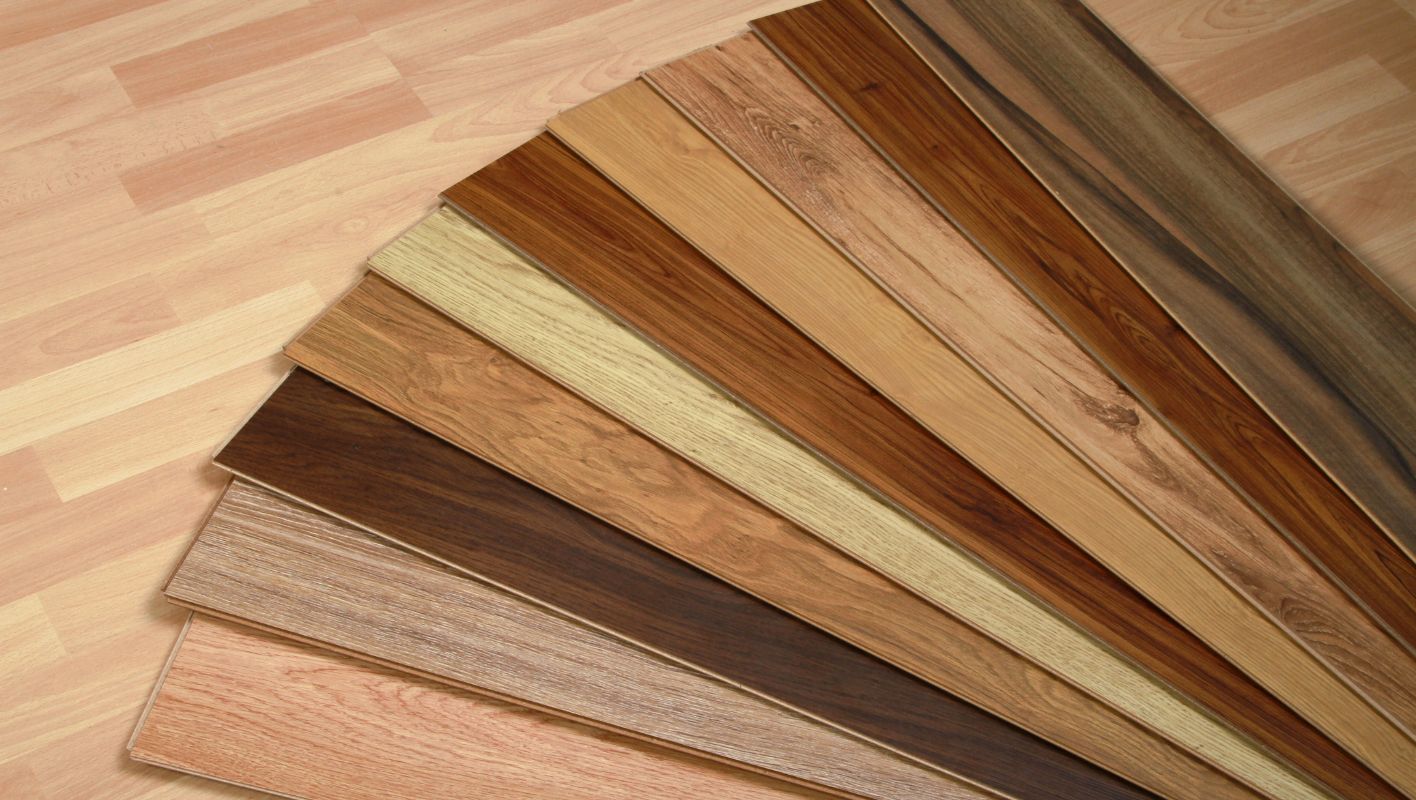
Engineered Hardwood Flooring
I remember the first time I tackled a flooring project; I was so nervous about making a mistake. Luckily, engineered wood turned out to be a lifesaver. Its composition—a hardwood veneer over sturdy plywood—provides stability and durability. It handles moisture well, which eased my fears about warping. Plus, its various thicknesses let me match it perfectly with the existing floor levels.
Floating Hardwood Floors
When I first heard about floating floors, I was skeptical. "Floors that float?" I thought it sounded like magic! But as I learned more, I discovered their practicality. They aren’t nailed or glued down but instead rest above the subfloor, making them ideal for over-tile installations. The click-lock design was like putting together a giant puzzle—fun and incredibly satisfying!
Comparison Table
| Feature | Engineered Wood | Floating Hardwood |
|---|---|---|
| Moisture Resistance | High | Medium |
| Installation Ease | Moderate | High |
| Cost | Moderate | Variable |
Considerations for Installation
Before you dive into your project, check those tiles. I learned the hard way that cracked or loose tiles can lead to bigger problems down the road. Make sure they’re level to avoid uneven surfaces later. Adding a moisture barrier is also a smart move to protect your beautiful new floor from water damage.
Benefits of Over-Tile Installation
The best part about installing wood over tile? No messy tile removal! This approach saved me time and money, allowing me to enjoy my new space sooner. With so many wood options1 available, it’s easy to transform any room while being eco-conscious. Engineered wood uses less hardwood per plank than solid options, making it a more sustainable choice.
Engineered wood handles moisture better than solid hardwood.True
Engineered wood's layered structure provides better moisture resistance.
Floating floors must be nailed down over tile.False
Floating floors use a click-lock design, requiring no nails or glue.
How to Prepare Your Tiled Floor for Wood Installation?
Ever find yourself dreaming of walking on a warm, wooden floor instead of cold tiles? Let’s make that dream a reality by prepping your tiled floor the right way!
To prepare a tiled floor for wood installation, first give the tiles a good clean, level any uneven spots with a self-leveling compound, and then apply a suitable underlayment to create a solid base for your new wood flooring.
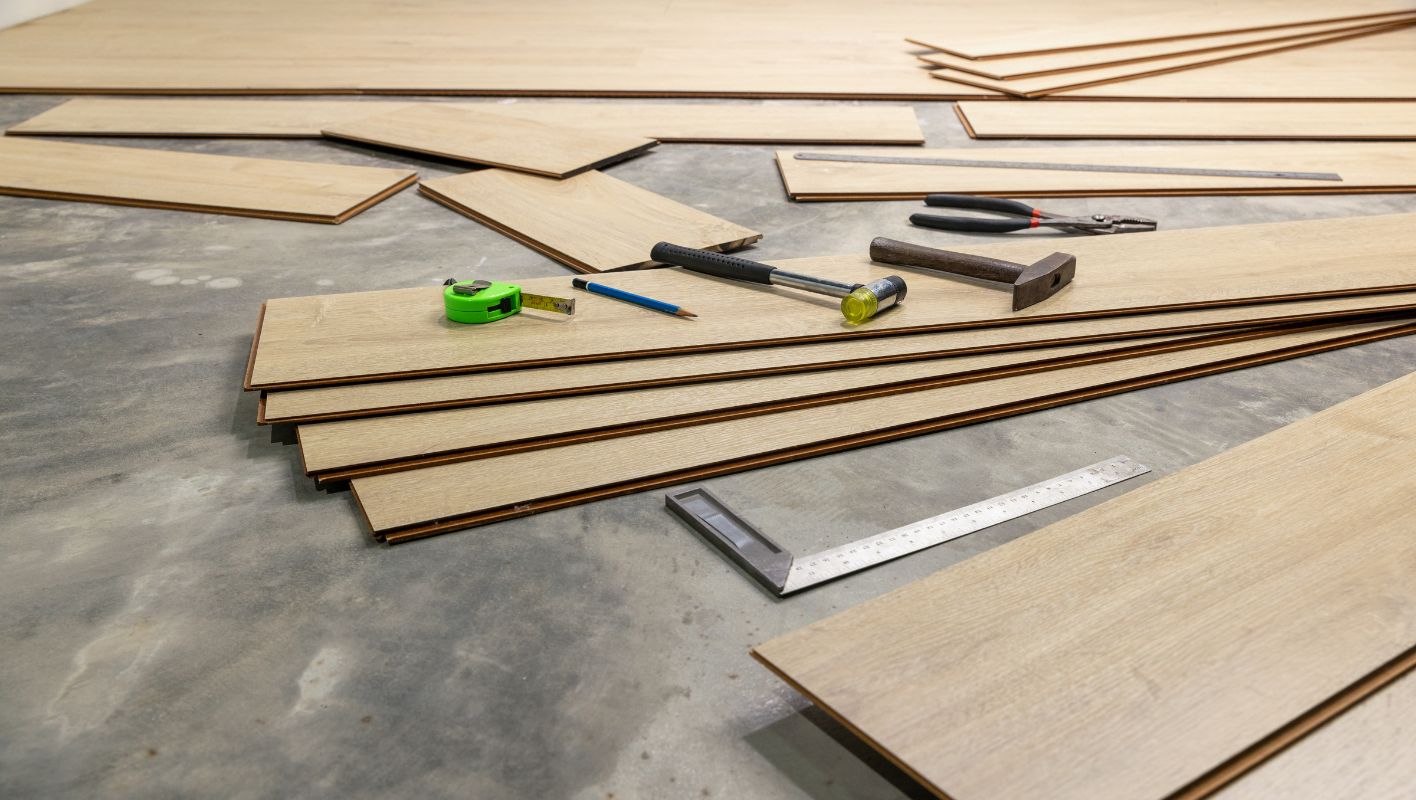
Assessing the Condition of Your Tiled Floor
Before diving in, I always take a good look at the existing tiled floor. It’s like assessing a canvas before painting. Loose or damaged tiles? They’re troublemakers when it comes to stability. I learned this the hard way during my first DIY attempt—so now, I make sure every tile is secure, replacing any that are cracked or missing.
Cleaning and Leveling the Surface
A spotless and level surface is the secret ingredient to a flawless wood floor installation. I grab my trusty mop and mix up some mild detergent with water to make those tiles sparkle. If I find uneven spots, I reach for a self-leveling compound. This step is crucial; skipping it once led to annoying squeaks underfoot!
| Material | Purpose |
|---|---|
| Self-leveling compound | Ensures a flat, even base |
| Detergent | Removes dirt and grease |
Choosing the Right Underlayment
The right underlayment is like the unsung hero of floor installations. It cushions the wood, offers soundproofing, and manages moisture. I love how foam or cork options add that extra bit of insulation. My tip? Double-check compatibility with both your tiles and chosen wood flooring2.
Installing the Underlayment
With the underlayment ready, I roll it out over my pristine tiles. It’s almost like laying down the red carpet! Ensuring it’s smooth without wrinkles or folds is key. Depending on the manufacturer’s instructions, I might use adhesive strips or staples to keep it secure.
Additional Considerations
One thing I learned from a seasoned contractor: always consider expansion gaps along walls and fixed structures. These gaps allow your wood to expand naturally without causing a buckle drama. Researching expansion gap3 standards for your specific wood type is a step you don’t want to skip.
Ready for Installation?
Once everything is set and prepped just right, it’s time to lay down that beautiful wood flooring. There’s something immensely satisfying about knowing you’ve done all you can to ensure a stunning and durable finish.
Loose tiles can affect wood floor stability.True
Loose tiles create an unstable base, impacting the wood floor's durability.
Detergent is used to level the tiled surface.False
Detergent cleans the surface; a self-leveling compound levels it.
What are the common challenges and how can you overcome them?
Ever feel like you’re stuck in the same loop of challenges at work, wondering how others manage to breeze through? You’re not alone.
Common challenges at work include communication barriers, resource constraints, and resistance to change. To overcome these, focus on improving communication skills, optimizing resources, and nurturing a culture that embraces adaptability.
Communication Barriers
I remember the time when a simple misunderstanding almost derailed a major project. It was all about assumptions—what I thought was clear, wasn’t. I’ve learned that using straightforward language and seeking feedback can save so much hassle. Now, regular team meetings and updates are my go-to strategy for ensuring clarity.
Tips to Improve Communication:
- Active Listening: This was a game changer for me. Encouraging my team to really listen has made all the difference.
- Feedback Loops: Establishing a routine where feedback is both given and received has been instrumental in our growth.
- Visual Aids: Whenever possible, I incorporate charts and graphs to make complex information more digestible. These tools4 have become staples in my presentations.
Resource Constraints
Dealing with limited resources is something I’ve faced more times than I can count. Prioritizing tasks based on urgency has been key. Also, embracing digital tools for resource management has not only saved time but also improved efficiency.
Strategies for Efficient Resource Management:
| Resource | Optimization Technique |
|---|---|
| Time | Use project management software for scheduling. |
| Budget | Conduct regular budget reviews to identify savings. |
| Personnel | Cross-train staff to cover multiple roles. |
Resistance to Change
Change can be daunting. I’ve seen resistance stem from fear or just plain old comfort zones. Engaging everyone early in the process and explaining the benefits has helped me turn skeptics into supporters.
Overcoming Resistance:
- Involve Employees: Getting everyone involved early on has made them feel more valued and less resistant.
- Training Programs: Offering training sessions eased transitions and boosted confidence.
- Success Stories: Sharing examples of successful changes5 has inspired my team to embrace new ideas.
By tackling these challenges head-on with strategic approaches, I’ve seen firsthand how it creates a more efficient and adaptive work environment. It’s all about setting the stage for sustainable success, one challenge at a time.
Regular meetings eliminate communication barriers.False
Regular meetings help but don't completely eliminate communication barriers.
Cross-training staff optimizes resource use.True
Cross-training allows flexibility and efficiency in resource allocation.
Is Installing Wood Over Tile a Cost-Effective Solution?
Ever found yourself staring at your tiled floor, dreaming of a cozy wooden finish but dreading the cost and mess of removing tiles?
Installing wood over existing tile can be a budget-friendly solution, saving on removal costs and labor. It’s crucial, though, to assess the tile’s condition and choose the right wood type and installation method for the best results.
Evaluating the Condition of Existing Tiles
When I first considered this approach, I remember nervously tapping my toes on our kitchen tiles, wondering if they were up to the task. It’s essential to ensure your tiles are stable and level6; any unevenness or looseness could lead to a wobbly floor. Imagine setting down a hot cup of coffee only to watch it slide across the floor! If your tiles are cracked or badly worn, you might want to explore other options.
Choosing the Right Type of Wood Flooring
In my experience, engineered wood seems like a solid choice for many reasons. It’s less likely to warp from moisture, which is a big plus when you’re layering it over tiles. Plus, it’s usually thinner, so you won’t have to worry about awkward door heights or thresholds that become tripping hazards. Here’s a quick comparison:
| Type of Wood | Dimensional Stability | Installation Ease |
|---|---|---|
| Engineered | High | Moderate |
| Solid | Moderate | Challenging |
Installation Methods
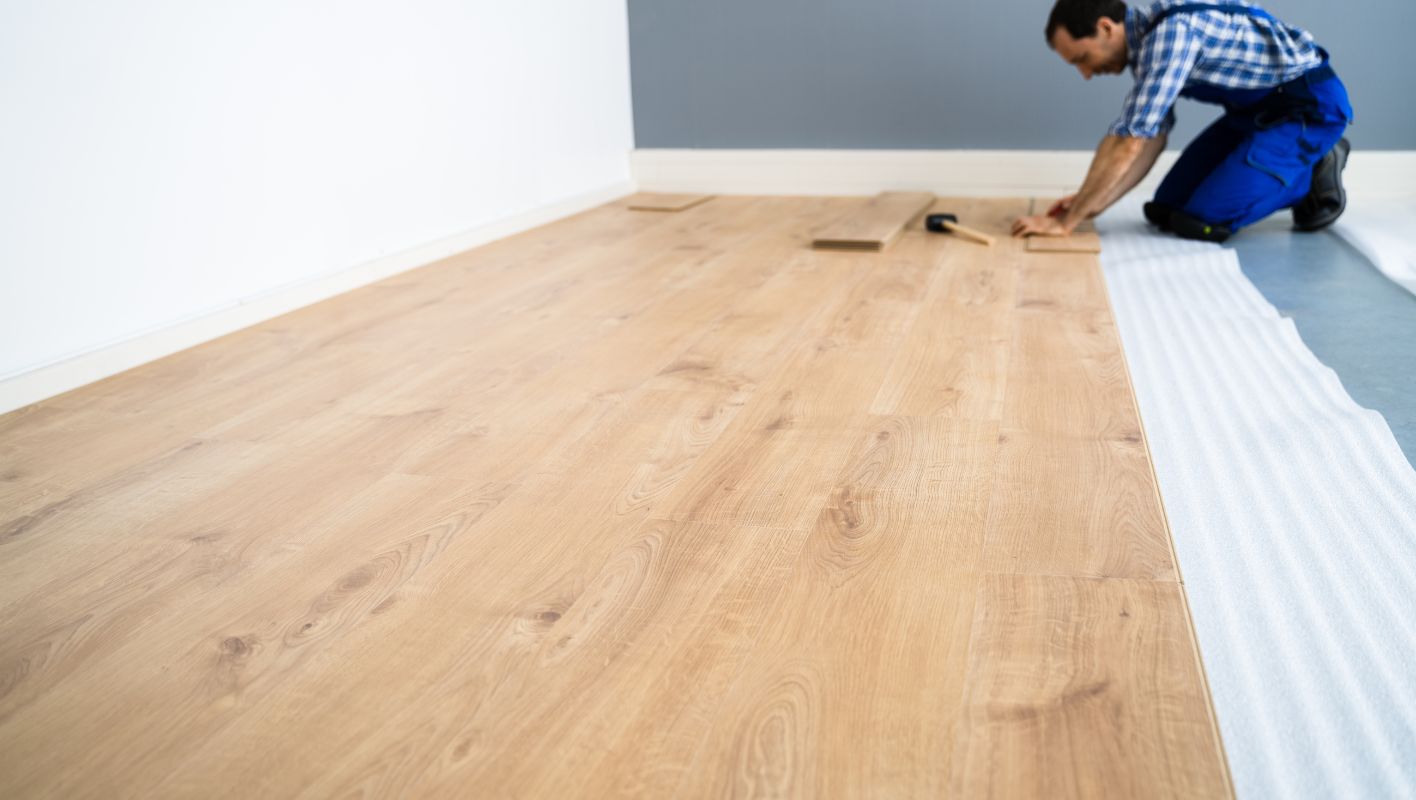
There are several methods to install wood over tile, and I find floating floors particularly appealing. They’re a breeze to install—no adhesives needed! It was such a relief not to deal with sticky glue when we did our living room. However, some say they can feel a bit hollow underfoot. If you’re after something more stable, the glue-down method might be your pick, though it does come with higher costs and longer installation times.
- Floating Floors:
- Pros: Cost-effective, quick installation
- Cons: May feel hollow underfoot
- Learn more7
- Glue-Down:
- Pros: Stable, quieter underfoot
- Cons: Higher cost, longer installation time
- Explore options8
Weigh these options carefully against your project needs and budget constraints. Each choice affects not just cost but also the durability and comfort of your new flooring. Checking out additional resources9 might provide insights into how others have navigated similar projects.
Engineered wood is more stable than solid wood over tiles.True
Engineered wood's dimensional stability makes it less prone to warping.
Floating floors are the most expensive installation method.False
Floating floors are cost-effective as they avoid adhesive costs.
Conclusion
Installing wood flooring over tile is feasible with engineered hardwood or laminate. Proper preparation and underlayment ensure a smooth finish without the hassle of tile removal.
-
Explore the variety of wood flooring types and find the one that best suits your aesthetic and functional needs. ↩
-
Understanding the condition of existing tiles ensures stability and longevity for new wood floors. ↩
-
Proper expansion gaps prevent buckling and ensure smooth flooring over time. ↩
-
Visual aids simplify complex information, enhancing comprehension and retention during communication. ↩
-
Case studies provide real-world examples of successful change management strategies, inspiring confidence. ↩
-
Learn steps to evaluate tile stability before installing new flooring to prevent future issues. ↩
-
Understand the advantages and disadvantages of floating floor installations. ↩
-
Discover why engineered wood might be a better choice for your flooring project. ↩
-
Explore real-life examples of successful wood over tile installations. ↩






