
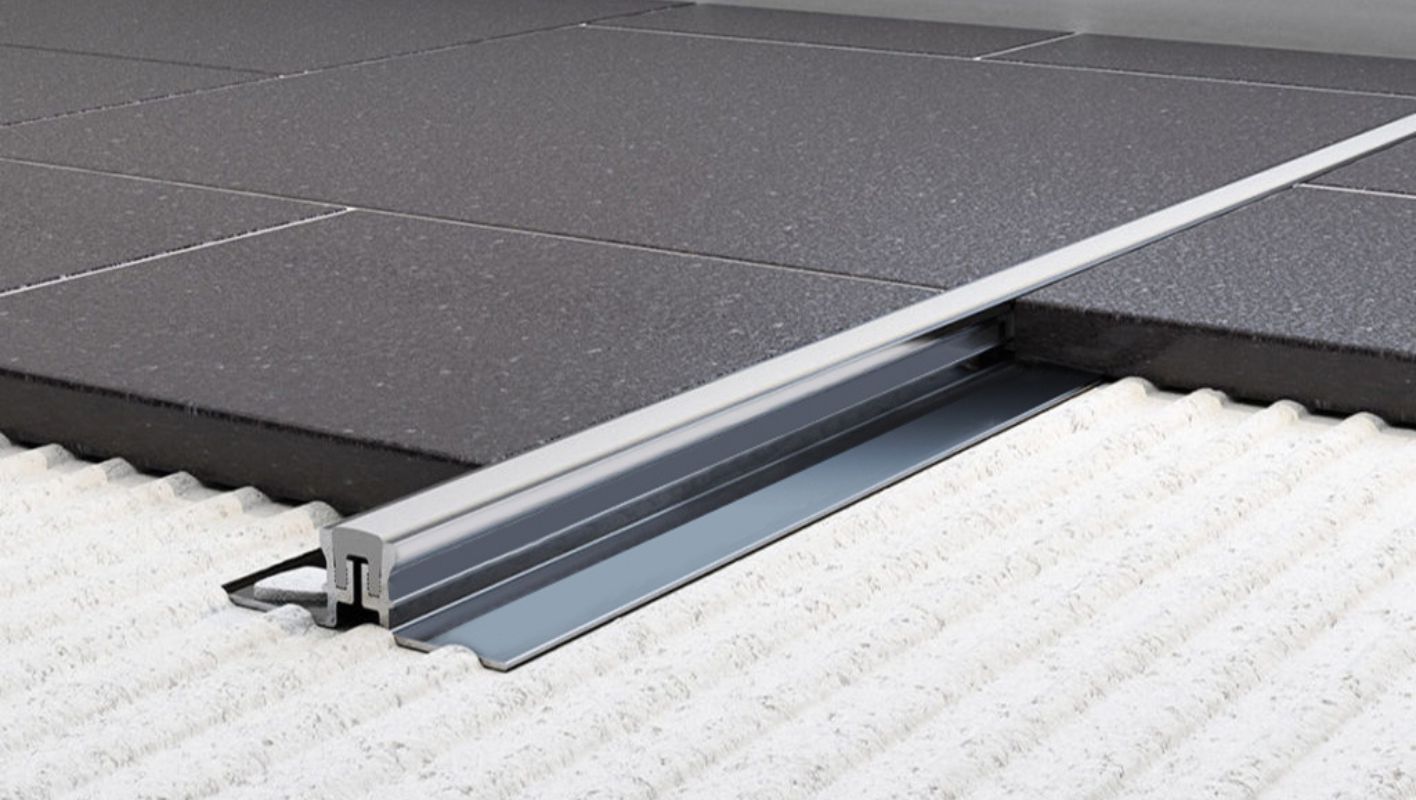
Ever wonder why some tiles last while others seem to crack at the slightest change in temperature?
A movement joint in tile is a gap strategically placed between tiles to accommodate natural expansion and contraction caused by temperature changes or structural movement. These joints are crucial for preventing tile damage such as cracking or debonding, ensuring the longevity and durability of your tiled surfaces.
I remember the first time I encountered a cracked tile floor—it was in an old friend’s kitchen. She was baffled about why her once beautiful floor had developed unsightly cracks. That’s when I first learned about movement joints and their role in maintaining tile integrity. While the basic function of a movement joint is straightforward, understanding the nuances of their application can be pivotal for the success of your tiling project. Keep reading to discover best practices, suitable materials, and how these joints can be effectively used in different settings like kitchens and bathrooms.
Movement joints prevent tile cracking.True
They accommodate expansion and contraction, preventing stress on tiles.
Movement joints are unnecessary in small tile areas.False
Even small areas can experience temperature changes causing movement.
How Do Movement Joints Prevent Tile Damage?
Have you ever watched your beautifully tiled floor start to crack and wondered what went wrong?
Movement joints are crucial in absorbing the natural expansion and contraction of tiles, preventing cracks and buckling. By letting tiles move independently, these joints protect against structural stress, ensuring durability and long-lasting surfaces.
Understanding Movement Joints
I remember the first time I encountered a cracked tile floor; it was in my friend’s newly renovated kitchen. We stood there, baffled, as we admired her beautiful but flawed ceramic tiles. That’s when I discovered the magic of movement joints—also known as expansion joints. These are not just gaps; they’re strategic spaces that allow tiles to adjust to natural shifts like temperature changes or moisture1. Without them, tiles can crack or even pop right off the floor.
How They Work
Think of tiles as that inflexible friend we all have—they look great but don’t handle change well. That’s why movement joints are like peacekeepers for your floors. Filled with flexible sealants, they act like shock absorbers, letting the tiles "breathe" as temperatures rise or fall. This clever design keeps water out and maintains the seamless look you love.
| Component | Function |
|---|---|
| Joint Sealant | Absorbs stress and allows movement |
| Backer Rod | Supports the sealant and helps maintain shape |
| Edge Strip | Protects edges from damage during movement |
Installation Guidelines
Proper installation of these joints is a bit like finding the perfect pair of shoes—not too tight, not too loose. You’ll need precise calculations based on the type of tile, size of the area, and environmental factors. Typically, you want these joints spaced every 20 to 25 feet indoors and 8 to 12 feet outdoors. Trust me, it’s worth the effort to prevent future headaches.
Different projects may require specific considerations2 based on unique circumstances.
Potential Consequences of Neglect
Imagine hosting a dinner party only to notice your tiles have turned into an unsightly jigsaw puzzle of cracks and chips. Skipping movement joints can lead to such disasters, affecting not just aesthetics but also leading to costly repairs. Picture a bustling commercial kitchen without them—constant foot traffic and temperature changes could lead to chaos.
Investing in quality movement joints from the start ensures durability and keeps maintenance costs down. It’s a small step that makes a world of difference.
For example, a commercial kitchen with heavy foot traffic would benefit immensely from well-placed movement joints. These preventive measures3 ensure durability and reduce maintenance costs over time.
Movement joints prevent tile cracks by absorbing stress.True
Movement joints allow tiles to expand and contract without cracking.
Ignoring movement joints can lead to structural damage.True
Without joints, tiles may crack or delaminate, causing damage.
What Are the Best Practices for Installing Movement Joints?
Ever wonder why some tile installations stand the test of time while others crumble? The secret often lies in the humble movement joint, a small but mighty feature that can make all the difference.
To effectively install movement joints, make sure to allow for proper spacing, choose materials that can flex with environmental changes, and seal them meticulously to prevent damage and ensure longevity.
Understanding Movement Joints
I remember the first time I realized the importance of movement joints. It was during a renovation project where I learned firsthand how crucial they are in allowing tiles to flex as buildings breathe and shift. Without these joints, tiles can easily crack or pop up when temperatures or moisture levels change, leading to those dreaded costly repairs. Movement joints are essential in tile installations as they allow for expansion4 and contraction caused by temperature changes and moisture.
Choosing the Right Materials
Choosing the right materials is like picking the perfect outfit for unpredictable weather—something flexible that adjusts to the environment. The same goes for movement joints. Flexible sealants are your best friends here, and choosing one that complements your tile type is key. It’s like pairing a wine with a meal: it needs to enhance, not overpower.
| Tile Type | Recommended Sealant |
|---|---|
| Ceramic | Silicone-based |
| Porcelain | Polyurethane |
| Marble | Epoxy resin |
Proper Spacing and Placement
Spacing is one of those things that might seem like overkill until it saves your day (or tiles). Just imagine you’re laying out a dance floor for a party—enough room to groove without stepping on toes! Following manufacturer guidelines helps ensure the right balance; for large expanses, think about placing joints every 12-16 feet.
Installation Techniques
Once you have your materials, installation is all about the details. Make sure everything is clean and dry—like prepping a canvas before painting. Remove any adhesive residue5 because it’s like trying to glue something onto dust—just won’t hold. When you’re ready to seal, use a consistent bead and smooth it out evenly, almost like icing a cake for that perfect finish.
Addressing Common Challenges
I’ve faced challenges where even spacing or finding the right sealant color seemed daunting. It’s much like picking the perfect paint shade; it must match but also stand out in its own subtle way. Thankfully, there are color-matched sealants that can maintain the overall design vibe. Don’t hesitate to consult experts or dive into manufacturer guidelines—they’re like having a cheat sheet during an open-book exam.
Movement joints might seem small, but they’re pivotal in ensuring your tile installations last beautifully over time. By sticking to best practices in material selection, spacing, and sealing techniques, you create not just a project—but a masterpiece that stands the test of time.
Ceramic tiles require polyurethane sealants for movement joints.False
Ceramic tiles are recommended to use silicone-based sealants, not polyurethane.
Movement joints prevent tile cracking from temperature changes.True
They allow expansion and contraction, avoiding stress on tiles.
What Materials Should You Use for Movement Joints in Tiles?
Hey there, let’s dive into the world of tiles and uncover the secrets behind choosing the right materials for movement joints. Trust me, getting this right can save you a world of trouble down the line.
To ensure tiles last and withstand structural shifts or temperature changes, use silicone sealants, expansion strips, and flexible grouts for movement joints. These materials prevent cracking and debonding by accommodating necessary tile movement.
Understanding Movement Joints
Ever had that sinking feeling after noticing a crack in your beautifully laid tile floor? I’ve been there, staring at those tiny fractures, wondering where I went wrong. But then, I discovered the magic of movement joints. These joints are lifesavers, absorbing stress and preventing damage as tiles expand or contract with temperature changes6.
Materials for Movement Joints
Let’s talk materials because, believe me, choosing the right one makes all the difference.
-
Silicone Sealants: Imagine a flexible friend that sticks around even in the wettest of places. Silicone sealants are my go-to for kitchens and bathrooms. They offer excellent flexibility and durability, handling significant movement without cracking. Perfect for those areas that see a lot of action!
-
Expansion Strips: For large spaces like commercial floors7 or outdoor patios, expansion strips are fantastic. These strips, often made of rubber or PVC, allow tiles to breathe a little as they expand and contract. I once worked on a project with an expansive tiled hall; these strips were a game-changer.
| Material | Application | Advantages |
|---|---|---|
| Silicone Sealants | Wet areas | High flexibility, moisture resistant |
| Expansion Strips | Large areas | Accommodates significant movement |
| Flexible Grouts | Residential floors | Ease of application, various colors |
- Flexible Grouts: These are like the unsung heroes of residential floors. Their elasticity helps them move slightly with the tiles, making them perfect for areas where minor shifts might occur. I love the variety of colors available; they can really match any design.
Considerations for Selection
When picking out these materials, think about where the tiles will live. I’ve learned that high-temperature fluctuation zones need something with more elasticity8. Also, consider the type of tile you’re using. Porcelain and ceramic expand differently, so matching them with the right joint material is key. Always check with manufacturers for compatibility and performance tips.
And let’s not forget about aesthetics! Choose materials that blend seamlessly with your tile color scheme to keep your space looking flawless.
Silicone sealants are best for wet areas in tile installations.True
Silicone sealants resist moisture and offer flexibility, ideal for wet areas.
Flexible grouts are unsuitable for residential floors.False
Flexible grouts are suitable due to their elasticity and ease of use.
How do movement joints differ in kitchens and bathrooms?
Ever wondered why your kitchen tiles don’t crack as often as your bathroom ones?
In kitchens, movement joints are designed to manage thermal expansion due to heat from cooking, whereas in bathrooms, they handle both thermal changes and moisture-induced expansion. Choosing the right materials and placement is key to preventing tile damage and ensuring long-lasting durability.
Understanding Movement Joints
Movement joints might seem like a small detail, but they play a huge role in keeping your beautiful tiles in place. I remember when I first learned about them during a kitchen renovation project. The contractor explained that these joints allow for the natural expansion and contraction of tiles, especially important in areas like kitchens and bathrooms. In kitchens, it’s mostly about managing the heat from cooking. I once made the mistake of not considering this, and let’s just say, my tiles weren’t too happy about it.
Key Differences Between Kitchen and Bathroom Movement Joints
Material Selection
Choosing the right material for movement joints can make all the difference. In the kitchen, where high temperatures are common, flexible materials like silicone are your best friend. I learned this the hard way after seeing some cracking tiles due to thermal expansion9. On the other hand, bathrooms require materials like EPDM rubber10 or PVC because they can handle constant moisture much better.
| Location | Preferred Material |
|---|---|
| Kitchen | Silicone |
| Bathroom | EPDM rubber / PVC |
Placement Considerations
Proper placement of these joints is crucial. For kitchens, placing them near heat sources like stoves can prevent future headaches. In bathrooms, they’re often needed around bathtubs or showers where moisture tends to expand the tiles. I’ve seen how strategically placed movement joints can prevent costly repairs later on.
Installation Guidelines
If you’re planning an installation, understanding the specific needs of each environment is crucial. Kitchens typically require wider joints due to greater temperature fluctuations. Bathrooms need closer joint spacing because of their constant exposure to moisture. I’ve learned through experience that these small adjustments can greatly enhance the durability of your tiling projects.
| Environment | Joint Width | Joint Spacing |
|---|---|---|
| Kitchen | Wider | Less frequent |
| Bathroom | Narrower | More frequent |
Aesthetic Considerations
And let’s not forget aesthetics! Movement joints don’t have to be an eyesore. Using colored sealants that match or complement your tile hues can make them blend seamlessly into your design. I’ve found that this simple trick can keep your space looking sleek and sophisticated without compromising on functionality. For more tips on maintaining aesthetic appeal, check out these design tips11.
Kitchen movement joints are wider than bathroom joints.True
Kitchen joints handle larger temperature changes, requiring more width.
Silicone is preferred for bathroom movement joints.False
Bathrooms use EPDM rubber or PVC for better water resistance.
Conclusion
Movement joints are essential gaps between tiles that allow for expansion and contraction, preventing cracks and ensuring durability in tiled surfaces, particularly in temperature-variable environments like kitchens and bathrooms.
-
Explore why tiles experience expansion and contraction to understand the role of movement joints better. ↩
-
Learn how to calculate the appropriate spacing for movement joints tailored to your project needs. ↩
-
Discover how movement joints can enhance durability in high-traffic commercial areas. ↩
-
This link offers insights into why expansion joints are crucial, ensuring your tiles withstand environmental changes effectively. ↩
-
Discover methods to efficiently remove adhesive residue, which is vital for proper movement joint installation. ↩
-
Understanding how temperature affects tiles helps in choosing the right materials to accommodate expansion and contraction. ↩
-
Learn why expansion strips are ideal for commercial spaces, accommodating large-scale tile movements effectively. ↩
-
Discover which materials offer the best elasticity to handle tile movement without damage. ↩
-
Learn why managing thermal expansion is crucial to prevent tile damage in heated areas. ↩
-
Discover how EPDM rubber provides excellent water resistance for bathroom tiles. ↩
-
Explore ways to integrate movement joints without affecting the visual appeal. ↩






