
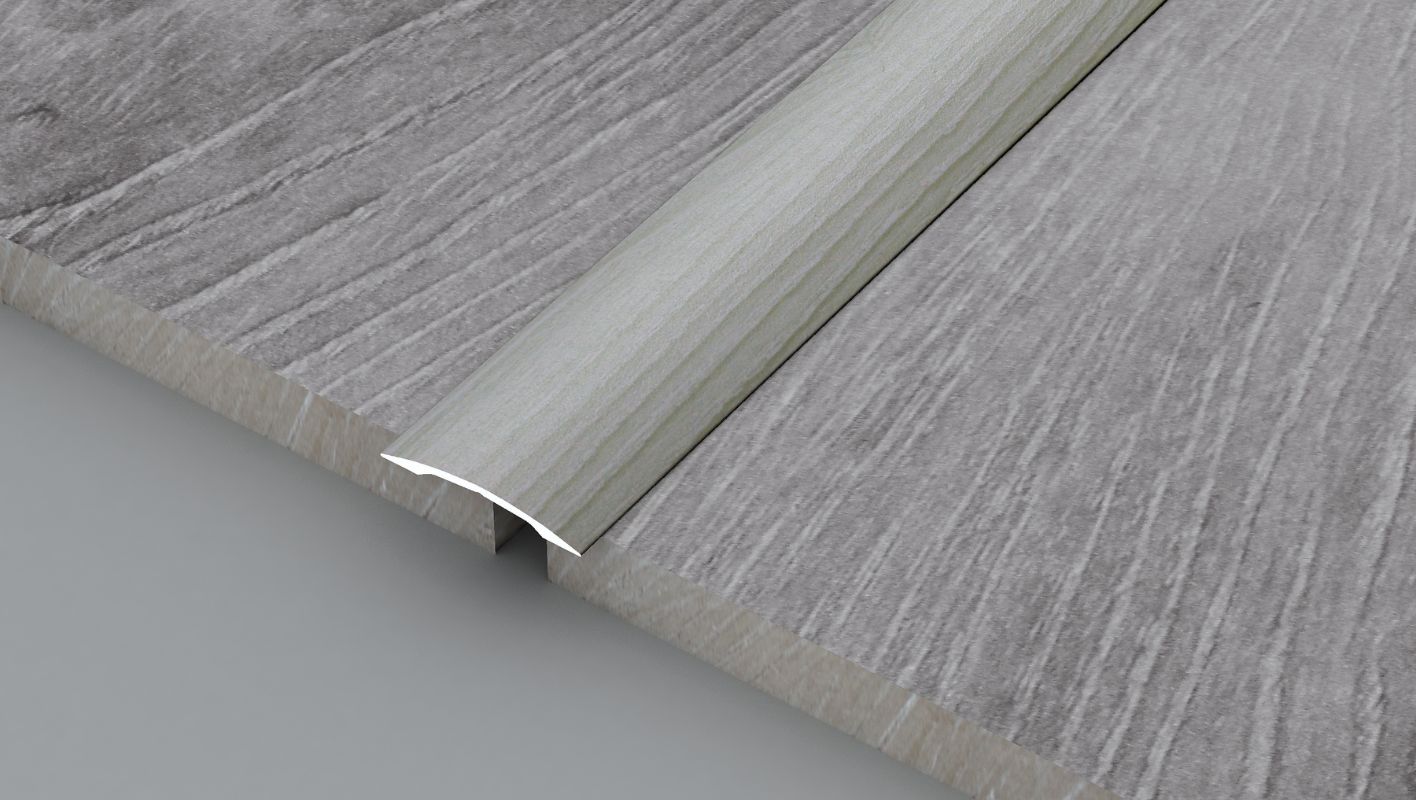
Have you ever tripped over a floor transition strip? It might seem trivial, but these strips play a vital role in flooring.
Floor transition strips are essential in many flooring projects, including luxury vinyl installations. They bridge gaps, accommodate expansion, and provide a seamless transition between different floor types or levels, enhancing both functionality and aesthetics.
I remember walking through my home, admiring the new luxury vinyl flooring I had just installed. Everything looked fantastic until I reached the doorway—there was an awkward gap between rooms that felt like it was begging for a solution. That’s when I realized the importance of transition strips.
These seemingly minor details do more than just cover up spaces; they ensure your flooring flows naturally from one room to the next, preventing trips and adding that finishing touch to your home’s design. Whether you’re dealing with varying floor heights or different materials, transition strips are your secret weapon for a flawless finish.
Transition strips are necessary for luxury vinyl flooring.True
They bridge gaps and accommodate expansion, ensuring seamless transitions.
Luxury vinyl flooring can be installed without transition strips.False
Without strips, gaps may form, affecting both function and aesthetics.
What Are Floor Transition Strips and Why Are They Used?
Imagine walking through your home and feeling that satisfying, seamless flow between rooms. That’s where floor transition strips work their magic, offering both beauty and safety.
Floor transition strips bridge gaps between different flooring types, ensuring smooth transitions and reducing tripping risks. They’re key for aesthetic cohesion and functional safety in any space.
Understanding Floor Transition Strips
Floor transition strips, sometimes called threshold strips, are those understated heroes that quietly make your space look polished and cohesive. I remember when I first stumbled across them; it was during a renovation project at home. You know that moment when you step from one room to another and suddenly feel a little off-balance because of an uneven floor? That’s where these strips shine.
Types of Floor Transition Strips
- T-Molding: These are my go-to when I need to connect two floors of the same height, like joining laminate to laminate. They’re perfect for doorways, making the transition so smooth you barely notice it.
- Reducer Strips: I’ve found these essential when dealing with a thicker floor meeting a thinner one—think hardwood stepping down to vinyl.
- End Molding: These work wonders when transitioning to vertical surfaces, like when I needed a neat finish at the sliding doors.
- Stair Nose: Stairs are high-traffic areas in my home, and these provide a finished look while protecting against wear.
Here’s a quick overview:
| Type | Best Used For |
|---|---|
| T-Molding | Same-height floors, e.g., wood-to-wood |
| Reducer | Higher-to-lower floors, e.g., tile-to-vinyl |
| End Molding | Flooring to vertical surfaces |
| Stair Nose | Finishing stairs |
Why Are Transition Strips Essential?
Enhancing Aesthetic Continuity
I love how transition strips maintain visual flow in open-plan spaces. Without them, the abrupt changes can be quite jarring, breaking up the harmony of your design.
Safety First: Preventing Tripping Hazards
They’ve saved me from many potential trips by smoothing out height differences between floors—especially important in areas where foot traffic is heavy.
Choosing the Right Material
When it comes to materials, the choice depends on what you’re looking for. I usually gravitate towards wood for its natural beauty, especially with hardwood floors, but metal strips have proven their worth in busy areas for their durability. And let’s not forget vinyl—flexible and budget-friendly, it’s a favorite in many residential projects.
To explore more about choosing materials, you might find this guide1 insightful.
Environmental Considerations
I’m a big fan of sustainable options, which is why I appreciate that some manufacturers now offer eco-friendly strips using recycled materials or sustainably sourced woods. If sustainability is your thing too, check out eco-friendly transition strips2 for more options.
Choosing the right floor transition strip can significantly enhance both the functionality and aesthetics of your flooring. Understanding their types and uses can really make a difference in any home improvement project.
T-Molding is used for different height floors.False
T-Molding is used for same-height floors, like wood-to-wood.
Reducer strips connect higher to lower floors.True
Reducer strips are ideal for transitioning from thicker to thinner floors.
How Do Transition Strips Enhance Flooring Aesthetics?
Imagine walking from your hardwood living room into a tiled kitchen, and it just flows perfectly. Transition strips can make that seamless journey happen!
Transition strips enhance flooring aesthetics by seamlessly connecting different floor types, creating a cohesive and polished look. They cover gaps, prevent tripping hazards, and offer decorative elements that complement your overall design.
The Role of Transition Strips in Design Harmony
Transition strips serve as essential design elements that bridge the visual gap between different flooring types. When I first started renovating my home, I was amazed at how something as small as a transition strip could make such a big difference. Imagine having gorgeous hardwood in your living room and chic tiles in the kitchen. Without the right transition strip, these spaces could feel disjointed, almost like wearing mismatched socks to a fancy dinner. But with a thoughtfully chosen transition strip, the rooms suddenly flow together harmoniously3, creating a seamless transition that feels both intentional and aesthetically pleasing.
Material Choices and Aesthetic Impact
Choosing the right material for your transition strip is like picking out the perfect accessory for an outfit. Each material offers its own charm:
- Wood: I always think of wood as that cozy sweater you can’t live without—perfect for traditional4 settings where warmth and comfort are key.
- Metal: If you’re aiming for that modern, sleek look, metal is your best bet. It’s like those stylish sunglasses that add just the right touch of sophistication.
- Vinyl: This is your go-to for versatility, kind of like a classic black tee that works with anything.
- Rubber: When you need durability and safety, rubber is reliable, like those sturdy boots that keep you steady on a rainy day.
| Material | Best Suited For |
|---|---|
| Wood | Traditional |
| Metal | Modern |
| Vinyl | Versatile |
| Rubber | Durable Spaces |
Visual Illusions and Room Dynamics
Transition strips aren’t just about blending spaces; they can also play tricks with the eye. For instance, using a contrasting strip can add visual interest, almost like drawing a line in the sand to define spaces. On the other hand, matching strips create a continuous flow, making smaller rooms feel more expansive by maintaining a continuous visual line5. It’s like the magic of wearing vertical stripes to appear taller.
Customization Opportunities
I remember working with a supplier who offered customizable transition strips, and it felt like ordering a tailor-made suit. You get to choose engravings or patterns that add decorative flair or adjust widths to fit those tricky spots. Plus, opting for eco-friendly materials isn’t just good for the planet—it’s a way to bring sustainability into your home designs6.
Thinking through these options not only elevates your space’s aesthetic but ensures each step you take in your home is both safe and stylish.
Transition strips can make small rooms appear larger.True
Matching strips maintain a continuous visual line, enlarging room perception.
Metal transition strips are best for traditional settings.False
Metal strips suit modern interiors, offering sleek lines not traditional warmth.
What are the alternatives to using transition strips?
Let’s dive into the world of flooring without the fuss of transition strips. Discover seamless and stylish alternatives that will make your floors look like a million bucks.
Alternatives to transition strips include t-moldings, flexible silicone joints, and flush reducers. These options offer seamless transitions between flooring types, enhancing both the beauty and functionality of your space.
Understanding Transition Strips
I remember the first time I walked into a beautifully renovated home only to be stopped in my tracks by a clunky transition strip. It’s the little things, right? Transition strips are those bits that connect different flooring types, ensuring safety and aesthetics. But sometimes, they can feel like speed bumps in your home’s visual flow7. So, what’s the alternative?
T-Moldings as an Option
If you’re like me, you’ve probably wished for a more cohesive look when transitioning from one room to another. T-moldings might just be your answer. They offer a seamless bridge between floors of equal height and can be customized to match your existing flooring, maintaining that all-important visual harmony. Whether you’re connecting hardwood8 to tile or laminate, these little wonders are both durable and stylish.
| Material | Best For | Advantages |
|---|---|---|
| Wood | Hardwood, Laminate | Natural look, customizable |
| Vinyl | Vinyl, Laminate | Water-resistant, easy install |
Flexible Silicone Joints
I once faced the challenge of keeping my bathroom floor both waterproof and visually appealing. That’s when I discovered flexible silicone joints. They’re almost invisible and perfect for high-moisture areas like bathrooms, allowing for natural movement and expansion without compromising on style.
Exploring Flush Reducers
Flush reducers are another fantastic option I’ve come across for transitioning from thicker to thinner materials like tile to hardwood. They create a smooth passage with minimal visual disruption and are available in various finishes to blend seamlessly with your decor.
DIY Solutions
For those of us who love a good weekend project, creating DIY solutions like painting or staining plywood strips can be a rewarding venture. It’s cost-effective and offers creative freedom, although it does demand some precise measuring and cutting skills.
These alternatives allow you to maintain the aesthetic continuity of your home while achieving functional floor transitions. Dive into these options and find what works best for your interior design9 needs.
T-moldings only work for different height floors.False
T-moldings are designed for floors of equal height, not different heights.
Flexible silicone joints are ideal for high-moisture areas.True
Flexible silicone joints accommodate movement and are perfect for wet areas.
When Can You Skip Transition Strips in Flooring Projects?
Ever wondered if those pesky transition strips are really necessary for your flooring project? Let’s dive into when you can skip them for a sleek, uninterrupted look.
You can skip transition strips when the flooring material and height are consistent across areas, allowing for smooth transitions without sacrificing functionality or style.
Understanding Transition Strips
Ah, transition strips—the unsung heroes of many a flooring project. They bridge gaps between different flooring materials or levels, ensuring smooth sailing from room to room. But do we always need them? Let’s explore when you can confidently set them aside.
Key Considerations for Skipping Transition Strips
-
Same Material and Height
Imagine walking through your home, every step seamless, every room flowing effortlessly into the next. If you’re using the same material and height throughout, like a gorgeous stretch of hardwood flooring10 in an open floor plan, you might just achieve this dream without any transition strips interrupting the view.
-
Accommodating Expansion
I remember the time I learned about wood’s need to breathe—it was eye-opening! Flooring materials like wood expand and contract with temperature changes. Skilled installation can sometimes allow you to skip transition strips while still letting the floor move as it needs to.
-
Design Preferences
Who doesn’t love a continuous, uninterrupted design? Many of us find that a floor without visible breaks looks cleaner and more modern. If your materials and subfloor conditions cooperate, you can achieve this chic look sans strips.
Practical Examples
Let’s consider a scenario: You have a large space where vinyl plank flooring11 is installed across multiple rooms without any noticeable height changes.
| Room | Flooring Type | Height Difference | Transition Needed |
|---|---|---|---|
| Living Room | Vinyl Plank | 0 mm | No |
| Dining Room | Vinyl Plank | 0 mm | No |
| Kitchen | Tile | 5 mm | Yes |
In scenarios like these, transitioning smoothly between similar heights can create a unified aesthetic, but don’t forget those critical height changes!
Potential Pitfalls
Skipping transition strips can indeed offer a sleek look, but beware of potential pitfalls such as unexpected floor movement or mismatched aesthetics. Consulting with experienced professionals12 can ensure your flooring choices meet both your design dreams and practical needs.
So, while these tips serve as a helpful guide, remember that each project has its quirks. It’s always wise to consult with seasoned flooring experts to make sure you’re making the right choice for your unique space.
Transition strips are necessary for different flooring heights.True
Transition strips help bridge height differences, preventing tripping hazards.
Skipping transition strips is always recommended for aesthetics.False
Skipping strips can cause issues like floor movement if not properly assessed.
Conclusion
Floor transition strips are essential for bridging gaps, ensuring safety, and enhancing aesthetics between different flooring types. They prevent tripping hazards and create a cohesive design flow in spaces.
-
This guide will provide detailed insights into selecting the most suitable materials for floor transition strips. ↩
-
Explore eco-friendly transition strip options that align with sustainable design practices. ↩
-
This link explains the role of transition strips in achieving visual harmony between different flooring types. ↩
-
Explore how wood transition strips are perfect for traditional interiors, offering warmth and elegance. ↩
-
Discover how matching transition strips can create visual continuity, making small rooms appear larger. ↩
-
Find options for customizable and eco-friendly transition strips that suit your specific design needs. ↩
-
Learn how visual flow impacts interior design aesthetics and how transition solutions contribute. ↩
-
Discover top-rated hardwood transition solutions for seamless room integration. ↩
-
Get expert tips on achieving seamless flooring transitions in interior design. ↩
-
Discover the characteristics and benefits of hardwood flooring, which influence decisions on using transition strips. ↩
-
Learn best practices for installing vinyl plank flooring that affect transition strip usage. ↩
-
Consulting experts provides tailored solutions and insights on omitting transition strips effectively. ↩






