
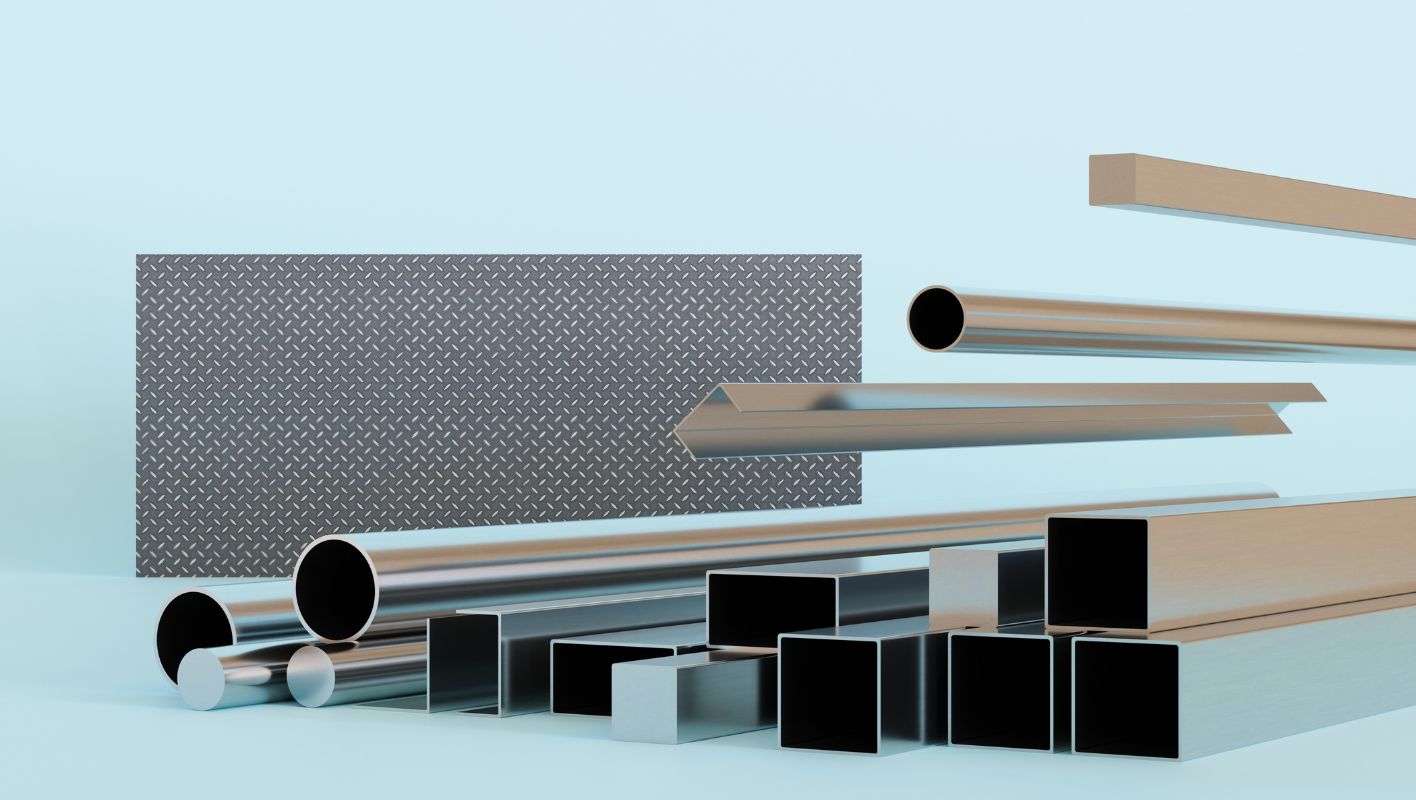
Choosing the right stainless steel for your construction project can feel like picking the perfect puzzle piece—essential for stability and endurance.
For construction projects, the choice of stainless steel often hinges on specific requirements, but grades 304 and 316 are frequently favored. Grade 304 is versatile and cost-effective, while Grade 316 offers superior corrosion resistance in harsh conditions, making them reliable choices for various applications.
While having top contenders like 304 and 316 in your toolkit is helpful, understanding their unique traits and considering alternatives can lead to smarter decisions. Let’s delve into what makes these grades so special. I remember when I first had to decide between these steels; it was like choosing between two equally impressive sports cars—both had their merits depending on the terrain they’d be navigating. Let’s explore why these options shine and what other grades might be just what your project needs.
Grade 316 is ideal for marine construction projects.True
Its superior resistance to saltwater makes it suitable for marine use.
Grade 304 is more corrosion-resistant than Grade 316.False
Grade 316 has better corrosion resistance due to molybdenum content.
What Makes Stainless Steel Grades 304 and 316 Different?
Choosing between stainless steel grades 304 and 316 can feel like deciding between coffee and tea—both great, but each with its distinct perks. Let’s explore which one suits your needs best.
Stainless steel 304 features 18% chromium and 8% nickel, providing good corrosion resistance, while 316 includes molybdenum for enhanced protection against chlorides, ideal for marine settings.
Chemical Composition
I remember when I first had to decide between stainless steel grades 304 and 316. It was like choosing a dessert at my favorite restaurant—each option seemed great, but I needed the right fit for my project. Grade 304, often dubbed "18/8" stainless steel, contains about 18% chromium and 8% nickel. This mix offers a balanced trifecta1 of strength, corrosion resistance, and formability that’s hard to beat. But then there’s grade 316, with its secret ingredient: an extra 2-3% molybdenum. This little addition gives it superhero-level resistance against chlorides and acidic conditions.
Corrosion Resistance
Think of grade 316 as the stainless steel you’d take on a beach vacation. The molybdenum makes it particularly useful in salty or chemically intense environments—perfect for marine applications2 or industrial processes involving chlorides. On the flip side, if you’re sticking to more relaxed settings, grade 304 is cost-effective and perfectly capable of handling general duties without breaking a sweat.
Mechanical Properties
Both grades offer comparable tensile strengths, but here’s a fun tidbit: the molybdenum in grade 316 gives it an edge when things heat up. It’s like having a friend who remains calm under pressure—ideal for high-temperature applications like chemical processing3.
| Property | Grade 304 | Grade 316 |
|---|---|---|
| Chromium (%) | 18 | 16 |
| Nickel (%) | 8 | 10 |
| Molybdenum (%) | 0 | 2-3 |
| Corrosion Resistance | Good | Excellent |
Suitability for Applications
When it comes to choosing between these two, it really depends on where they’ll be used. For instance, if you’re equipping a kitchen or food processing facility, grade 304 is a great choice because it’s affordable and can handle everyday exposure to moisture and acids in food substances. But if your project is more nautical or in an area with high pollution levels, the superior corrosion resistance of grade 3164 is worth considering.
So there you have it—the key differences5 between grades 304 and 316 can significantly influence how well your stainless steel performs over time. Weighing factors like environment, cost constraints, and specific project requirements will guide you in selecting the right material for your needs.
Grade 304 has higher chromium content than grade 316.True
Grade 304 contains 18% chromium, while grade 316 contains 16%.
Grade 316 is more cost-effective than grade 304.False
Grade 316 is generally more expensive due to added molybdenum.
How Does Corrosion Resistance Impact Stainless Steel Selection in Construction?
Imagine standing on a seaside cliff, the salty breeze whispering through the air—your construction materials must brave these elements daily.
Corrosion resistance is key in choosing stainless steel for construction, impacting durability and maintenance. Selecting the right type ensures longevity and performance, especially in challenging environments.
Understanding Corrosion in Construction
The first time I witnessed the destructive power of corrosion was during a site visit to an old bridge. What was once a sturdy structure had been reduced to rusted beams, a stark reminder of how relentless the environment can be. Corrosion happens when materials react chemically with elements like moisture and salt. If left unchecked, it can lead to catastrophic failures and hefty repair bills. That’s why choosing materials with strong corrosion resistance6 is not just a smart choice—it’s essential.
Types of Stainless Steel and Their Corrosion Resistance
When I first started selecting materials for projects, the array of stainless steels was overwhelming. I soon learned that each type has its unique strengths. Take Austenitic stainless steels, for example—304 and 316 are staples in the industry, celebrated for their robust corrosion resistance. I remember a project where 316 stainless steel was a lifesaver, keeping structures resilient against coastal winds.
Here’s a handy table I often refer to:
| Stainless Steel Type | Corrosion Resistance | Common Uses |
|---|---|---|
| 304 | Good | Kitchen Equipment, Piping |
| 316 | Excellent | Marine Environments, Chemical Processing |
Factors Influencing Stainless Steel Selection
From my experience, choosing the right stainless steel involves juggling several factors:
- Environmental Conditions: When working near the ocean or in industrial zones, I always opt for materials like 316 stainless steel, which handle corrosive conditions remarkably well.
- Cost Implications: While pricier up front, higher-grade steels often save money in the long run by reducing maintenance needs.
- Aesthetic Requirements: Sometimes, the look is just as important as durability. For these projects, selecting grades with high corrosion resistance7 keeps everything looking sharp.
Practical Implications of Corrosion Resistance in Construction
Let me paint you a picture: we were building a new bridge close to a salty sea air environment. Opting for a stainless steel grade like 316 wasn’t just about ticking boxes; it was about ensuring the bridge’s longevity and cutting down on future maintenance costs. This choice meant that decades later, the bridge would remain as sturdy as the day it was completed.
Balancing cost, performance, and sustainability is what it’s all about. It’s not just about picking the most resistant material—it’s about understanding where it will live and the challenges it will face. By making informed decisions that align with immediate needs and long-term goals, we ensure projects stand the test of time.
Austenitic stainless steels offer excellent corrosion resistance.True
Austenitic steels, like 304 and 316, are known for high corrosion resistance.
316 stainless steel is unsuitable for marine environments.False
316 stainless steel is ideal for marine settings due to its corrosion resistance.
Are There Cost-Effective Alternatives to Stainless Steel in Construction?
Have you ever wondered if there’s a way to get the benefits of stainless steel without the hefty price tag?
Yes, cost-effective alternatives to stainless steel in construction include galvanized steel, carbon steel, and aluminum. These materials provide durability and corrosion resistance at a more affordable price.
Exploring Affordable Metal Options
Years ago, when I first dipped my toes into the world of construction materials, I was astounded by the high costs associated with stainless steel. Like many others, I quickly realized the need for alternatives that wouldn’t break the bank but still delivered on quality.
Galvanized Steel was one of my first discoveries. It’s incredibly cost-effective and resistant to corrosion due to its zinc coating. I recall a project near the coastline where this material stood the test of salty air—a testament to its reliability. Benefits of galvanized steel8 include its affordability and toughness, making it a staple in many of my projects.
Then there’s Carbon Steel, which I came across when working on an indoor project. It might not be as naturally resistant to moisture as stainless steel, but its strength is remarkable, and with the right coatings, it can resist corrosion quite well. It felt like finding a hidden gem that was strong, dependable, and didn’t drain my resources. For projects where minimal moisture exposure is expected, this material is a go-to choice. Enhanced corrosion resistance9 through coatings further boosts its appeal.
| Material | Cost | Corrosion Resistance | Strength |
|---|---|---|---|
| Stainless Steel | High | Excellent | Excellent |
| Galvanized Steel | Moderate | Good | Good |
| Carbon Steel | Low | Fair (with coatings) | Excellent |
Aluminum is another fantastic option. I remember a project where weight was a concern, and aluminum was a perfect fit—lightweight yet sturdy, and it kept the project within budget. Its versatility means it can replace stainless steel in many applications, such as cladding. Aluminum’s versatility10 makes it an appealing choice.
Factors Influencing Material Choice
Selecting materials always requires a balance between cost and functionality. I’ve found that understanding the unique needs of each project is critical. For instance, if you’re near the coast, corrosion resistance becomes vital, and choosing between galvanized or stainless steel could save headaches down the road.
Budget constraints are another big consideration. I’ve learned through experience that weighing the strengths and weaknesses of each material against project requirements can be the difference between hitting or missing budget goals. Project budget constraints11 often steer material decisions.
Sustainability also plays a growing role in material selection these days. It’s encouraging to see how both aluminum and galvanized steel often incorporate recycled content, aligning with eco-friendly practices in construction. Making choices that benefit the environment while fulfilling project needs feels like a win-win.
Galvanized steel is more expensive than stainless steel.False
Galvanized steel is generally less expensive than stainless steel.
Aluminum is a lightweight alternative to stainless steel.True
Aluminum is known for being lightweight and corrosion-resistant.
How Do Certifications Impact Stainless Steel Quality and Suitability?
As a procurement manager, I’ve often pondered how certifications affect the quality of stainless steel.
Certifications such as ISO, ASTM, and EN ensure stainless steel quality by mandating adherence to specific standards. They enhance material suitability for various applications, ensuring safety, durability, and optimal performance in construction and manufacturing settings.
Understanding Stainless Steel Certifications
Navigating the world of stainless steel certifications might seem overwhelming at first, but trust me, it’s a game-changer. These benchmarks—like ISO 9001, ASTM standards, and EN standards—are not just acronyms on paper. They’re the guardians of quality, safety, and environmental impact for the materials I source. When I first started, I remember being bogged down by all these standards, but now, they’re my checklist for ensuring our projects are built on a solid foundation.
The assurance that stainless steel products adhere to stringent quality control measures12 is vital. In my experience, it’s not just about ticking boxes; it’s about guaranteeing reliability and safety in the skyscrapers and bridges we construct. It’s like having a trusted partner who watches your back when the stakes are high.
Importance of ISO Certification
ISO certifications, particularly ISO 9001, have been a revelation. They focus on quality management systems—ensuring we consistently meet customer requirements. For me, incorporating ISO-certified materials into projects has been like putting on armor; it protects against the unexpected by setting a framework for consistent product quality and customer satisfaction.
I recall a project where using ISO-certified materials drastically cut down defect risks and extended the lifespan of the structure. It was one of those moments where you think, "Wow, this really makes a difference," leading to more efficient project outcomes13.
| Certification | Focus Area |
|---|---|
| ISO 9001 | Quality Management |
| ASTM | Material Specifications |
| EN | European Compliance |
ASTM Standards for Material Specifications
Understanding ASTM standards has been like unlocking a secret code for success in high-stakes projects. These standards define the physical properties like tensile strength and corrosion resistance of stainless steel—essential traits for any structure I’m responsible for.
I vividly remember working on a commercial project where selecting ASTM-certified materials was non-negotiable. Knowing the products met specific engineering criteria14 gave me peace of mind that everything would hold up under pressure.
Environmental and Safety Considerations
Let’s not forget about the planet and our people. Certifications also address environmental impacts and worker safety, which align perfectly with the growing demand for eco-friendly materials in our industry. I’ve seen firsthand how opting for certified products not only fulfills regulatory compliance but also supports sustainable building practices15. It’s comforting to know that our work contributes to long-term project viability and community well-being. It’s not just about today; it’s about building a future we can be proud of.
ISO 9001 ensures consistent stainless steel quality.True
ISO 9001 provides a framework for quality management, ensuring reliable products.
ASTM standards do not cover corrosion resistance.False
ASTM standards define physical properties like corrosion resistance.
Conclusion
Choosing the right stainless steel for construction involves understanding grades 304 and 316, focusing on corrosion resistance, cost, and specific project needs for optimal performance.
-
This link offers a comprehensive breakdown of grade 304’s chemical makeup, crucial for understanding its general-purpose applications. ↩
-
Exploring this link reveals why grade 316 is preferred in marine settings due to enhanced chloride resistance. ↩
-
Find out why grade 316 is suited for high-temperature applications by visiting this link. ↩
-
This link explains why marine applications favor grade 316, highlighting its anti-corrosive properties. ↩
-
Explore this link for an in-depth comparison of grades 304 and 316 across various applications. ↩
-
Understanding this concept helps readers grasp how different materials react to environmental factors and why it’s crucial in construction. ↩
-
Exploring this query provides insights into which grades offer superior protection in harsh environments, aiding informed decision-making. ↩
-
Explore how galvanized steel’s affordability and corrosion resistance make it an attractive option over stainless steel. ↩
-
Learn techniques to enhance carbon steel’s durability in construction applications. ↩
-
Discover why aluminum’s lightweight nature and corrosion resistance make it a valuable alternative. ↩
-
Understand strategies to select cost-effective materials without compromising quality. ↩
-
Explore how quality control measures enhance the reliability of stainless steel products in industrial applications. ↩
-
Learn about the benefits of using ISO-certified materials to optimize project timelines and outcomes. ↩
-
Find out how ASTM standards specify material properties essential for engineering and construction projects. ↩
-
Discover how EN standards help promote environmentally friendly construction practices. ↩






