
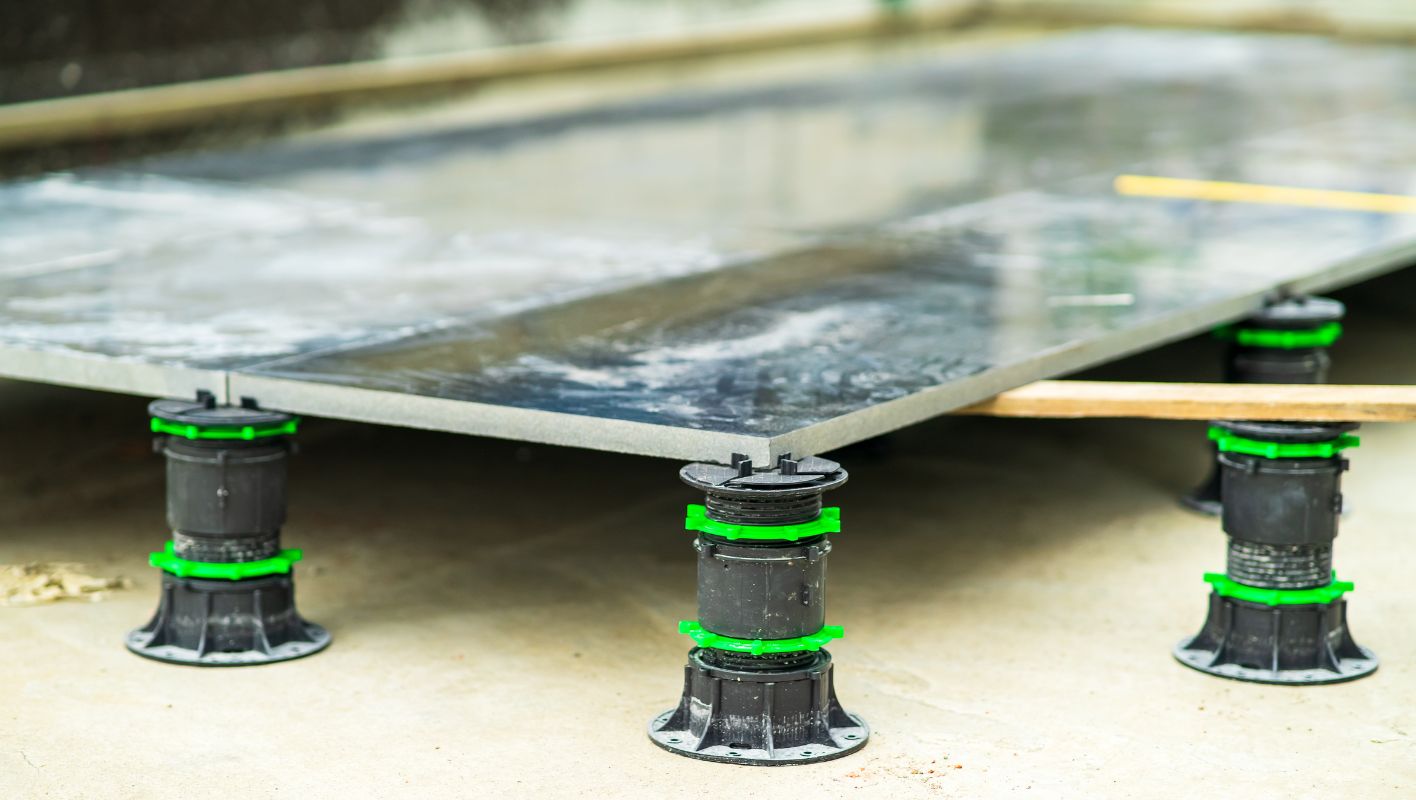
Have you ever wondered how construction can turn an uneven rooftop into a beautiful, usable space?
The Pedestal Paver System is a game-changer in construction, transforming uneven or sloped areas like rooftops and terraces into stable, level surfaces. It offers a practical way to address surface irregularities while enhancing both the aesthetic and functional aspects of a project.
I remember standing on a rooftop of a new project, surveying the sloped surface and thinking, "How on earth are we going to make this usable?" That’s when I first discovered the Pedestal Paver System. Unlike traditional methods that struggle with uneven terrain, this system allows for easy adjustments, leveling the playing field—quite literally. It’s like giving every project a fair shot at beauty and functionality.
But it’s not just about aesthetics; it’s about practicality. The Pedestal Paver System provides excellent drainage solutions and insulation properties, making it a favorite for sustainable projects. Its adaptability means I can recommend it for everything from luxurious rooftop gardens to bustling urban terraces. Sure, there are challenges like the initial cost and learning curve, but seeing those once unusable spaces come to life makes it all worthwhile. Whether you’re in construction or simply curious about innovative building solutions, this system is worth considering.
Pedestal Paver Systems are only used on rooftops.False
They are used on various surfaces, including terraces and sloped areas.
Pedestal Paver Systems provide aesthetic enhancements.True
They offer design flexibility, enhancing the visual appeal of surfaces.
How Does the Pedestal Paver System Work?
Ever wondered how to transform a tricky rooftop or uneven patio into a stunning, functional space? Let me introduce you to the magic of pedestal paver systems, a solution that’s changing the game in outdoor flooring.
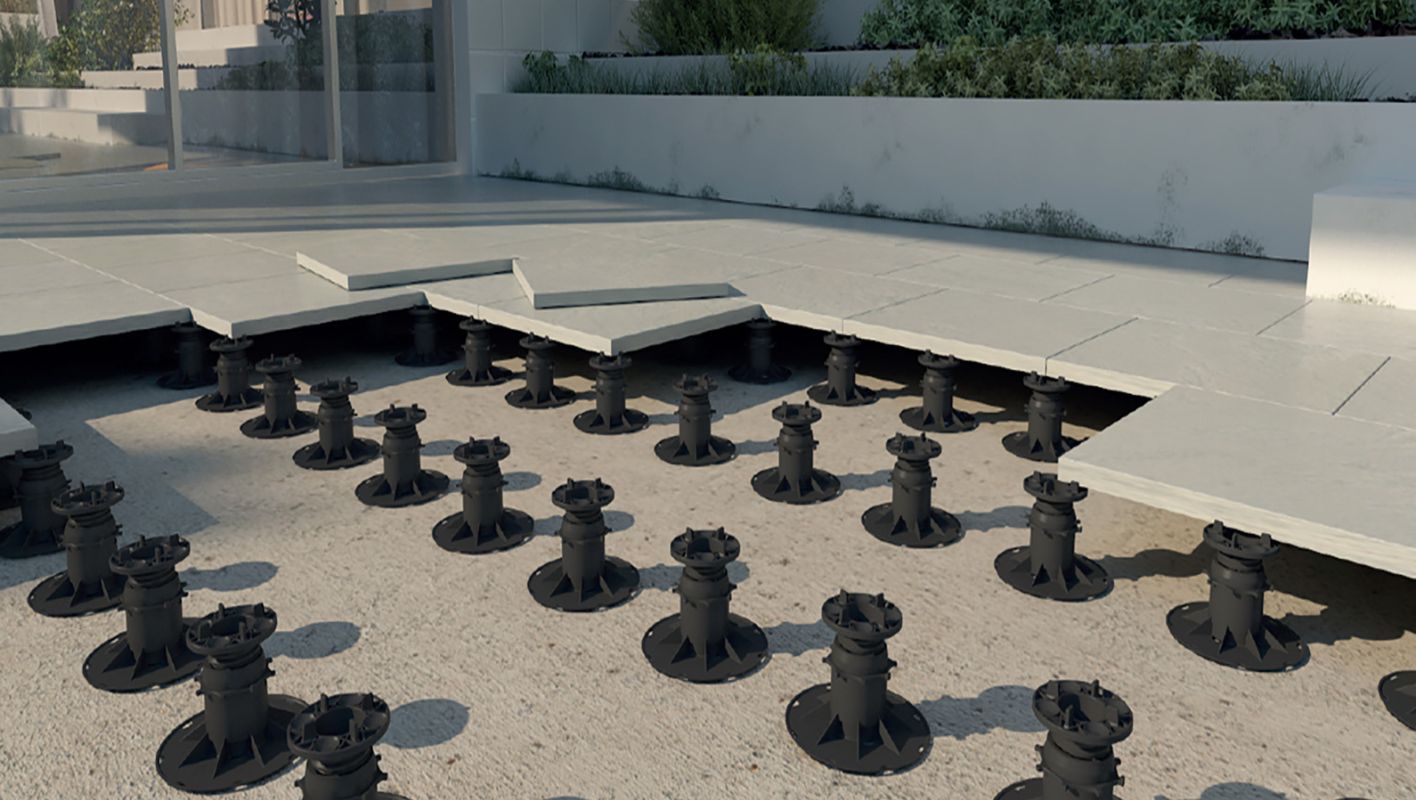
The pedestal paver system uses adjustable pedestals to support tiles, creating level surfaces even on uneven ground. This setup allows for excellent drainage and airflow, making it ideal for rooftops and patios while simplifying maintenance.
Understanding the Pedestal Paver System
Imagine trying to enjoy a cup of coffee on your balcony, only to find that the surface is so uneven your chair keeps wobbling. That’s where the pedestal paver system1 comes to the rescue. I once found myself grappling with an uneven backyard patio, and discovering this system was like uncovering a secret hack for perfect paving.
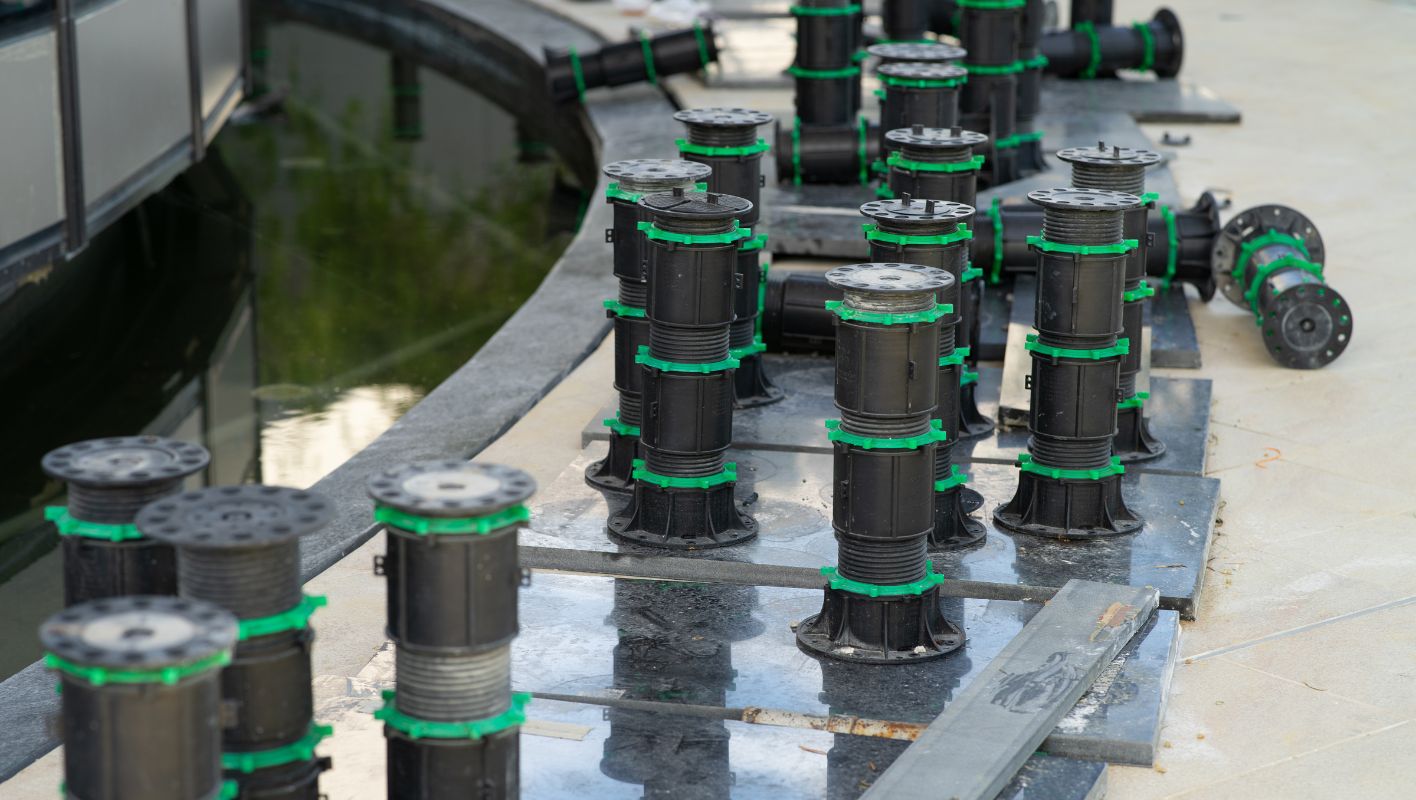
These systems use a series of adjustable pedestals made from high-density polypropylene—a material tough enough to handle whatever Mother Nature throws its way. The real beauty of these pedestals is their flexibility. You can adjust them to various heights, ensuring a level surface even when the ground beneath is anything but smooth.
Key Advantages
The first time I saw water trickling effortlessly through the gaps in the tiles, I knew I had discovered something special. One of the standout benefits of pedestal pavers is their ability to provide efficient drainage2. Say goodbye to those annoying puddles that ruin your outdoor fun!
And if you’re worried about maintenance, fear not. These tiles allow for better airflow and easy access to utilities underneath. Ever tried lifting a traditional tile without breaking it? With pedestal systems, you can do just that with ease.
| Feature | Benefit |
|---|---|
| Adjustable Height | Compensates for unevenness |
| Efficient Drainage | Prevents water pooling |
| Easy Access | Simplifies maintenance |
Installation Insights
Installing a pedestal paver system is like putting together a giant puzzle—but one where all the pieces magically fit. Before you start, make sure your substrate is stable and can bear the load. I remember meticulously cleaning my space and double-checking the substrate’s condition—it was worth every moment.
Installation techniques3 will vary depending on where you’re setting things up, but generally involve:
- Preparing the substrate by cleaning and assessing its condition.
- Strategically placing pedestals according to tile layout.
- Adjusting pedestal heights to achieve a level surface.
- Carefully positioning tiles on top of the pedestals.
Comparing with Traditional Methods
If you’ve ever spent hours leveling ground for traditional paving methods, you know the struggle. The pedestal system not only saves time but also offers flexibility. The first time I used this method, I was amazed at how quickly things came together compared to old-school techniques.
While initial costs might seem higher than conventional methods, think long-term. Less maintenance and increased durability mean you’ll save money down the line. It’s like investing in a quality tool—spend a bit more upfront for something that lasts.
Pedestal paver systems prevent water pooling on surfaces.True
The gaps between tiles facilitate efficient drainage, preventing water pooling.
Traditional paving methods require less installation time than pedestal systems.False
Pedestal systems reduce installation time by eliminating extensive groundwork preparation.
Why Should You Consider Pedestal Paver Systems?
When I first stumbled upon pedestal paver systems, I was blown away by their versatility and practicality.
Pedestal paver systems provide significant benefits like enhanced drainage, thermal insulation, ease of installation, and aesthetic adaptability. They’re perfect for rooftop terraces, patios, and commercial areas, offering efficient water management and customizable designs.
Improved Drainage and Water Management
You know, I’ve always been a bit wary about water damage, especially after experiencing a minor flood in my basement a few years back. That’s why the efficient drainage4 feature of pedestal paver systems really caught my attention. By elevating the pavers above the sub-surface, these systems allow water to flow freely underneath, which prevents pooling and potential damage—particularly useful for rooftop terraces and balconies where you definitely don’t want any structural issues.
Thermal and Acoustic Insulation
Remember those scorching summer days when you could practically fry an egg on the pavement? Well, pedestal paver systems offer a nifty solution. They create an insulating air gap between the paver and the sub-surface, which reduces heat transfer and sound transmission. I think it’s pretty clever how they manage to keep things cooler and quieter, especially in areas where climate control is a must.
Simplified Installation Process
If you’ve ever tried laying traditional pavers, you’ll appreciate this. The installation process for pedestal paver systems is much simpler. Adjustable pedestals make it easy to achieve a perfectly level surface, saving both time and labor costs. Plus, they can accommodate various surfaces without requiring extensive groundwork preparation. It’s like having a shortcut that actually works!
Aesthetic Flexibility
Here’s where things get really exciting—these systems offer unparalleled aesthetic flexibility. Whether you’re into wood, stone, or composite materials, you can customize your design to fit your style preferences and project specifications5. This adaptability allows for creating visually stunning outdoor spaces that align perfectly with modern architectural trends.
Cost-Effectiveness
Now, while the initial costs might seem a bit daunting, think about the long-term savings. With reduced maintenance needs and enhanced durability, pedestal paver systems are built to last. Their robust design withstands harsh weather conditions without significant wear and tear, ensuring longevity for commercial projects.
Summary Table of Benefits
| Benefit | Description |
|---|---|
| Drainage | Allows water flow beneath pavers |
| Insulation | Provides thermal and acoustic benefits |
| Installation | Easy leveling with adjustable pedestals |
| Design | Customizable with various materials |
| Cost | Long-term savings with low maintenance |
I hope this gives you a clear picture of why pedestal paver systems are worth considering for your next project. From improved drainage to aesthetic flexibility, they offer solutions that make life just a little bit easier—and isn’t that what we’re all looking for?
Pedestal paver systems improve water drainage.True
They elevate pavers, allowing water to flow underneath, preventing pooling.
Pedestal paver systems are difficult to install.False
Their adjustable pedestals simplify leveling, reducing installation complexity.
How Does the Cost of Pedestal Paver Systems Compare to Traditional Paving?
Ever wondered if switching to pedestal paver systems could save you more in the long run? Let’s dive into the cost comparison!
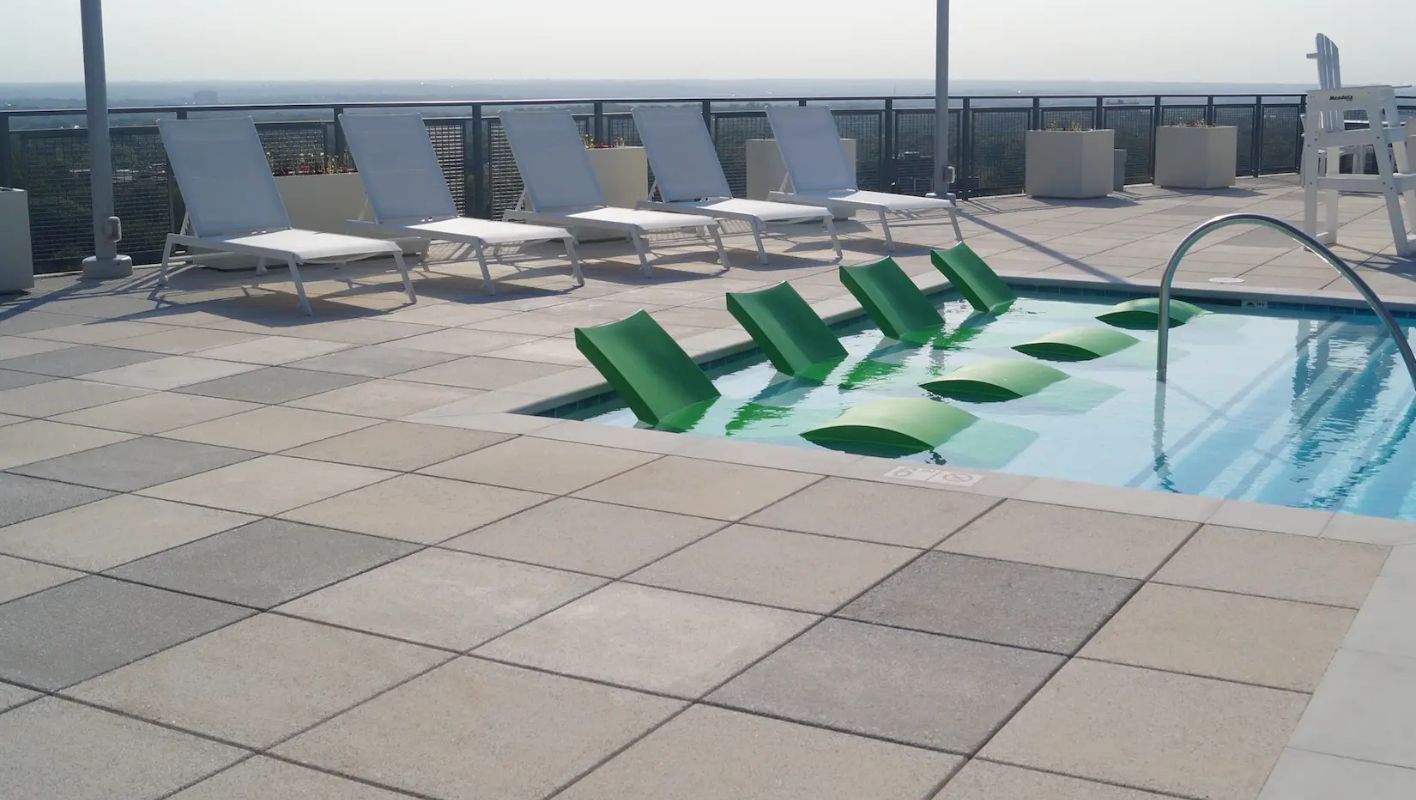
While pedestal paver systems may seem pricier initially compared to traditional paving, they often lead to savings over time due to lower maintenance and repair needs, especially in commercial settings.
Initial Cost Comparison
When I first explored the cost of pedestal paver systems6, I was taken aback by the initial price tag. It felt like buying a luxury car when all I needed was a reliable sedan. But as I dug deeper, it became clear that this "luxury" comes with significant long-term benefits. The upfront cost is indeed higher due to those specialized supports and top-notch pavers.
On the other hand, traditional paving methods like concrete or asphalt seemed budget-friendly at first glance. It’s like grabbing a budget airline ticket only to discover all the hidden fees later. Frequent repairs and maintenance can quickly add up, eroding those initial savings.
| Aspect | Pedestal Pavers | Traditional Paving |
|---|---|---|
| Initial Installation | Higher | Lower |
| Maintenance Over Time | Lower | Higher |
Long-Term Value and Savings
As I continued my research, the long-term benefits7 of pedestal paver systems became more apparent. These systems are engineered for durability, capable of weathering life’s storms much better than their traditional counterparts. The ease of access to underlying infrastructure makes repairs less daunting and less costly.
In commercial settings where every minute counts, this can be a game-changer. I’ve seen firsthand how reduced disruptions can save both time and money, making pedestal systems a wise investment.
Aesthetic Flexibility and Eco-Friendliness
Let’s talk aesthetics and sustainability—two areas where pedestal systems truly shine. They offer a palette of innovative designs and materials that not only look good but also do good for the environment. Using recycled materials and improving drainage are just a couple of ways they contribute to sustainable building practices8.
In contrast, traditional paving can feel like trying to paint a masterpiece with only basic colors. It often relies on non-renewable resources, which might clash with today’s eco-conscious goals. For someone like Daniel, who values sustainability, pedestal systems offer an opportunity to align projects with environmental priorities.
Market Trends and Innovations
Keeping up with market trends9 is like trying to catch up with your favorite TV series—there’s always something new. The rise in popularity of pedestal systems is partly driven by advancements in materials technology, leading to more efficient installations and better performance.
While traditional paving is not entirely left behind, improved mixtures promise greater durability; however, they often don’t match the holistic benefits pedestal systems provide. It’s like comparing apples to oranges—each has its place, but one might just be more suited for your needs.
Pedestal paver systems have lower maintenance costs.True
Pedestal systems require less frequent repairs, reducing long-term costs.
Traditional paving offers greater design flexibility.False
Pedestal systems provide more innovative design options than traditional paving.
What are the common challenges when installing a pedestal paver system?
I remember the first time I tackled installing a pedestal paver system—what an adventure! From unexpected surprises to learning curves, it was quite the journey, but one I wouldn’t trade for anything.
When installing a pedestal paver system, be prepared to face challenges like surface preparation, load management, proper drainage, and keeping everything level. Tackling these issues head-on can save you from costly repairs and ensure your project stands the test of time.
Surface Preparation
Ah, surface prep—the cornerstone of a successful installation. I once learned the hard way how crucial it is to start with a clean and stable foundation. Picture this: I skipped a thorough cleaning and later watched in horror as my perfectly laid pavers shifted out of alignment. Since then, I’ve made it a ritual to double-check every detail, from cleaning debris to ensuring no sneaky cracks lurk beneath.
| Preparation Steps | Details |
|---|---|
| Cleaning | Remove debris, dirt, and any loose materials |
| Stabilizing | Ensure the surface is solid and compact |
| Repairing | Fix cracks or uneven spots |
Load Management
If there’s one thing I’ve learned, it’s never underestimate the power of gravity. Calculating the load capacity became my mantra after an experience where an unexpected load nearly cost me an entire setup. Consulting with engineers isn’t just a step—it’s a necessity to ensure your system supports everything from furniture to foot traffic.
For example, heavy furniture or equipment might require additional support. Load assessment10 is crucial before you even think about starting the installation.
Ensuring Proper Drainage
Drainage might not seem glamorous, but it’s the silent hero of your installation. I’ll never forget a project where ignoring proper drainage led to water pooling and, eventually, damage. Now, I meticulously plan for slopes and drainage mats to keep everything dry and durable.
Drainage solutions11 are designed specifically for pedestal systems, helping preserve their integrity.
Maintaining Level Alignment
Aligning pavers can feel like trying to line up dominos in a windstorm—challenging but oh-so-satisfying once you get it right. My secret weapons? Laser levels and string lines. These tools have saved me from many potential tripping hazards and ensured that perfect professional finish.
Adjustable pedestals are also great friends in this mission, allowing for those tiny tweaks that make all the difference.
Additional Considerations
- Weather Conditions: I always say, "Pick your weather wisely." Installing during extreme conditions has caused more headaches than I care to admit.
- Material Choice: High-quality pavers aren’t just a preference—they’re a necessity for longevity.
- Compliance with Local Codes: I’ve learned to double-check local codes before laying the first stone. Trust me, compliance saves you from future hassles.
Exploring different material options12 can provide insights into alternatives that suit specific project needs.
Uneven surfaces affect paver stability.True
Uneven surfaces can destabilize pavers, causing alignment issues.
Ignoring drainage plans has no impact on paver longevity.False
Poor drainage leads to water damage, affecting the system's lifespan.
Conclusion
The Pedestal Paver System transforms uneven surfaces into functional spaces, offering drainage, insulation, and aesthetic flexibility while simplifying installation and maintenance for various construction projects.
-
Learn about the components and functioning of pedestal paver systems to understand their application benefits. ↩
-
Discover how pedestal systems enhance drainage and prevent water accumulation issues. ↩
-
Explore step-by-step installation procedures to ensure effective use of pedestal pavers. ↩
-
Learn more about how pedestal paver systems enhance drainage efficiency and protect structures from water damage. ↩
-
Explore the variety of design options available with pedestal paver systems to suit your architectural needs. ↩
-
Discover detailed cost breakdowns between pedestal and traditional paver systems, aiding in budget planning for large projects. ↩
-
Uncover insights into the longevity and maintenance savings of pedestal systems, crucial for planning sustainable constructions. ↩
-
Explore how pedestal pavers align with eco-friendly construction trends, enhancing project sustainability. ↩
-
Stay informed about emerging paving technologies that could influence future project choices. ↩
-
This link provides detailed information on evaluating load capacities for pedestal systems, essential for ensuring structural integrity. ↩
-
Explore effective drainage solutions to prevent water damage in pedestal paver installations. ↩
-
Discover top material choices for pedestal systems, ensuring durability and compatibility. ↩






