
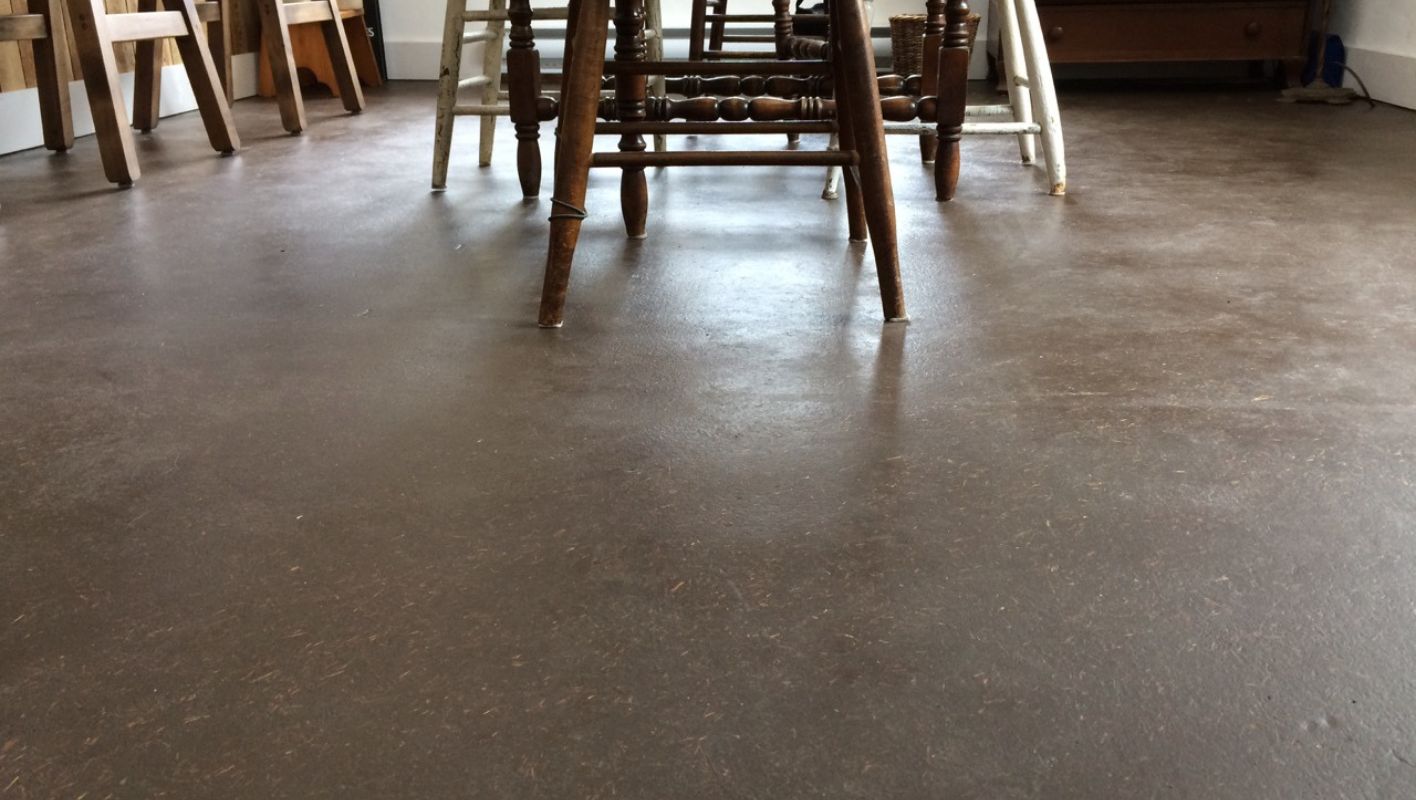
Imagine walking barefoot on a floor that feels naturally cool and connects you to the earth.
Mud floors are crafted from compacted earth, often mixed with natural fibers or binders, offering an eco-friendly alternative to traditional flooring. They provide excellent insulation, are cost-effective, and have a unique aesthetic appeal, making them ideal for various construction projects.
When I first heard about mud floors, I pictured something straight out of a rustic farmhouse—simple and earthy. But as I delved deeper, I discovered a world of possibilities. Mud flooring isn’t just about mixing dirt; it’s about creating something that’s in harmony with nature. It’s like having a piece of the earth right under your feet, insulating your space and cutting costs without sacrificing style.
I remember visiting a friend’s eco-friendly home where they had used mud floors. The natural texture and warmth left a lasting impression on me. It made me realize how versatile and beneficial mud flooring can be, not just for small homes but even larger projects. Whether it’s the charm of an organic aesthetic or the practicality of sustainable construction, mud floors offer an interesting blend of both worlds.
For anyone curious about how to incorporate mud flooring into their projects, it’s important to explore the types available and understand their advantages. Whether you’re considering it for its ecological benefits or its unique look, mud flooring is certainly worth a closer look.
Mud floors offer excellent thermal insulation.True
Mud floors naturally regulate indoor temperatures due to their dense composition.
Mud floors are more expensive than conventional flooring.False
Mud floors are cost-effective, using locally sourced materials, reducing costs.
What are the Different Types of Mud Floors?
I still remember the first time I stepped onto a mud floor—it felt like nature itself was cradling my feet. These earthy foundations offer more than just rustic charm; they carry centuries of tradition and eco-friendly benefits.
Mud floors, with their rich history and sustainable appeal, come in three main types: earthen, clay, and adobe. Each offers unique benefits like thermal insulation and cost-effectiveness, catering to different environmental and aesthetic preferences.
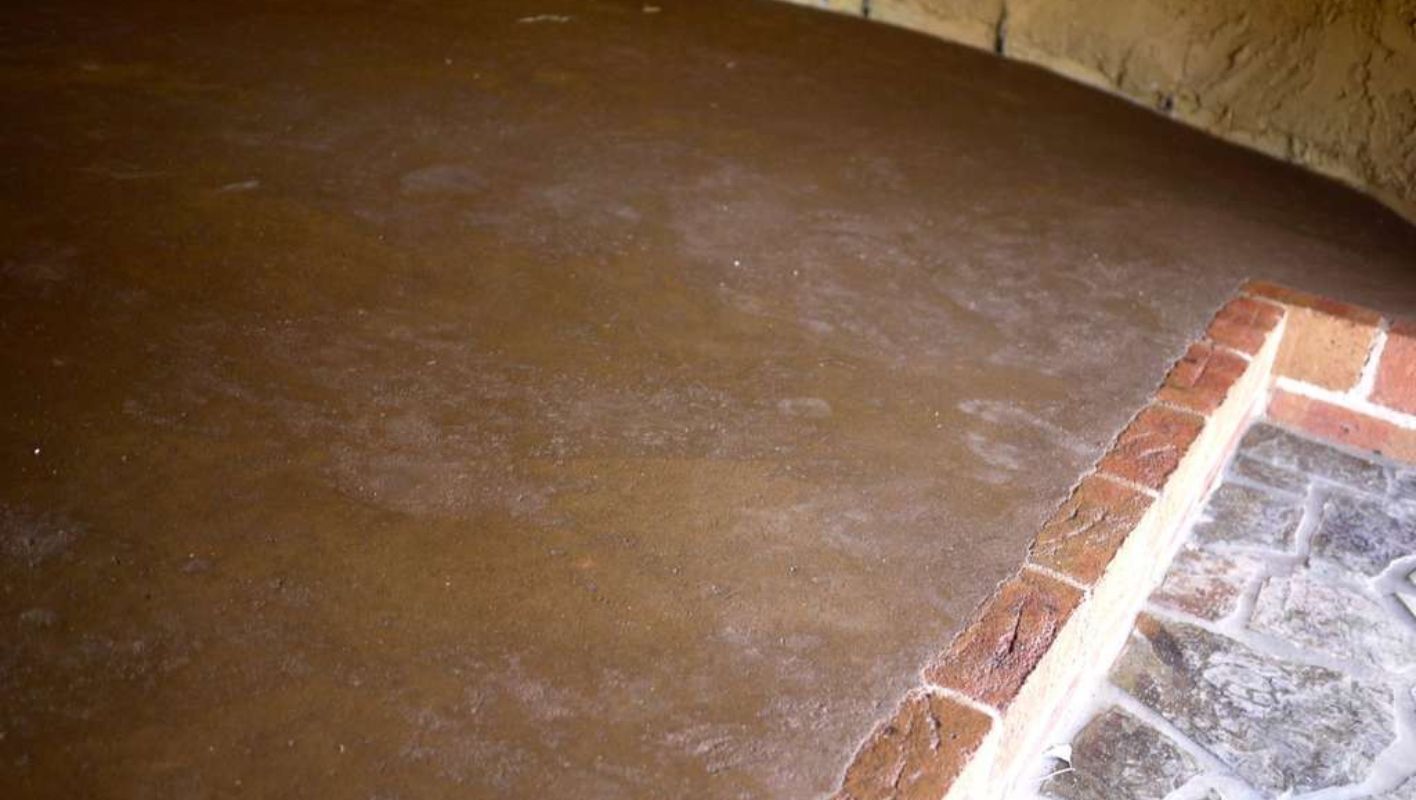
Earthen Floors
I once visited a friend who lived in a beautifully restored old farmhouse. The earthen floors were unforgettable—cool in summer and cozy in winter. Made from a blend of clay, sand, and fibers like straw, these floors excel at thermal insulation1. They’re typically finished with natural oils or waxes for a water-resistant surface.
| Pros | Cons |
|---|---|
| Eco-friendly | Requires regular maintenance |
| Cost-effective | May not be suitable for wet climates |
Clay Floors
Clay floors remind me of the pottery classes I took as a kid—the earthy smell, the feel of clay between my fingers. These floors, made primarily from clay mixed with aggregates like sand or gravel, are known for their durability and ability to stay cool even when temperatures rise. Their natural texture adds a unique touch to homes.
- Applications: Often used in sustainable buildings2 due to their low environmental impact.
- Considerations: Proper sealing is essential to prevent moisture damage.
Adobe Floors
The first time I saw an adobe floor was during a trip to New Mexico. The intricate play of sunlight on the adobe bricks made the room feel alive. Crafted from sun-dried clay blocks, adobe floors offer incredible thermal mass, which helps regulate indoor temperatures in both hot and cold climates.
| Feature | Benefit |
|---|---|
| High thermal mass | Reduces energy consumption |
| Aesthetic versatility | Complements rustic and modern styles |
Every type of mud floor has its special charm and utility, depending on your project needs3. Whether you’re drawn to sustainability, cost savings, or the earthy aesthetic, mud flooring offers versatile options for any home. Just remember to consider your local climate and how you plan to use the space before making your decision.
Earthen floors are ideal for wet climates.False
Earthen floors may not be suitable for wet climates due to moisture issues.
Adobe floors help reduce energy consumption.True
Adobe floors have high thermal mass, which helps maintain stable interior temperatures.
How Do Mud Floors Compare to Concrete and Brick Flooring?
Ever walked barefoot on a mud floor and wondered how it stacks up against concrete or brick? Let’s explore these flooring options together.
Mud floors are a sustainable and affordable choice compared to concrete and brick. They excel in eco-friendliness and insulation but may not match the durability of other materials. Consider your budget, climate, and project needs when deciding.
Sustainability and Environmental Impact
I remember the first time I stepped onto a mud floor—it felt like I was connecting with nature in my own home. Mud floors are celebrated for their eco-friendly4 attributes. Unlike the energy-intensive process of making concrete, mud is a natural material with a much smaller carbon footprint. Brick production, while less harmful than concrete, still demands significant energy resources. Mud floors are biodegradable and often locally sourced, which helps cut down on transportation emissions.
Thermal Insulation and Comfort
When summer hits, nothing beats the natural coolness of a mud floor. It’s like having nature’s air conditioner right under your feet. Mud floors provide superior thermal insulation, making them ideal for warmer climates. Concrete, while strong and reliable, can soak up heat, turning your space into an oven. Brick flooring offers some insulation but doesn’t quite match the cozy coolness that mud provides.
Durability and Maintenance
Now, if you’re someone who doesn’t mind a little extra care, mud floors can be a charming choice. Concrete reigns supreme in durability, making it perfect for high-traffic zones. Mud floors might wear out faster, especially if you live in a humid area, meaning you’ll need to reseal or compact them more often. Brick offers moderate durability and is easier to maintain than mud.
| Flooring Type | Durability | Maintenance Frequency | Environmental Impact |
|---|---|---|---|
| Mud | Low | High | Very Low |
| Concrete | High | Low | High |
| Brick | Medium | Medium | Medium |
Cost-Effectiveness
If you’re watching your budget, mud floors might just be the hero you didn’t know you needed. They’re often the most cost-effective due to low material costs and simple installation. Concrete is pricier because of its materials and complex installation process. Brick sits somewhere in the middle—more affordable than concrete but more expensive than mud.
Aesthetic Considerations
There’s something inherently cozy about the rustic appeal of mud floors—they can give any traditional or eco-friendly home a warm ambiance. Concrete can be transformed into virtually any design but might feel cold or industrial unless treated. Brick, with its classic look, fits well with various architectural styles but doesn’t offer the same level of customization as concrete.
For more insights on thermal insulation5 and flooring durability6, explore our additional resources to make an informed decision for your project.
Mud floors have the highest environmental impact.False
Mud floors have a very low environmental impact due to natural materials.
Concrete floors require less maintenance than mud floors.True
Concrete is durable, needing less frequent maintenance compared to mud.
What are the Environmental Benefits of Using Mud Floors?
I remember the first time I walked barefoot on a mud floor—it felt like a connection to the earth, grounding and serene.
Mud floors are eco-friendly because they use natural resources, need minimal processing, and have a low carbon footprint. Their thermal mass improves energy efficiency, and they’re biodegradable, minimizing environmental impact.
Natural Resource Utilization
When I think about the simplicity and beauty of mud floors, it’s like stepping back into a time when building materials came straight from the earth. Mud floors are crafted from elements like earth, clay, sand, and straw. These are not just abundant but also locally available materials7, which means we can cut down on transportation emissions—something that always makes me feel like I’m doing my bit for the planet. Using these natural materials helps us rely less on non-renewable resources, a win-win in my book.
Low Carbon Footprint
I’ve always been a fan of keeping things simple and efficient, and mud floors align perfectly with this philosophy. Their production doesn’t involve heavy machinery or excessive energy use, unlike concrete. Just think about how much we can reduce our carbon footprint by choosing mud over concrete—it’s not just a minor tweak but a major shift in how we impact the environment. Plus, without synthetic coatings or adhesives, we dodge those nasty chemical emissions during production.
| Material | Carbon Footprint (kg CO₂/m²) |
|---|---|
| Mud Floors | 10 |
| Concrete | 100 |
Thermal Mass Properties
One of the coolest features of mud floors is their thermal mass properties. Imagine a floor that absorbs heat during the day and releases it slowly at night—kind of like nature’s own thermostat. This natural regulation helps keep indoor temperatures comfortable without cranking up the AC or heater, making it an energy-efficient8 choice.
Biodegradability
What happens when a mud floor reaches the end of its life? It simply goes back to where it came from—the earth. I find it incredibly reassuring to know that unlike synthetic flooring options that end up as landfill waste, mud floors are fully biodegradable.
Health and Indoor Air Quality
I’ve always been sensitive to indoor air quality, which is why I appreciate that mud floors don’t emit VOCs (volatile organic compounds). They contribute to better indoor air quality and help maintain natural humidity levels, which can prevent mold growth and improve living conditions9 inside our homes.
Preservation of Traditional Techniques
Incorporating mud floors isn’t just about sustainability—it’s about embracing history. Every time I see a modern building with mud floors, it feels like we’re keeping traditional building techniques alive. This blend of past and present not only preserves cultural heritage but also offers practical, sustainable solutions for today’s construction needs.
Mud floors have a lower carbon footprint than concrete.True
Mud floors emit 10 kg CO₂/m², whereas concrete emits 100 kg CO₂/m².
Mud floors emit volatile organic compounds (VOCs).False
Mud floors do not emit VOCs, ensuring better indoor air quality.
Are Mud Floors Suitable for Modern Construction Projects?
When I first heard about mud floors in modern construction, I was skeptical. Could this ancient technique really make a comeback?
Mud floors are gaining traction in contemporary construction due to their eco-friendly nature and affordability. They naturally insulate, helping cut down on energy costs. However, their durability and vulnerability to water need careful consideration for large-scale projects.
The Environmental Appeal of Mud Floors
Imagine walking into a room and feeling the cool, earthy texture beneath your feet, knowing that you’re treading on one of the most sustainable10 flooring options available. Mud floors are crafted from natural materials like clay, sand, and straw, making them a darling in eco-friendly circles. This choice significantly slashes carbon emissions compared to traditional flooring options. I remember visiting a sustainable architecture expo where a designer spoke passionately about reducing our environmental footprint—mud floors were a hot topic!
| Feature | Mud Floors | Traditional Floors |
|---|---|---|
| Material Source | Natural and locally sourced | Industrially produced |
| Energy Consumption | Low | High |
| Recyclability | Fully recyclable | Limited |
Practical Considerations
Even though I love the green credentials of mud floors, they’re not without their hiccups. In damp climates, their susceptibility to water can be a real headache. I’ve heard stories from colleagues who tried mud flooring in humid areas only to face challenges. However, innovative sealing technologies are emerging, offering hope for overcoming these hurdles.
Cost-Effectiveness
One of my favorite aspects of mud floors is how budget-friendly they can be. They skip the heavy machinery and complicated manufacturing11 processes—perfect if you’re looking to keep costs in check. Although labor-intensive, they often save more in the long run. I’ve seen projects come in under budget thanks to these simple installations.
Aesthetic Versatility
There’s something timeless about the rustic charm of mud floors. Modern designs are taking advantage of this by adding pigments and patterns that fit various architectural styles. From cozy cottages to sleek urban lofts, these floors can adapt beautifully. I once toured a home where every room had its unique mud floor design—it was like walking through an art gallery.
- Color Options: Naturally available pigments allow customization.
- Texture Variety: Different mixtures can create unique textures.
For anyone prioritizing eco-friendly and cost-efficient solutions, mud floors are a compelling option worth considering. But before you dive in, it’s crucial to weigh your project’s environmental conditions and functional needs. Personally, if given the right circumstances, I’d love to see these earthy beauties more often in modern builds.
Mud floors are fully recyclable.True
Mud floors use natural materials like clay and straw, making them recyclable.
Mud floors require heavy machinery for installation.False
Installation of mud floors is labor-intensive but doesn't need heavy machinery.
Conclusion
Mud floors, made from compacted earth and natural fibers, offer an eco-friendly, cost-effective flooring option with excellent insulation and aesthetic appeal for various construction projects.
-
Discover how earthen floors contribute to energy efficiency with their natural insulation capabilities. ↩
-
Learn why clay floors are a favored choice for eco-conscious architects and builders. ↩
-
Understand key considerations when selecting the best mud flooring for your specific project. ↩
-
Discover how mud flooring compares to other eco-friendly options to find the best fit for your project. ↩
-
Learn which flooring materials offer superior thermal insulation for energy-efficient building design. ↩
-
Explore detailed comparisons of flooring durability to choose the best option for your needs. ↩
-
Exploring this link will provide insights into sourcing building materials locally, which supports sustainability and reduces environmental impact. ↩
-
Clicking this link offers a deeper understanding of how thermal mass can improve energy efficiency in buildings. ↩
-
Learn how natural building materials enhance indoor air quality by preventing VOC emissions and controlling humidity. ↩
-
Explore how mud floors contribute to sustainable building practices by using natural materials that reduce environmental impact. ↩
-
Learn about the simple manufacturing process of mud floors, highlighting their low-energy requirements and cost savings. ↩






