
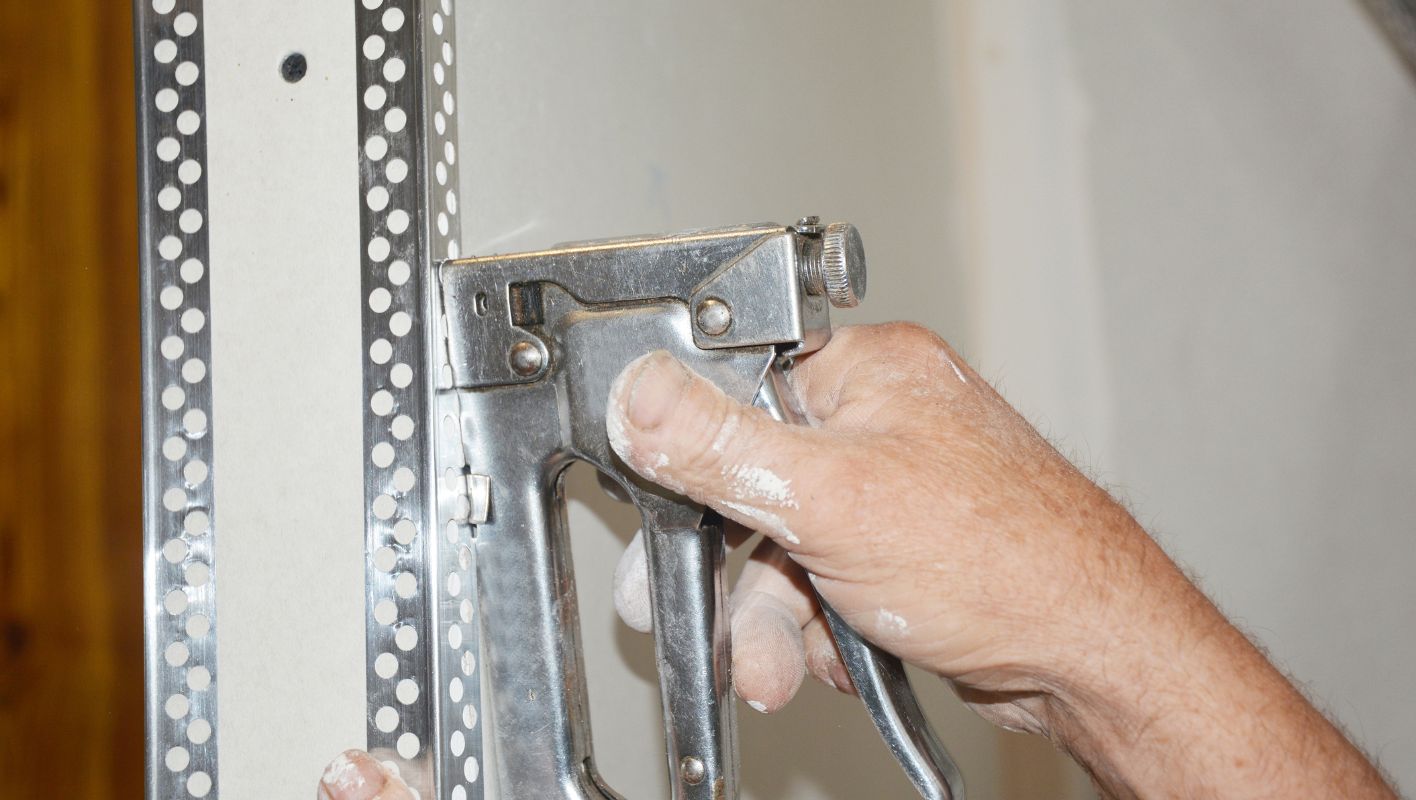
From the first time I held a corner bead to finishing my latest project, I’ve realized just how crucial this little piece of metal or vinyl truly is.
Corner bead is an essential material used in drywall installation to safeguard and refine the edges of walls and ceilings. It’s particularly applied to external corners, ensuring a sharp, polished appearance while protecting them from daily wear and tear.
When I first started working with drywall, I underestimated the significance of corner beads. But after seeing how they transform a room’s edges into neat, durable lines, I became a firm believer. Let’s explore the different types of corner beads out there, their specific uses, and how to select the perfect one for your project.
Plastic corner beads are more resistant to moisture than metal ones.True
Plastic corner beads resist moisture better, ideal for humid areas.
Corner beads are only used for internal corners.False
Corner beads are used for external corners to protect and finish edges.
How Do Different Types of Corner Beads Compare?
Hey there! Ever stared at a wall corner and thought about how different corner beads might change your life? Yeah, me too. Let’s dive into the world of corner beads and see which one suits your drywall dreams.
Corner beads vary in material, strength, and usage. Metal beads bring durability, vinyl offers adaptability, and paper-faced ensures a smooth look. Your choice should hinge on project needs and environmental conditions.
Material Composition and Durability
I’ve always been fascinated by how something as small as a corner bead can make such a big difference. I remember my first major drywall project; I was so focused on getting everything perfect that I overlooked the importance of corner beads. Until, of course, I learned the hard way when a toddler on a tricycle showed me just how unforgiving metal corner beads can be. They’re sturdy and resist dents, making them great for high-traffic areas. But beware of using them in moist areas since they can rust.
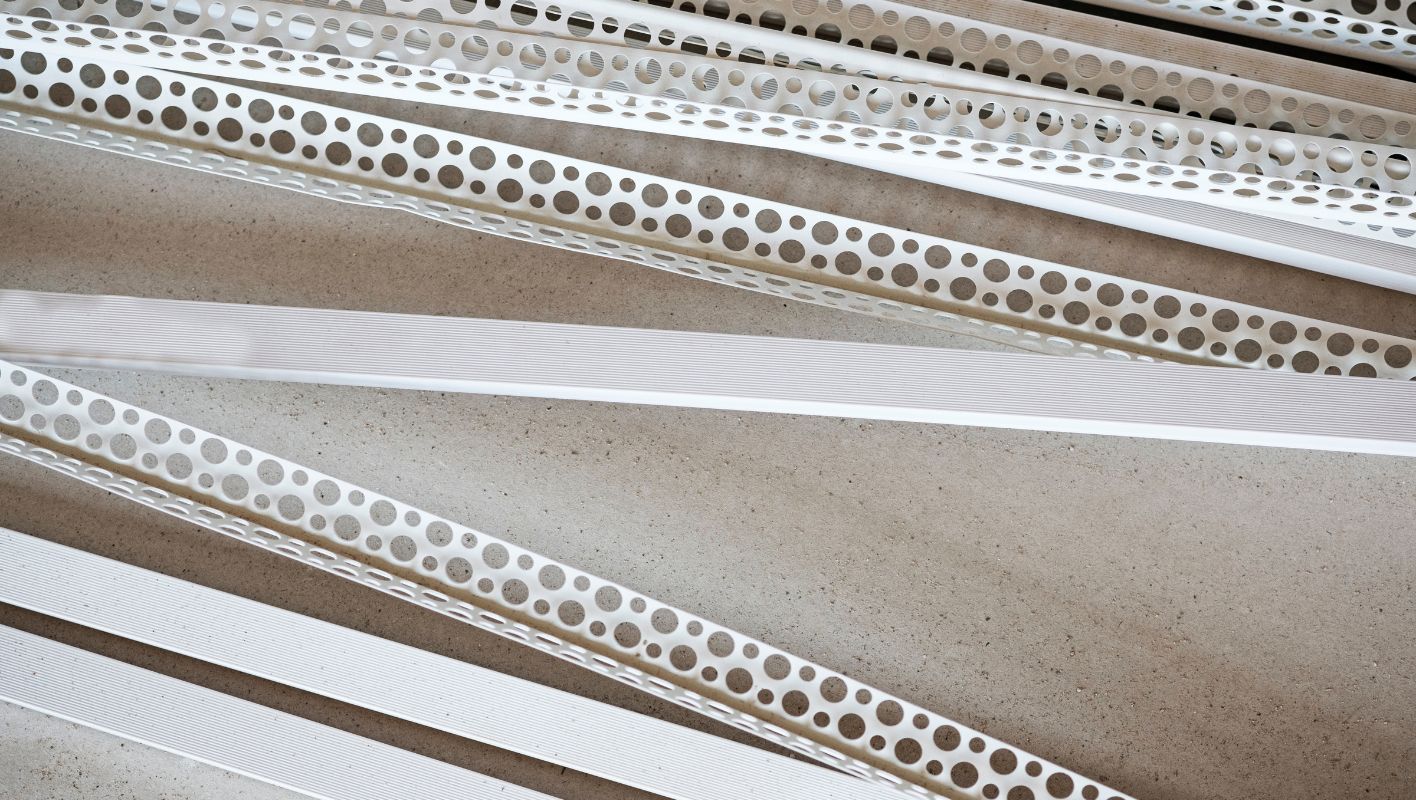
Then there’s vinyl corner beads. I had a moment of revelation when I was working on an irregular surface. Vinyl’s flexibility saved the day—it bends to fit all those tricky corners and curves. Plus, it’s rust-resistant, which makes it a reliable choice for humid environments.
And let’s not forget paper-faced corner beads. They give such a seamless finish, like spreading butter on toast. They blend effortlessly with drywall tape and compound, perfect for those who, like me, chase after that perfect finish. However, they might not be as tough as their metal or vinyl counterparts.
Installation and Ease of Use
When it comes to installing these little wonders, I’ve had my fair share of trials. Metal beads require precise nailing or screwing—it’s like threading a needle but with more sweat. On the other hand, vinyl and paper-faced beads are more forgiving. Vinyl cuts easily with scissors—no more wrestling with stubborn metal—saving precious time and frustration.
Paper-faced beads adhere smoothly with joint compound, making finishing a breeze. In large-scale projects where time is of the essence, their ease of installation is a game-changer.
Cost Considerations
| Type | Cost per unit | Installation cost | Durability |
|---|---|---|---|
| Metal | $$ | High | High |
| Vinyl | $ | Low | Moderate |
| Paper-faced | $$ | Moderate | Moderate |
It’s all about balance. Metal beads might dent your wallet upfront, but their durability could save you in the long run. Vinyl provides an affordable middle ground with decent durability. And paper-faced beads? They’re the sweet spot between cost and convenience.
Aesthetic Appeal
The aesthetic outcome is the icing on the cake in any project. Metal beads offer sharp, clean lines that scream modernity—ideal for contemporary designs. Vinyl can be shaped into profiles like bullnose for softer edges—a gentle touch in a world full of hard lines.
Paper-faced beads? They blend with any wall texture effortlessly, making them perfect for those seamless transitions we all crave. If you’re like me and want everything to look just right, check out the various profiles1 available to match your design vision.
Metal corner beads are rust-resistant.False
Metal corner beads can rust in moisture-rich environments, unlike vinyl.
Vinyl corner beads are ideal for curved walls.True
Vinyl's flexibility makes it perfect for irregular surfaces or curves.
Why is Corner Bead Installation Important?
Have you ever wondered why those sleek, sharp edges on your walls look so impeccable? It’s all thanks to corner bead installation.
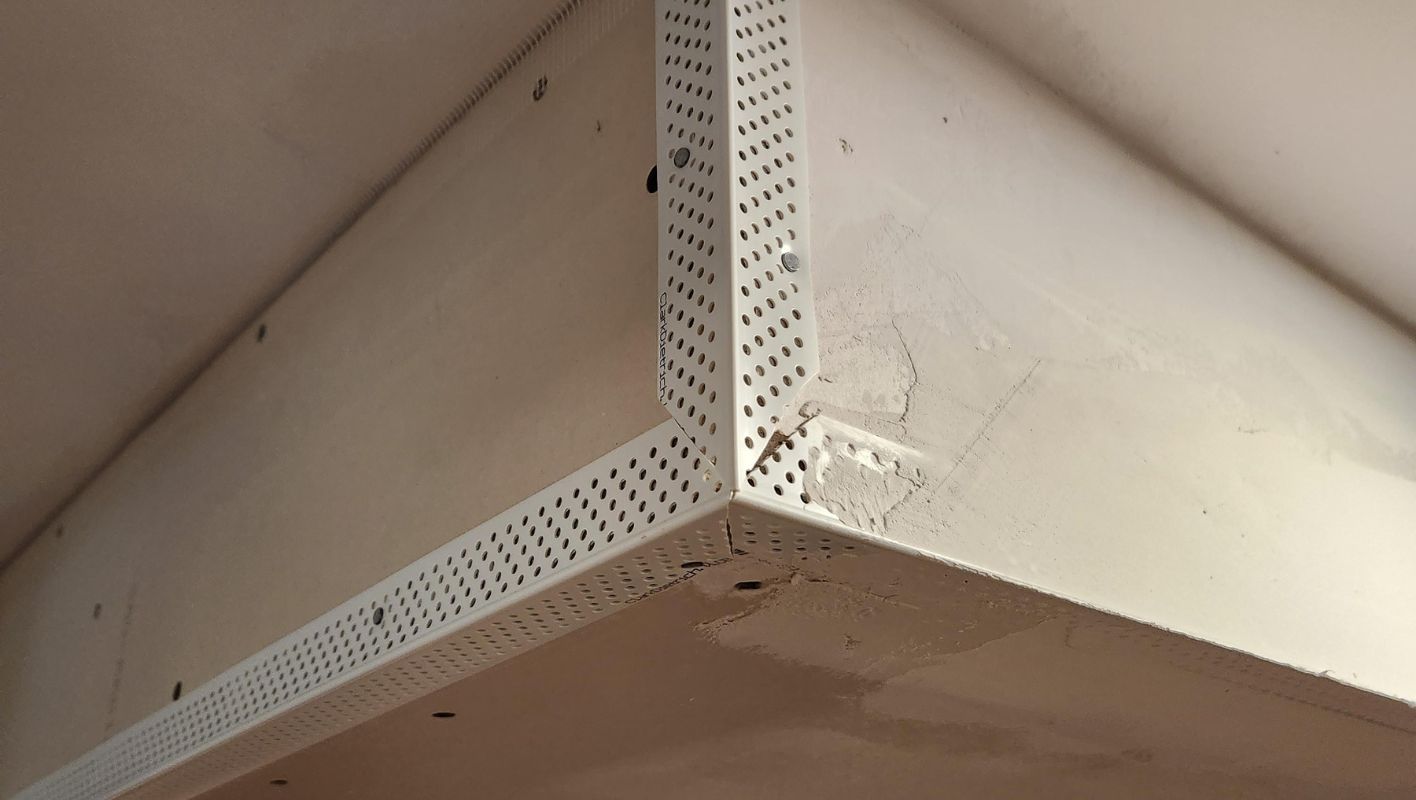
Corner bead installation is crucial for protecting drywall corners from damage and ensuring clean, sharp lines. It enhances both durability and aesthetic appeal, preventing the need for frequent repairs.
Enhancing Durability and Protection
I still remember the first time I had to fix a corner in my living room. It was a high-traffic area, and the constant bumps and knocks left it looking worn out. That’s when I learned about corner beads. They act like the unseen heroes of drywall, reinforcing edges to fend off daily wear and tear. Installing them saves you from future headaches and maintenance costs, keeping your walls looking pristine longer.
Corner beads are essential for reinforcing drywall edges, preventing wear and tear. By providing a robust barrier against impact, they help maintain the structural integrity of corners in high-traffic areas. This reduces maintenance costs over time and minimizes the need for frequent repairs2.
Achieving Aesthetic Excellence
When it comes to aesthetics, corner beads are magic wands. I love how they transform corners into clean, crisp lines, giving any room a polished, professional look. It’s like that satisfying feeling when you draw a perfect line with a ruler—everything just feels right. These beads keep corners sharp, which is crucial for a seamless visual flow in any space.
Aesthetically, corner beads create clean, crisp lines that enhance the visual appeal of any space. They ensure that corners remain sharp and well-defined, contributing to a professional finish that is both pleasing to the eye and functional3.
| Type of Corner Bead | Material | Use Case |
|---|---|---|
| Straight | Metal | General construction |
| Bullnose | Vinyl | Rounded corners |
| Arch | Paper-faced | Custom designs |
Facilitating Easy Installation
Whether you’re a seasoned pro or a DIY newbie like I once was, modern corner beads make installation a breeze. They’re available in various materials to suit your needs—metal for strength, vinyl for flexibility on those tricky curves. I found that having options makes all the difference when tackling different projects.
Modern corner beads are designed for ease of installation, catering to both professionals and DIY enthusiasts. They are available in various materials, each offering unique benefits. Metal beads are known for their strength, while vinyl options provide flexibility for curved surfaces4.
Supporting Sustainability Efforts
As someone who cares about the environment, I appreciate that many corner bead manufacturers are now embracing eco-friendly practices. They’re using recyclable materials and sustainable production methods, which aligns perfectly with my desire to make responsible building choices. This green shift not only benefits our planet but also meets the growing demand for environmentally conscious construction solutions.
Many corner bead manufacturers are now adopting eco-friendly processes. Recyclable materials and sustainable production methods are becoming standard, aligning with the growing demand for environmentally conscious building practices5. This shift not only benefits the planet but also appeals to clients seeking green building solutions.
Corner beads reduce maintenance costs over time.True
By reinforcing edges, corner beads minimize wear, lowering repair needs.
Vinyl corner beads are used for straight corners.False
Vinyl corner beads are typically used for rounded corners, not straight.
What Are the Best Practices for Installing Corner Beads?
Remember that feeling when your DIY project actually looks professional? Installing corner beads can give you that same satisfaction. Let me share how you can ace it!
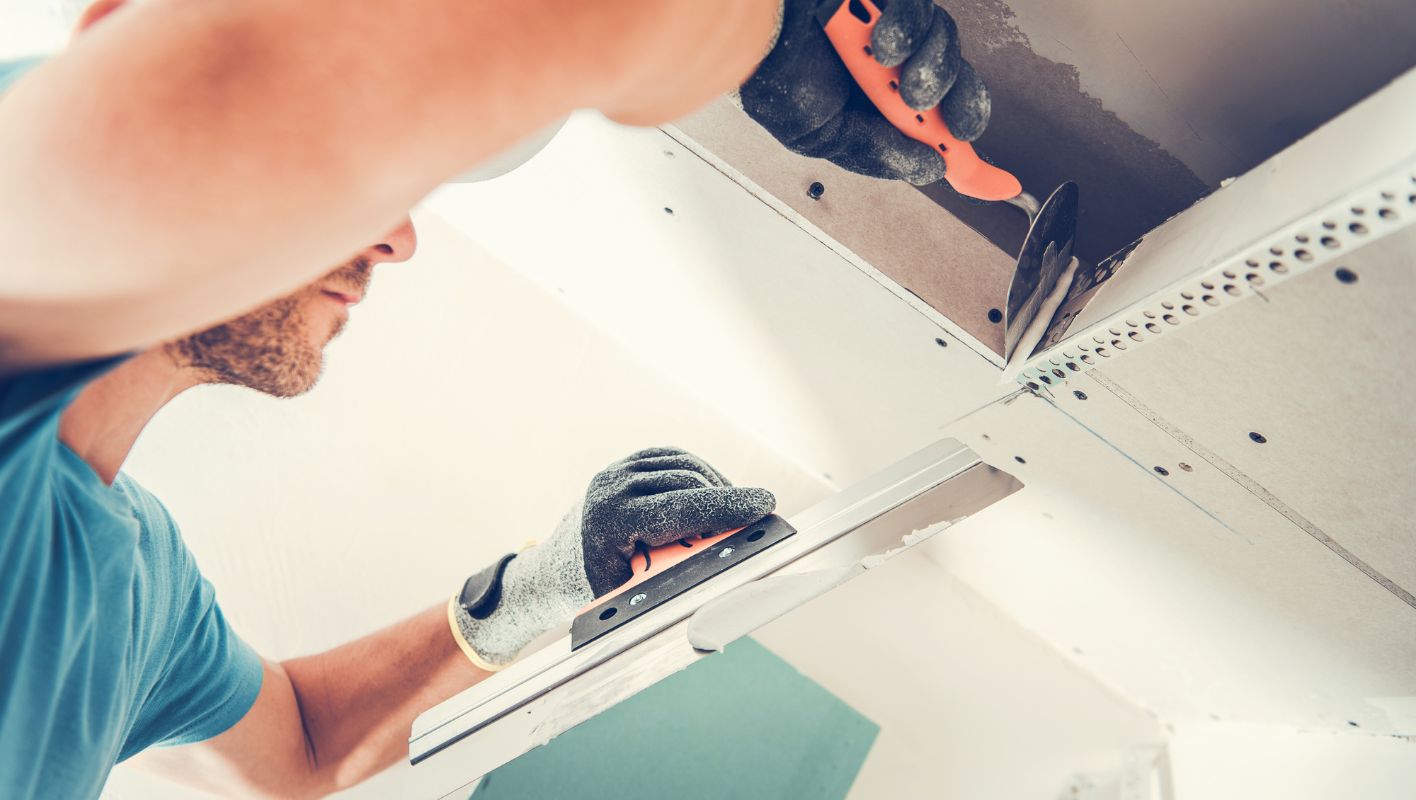
To install corner beads like a pro, pick the right material, measure and cut precisely, attach with care, and finish with joint compound. Every step matters for a lasting, smooth finish.
Selecting the Right Material
Choosing the right corner bead material is like picking the perfect tool for the job—it makes all the difference. When I first tackled drywall projects, I quickly learned that metal beads are fantastic for durability in high-traffic areas. But living in a humid region taught me to appreciate vinyl beads for their resistance to moisture and cracking. And those paper-faced beads? They’re a godsend for easy mud application, making my life so much simpler when I was just starting out.
- Metal: Perfect for places that see a lot of action.
- Vinyl: A must-have in bathrooms or basements.
- Paper-faced: Ideal when you’re still getting the hang of things.
Precise Measurement and Cutting
I can’t stress enough how crucial precise measurement is. Imagine spending all that time preparing your walls only to find out your corner bead doesn’t fit! On one of my first big jobs, I learned this the hard way after a miscalculation led to wasted material and time. Now, whether I’m using a miter saw for metal and vinyl or tin snips for metals, I ensure every cut is spot on.
| Tool | Material Type |
|---|---|
| Miter Saw | Metal, Vinyl |
| Tin Snips | Metal |
| Utility Knife | Paper-faced |
Applying Adhesive or Fasteners
The method of securing your corner bead can make or break the finish. I remember being perplexed about whether to use nails or screws for metal beads. A seasoned pro advised me to stick with nails for a secure hold. For vinyl and paper-faced beads, adhesive and staples became my go-to after I realized how much cleaner the final result looked.
- Metal Beads: Nails or screws work best.
- Vinyl Beads: Adhesives keep it neat.
- Paper-faced Beads: Staples speed things up.
Finishing with Joint Compound
Ah, joint compound—it’s where everything comes together. There’s something oddly satisfying about smoothing out that first layer over the bead edges. I once rushed the drying time and ended up redoing the entire section. Now, I patiently sand between layers and apply a final coat, relishing the transformation from raw to polished.
- Apply First Layer: Cover bead edges thoroughly.
- Sand Gently: Once dry, sand it down smoothly.
- Apply Final Coat: Use a light touch for that finishing layer.
Avoiding Common Mistakes6
Mistakes happen, but they’re also how we learn. My early errors included not aligning beads properly or rushing through drying times—talk about frustrating! Now, I double-check alignment and ensure each layer dries completely before moving on. It’s all about patience and precision.
For more detailed guidance on corner bead installation techniques7, delve into professional tutorials and resources. They offer invaluable insights into advanced methods and troubleshooting tips that have saved my projects time and again.
Metal corner beads are best for moisture-prone areas.False
Vinyl corner beads, not metal, are ideal for moisture-prone environments.
A utility knife is used to cut paper-faced corner beads.True
Utility knives are suitable for cutting paper-faced corner beads accurately.
How Do You Choose the Right Corner Bead for Your Project?
Remember that time you tried to finish a drywall project and realized how crucial corner beads were? Picking the right one isn’t just about aesthetics; it’s about functionality and durability, too.
Choosing the right corner bead involves considering the environment, durability, and aesthetic needs of your project. Metal beads offer strength, vinyl provides flexibility, and paper-faced ones ensure easy finishing.
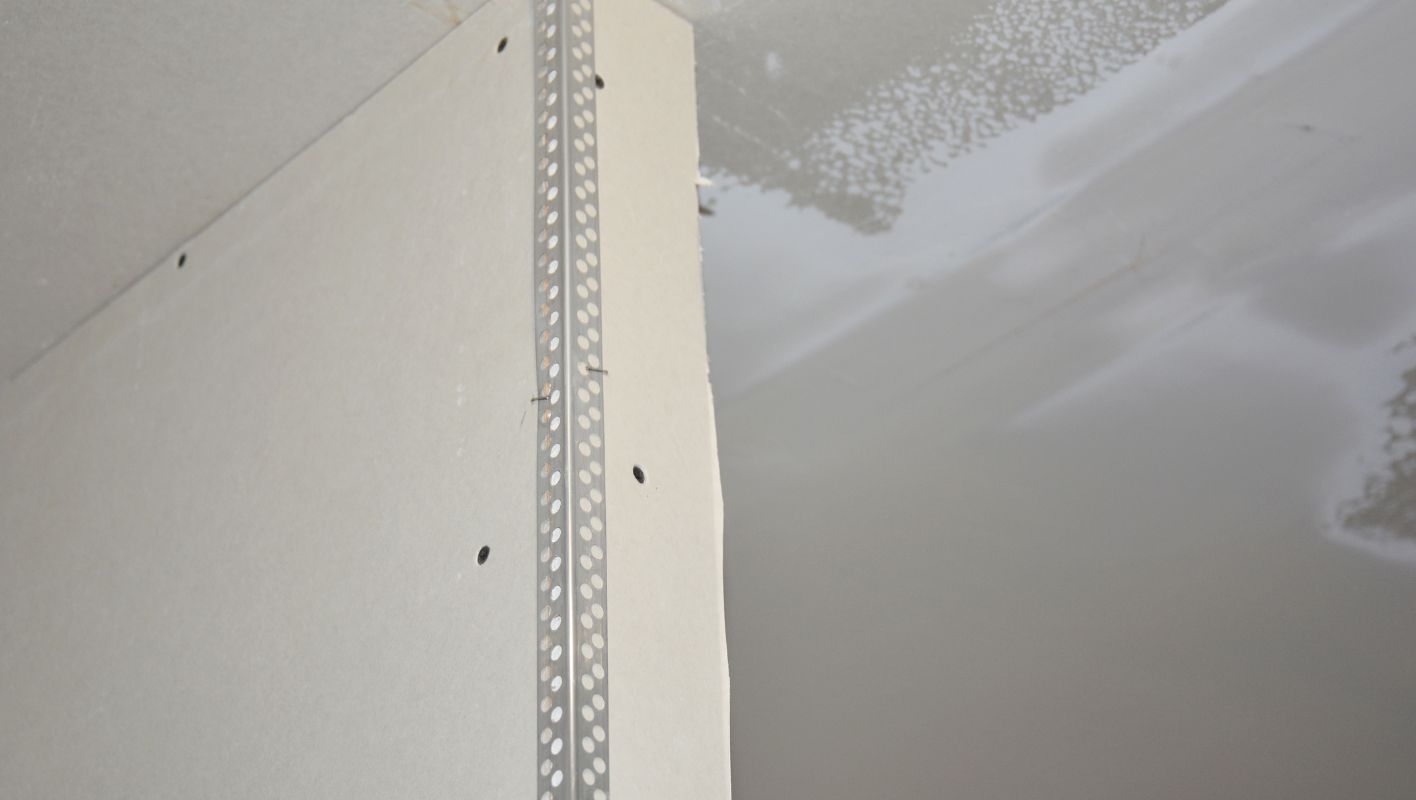
Understanding Different Types of Corner Beads
I remember my first big drywall project vividly; it was a whirlwind of choices and discoveries. Corner beads were one of those pivotal decisions. Each material has its unique strengths.
Metal corner beads stood out to me for their incredible strength and resilience—perfect for those high-traffic areas where every bump could lead to a dent.
On the flip side, vinyl corner beads caught my attention for their flexibility and resistance to rust and moisture. They’re ideal if you’re working in a damp environment, like a basement renovation I once tackled. Plus, they’re lightweight, making the installation process much smoother.
Then there are the paper-faced corner beads, which blend seamlessly into drywall surfaces. They’re great for achieving a smooth finish without the worry of cracks sneaking up on you later.
| Type | Pros | Cons |
|---|---|---|
| Metal | Strong, Durable, Sharp Edges | Prone to rust if exposed to moisture |
| Vinyl | Flexible, Rust-resistant | Less rigid than metal |
| Paper-faced | Seamless blending, Reduced cracking | Less durable without a proper coat |
Matching the Right Bead to Your Needs
As I went deeper into selecting the right bead, I realized it’s all about the specifics of your project. For those industrial settings where durability is non-negotiable, metal beads8 are the way to go. But in my home, where aesthetics mattered more, I found myself leaning towards bullnose profiles—they really soften the space and give it a welcoming vibe.
Installation Considerations
The ease of installation was another factor I couldn’t overlook. Paper-faced corner beads quickly became my favorite—they’re a dream for DIY projects because you can apply them with joint compound rather than fussing with nails or screws. No more worrying about damaging the bead during installation!
And if your project calls for some creative flair, like custom installations, advanced designs9 with adjustable features are available to suit any unique shapes and angles you might encounter.
Sustainability and Innovation in Materials
Sustainability is something I’ve grown to appreciate in recent years. Many manufacturers now focus on eco-friendly materials that not only reduce waste but also leave a smaller carbon footprint. Seeking out suppliers who prioritize sustainable manufacturing processes10 makes a real difference—not just for your project but for the planet.
With innovations like rust-resistant coatings and enhanced vinyl formulations, corner beads today offer improved longevity and performance even in challenging environments.
Choosing the right corner bead is about more than just practicality or design aesthetics; it’s about ensuring your drywall project stands the test of time while reflecting your personal touch.
Metal corner beads are rust-resistant.False
Metal corner beads are strong but prone to rust if exposed to moisture.
Vinyl corner beads are ideal for humid environments.True
Vinyl is resistant to rust and moisture, making it perfect for humid areas.
Conclusion
Corner bead is essential for drywall installation, providing durability and aesthetic appeal to wall corners. Different materials like metal, vinyl, and paper-faced cater to various project needs.
-
Explore the variety of corner bead profiles to enhance the aesthetic appeal of your drywall projects. ↩
-
Discover how corner beads protect drywall from impact and reduce the need for repairs. ↩
-
Explore how corner beads contribute to sharp, clean lines and a polished look. ↩
-
Learn about the flexibility and advantages of using vinyl corner beads in curved installations. ↩
-
Find out how corner bead manufacturers are adopting eco-friendly production methods. ↩
-
Discover typical pitfalls in corner bead installation to avoid costly errors and improve your finish. ↩
-
Explore advanced techniques to refine your corner bead installation skills and achieve a flawless drywall finish. ↩
-
Understand how metal corner beads provide unmatched durability and protection in high-traffic areas. ↩
-
Explore innovative flexible corner bead designs that adapt to unique shapes for tailored installations. ↩
-
Learn about sustainable practices in manufacturing that reduce environmental impact in construction material production. ↩






