
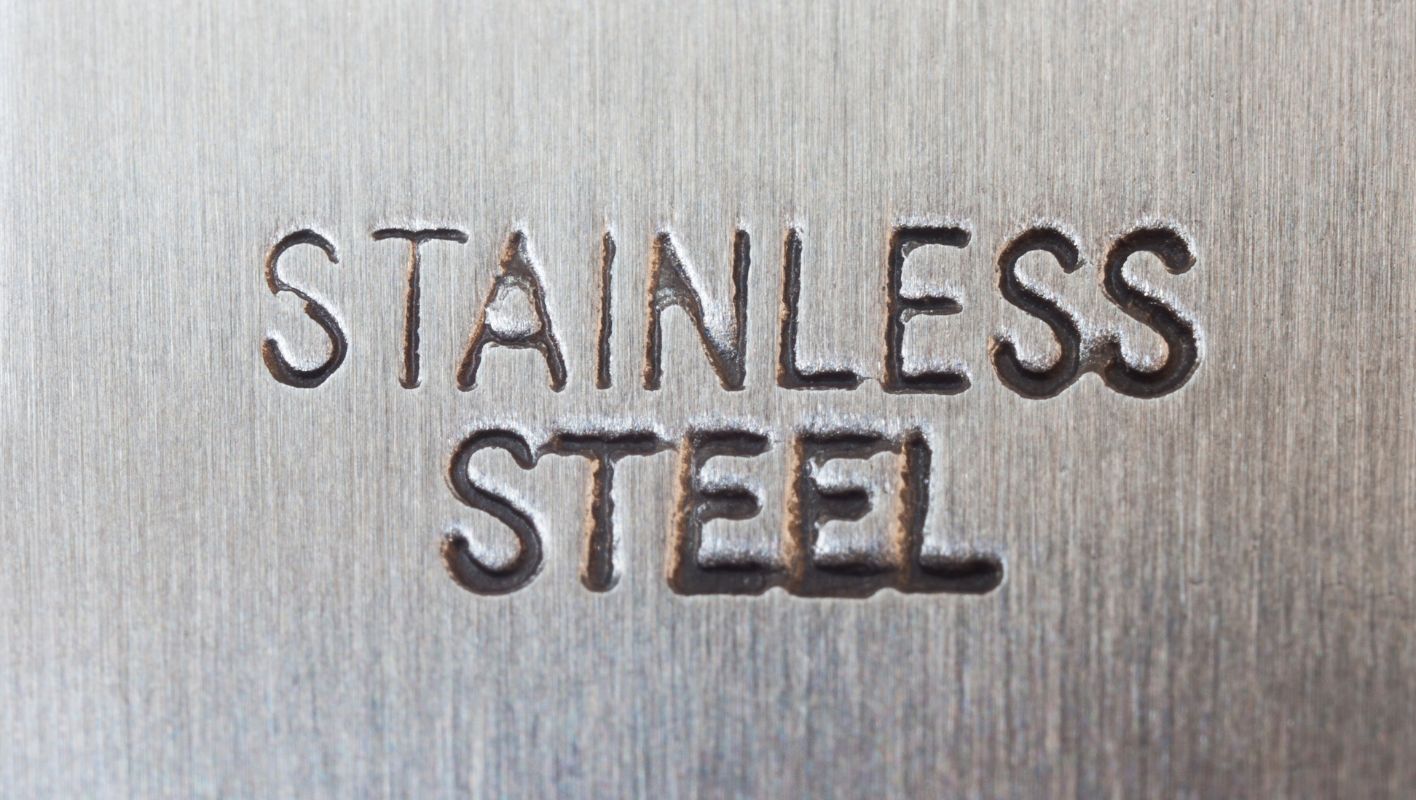
Have you ever found yourself wondering if stainless steel could stick to a magnet? I sure did!
Stainless steel can be magnetic or not, depending on its microstructure. Ferritic and martensitic types are usually magnetic, while austenitic ones aren’t. It all boils down to the iron content and how the atoms are arranged, which influences the material’s magnetic properties.
Understanding the magnetic traits of stainless steel is key when you’re picking materials for specific tasks. I remember when I was knee-deep in choosing metals for a kitchen renovation project and realized the importance of these properties. In this piece, we’ll explore what makes some stainless steels magnetic and others not, so you can make smart choices for your own projects.
All stainless steel is magnetic.False
Stainless steel's magnetism varies; austenitic types are non-magnetic.
Ferritic stainless steel is generally magnetic.True
Ferritic stainless steel contains iron, making it typically magnetic.
Why Are Some Stainless Steels Magnetic While Others Aren’t?
Ever noticed how some stainless steel magnets stick like glue, while others refuse to budge? Let’s unravel this mystery together!
Stainless steel’s magnetism boils down to its crystalline structure. Ferritic types, like 430, have a body-centered cubic structure with iron, making them magnetic. Meanwhile, austenitic steels, such as 304 and 316, feature a face-centered cubic structure that renders them non-magnetic.
Understanding the Crystalline Structures
I remember when I first encountered this curious case of magnetic versus non-magnetic stainless steel during a construction project. It was baffling until I delved into the science behind it. The secret lies in their crystalline structures1.
There are three main types of stainless steel structures: austenitic, ferritic, and martensitic. Each has a unique atomic arrangement influencing its magnetic behavior.
- Austenitic: These are the non-magnetic ones, like grades 304 and 316. Their face-centered cubic (FCC) structure provides flexibility and is stabilized by nickel.
- Ferritic: These are magnetic due to their body-centered cubic (BCC) structure. Grade 430 fits here, offering decent corrosion resistance and often being more affordable.
- Martensitic: Known for hardness and sometimes magnetic, these are used in cutlery and tools.
Influence of Composition
I’ve learned that composition is key in determining whether stainless steel will cling to a magnet or not. Nickel and carbon levels are particularly crucial.
| Element | Influence |
|---|---|
| Nickel | Stabilizes FCC structure, reducing magnetism in austenitic steels. |
| Carbon | Increases hardness and strength, can influence martensitic properties. |
Practical Applications
This knowledge isn’t just theoretical; it’s incredibly practical. For instance, I once had to choose between magnetic and non-magnetic stainless steels for a project involving appliances with magnetic latches. Understanding these properties helped immensely.
- Construction: When magnetic properties are needed in structures, ferritic steels are the go-to choice. Meanwhile, austenitic steels work best where non-magnetic materials are essential.
- Manufacturing: Magnetic detection systems in factories often use ferritic steels to ensure product consistency.
Grasping these distinctions has profoundly impacted my procurement decisions—especially when managing large-scale projects where diverse material specifications are at play. It’s fascinating how such technical details can make a world of difference in the field.
Austenitic stainless steels are non-magnetic.True
Austenitic steels have a face-centered cubic structure stabilized by nickel.
Nickel increases magnetism in stainless steel.False
Nickel stabilizes the FCC structure, reducing magnetism in austenitic steels.
How Do Different Grades of Stainless Steel Compare?
Ever wondered why certain stainless steel grades are chosen over others? Let me take you through the maze of grades, sharing what I’ve learned along the way.
Different grades of stainless steel, like 304 and 316, offer varying levels of corrosion resistance and mechanical properties due to differences in their composition. Austenitic grades are known for their excellent resistance to rust, while ferritic and martensitic grades bring unique strengths for specialized uses.
Key Differences Between Stainless Steel Grades
Understanding stainless steel has been a journey for me, much like piecing together a puzzle with each grade offering its unique piece. The composition2 defines everything from its cost to its corrosion resistance. Austenitic grades, like the ever-popular 304 and 316, are your go-to for high corrosion resistance thanks to their higher nickel and chromium content. On the other hand, ferritic grades such as 430 are more budget-friendly but slightly compromise on rust resistance.
| Grade | Type | Corrosion Resistance | Cost |
|---|---|---|---|
| 304 | Austenitic | High | Moderate |
| 316 | Austenitic | Very High | Higher |
| 430 | Ferritic | Moderate | Lower |
| 410 | Martensitic | Moderate | Moderate |
Mechanical Properties and Applications
My fascination with stainless steel deepened when I discovered how versatile it is across different applications. Take austenitic stainless steels3, for example—they’re not only rust-resistant but also impressively formable and weldable. This makes them perfect for kitchen equipment, something I’ve come to appreciate after numerous projects involving chemical processing setups.
Ferritic steels have their charm too; their good ductility makes them ideal for things like automotive trim. And let’s not forget martensitic grades like 410, which can be heat-treated for incredible strength and hardness—qualities that make them indispensable in crafting cutlery or surgical instruments.
Special Considerations
Selecting the right grade often brings me back to considering the environment where it’ll be used. In places drenched in chlorides4—like coastal regions or around swimming pools—grade 316 stands out due to its robust chloride corrosion resistance. And when aesthetics matter, austenitic grades offer a polished finish that can’t be beaten.
Navigating these differences allows me to make informed decisions that align with performance needs without blowing the budget or delaying project timelines. It’s this understanding that ensures I’m always choosing the right material for the job at hand.
Grade 316 has the highest corrosion resistance.True
Grade 316 is known for its very high corrosion resistance due to its composition.
Ferritic grades contain more nickel than austenitic.False
Ferritic grades have lower nickel content compared to austenitic grades.
Why Does Magnetism Matter in Stainless Steel Applications?
Ever wondered how magnetism dances with stainless steel in everyday applications? It’s more influential than you’d think!
Magnetism in stainless steel affects its performance in welding, fabrication, and magnetic environments, with varying grades exhibiting unique magnetic properties that influence their application.
The Basics of Stainless Steel Magnetism
Let me take you back to when I first learned about the magnetism of stainless steel. I was working on a project where choosing the right type of metal was critical. Stainless steel, in all its shiny glory, can be a bit of a chameleon when it comes to magnetism. Did you know that it’s not just one type of material but several, each with its own magnetic personality? There’s austenitic5, ferritic, martensitic, and duplex stainless steels, each behaving differently around magnets.
I remember when we needed non-magnetic steel for an MRI room in a hospital. Austenitic stainless steels like 304 and 316 were perfect because of their non-magnetic properties. On the flip side, ferritic and martensitic grades are magnetic—something to keep in mind if you’re dealing with magnetic fields.
Table: Magnetic Properties of Common Stainless Steel Grades
| Stainless Steel Grade | Type | Magnetic Property |
|---|---|---|
| 304 | Austenitic | Non-magnetic |
| 316 | Austenitic | Slightly magnetic |
| 430 | Ferritic | Magnetic |
| 410 | Martensitic | Magnetic |
Implications for Material Selection
The choice of stainless steel isn’t just about looks or corrosion resistance. It’s like choosing the right tool for the job—each one has its strengths and quirks. In a previous role, I had to select materials for a project that needed to avoid magnetic interference at all costs. Austenitic grades6 were the hero of the day! But for heavy-duty tasks where strength and durability were key, ferritic or martensitic steels stepped up beautifully.
Impact on Welding and Fabrication
Ah, welding! One of those areas where magnetism can sneak up and surprise you. I’ve been there—struggling with arc blow during a critical welding job because I didn’t factor in the steel’s magnetic properties. It taught me to always consider these factors upfront to avoid any hiccups down the line.
Magnetism influences welding processes as high magnetic permeability can lead to issues such as arc blow. Understanding these properties can help in choosing suitable grades and fabrication techniques7 to mitigate potential problems.
Real-World Applications
Think about construction sites or bustling hospital corridors; the magnetic nature8 of stainless steel guides where and how it’s used. I’ve seen non-magnetic stainless steels in action at hospitals, ensuring medical instruments work flawlessly without interference.
Understanding these magnetic nuances is crucial for professionals like James, who need to balance industry standards with practical performance in critical applications9. Whether it’s ensuring safety in healthcare or supporting robust infrastructure projects, grasping the interplay between magnetism and stainless steel can make all the difference.
Austenitic stainless steel is always non-magnetic.False
Austenitic grades like 316 can be slightly magnetic due to cold working.
Ferritic stainless steel is magnetic.True
Ferritic grades, such as 430, have a magnetic crystal structure.
Can You Change the Magnetic Properties of Stainless Steel?
Have you ever wondered if you could tweak the magnetism of stainless steel like a science experiment gone right?
Absolutely, you can alter the magnetism of stainless steel. By using methods like cold working and heat treatment, you can modify its magnetic properties, making it more suitable for various industrial needs.
Understanding Stainless Steel Magnetism
Imagine the first time I encountered stainless steel’s magnetism—or lack thereof. I was in a bustling factory, surrounded by sparks and noise, and there it was—stainless steel, defying my magnet’s pull. Stainless steel is celebrated for its anti-rust charm and durability. However, not all types flex their magnetic muscles equally. Take 304-grade stainless steel, for instance; it’s typically non-magnetic but can surprise you by becoming magnetic after certain treatments. This transformation is mainly due to internal structure changes10 that occur during processing.
Methods to Alter Magnetism
I remember a project where we needed stainless steel with just the right magnetic touch.
- Cold Working: Think of this as giving the metal a workout session at room temperature. Bending and shaping it can enhance the magnetism of even the most non-magnetic steels like 304. It’s like sculpting clay but with microstructural shifts that boost magnetic properties.
- Heat Treatment: This is where things get hot. By annealing or quenching the metal, you’re playing with its structure—and its magnetism changes accordingly.
| Process | Effect on Magnetism |
|---|---|
| Cold Working | Increases magnetism by altering microstructure |
| Heat Treatment | Can increase or decrease magnetism |
Practical Applications
Understanding how to tweak the magnetism of stainless steel is a game-changer in industries where every detail counts. Magnetic stainless steels are prized in certain manufacturing processes11 where magnetic separation is essential. On the flip side, non-magnetic variants shine in environments where electronic interference is unwelcome.
Real-World Considerations
Picking the right stainless steel for your project isn’t just about magnetism; it’s like piecing together a puzzle where each piece must fit perfectly. For me—and maybe for you too—factors such as processing methods, environmental conditions, and specific end-use scenarios are crucial.
Take James, a procurement manager I once worked with. For him, it was all about ensuring the chosen stainless steel met both functional and compliance standards. Collaborating with suppliers who offered insights into these processes made all the difference.
Further Exploration
If you’re as intrigued as I was during my early days in the industry, consider diving into detailed studies12 about how different grades of stainless steel respond to various processing techniques. This knowledge isn’t just fascinating—it could be pivotal in optimizing material choices for your construction or manufacturing endeavors.
304 stainless steel is always non-magnetic.False
304-grade stainless steel can become magnetic after cold working.
Cold working increases the magnetism of stainless steel.True
Deforming the metal alters its microstructure, enhancing magnetism.
Conclusion
Stainless steel’s magnetism varies by type: ferritic and martensitic are magnetic, while austenitic is typically non-magnetic. Understanding these properties aids in material selection for various applications.
-
Explore how different atomic arrangements impact the magnetism of stainless steel. ↩
-
Understanding composition differences helps you choose the right stainless steel for corrosion resistance and mechanical properties. ↩
-
Explore the uses of austenitic stainless steels to see why they’re favored in numerous industrial applications. ↩
-
Learn why some stainless steel grades excel in chloride-rich environments to prevent costly corrosion issues. ↩
-
Explore how austenitic stainless steels like 304 and 316 differ in magnetic properties and their applications. ↩
-
Discover which stainless steel grades are best suited for construction projects to ensure optimal performance. ↩
-
Learn about effective welding techniques that address challenges posed by the magnetic properties of stainless steel. ↩
-
Understand how magnetic properties influence material selection across different industries. ↩
-
Find information on industry standards ensuring the right choice of stainless steel for specific uses. ↩
-
Cold working alters microstructures, enhancing magnetism. This link explains how it impacts stainless steel’s magnetic properties. ↩
-
Discover where magnetic stainless steels are used, highlighting their importance in manufacturing and industrial processes. ↩
-
Gain insights from studies about modifying 304 stainless steel’s magnetism through heat treatment and cold working. ↩






