
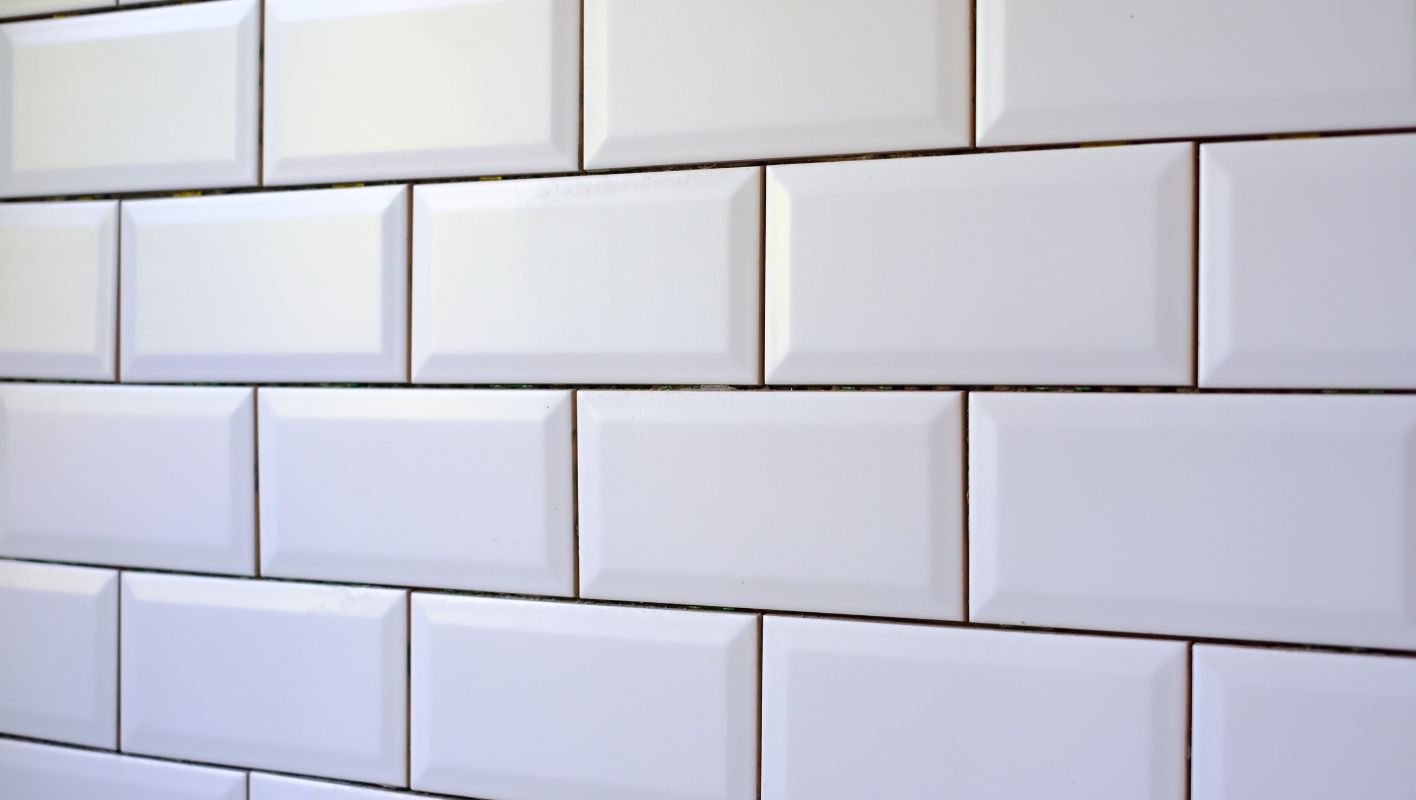
Have you ever imagined the sleek elegance of a tile surface without those pesky grout lines interrupting the flow?
Yes, you can tile without grout using edge-to-edge tiles that fit together snugly. However, it’s crucial to consider movement, hygiene, and aesthetic factors. Interlocking tiles or specialized adhesives can support groutless installations when designed properly.
The allure of groutless tile installations is undeniable—just picture a seamless surface that feels almost magical to the touch. But as with any innovation, there are hurdles to clear. I remember when I first encountered this concept on a project; it seemed like a dream solution for a client who despised cleaning grout lines. Yet, it required meticulous planning and the right materials to ensure longevity and hygiene. In the following sections, I’ll share some practical insights and expert tips I’ve gathered over the years to help you achieve a stunning and durable groutless tile installation.
Interlocking tiles can support groutless installations.True
Interlocking designs allow tiles to fit snugly, reducing the need for grout.
Groutless tile installations eliminate all maintenance needs.False
Groutless tiles reduce maintenance but still require cleaning and upkeep.
What Are the Benefits of Groutless Tile Installation?
Imagine never scrubbing grout lines again! Groutless tiles might just be the answer for a sleek, low-maintenance look.
Groutless tile installation offers a seamless appearance, reduces maintenance, and enhances durability. It’s an ideal choice for those seeking a modern aesthetic and easier cleaning in kitchens and bathrooms.
Aesthetic Appeal
I remember walking into a friend’s newly renovated kitchen and being struck by the seamless beauty of their groutless tiles. The absence of grout lines gave the space an uninterrupted, modern flow that felt both expansive and sophisticated. If you’re like me, drawn to contemporary designs1 and minimalist aesthetics, groutless tiles offer an unmatched visual appeal, especially in open-concept spaces where continuity is key.
Maintenance Benefits
Now, let’s talk about cleaning. As someone who’s spent countless weekends scrubbing discolored grout lines, I can’t stress enough how liberating it feels to switch to groutless tiles. With these, maintenance is practically a breeze—no more battles with stubborn dirt or mildew in hard-to-reach places. Instead, a simple wipe-down keeps everything looking pristine, making it perfect for busy areas like kitchens and bathrooms.
| Traditional Grout | Groutless Tiles |
|---|---|
| Requires sealing | No sealing needed |
| Can crack or stain | Crack-resistant |
| Regular scrubbing | Easy wipe cleaning |
Enhanced Durability
I’ve also noticed that groutless installations often use larger or interlocking tiles, which add a layer of durability that traditional setups can’t match. These tiles resist cracking from pressure or temperature shifts2—ideal for high-traffic zones. When I renovated my own bathroom, choosing groutless meant less worry about wear and tear over time.
Considerations for Installation
While groutless tiles bring plenty of benefits, getting them right requires some thought. I learned the hard way that professional installation is crucial to avoid alignment issues or uneven surfaces. Plus, not all tiles are designed for groutless use3, so selecting the right materials is essential to ensure they meet your design and durability needs.
Groutless tiles require less maintenance than traditional tiles.True
Without grout lines, there are fewer places for dirt to settle.
All tiles can be installed without grout lines.False
Not all tiles are designed for groutless installation; material matters.
What Are the Downsides of Tiling Without Grout?
Ever thought about skipping grout when laying tiles? It might look sleek, but it could open a can of worms!
Tiling without grout might seem appealing for its clean look, but it can cause issues like moisture seepage, tile movement, and more frequent maintenance. Proper installation is key to avoiding these problems.
The Role of Grout in Tile Installation
Ah, grout. It’s one of those things you might not appreciate until it’s missing. Imagine this: I once decided to try a grout-free tile layout in my bathroom because I loved the seamless look I saw in a design magazine. What I didn’t realize was just how much work grout actually does. It’s like the unsung hero, preventing water from sneaking under the tiles and keeping everything nice and snug. Without it, I found myself dealing with tiles that shifted more than I liked and even chipped a few because there was no buffer to protect their edges.
Potential Moisture Issues
Let me tell you, moisture can be a real menace. I learned this the hard way when a small gap in my groutless tiles led to water seeping through to the subfloor. The result? Mold—and trust me, dealing with mold is no picnic. If you’re thinking of going groutless, especially in places like the bathroom or kitchen, make sure you’ve got a top-notch waterproof membrane beneath those tiles. It’s a lifesaver in humid environments.
Durability and Maintenance Challenges
Without grout, tiles are kind of like kids without a babysitter—they can get into trouble. When my tiles started to move and crack slightly, it became clear that regular check-ins and quick fixes were part of the package. To make it work, you might want to look into tiles with interlocking designs that help keep everything steady, even without grout.
Regular inspections and prompt repairs are essential to maintain the integrity of a groutless tiled surface. Consider using maintenance4 strategies that address these challenges effectively.
Aesthetic Considerations
I’ll admit, there’s something undeniably chic about groutless tiles. They create this modern, uninterrupted surface that’s just gorgeous. But here’s the catch—any tiny flaw becomes way more noticeable without grout lines to hide them. It took me ages to get the alignment just right, so if you’re a perfectionist like me, brace yourself for a challenge.
Quick Comparison Table
| Aspect | Grouted Tiles | Groutless Tiles |
|---|---|---|
| Water Resistance | High | Low |
| Maintenance | Moderate | High |
| Installation | Easier | Requires Precision |
| Aesthetic | Traditional Look | Modern, Seamless Appearance |
This table really helped me weigh the pros and cons before deciding on my next project. It’s all about finding the right balance between style and practicality for your specific needs. Just remember whether you choose grouted or groutless tiles; how you install and maintain them makes all the difference.
Grout prevents water from seeping under tiles.True
Grout acts as a barrier, stopping water from reaching the subfloor.
Groutless tiles require less maintenance than grouted ones.False
Without grout, tiles are prone to shifting, needing more frequent repairs.
What are the best alternatives to traditional grout?
Ever tried scrubbing grout on your hands and knees, only to see it stained and mildewed again the next month? It’s frustrating! Let’s explore some modern grout alternatives that promise less hassle and more longevity.
Alternatives to traditional grout include epoxy grout, urethane grout, and furan resin grout. Each offers unique benefits like improved stain resistance, flexibility, and moisture protection, making them perfect for kitchens and bathrooms.
Understanding Grout Alternatives
I remember the first time I heard about epoxy grout5. A friend, who’s an architect, swore by its durability and resistance to stains. Unlike cement-based grout, epoxy is a game-changer in high-moisture environments, making it perfect for those pesky bathroom corners that always seem to get moldy.
Exploring Urethane Grout
Then there’s urethane grout, which really caught my attention when a contractor mentioned how it blends the flexibility of silicone with epoxy’s toughness. Imagine not having to worry about cracks in areas that experience a lot of movement or vibration. Plus, it’s pre-mixed! This means less mess and more time for the rest of your project.
Furan Resin Grout
Furan resin grout is something I haven’t personally worked with, but from what I’ve heard, it’s the go-to for industrial settings due to its chemical resistance. A colleague once shared how it withstood harsh conditions in a factory setting. But fair warning: its installation is a bit tricky and requires professional know-how.
Quick Comparison Table
| Grout Type | Key Benefits | Ideal Usage |
|---|---|---|
| Epoxy | Stain-resistant, durable | Kitchens, Bathrooms |
| Urethane | Flexible, easy installation | Floors, Walls |
| Furan Resin | Chemical-resistant, highly durable | Industrial Settings |
Eco-Friendly Options
For those like me who are trying to make greener choices, eco-friendly grout6 options are available. They often incorporate recycled materials and low-VOC substances, helping reduce environmental impact without compromising performance. It’s a win-win for both your home and our planet.
Factors to Consider
Choosing the right alternative can be tricky. It depends on factors like project location, moisture exposure, and aesthetic preferences. I found that consulting a professional can really help tailor these decisions to your specific needs.
For more tips on selecting the right product, check out our buyer’s guide7. It’s packed with insights on the pros and cons of each material, helping you make the best choice for your tiling projects.
Epoxy grout is stain-resistant.True
Epoxy grout is resistant to stains, ideal for moist areas.
Furan resin grout is easy to install.False
Furan resin grout requires expertise due to complex installation.
How Can I Ensure Durability in Groutless Tile Installations?
Ever felt the thrill of a sleek, groutless tile floor but worried about its durability? I’ve been there, and I want to share some insights on how to keep that beautiful look lasting.
To make groutless tile installations durable, focus on using top-notch adhesives, pick the right tile size, and ensure a waterproof membrane is in place. Regular upkeep and strategic location choice also play vital roles in their longevity.
Choosing the Right Materials
When I first ventured into groutless tile installations8, I realized that picking the right materials is crucial. Opt for high-quality, water-resistant adhesives that can hold tiles firmly even without grout. These adhesives need to support both the weight and the expansion of the tiles over time. Trust me, this makes all the difference!
| Material Type | Recommended Characteristics |
|---|---|
| Adhesives | High-bond strength, water-resistant |
| Tiles | Durable, non-porous |
Importance of Tile Size and Placement
Tile size really matters more than you’d think. Larger tiles cover more area with fewer seams, reducing the risk of movement and potential damage. I found that placing them in areas less prone to moisture can significantly lower water infiltration risks.
Installing a Waterproof Membrane
A waterproof membrane beneath the tiles acts as a barrier against moisture. This is crucial in areas like bathrooms or kitchens where water exposure is frequent. The membrane protects the underlying structure from water damage, which could compromise tile adherence. I learned this the hard way, so don’t skip it!
Regular Maintenance Practices
Even groutless installations need some TLC. Routine cleaning with appropriate products ensures that dirt does not seep into tiny gaps. Periodic checks for any adhesive deterioration can preempt potential issues. It’s a bit like taking your car for a regular service—small efforts that save big headaches.
Maintenance9 is essential to keep everything in top shape.
Evaluating Location Suitability
Location is everything! Consider the installation area10 carefully. Some environments may not be suitable for groutless tiles due to extreme temperature fluctuations or high humidity. Identifying such factors early can prevent future challenges.
While the aesthetic appeal of groutless tiles is undeniable, understanding these fundamental aspects ensures they remain both beautiful and durable over time.
Larger tiles reduce the risk of movement.True
Larger tiles cover more area with fewer seams, reducing movement.
Groutless tiles are unsuitable for high humidity areas.True
High humidity can affect adhesive strength and tile adherence.
Conclusion
Groutless tile installation offers a seamless aesthetic and reduced maintenance but requires careful planning, proper materials, and professional installation to avoid issues like moisture seepage and tile movement.
-
Explore contemporary tile designs that complement groutless installations, offering inspiration for your next renovation project. ↩
-
Learn about the durability benefits of groutless tiles, especially in environments with fluctuating temperatures. ↩
-
Find out which tile materials are best suited for groutless applications to ensure lasting performance. ↩
-
Understanding how grout aids in maintenance can help you decide whether its absence is manageable for your project. ↩
-
Discover how epoxy grout resists stains and chemicals, making it ideal for wet environments. ↩
-
Explore sustainable grout options made from recycled materials and low-VOC substances. ↩
-
Access a detailed guide to help you select the best grout based on project specifics. ↩
-
Discover top-rated materials that enhance the longevity and stability of groutless tile installations. ↩
-
Learn effective maintenance strategies to keep your groutless tiles looking pristine and long-lasting. ↩
-
Explore which environments are most suitable for installing groutless tiles to ensure optimal performance. ↩






