
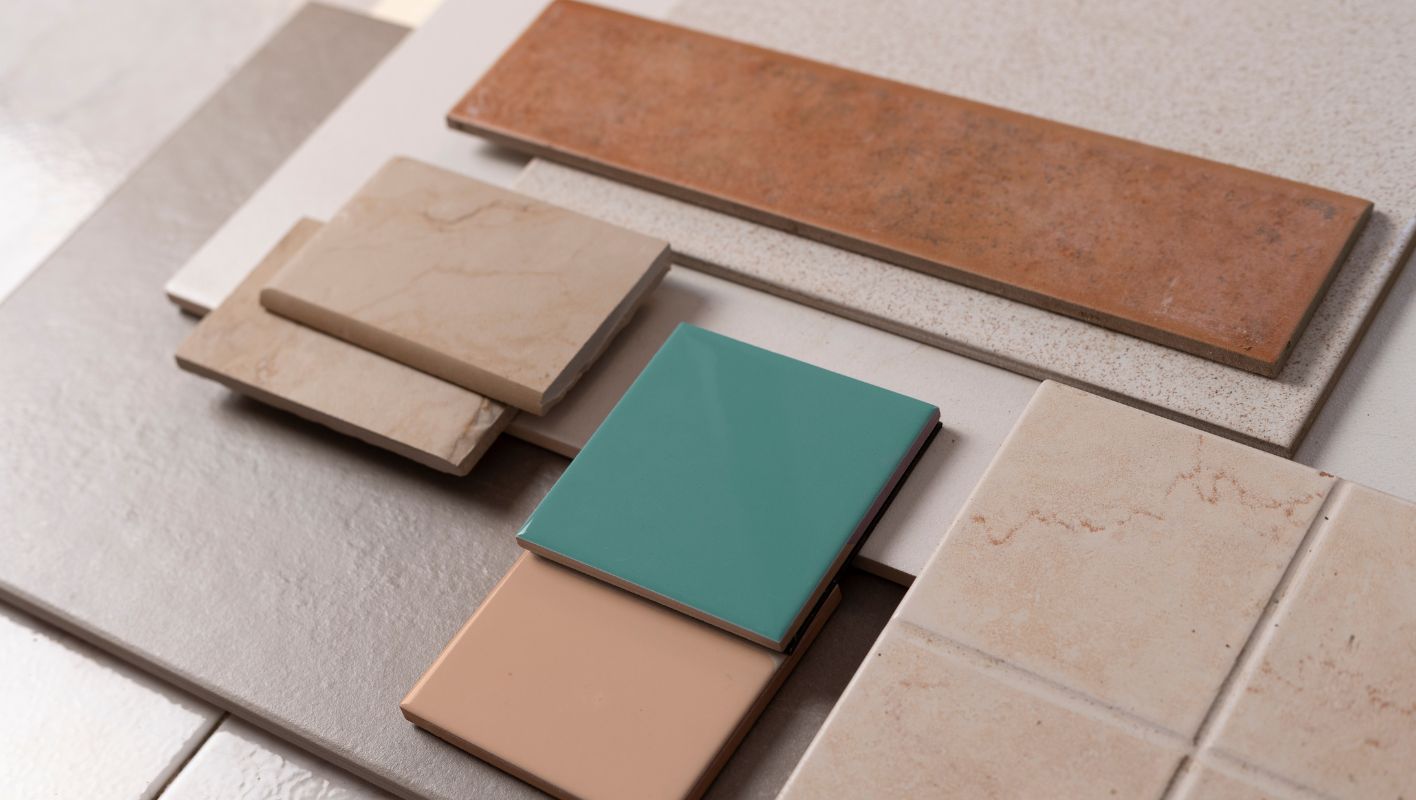
Porcelain tiles are my favorite go-to, not just for their classy look, but because they can withstand whatever life throws at them. Still, the question remains: how thick should they be?
Porcelain tiles usually come in thicknesses ranging from 6 to 12 millimeters, with thicker options up to 20 millimeters for heavy-duty projects. Your choice hinges on the specific area and conditions of use.
When I first started dealing with porcelain tiles, I was overwhelmed by the choices. Just picking the right thickness seemed like solving a puzzle. Would it hold up in a bustling kitchen or last in a tranquil bathroom setting? Over time, I learned that while knowing the standard thickness range is crucial, there are other factors to weigh in—like where the tiles will be laid, how much foot traffic they’ll endure, and the overall environment.
In this blog, I’m eager to share insights and tips I’ve gathered along the way, hoping to guide you through these considerations and help you select the perfect tile thickness for your project.
Thicker porcelain tiles are used for heavy-duty applications.True
Tiles up to 20 mm are chosen for areas with high stress.
Porcelain tiles are only available in 6 mm thickness.False
Porcelain tiles range from 6 to 12 mm, not limited to 6 mm.
How Does Tile Thickness Affect Durability and Performance?
Picking the right tile thickness can be a game-changer in making sure your floors and walls last as long as you’d hoped. But what exactly does thickness have to do with it?
Tile thickness is key to durability and performance, affecting how well a tile handles pressure, impact, and daily wear. Generally, thicker tiles mean more strength and longer life, perfect for those busy spots in your home.
Understanding Tile Thickness and Its Impact
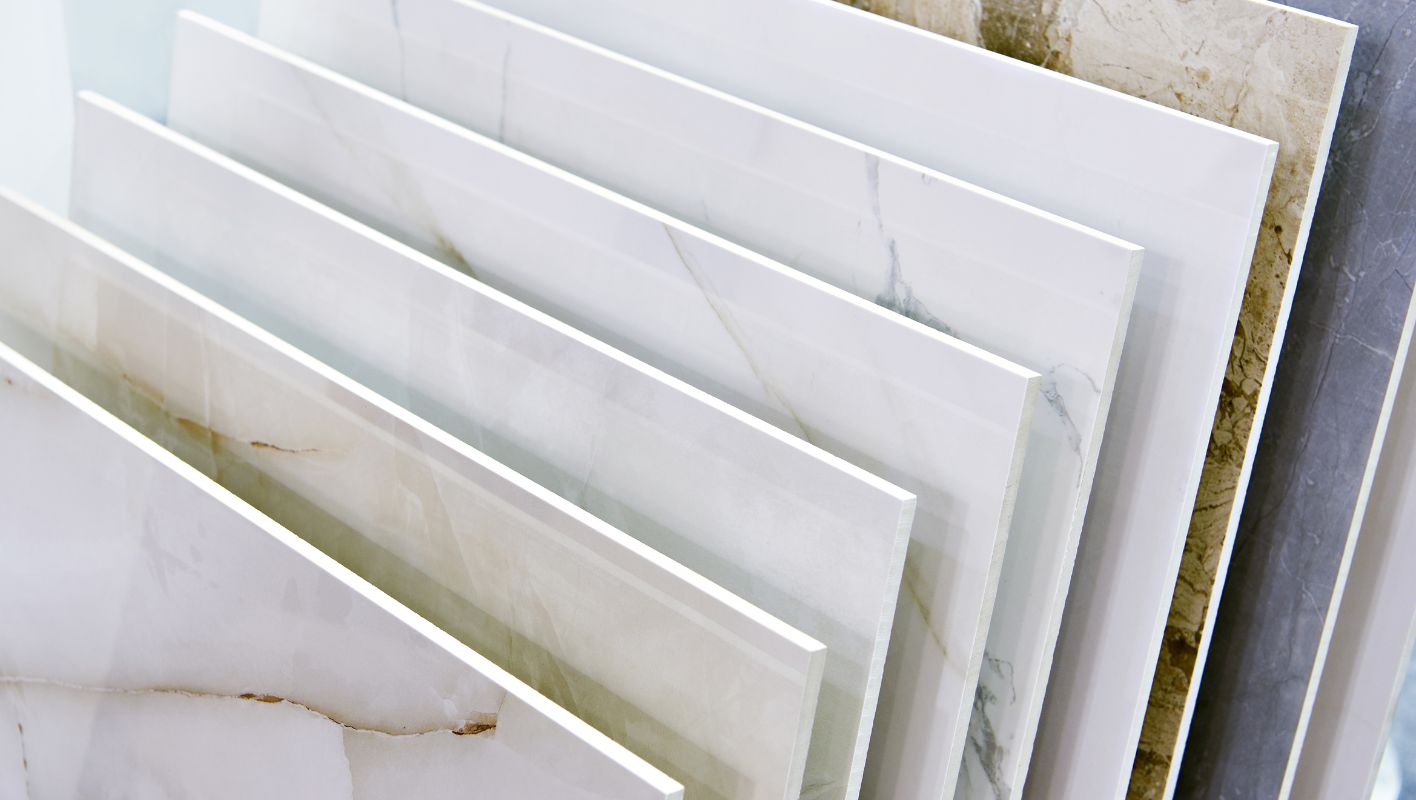
When I first tackled my kitchen renovation, I was amazed at how much of a difference tile thickness made. It’s not just about how a tile looks; it’s about how it stands up to life’s little tests. Thicker tiles are like the bodybuilders of the tile world—they can handle more stress without losing their good looks. This extra mass means they can take more of a beating, which is crucial for spaces like kitchens or hallways where life is always happening.
Comparing Thickness Variations
| Tile Type | Common Thickness | Suitable Applications |
|---|---|---|
| Ceramic | 6-10mm | Walls, light traffic floors |
| Porcelain | 8-12mm | Residential floors, walls |
| Natural Stone | 10-20mm | Outdoor patios, high-traffic areas |
Impact on Installation and Maintenance
I remember during one of my projects, our contractor had to bring in some extra muscle to handle the thicker tiles because they needed a bit more support underneath. It was worth it, though, because once those tiles were in place, they felt indestructible. The thicker tiles might be heavier and require a bit more effort during installation—additional support1 may be needed—but in the long run, they save you from constant repairs.
And let’s not forget about those inevitable oops moments—like when my nephew dropped a cast iron pan on the floor. With thicker tiles, we didn’t even get a chip. In places where heavy objects might fall or where there’s a lot of foot traffic, these tiles are lifesavers.
Performance in Varied Environments
Thicker tiles also have some unsung benefits. In spaces that face extreme temperatures or moisture—think about that damp basement or the chilly patio—they offer better insulation and protection against heavier loads2. When I chose thicker tiles for our outdoor space, they not only kept their cool under the summer sun but also added a layer of soundproofing inside the house.
It’s incredible how something so simple can enhance comfort in ways you might not expect. When picking out tiles for your next project, consider not just the look but also the thickness—it’s an investment in durability and peace of mind.
Thicker tiles require more robust subfloors.True
Thicker tiles are heavier, necessitating stronger support to ensure stability.
Ceramic tiles are the thickest option for high-traffic areas.False
Natural stone tiles, not ceramic, are thicker and better for high-traffic areas.
How Thick Should Walls Be in Different Rooms?
Ever wondered why the walls in your home feel different from room to room? It’s all about choosing the right thickness to suit each space’s needs.
The ideal wall thickness depends on the room’s function: living rooms typically need 4-6 inches for insulation and soundproofing, while bathrooms may require thicker walls for plumbing. Knowing these nuances helps enhance your home’s performance and comfort.
Living Rooms and Bedrooms
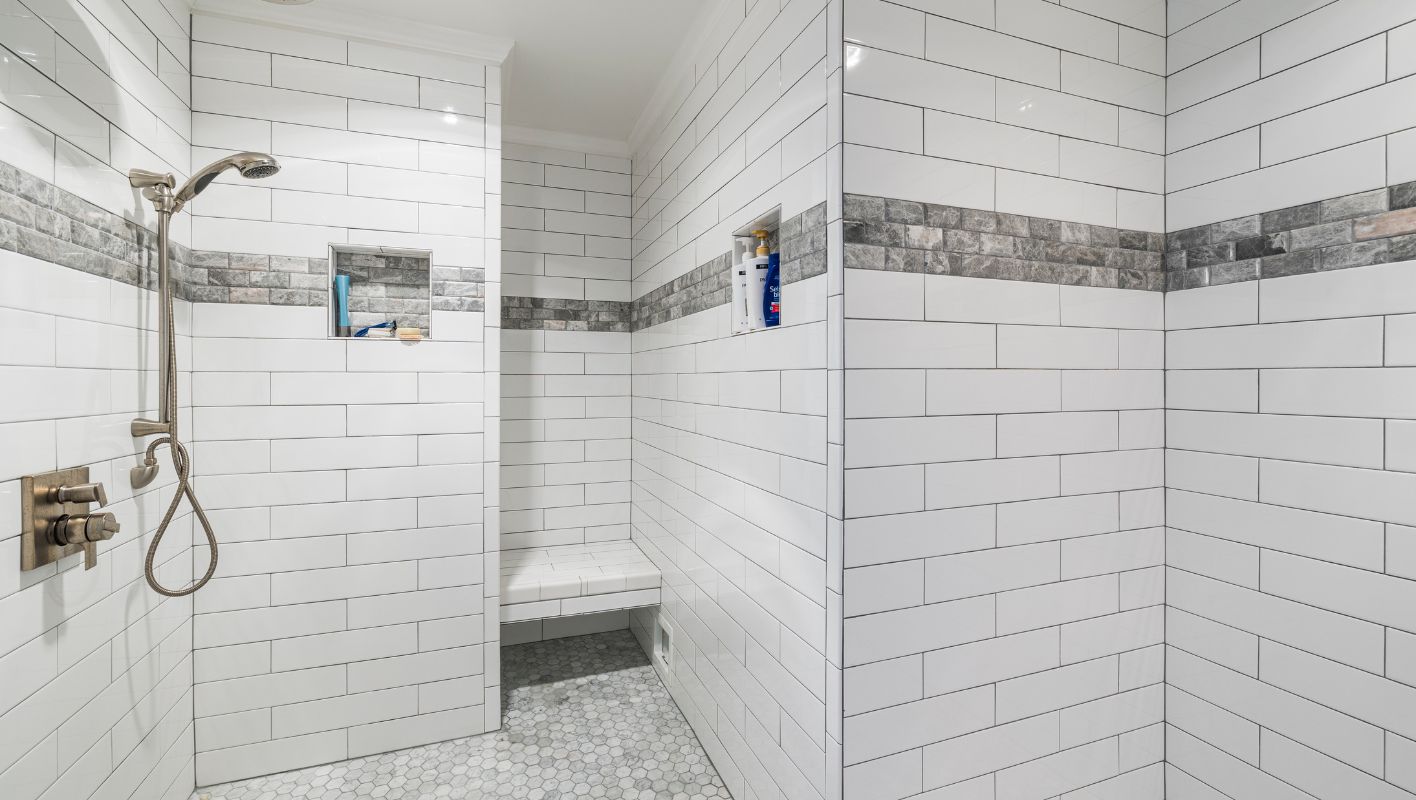
Imagine walking into your living room after a hectic day, craving peace and quiet. I know I do. This is where those 4 to 6 inches of wall thickness work their magic, providing the perfect cocoon of calm by balancing soundproofing3 and energy efficiency. It’s like wrapping your room in a cozy, silent blanket.
Kitchens and Bathrooms
Let me tell you, nothing has tested my patience more than kitchen renovations. With walls typically starting at 6 inches thick, these areas are ready to tackle plumbing demands and moisture control head-on. And when you’re thinking of built-in cabinets or fancy fixtures, remember that extra thickness can be a lifesaver, preventing unwelcome mold and keeping things structurally sound.
| Room Type | Recommended Thickness |
|---|---|
| Living Room | 4 – 6 inches |
| Bedroom | 4 – 6 inches |
| Kitchen | 6 – 8 inches |
| Bathroom | 6 – 8 inches |
Home Offices and Libraries
When I set up my home office, peace was non-negotiable. For those of us who need a sanctuary for focus, opting for thicker walls with materials that enhance acoustic performance4 can make all the difference without eating into your space.
Basements and Utility Rooms
Basements have always fascinated me as versatile spaces. Whether it’s a hideaway for relaxation or a utility hub, the walls here usually span 6-8 inches, emphasizing moisture control and insulation. Delving into basement needs5 helps tailor the right wall specs to your lifestyle.
Finding the sweet spot between cost, material efficiency, and performance is essential. These insights not only guide material choices but also help achieve structural strength and eco-friendliness—a win-win for any building project.
Living room walls should be 4-6 inches thick for soundproofing.True
This thickness range provides optimal soundproofing and energy efficiency.
Kitchen walls must be at least 10 inches thick for plumbing.False
Kitchen walls typically start at 6 inches, sufficient for plumbing needs.
How Do You Measure and Compare Tile Thickness?
Have you ever found yourself pondering the right tile thickness for your next big project? It’s a crucial decision that impacts durability and functionality.
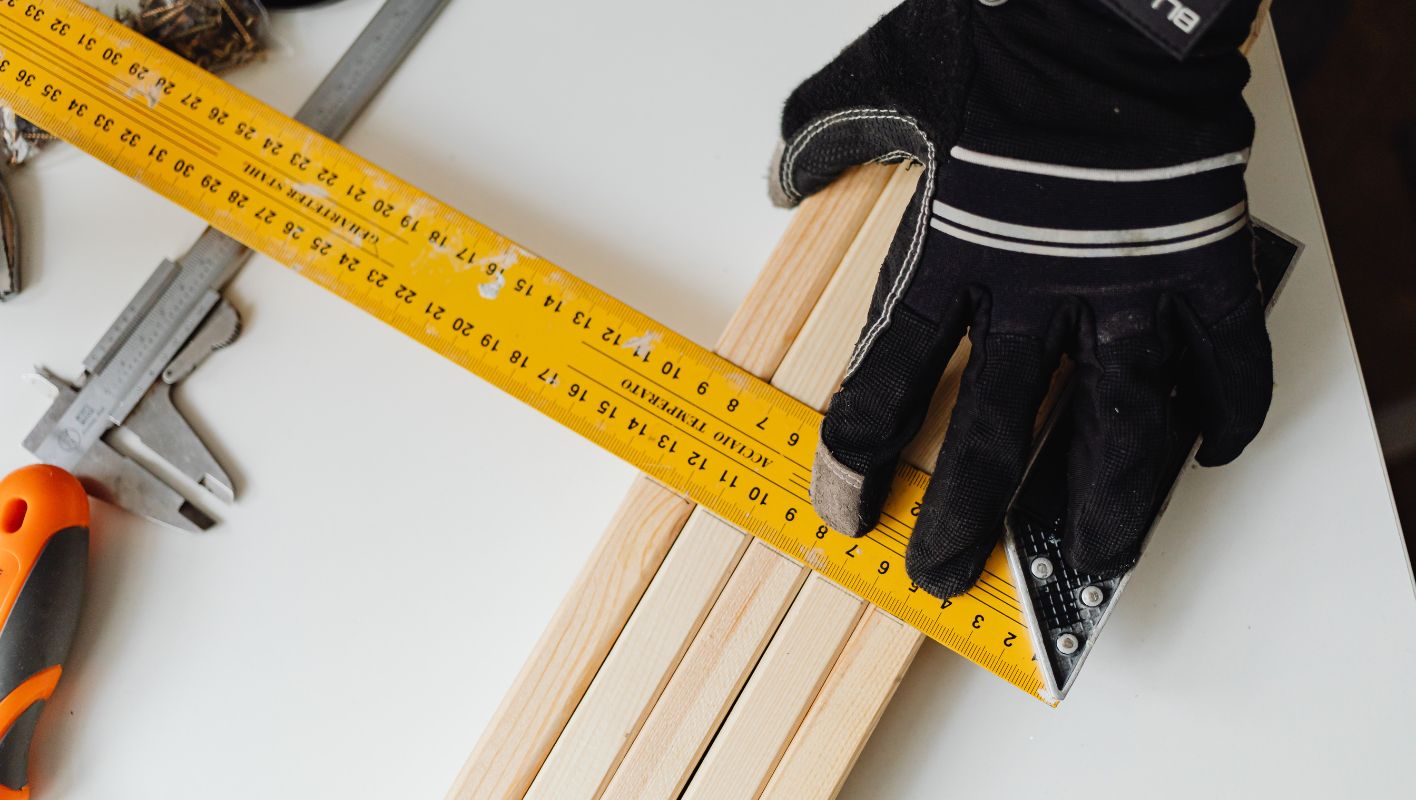
To measure tile thickness accurately, use a caliper for precision or a ruler for basic checks. Compare thickness by considering the tile material, intended application, and industry standards. Typically, ceramic tiles are 6-10mm thick, while porcelain ranges from 8-12mm.
Measuring Tile Thickness
When I first started working on construction projects, one of the things that caught me by surprise was how much the thickness of a tile could impact the entire project. I remember standing in the warehouse with my caliper in hand, realizing this little tool would become my best friend. You see, accurate measurement of tile thickness is key, especially when you’re aiming for that seamless look.
Steps to Measure Using a Caliper:
- Place the Tile: I always make sure the tile is on a flat surface—this helps avoid any inaccurate readings.
- Open the Caliper: Extend the caliper jaws wider than the tile’s edge.
- Measure the Edge: Slowly close the jaws until they just touch the tile’s surface. Precision is everything here.
- Read the Measurement: I jot down the measurement displayed on the vernier calipers6 scale.
Comparing Tile Thickness
During a project for a new restaurant, I learned firsthand how crucial it is to pick the right tile thickness. Not only does material play a role—ceramic usually between 6-10mm and porcelain 8-12mm—but so does where you plan to use them. Floor tiles, for instance, need to withstand more pressure than wall tiles. Commercial spaces often require thicker tiles7 than your average kitchen.
| Material | Typical Thickness |
|---|---|
| Ceramic | 6-10 mm |
| Porcelain | 8-12 mm |
| Natural Stone | Varies significantly |
Industry Standards and Considerations
Navigating industry standards can be like learning a new language, but it’s essential. The Tile Council of North America8 is a great resource for understanding these guidelines. I can’t stress enough how vital it is to consider factors like substrate compatibility9 and installation environment. For example, when working on shower installations, I always check if different thicknesses are needed compared to outdoor patios.
Choosing the right tile thickness might seem daunting at first, but with the right tools and a little know-how, you’ll have it down in no time.
Ceramic tiles are thicker than porcelain tiles.False
Ceramic tiles range from 6-10mm, while porcelain is 8-12mm thick.
Floor tiles generally need to be thicker than wall tiles.True
Floor tiles bear more load, requiring greater thickness for durability.
What Are the Latest Trends in Porcelain Tile Thickness?
Ever found yourself amazed at the evolution of something as simple as tile thickness? I know I have! Let’s dive into what’s trending in the world of porcelain tiles and why it might just matter to you.
The latest trends in porcelain tile thickness feature ultra-thin tiles for modern designs and thicker tiles for durability. These trends address various needs, from lightweight wall setups to durable flooring solutions.
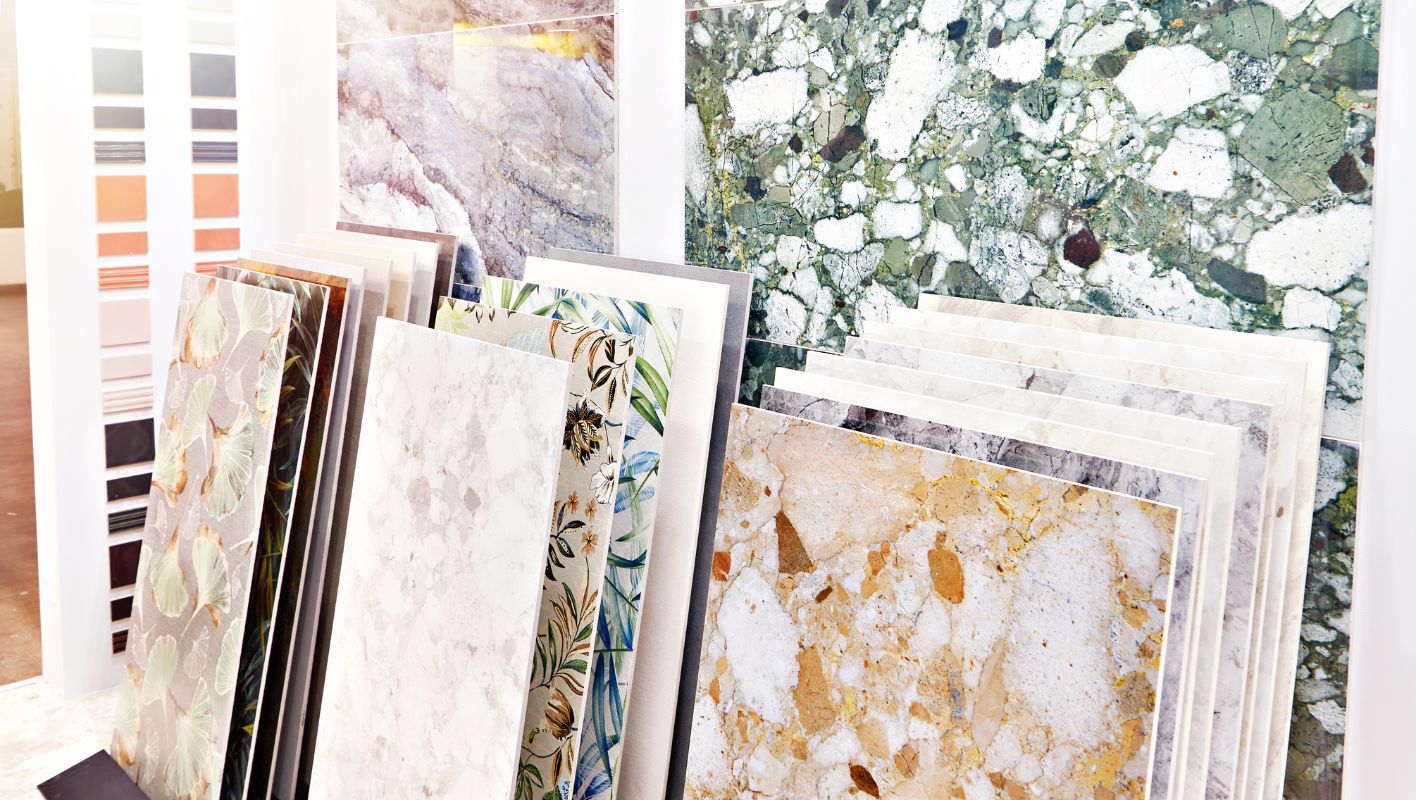
Ultra-Thin Porcelain Tiles
I remember the first time I saw ultra-thin porcelain tiles. I was visiting a friend’s newly renovated kitchen, and the sleek, almost ethereal look of their backsplash caught my eye. These tiles, usually between 3mm to 5mm thick, are perfect for achieving that minimalist aesthetic that’s all the rage in modern homes. Their lightweight nature makes them ideal for places where you don’t want to add extra bulk, such as walls or when you’re doing a quick renovation. They’re surprisingly easy to install too—less weight means less hassle!
- Advantages: They’re not just light; they also cut down on material costs and are a breeze to transport.
- Applications: Think wall cladding, those trendy backsplashes10, or any area that needs a facelift without the heavy lifting.
Thick Porcelain Tiles
On the flip side, let me tell you about the time I helped a buddy revamp his patio with thick porcelain tiles. These robust beauties, ranging from 10mm to 20mm, can take quite a beating—perfect for those high-traffic areas or outdoor spaces that have to endure the elements. Walking on that patio, I could feel the strength underfoot, like a solid promise that these tiles were built to last.
- Advantages: Their durability is unmatched, standing up to heavy loads and whatever Mother Nature throws their way.
- Applications: Ideal for outdoor patios11, bustling commercial spaces, or any setting that demands resilience.
Table: Comparison of Porcelain Tile Thickness
| Thickness | Advantages | Applications |
|---|---|---|
| 3mm – 5mm | Lightweight, easy installation | Wall cladding, renovations |
| 10mm – 20mm | Durable, high load capacity | Flooring, outdoor use |
Sustainability Trends
It’s inspiring to see how sustainability has become a key player in tile manufacturing. Picture this: manufacturers are now crafting eco-friendly tiles by minimizing raw materials and energy use. Thinner tiles naturally fit this bill—they need less clay and energy, aligning perfectly with sustainable practices. So if you’re like me and care about our planet’s future, these options can help you make an environmentally conscious choice.
Advances in Manufacturing Technology
Technology has come a long way, and it’s fascinating to see its impact on tile production. Digital printing now allows for intricate designs on thinner tiles without sacrificing quality. And innovations in kiln technology ensure that even thicker tiles remain consistently strong and uniform.
Whether you’re leaning towards thin or thick porcelain tiles, keeping up with these trends ensures you make informed decisions tailored to your project’s needs. Dive into these options and strike the perfect balance between style and practicality.
Ultra-thin porcelain tiles are ideal for wall cladding.True
Their lightweight nature makes them suitable for walls, reducing installation effort.
Thick porcelain tiles are not suitable for outdoor use.False
Thick tiles are durable and withstand outdoor elements, perfect for patios.
Conclusion
Porcelain tiles typically range from 6 to 12 mm in thickness, with options up to 20 mm for heavy-duty use. Choosing the right thickness is crucial for durability and application.
-
Discover the reasons behind needing extra support for thick tiles to ensure proper installation. ↩
-
Learn how thicker tiles enhance strength and durability in busy environments, ensuring long-lasting use. ↩
-
Discover materials that enhance soundproofing without excessive wall thickness, ensuring a quieter living environment. ↩
-
Explore materials that improve acoustic performance in home offices, optimizing work environments. ↩
-
Find out about solutions that enhance moisture control in basement walls, preventing long-term damage. ↩
-
Discovering how to use vernier calipers ensures precise tile thickness measurements, crucial for achieving uniformity in tiling projects. ↩
-
Understanding commercial floor tile thickness helps in selecting materials that can withstand heavy foot traffic. ↩
-
Exploring TCNA standards offers valuable insights into industry benchmarks for tile specifications and applications. ↩
-
Learning about substrate compatibility ensures that your chosen tiles adhere well and perform optimally in their intended environment. ↩
-
Explore how ultra-thin porcelain tiles can transform interior spaces with their sleek design. ↩
-
Discover why thick porcelain tiles are ideal for outdoor applications and their advantages. ↩






