
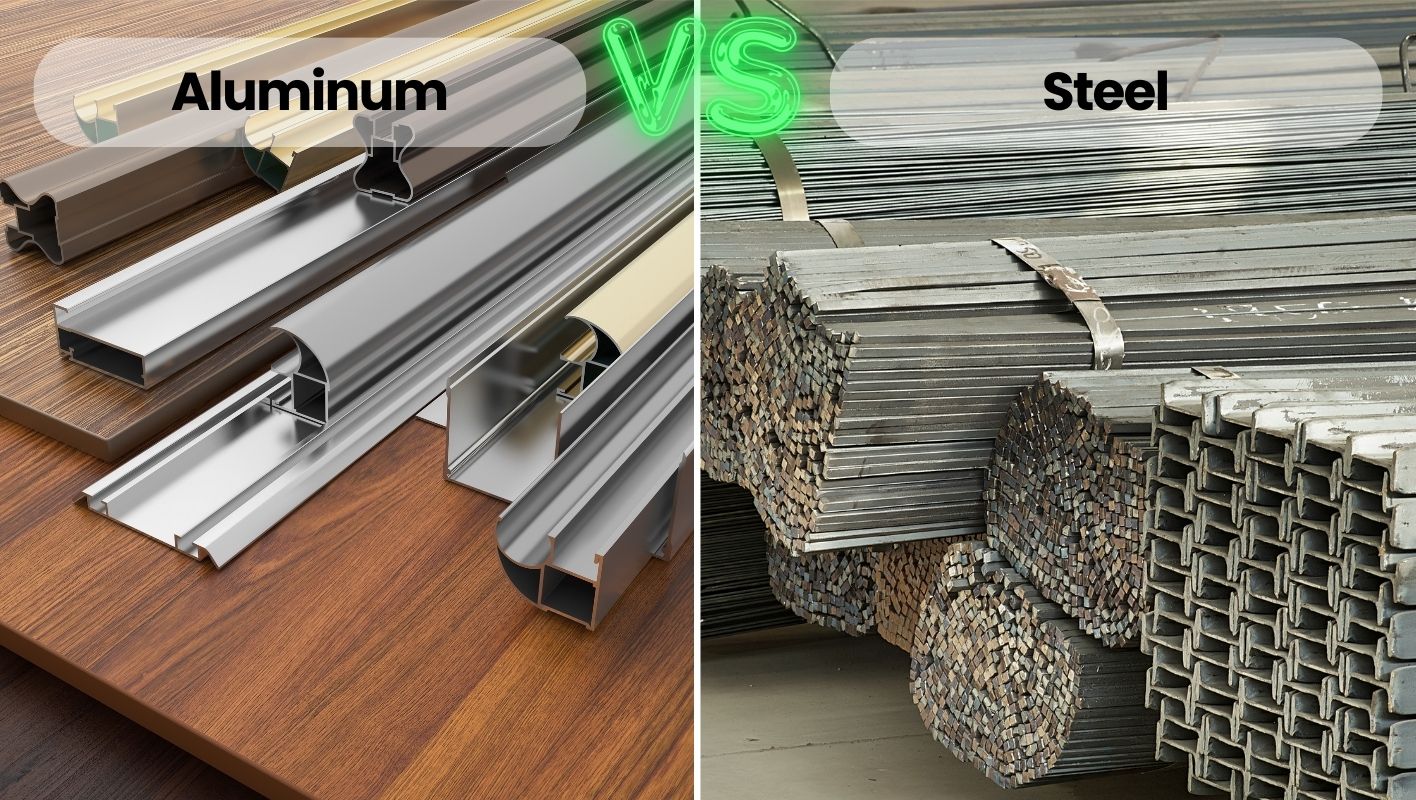
Feeling stuck choosing between aluminum or steel for your project? Let me help!
Aluminum is your go-to for lightweight and corrosion-resistant needs, perfect for outdoor projects. Steel shines with its unmatched strength, making it ideal for large-scale builds. The best choice hinges on your project’s specific demands, like load capacity and environmental challenges.
Deciding on the right metal can feel overwhelming, but understanding their unique traits makes all the difference. I’ve spent countless hours weighing these choices myself, trying to balance budgets and performance. Stick around as we dive deeper into the details, offering insights and advice to ensure your project stands strong.
Aluminum is lighter than steel.True
Aluminum's density is about one-third that of steel, making it lighter.
Steel is more corrosion-resistant than aluminum.False
Aluminum naturally forms a protective oxide layer, enhancing corrosion resistance.
What Are the Key Differences Between Aluminum and Steel?
Have you ever been stuck choosing between aluminum and steel for a project? It’s a common dilemma that can affect everything from cost to efficiency.
Aluminum is lightweight and corrosion-resistant, perfect for projects where weight is key. Steel offers greater strength and durability, often chosen for heavy-duty uses. Your project’s needs and budget will guide your choice.
Strength and Durability
I remember my first big project where I had to decide between aluminum1 and steel2. The strength-to-weight ratio was a game-changer. Steel, with its remarkable tensile strength, was my go-to for the building’s framework. Yet, aluminum’s high strength-to-weight ratio was ideal when weight became a concern.
Weight and Density
Picture this: you’re designing something for the automotive or aerospace sector where every gram counts. That’s where aluminum, at about one-third the weight of steel, truly shines. Its lightness helps boost fuel efficiency, a crucial factor in these industries.
| Property | Aluminum | Steel |
|---|---|---|
| Density (g/cm³) | 2.7 | 7.85 |
| Strength (MPa) | 70-700 | 250-870 |
Corrosion Resistance
On one of my outdoor projects, aluminum was invaluable due to its natural protective oxide layer that fends off corrosion. Steel, on the other hand, required extra treatment to prevent rust unless we went with stainless steel, which added chromium for superb corrosion resistance.
Cost Considerations
In my experience, steel tends to be more budget-friendly upfront than aluminum. However, when I factored in maintenance costs in corrosive environments, the scales could tip either way. It really depends on whether you’re weighing immediate expenses against long-term gains.
Applications and Versatility
Aluminum’s lightness has suited it well for applications3 like transportation and packaging in my projects. Meanwhile, steel’s robustness has made it indispensable in construction and heavy machinery. Each has its place depending on the specific needs.
Sustainability and Recycling
Both metals are champions of recycling. I’ve seen how aluminum can be recycled endlessly without losing its quality, saving tons of energy. Steel is also recyclable but tends to consume more energy in the process compared to aluminum.
These insights have guided my material choices over the years, ensuring that I align my projects with industry standards while optimizing performance and sustainability.
Aluminum has a higher strength-to-weight ratio than steel.True
Aluminum is lighter, providing a higher strength-to-weight ratio.
Steel is more corrosion-resistant than aluminum.False
Aluminum naturally resists corrosion better than untreated steel.
How Do Aluminum and Steel Compare in Terms of Strength?
Choosing between aluminum and steel can feel like picking the right tool for the job, where each has its own strengths.
Steel offers greater tensile strength and durability than aluminum, making it perfect for heavy-duty uses. Meanwhile, aluminum’s lightweight and corrosion resistance make it ideal for projects prioritizing weight and longevity.
Material Composition and Structural Integrity
When I first started working with metals, I remember being amazed by how each material had its unique personality. Steel is like that steadfast friend you can always count on—strong, reliable, with a density of 7.85 g/cm³. It’s primarily an alloy of iron and carbon, which makes it incredibly sturdy and suitable for structural applications4 that demand durability.
Aluminum, on the other hand, is the lightweight champion with a density of 2.70 g/cm³. Its flexibility and lower weight make it the go-to choice when you need something that can withstand the elements without weighing you down, perfect for aerospace engineering5.
| Property | Steel | Aluminum |
|---|---|---|
| Density | 7.85 g/cm³ | 2.70 g/cm³ |
| Tensile Strength | 400-550 MPa | 70-700 MPa |
| Yield Strength | 250-500 MPa | 35-500 MPa |
Weight vs. Strength Balance
I remember a project where we debated this very balance. Choosing between these metals often boils down to what the project demands—strength or weight savings. Aluminum’s excellent strength-to-weight ratio is often preferred in industries where every gram counts towards efficiency gains.
Steel’s robustness provides superior load-bearing capacity, making it essential for heavy construction6 projects. Imagine building a bridge; you need something that can handle the stress without breaking a sweat.
Corrosion Resistance and Longevity
Aluminum’s natural oxide layer is like its suit of armor, protecting it from corrosion in moisture-rich environments. I’ve seen firsthand how this trait reduces maintenance needs, saving time and money in the long run. Steel, though strong, needs a little extra care with protective coatings to keep rust at bay.
The longevity of each material is a factor of these characteristics. Aluminum tends to demand less maintenance7, while steel might need more attention as it ages.
Cost Considerations
When it comes to budget talks, I always weigh the pros and cons of cost. Generally, aluminum can be pricier than steel, but prices fluctuate based on market conditions and specific alloy types. Evaluating the cost-effectiveness8 of each material in light of project requirements is key to making the right choice. After all, every cent counts in construction.
Steel is denser than aluminum.True
Steel has a density of 7.85 g/cm³, while aluminum's is 2.70 g/cm³.
Aluminum has higher tensile strength than steel.False
Steel's tensile strength ranges from 400-550 MPa, generally higher than aluminum's.
What Materials Are Best for Corrosion Resistance?
Choosing the right material for your project can feel like a daunting task, especially when corrosion resistance is on the line. Let’s dive into what makes stainless steel, aluminum, and various alloys stand out.
Stainless steel usually outshines aluminum in corrosion resistance due to its chromium content, which forms a protective layer. This makes it ideal for environments with moisture and corrosive elements.
Understanding Corrosion Resistance
Corrosion resistance is more than just a technical term—it’s the peace of mind knowing your materials will withstand whatever nature throws at them. I remember once opting for a cheaper alternative that didn’t quite cut it, and boy, did I learn my lesson when that structure started to rust prematurely! So, understanding how different materials react in various conditions is crucial.
Stainless Steel vs. Aluminum
Take stainless steel, for example. Its secret weapon is chromium, which forms a thin, invisible layer of chromium oxide on the surface. This layer acts like an invisible shield, keeping the material rust-free in most environments. On the other hand, aluminum’s resistance9 relies on its natural oxide layer to fend off corrosion. While it’s good, if you’re working in a particularly harsh setting—like near the ocean where salt hangs heavy in the air—stainless steel often comes out on top.
| Material | Corrosion Mechanism | Resistance Level |
|---|---|---|
| Stainless Steel | Chromium Oxide Layer | High |
| Aluminum | Aluminum Oxide Layer | Moderate |
Alloys and Their Role
Ah, alloys—these are like the superheroes of metals. They’re engineered to combat specific challenges. I’ve had projects where copper-nickel alloys were lifesavers, especially when dealing with seawater. Choosing the right alloy10 can mean the difference between a material that lasts and one that doesn’t.
Environmental Impact
The environment plays a huge role in how materials behave. I’ve seen firsthand how marine settings can wreak havoc on unprepared materials. That’s why using things like duplex stainless steels or titanium can save you a lot of headaches down the road.
When in doubt, dive into resources like material science journals or engineering guides—they’re treasure troves of information that can help you determine the best corrosion protection11 for your unique situation.
Stainless steel has higher corrosion resistance than aluminum.True
Stainless steel's chromium oxide layer offers superior protection in harsh conditions.
Aluminum is more resistant to corrosion than stainless steel.False
Aluminum's oxide layer is less protective in aggressive environments compared to stainless steel.
What Are the Cost Implications of Using Aluminum vs. Steel?
Choosing between aluminum and steel feels like picking the right tool from a toolbox—each has its unique strengths and quirks that can reshape your project’s bottom line.
The cost implications of using aluminum versus steel hinge on raw material prices, production costs, and where they shine best. Aluminum is pricier upfront but offers specific advantages in certain applications.
Raw Material Costs
Diving into raw material costs, it’s like comparing apples and oranges. Aluminum typically commands a higher price per pound, mostly due to its lightweight nature and the specialized processes it demands. But then again, every project is its own beast, needing a bespoke approach to materials. Application needs12 will surely weigh in on this decision.
| Factor | Aluminum | Steel |
|---|---|---|
| Raw Material Cost | Higher | Lower |
Production and Fabrication Costs
I’ve found that working with aluminum can be akin to crafting a piece of fine art. It requires specialized welding techniques and machinery—skills not every fabricator has at their fingertips—which nudges costs upward. Steel, on the other hand, is like a reliable old friend. Traditional fabrication methods can often mean more bang for your buck, especially if your project thrives on these processes.
| Factor | Aluminum | Steel |
|---|---|---|
| Fabrication Cost | Higher | Lower |
Application Suitability
Here’s where things get personal. I’ve always seen aluminum as the sprinter in the materials race—perfect for projects needing to shed some weight, like in transportation or aerospace. Steel, though, is the heavyweight champion, bringing unmatched strength for structural integrity in large-scale construction projects.
- Weight Reduction: Significant for aluminum; moderate for steel.
- Strength Needs: Preferable steel for structural integrity.
- Consider specific application suitability13.
Market Influences
The market can be as unpredictable as the weather. Global demand shifts, tariffs, and supply chain hiccups all play puppet master to the prices of both aluminum and steel. Staying ahead of these trends can be your secret weapon for making smart choices with project materials14.
Aluminum is always cheaper than steel in raw material cost.False
Aluminum is typically more expensive per pound than steel.
Steel offers cost savings in traditional fabrication processes.True
Steel's traditional fabrication methods are often more cost-effective.
Conclusion
Choosing between aluminum and steel depends on project needs: aluminum is lightweight and corrosion-resistant, while steel offers strength and durability for heavy-duty applications.
-
Discover the benefits of using aluminum in lightweight applications and its role in reducing project costs. ↩
-
Learn why steel’s strength makes it a preferred choice in structural engineering. ↩
-
Explore how aluminum’s properties make it versatile across various industries. ↩
-
Discover why steel is preferred for large-scale structural applications and how it ensures structural integrity. ↩
-
Explore how aluminum’s lightweight properties make it ideal for aerospace applications. ↩
-
Learn about steel’s role in handling heavy loads in construction. ↩
-
Understand the maintenance implications of using aluminum versus steel. ↩
-
Evaluate the cost differences between aluminum and steel to guide your project decisions. ↩
-
Discover how aluminum’s oxide layer forms naturally and its effectiveness in protecting against corrosion. ↩
-
Learn about various alloys that offer enhanced corrosion resistance for specialized applications. ↩
-
Find comprehensive insights into materials that provide superior corrosion protection for different environments. ↩
-
Explore which applications benefit from aluminum’s properties versus steel’s advantages in construction. ↩
-
Discover detailed insights into which industries prefer aluminum over steel and vice versa. ↩
-
Stay updated on market dynamics influencing aluminum and steel pricing to inform purchasing decisions. ↩






