
Choosing the right finish for your metal project can feel like navigating a maze.
Anodizing and powder coating each bring unique advantages to the table. Anodizing boosts corrosion resistance and surface hardness, making it perfect for aluminum. Meanwhile, powder coating offers a robust, decorative finish that works on various metals. Weigh your project’s durability, aesthetic, and environmental needs to decide wisely.
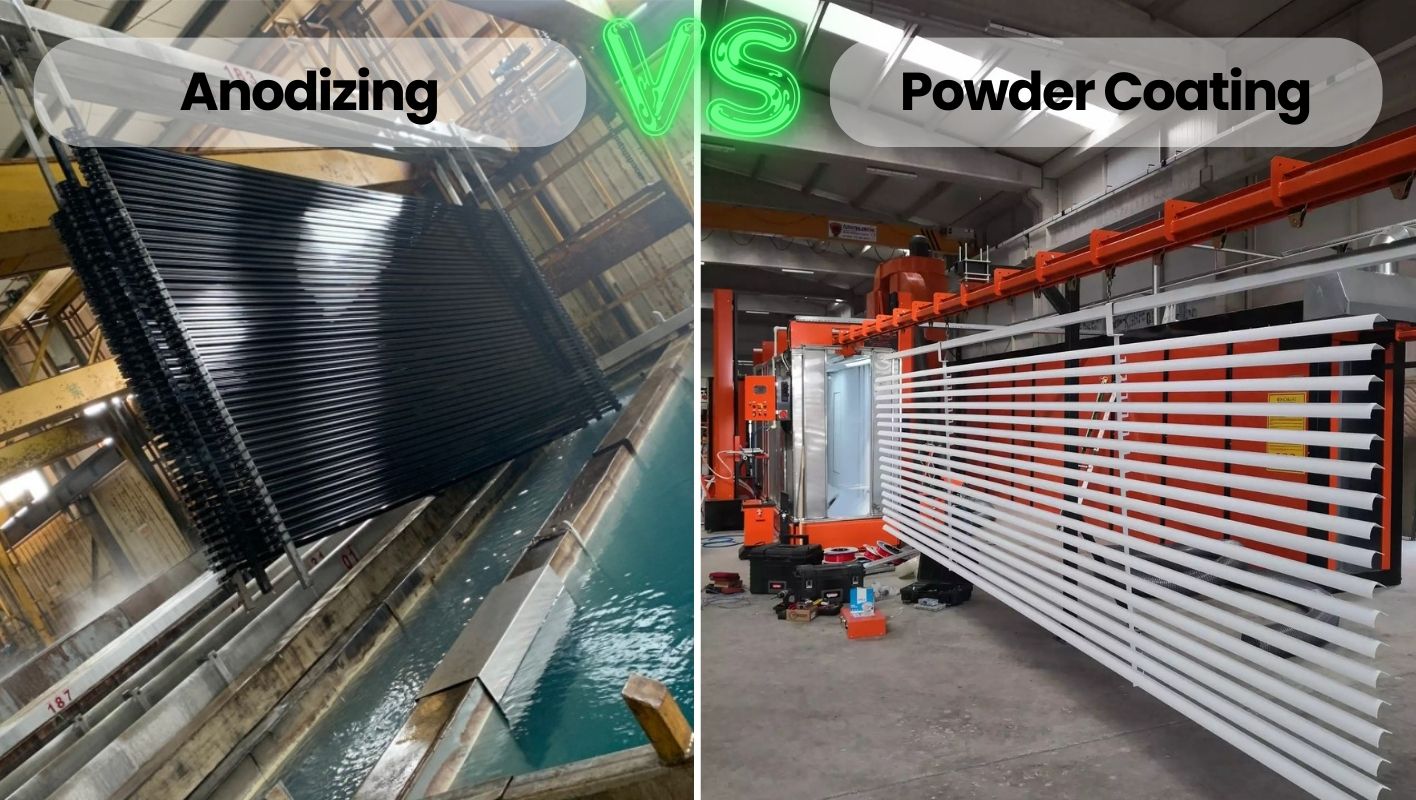
When I first started working with metal finishes, I found myself torn between anodizing and powder coating. Each has its own perks and pitfalls. Understanding these can make all the difference in ensuring your project shines—literally and figuratively.
Anodizing, for instance, is like giving your metal a shield of armor. It’s excellent for aluminum, providing a hard, corrosion-resistant surface. I remember choosing anodizing for an aluminum railing project because I needed something that could withstand the harsh Canadian winters.
On the flip side, powder coating was my go-to for a decorative yet durable finish on steel structures. It’s like dressing your metal in a tough, colorful suit. But it’s not just about looks—it’s incredibly resilient against chipping and fading, which is crucial when aesthetics matter as much as functionality.
So, think about what your project truly needs. Is it the robust protection of anodizing or the versatile style of powder coating? Whatever you decide, make sure it aligns with both the environmental conditions and the lifespan you expect from your project.
Anodizing is only suitable for aluminum surfaces.True
Anodizing is specifically used to enhance aluminum by creating an oxide layer.
Powder coating offers better corrosion resistance than anodizing.False
Anodizing generally provides superior corrosion resistance compared to powder coating.
What are the key differences between anodizing and powder coating?
Ever stood in front of a sea of metal finishes, wondering which path to take? I’ve been there, too. Let’s dive into anodizing and powder coating to find the right fit for your project.
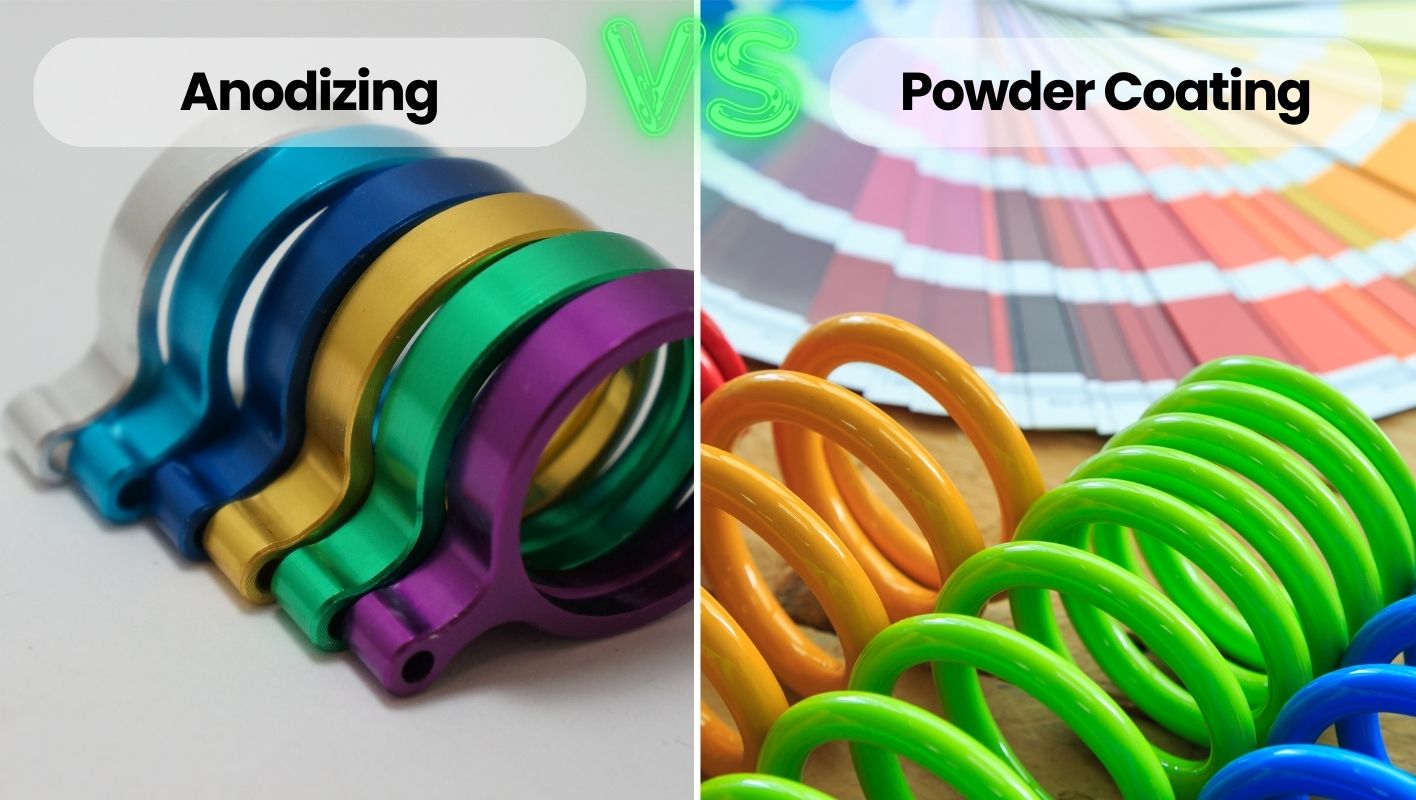
Anodizing maintains the natural look of metal while boosting its corrosion resistance, whereas powder coating offers a thicker, colorful, and more durable finish. Both have distinct benefits tailored to different applications.
Anodizing Explained
I remember my first encounter with anodizing—it was on a brisk morning during a factory tour, and the sight was mesmerizing. Anodizing is this fascinating electrochemical process where metal surfaces transform into beautiful, corrosion-resistant works of art. The process primarily waltzes around aluminum, the superstar metal.
- Process: Imagine the metal dipping gracefully into an acid electrolyte bath, while an electric current passes through like a choreographed dance, creating a protective oxide layer.
- Benefits: It’s like giving your metal a shield against corrosion, all while letting its natural beauty shine through.
- Applications: You see anodizing everywhere—from sleek architectural wonders to the intricate components in your car or even your favorite gadgets.
Curious to know more about this magical process? Dive deeper into the benefits of anodizing aluminum1.
Powder Coating Basics
My first brush with powder coating was quite literally colorful. Unlike anodizing, powder coating is all about that splash of color and robustness. It’s like giving your metal a vibrant, protective skin.
- Process: Picture this—a fine dry powder applied using an electrostatic gun, then baked in an oven to create a tough "skin" that stands the test of time.
- Benefits: Think of it as armor—thicker than anodizing and superb at resisting chips, scratches, and fading. It’s your metal’s best friend when durability calls.
- Applications: From the stove in your kitchen to the car you drive or even your garden furniture—powder coating is everywhere, offering protection with style.
Want to see how it all comes together? Explore more about how powder coating works2.
Comparison Table
Here’s a quick snapshot of how anodizing and powder coating stand side by side:
| Feature | Anodizing | Powder Coating |
|---|---|---|
| Finish Type | Thin oxide layer | Thick, durable "skin" |
| Color Options | Limited natural tones | Wide range of colors |
| Durability | Good for corrosion resistance | Excellent for impact resistance |
| Applications | Electronics, architecture | Automotive, outdoor equipment |
Environmental Impact
In our eco-conscious world, both anodizing and powder coating emerge as heroes. Anodizing uses non-toxic materials and minimizes waste, while powder coating is free from solvents and keeps VOC emissions low. Yet, always consider certifications and standards to ensure you’re making the greenest choice. Delve into eco-friendly coating options3 for more insights.
Cost Considerations
The dollars and cents matter just as much as the finish itself. I’ve found that anodizing usually comes with lower upfront costs but might require more love and care over time. On the flip side, powder coating might ask for more investment initially but pays off with long-lasting durability.
For a deeper dive into the financials, check out our cost comparison of metal finishes4.
Anodizing uses an electrochemical process.True
Anodizing involves an acid electrolyte bath and electric current.
Powder coating is primarily used on aluminum.False
Powder coating is used on various metals, not just aluminum.
How does durability compare between anodized and powder-coated finishes?
When it comes to picking the right finish for metal profiles, durability is always on my mind.
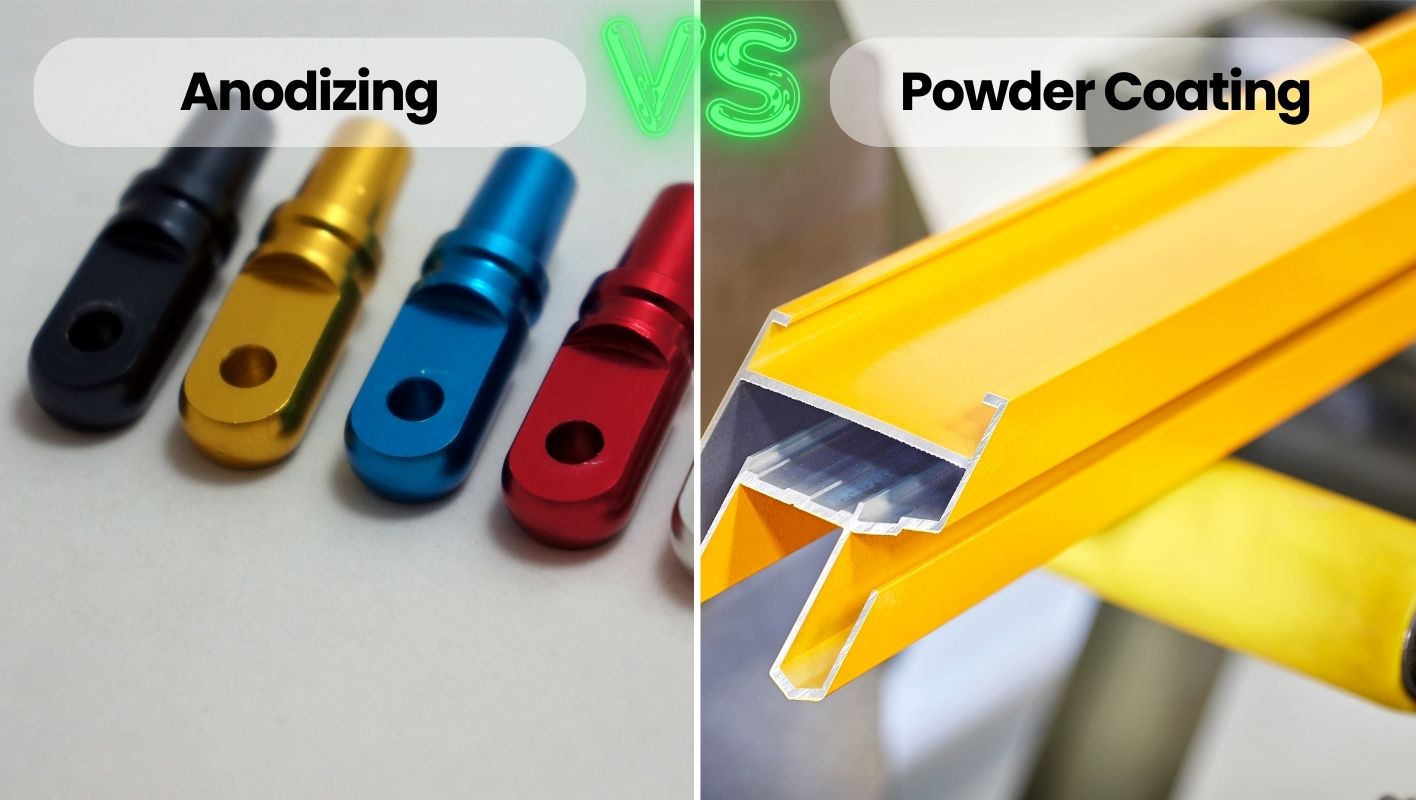
Anodized finishes are my go-to for superior corrosion resistance and UV stability, perfect for the outdoors. But when I need enhanced abrasion resistance and a splash of color, powder-coated finishes are unbeatable, offering versatility across various applications.
Corrosion Resistance
Anodized finishes have proven themselves time and again in my projects for their outstanding corrosion resistance. They’re a lifesaver when it comes to outdoor applications5 where nature isn’t always kind. Anodizing works by creating a protective layer, altering the surface of the metal itself, which gives me peace of mind.
Powder coating, on the other hand, offers decent protection against corrosion but relies on a surface layer that might chip if something unexpected happens.
Abrasion and Scratch Resistance
In my experience, when it comes to abrasion resistance, powder-coated finishes often win the day. Their thicker coating forms a robust shield that stands up to scratches and physical impacts—it’s like having an armor for metal.
Here’s a simple comparison table:
| Finish Type | Abrasion Resistance | Corrosion Resistance |
|---|---|---|
| Anodized | Moderate | High |
| Powder Coated | High | Moderate |
UV Stability and Color Retention
Anodized finishes are like the sunblock for metals. Their UV stability6 and color retention have saved my projects from looking dull over time, especially in sunny environments.
Powder coatings offer a rainbow of colors, but I’ve learned to choose wisely, as some hues can fade under direct sunlight unless they’re specially formulated for UV resistance.
Environmental Impact
I always weigh the environmental impact of my choices. Anodizing generally involves fewer harmful emissions, while powder coating is solvent-free, reducing VOC emissions—a bonus when eco-friendliness is a priority.
Cost Considerations
From my experience, cost-effectiveness between these finishes varies based on project size and requirements. Anodizing tends to be more economical for bulk projects due to lower initial setup costs. In contrast, powder coating might be pricier due to material expenses but offers customization that can justify the cost.
For further insights on cost benefits, see this analysis7.
Anodized finishes have higher corrosion resistance than powder-coated.True
Anodizing alters the metal surface, creating a protective layer.
Powder-coated finishes are more UV stable than anodized ones.False
Anodized finishes are known for superior UV stability and color retention.
What’s the most cost-effective finishing method for large projects?
Ever found yourself knee-deep in construction planning, wondering which finishing method will stretch your budget the furthest without compromising quality?
From my experience, powder coating stands out as the most cost-effective option for large projects. It combines impressive durability, corrosion resistance, and visual appeal with a low cost per unit, particularly when dealing with high-volume tasks.
Powder Coating: The Economical Choice?
I remember the first time I encountered powder coating in action on a massive project. We were trying to find a way to make our metal profiles not only sturdy but also visually appealing without breaking the bank. Powder coating came to the rescue. Its process of applying a dry powder and then curing it under heat results in an incredibly tough finish that can withstand the harshest conditions. For us, the real magic was in the savings—thanks to economies of scale, the cost per unit plummeted as we increased volume.
Plus, there’s minimal waste because any excess powder can be recycled, which satisfied our eco-friendly goals. It felt good to know we were being kind to the planet while keeping costs down.
| Advantages | Considerations |
|---|---|
| High durability and corrosion resistance | Requires specialized equipment |
| Low waste due to recyclability | Initial setup can be costly |
| Wide range of colors and finishes | \ |
Anodizing: A Suitable Alternative?
On another occasion, we explored anodizing, particularly for projects where we needed enhanced corrosion resistance for aluminum parts. Anodizing involves creating a protective oxide layer on the metal surface, offering superior longevity in high-traffic areas. Although its initial cost was steeper than powder coating, its long-term benefits became apparent in challenging environments.
The ability to customize aesthetics through coloring was another plus—it’s always nice to have flexibility when clients have specific design visions. However, it’s worth noting that anodizing is mostly limited to aluminum and a few other metals.
| Advantages | Considerations |
|---|---|
| Excellent long-term protection | Limited to aluminum and certain other metals |
| Customizable aesthetics | Higher initial cost compared to powder coating |
Comparing Costs Across Methods
Choosing between these methods often involves looking beyond just immediate expenses. Powder coating might offer lower upfront costs in high-volume scenarios because of its efficient application and minimal waste. Conversely, anodizing may justify its higher initial cost by delivering unmatched durability in harsh conditions.
It’s important to leverage cost analysis techniques8 that guide procurement decisions by evaluating different finishing methods based on specific project needs. This approach has helped me and others like James make informed choices, ensuring both financial prudence and project excellence.
Powder coating reduces waste through recyclability.True
Excess powder can be collected and reused, minimizing waste.
Anodizing is cheaper than powder coating for large projects.False
Anodizing typically has a higher initial cost compared to powder coating.
What environmental considerations should influence your decision?
Ever wondered how your choices impact the planet? Let’s dive into the environmental factors that can guide our decisions towards a greener future.
When making environmentally conscious decisions, consider resource conservation, emissions evaluation, and lifecycle impact analysis. These factors help ensure that our choices are sustainable and responsible, whether in personal or professional contexts.
Resource Conservation
I’ve always believed in making the most out of what we have, which is why resource conservation strikes a chord with me. It’s like when I first started in procurement; I was amazed by how choosing materials that use recycled content could cut down on waste and make such a difference. It’s not just about saving money; it’s about reducing our environmental footprint9. For instance, selecting metal profiles made from recycled materials can lead to efficient resource management, benefiting both the business and the environment.
Emissions Evaluation
Emissions can be a tricky thing to wrap your head around, but they’re crucial when it comes to selecting suppliers. I remember the first time I realized how much emissions varied between different materials—it was a game-changer. Opting for suppliers that keep their emissions in check not only supports sustainability but ensures we comply with industry standards10 too.
| Material Type | Average CO2 Emissions (kg/ton) |
|---|---|
| Steel | 1.85 |
| Aluminum | 8.24 |
| Stainless Steel | 4.56 |
Lifecycle Impact Analysis
Lifecycle impact analysis is like seeing the whole picture—from production to disposal. When I started analyzing the entire lifecycle of materials, it helped me understand their true environmental cost. Using lifecycle assessment tools11 can really pinpoint areas for improvement and help us make more sustainable choices.
Supplier Sustainability Practices
Evaluating supplier practices has always been close to my heart. I look for those who walk the talk—transparent sustainability reports and certifications like ISO or ASTM mean they truly care. It reassures me that I’m supporting businesses that align with corporate social responsibility goals.
Technological Advancements
Technology is ever-evolving, and keeping up with the latest trends is essential. Innovations like green manufacturing processes or smart resource tracking aren’t just buzzwords; they provide long-term environmental benefits. Staying informed helps me remain competitive and eco-conscious.
Exploring these environmental considerations thoroughly not only helps us make informed decisions but also contributes to sustainability and meets industry standards effectively. It’s a journey worth embarking on for a better tomorrow.
Recycled materials reduce environmental footprint.True
Using recycled materials conserves resources and lowers waste.
Aluminum has the lowest CO2 emissions in production.False
Aluminum emits 8.24 kg/ton, higher than steel's 1.85 kg/ton.
Conclusion
Anodizing and powder coating each offer unique benefits for metal finishes, with anodizing excelling in corrosion resistance for aluminum, while powder coating provides a durable, colorful finish for various metals.
-
This link provides a comprehensive understanding of how anodizing improves aluminum durability and aesthetic appeal. ↩
-
Explore this link to learn about the step-by-step process of powder coating application and its advantages. ↩
-
Discover eco-friendly alternatives and practices in metal finishing to align with sustainable goals. ↩
-
Gain insights into the cost differences between anodizing and powder coating for informed budgeting decisions. ↩
-
Explores real-world applications highlighting anodized finishes’ superior corrosion resistance for outdoor use. ↩
-
Delves into how anodized finishes maintain color under UV exposure compared to powder coatings. ↩
-
Analyzes cost factors influencing decision-making between anodized and powder-coated finishes. ↩
-
Discover frameworks that help evaluate cost-effectiveness in construction projects. ↩
-
Discover how using recycled materials minimizes waste and preserves natural resources, contributing to a smaller environmental footprint. ↩
-
Learn about industry emission standards to ensure compliance and support eco-friendly manufacturing practices. ↩
-
Explore tools for evaluating the full lifecycle impact of materials to make sustainable procurement decisions. ↩






