
Have you ever wondered how a simple aluminum finish can elevate a project from ordinary to extraordinary?
Aluminum finishes encompass various treatments that enhance both the look and durability of aluminum surfaces. Popular options like anodizing, powder coating, and mechanical finishing each offer distinct benefits and aesthetic appeal, making them ideal for diverse applications.
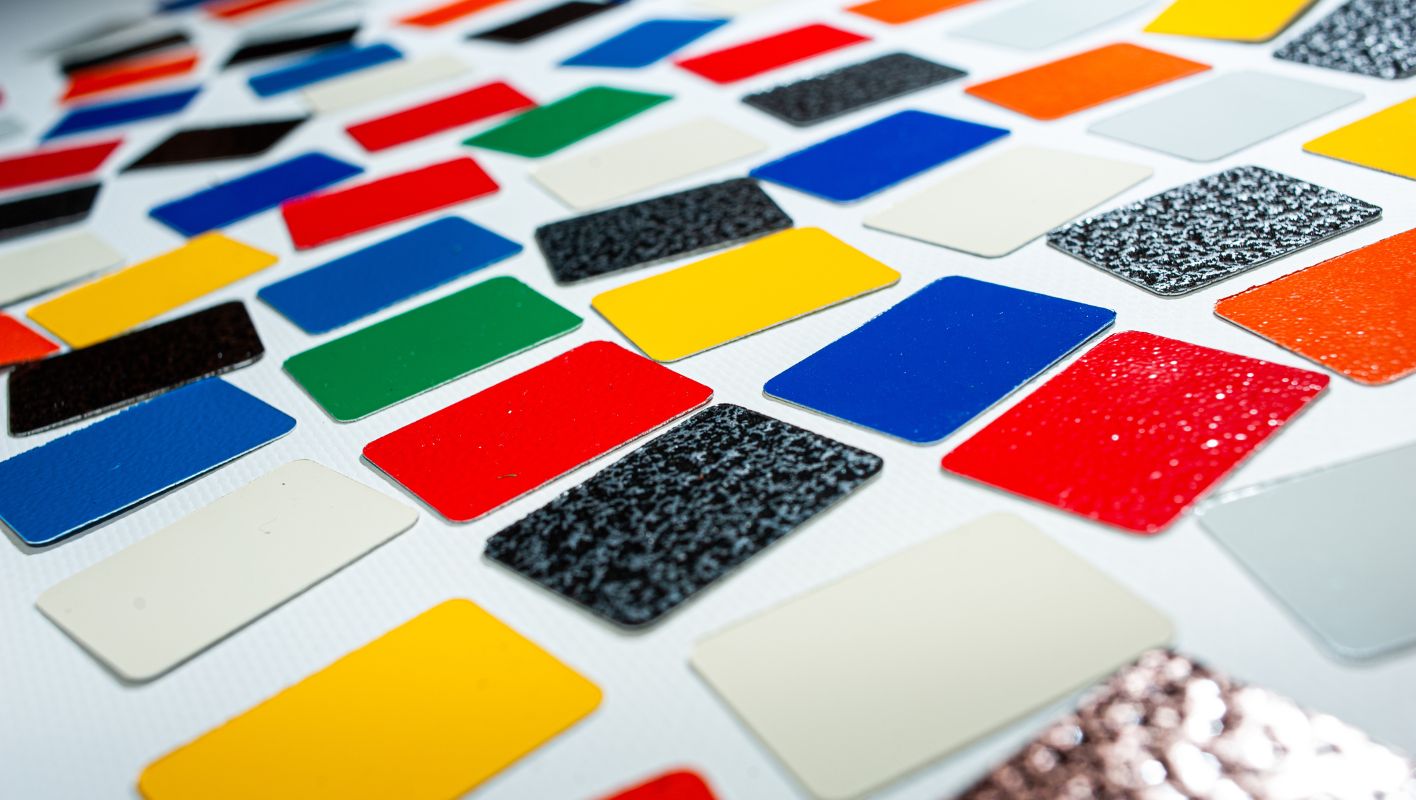
I remember the first time I learned about aluminum finishes—it was like discovering a secret ingredient that could transform any project. Each finish, whether it’s anodizing that provides a tough, corrosion-resistant layer, powder coating with its wide color palette and protection, or mechanical finishing that offers a sleek, polished appearance, brings its own charm. Understanding these options isn’t just for the pros; it’s for anyone who wants to make informed choices about their projects.
Anodizing increases aluminum's corrosion resistance.True
Anodizing enhances the natural oxide layer, boosting corrosion resistance.
Powder coating is a type of mechanical finishing.False
Powder coating is a surface finish that involves applying dry powder.
How Does Anodizing Enhance Aluminum Surfaces?
Ever wondered how aluminum can be both durable and visually stunning? Anodizing is the secret sauce behind this transformation, boosting strength, resistance, and beauty.
Anodizing enhances aluminum by boosting its corrosion and wear resistance while improving its aesthetic appeal. This process involves an electrochemical treatment that forms a durable oxide layer on the surface.
The Science Behind Anodizing
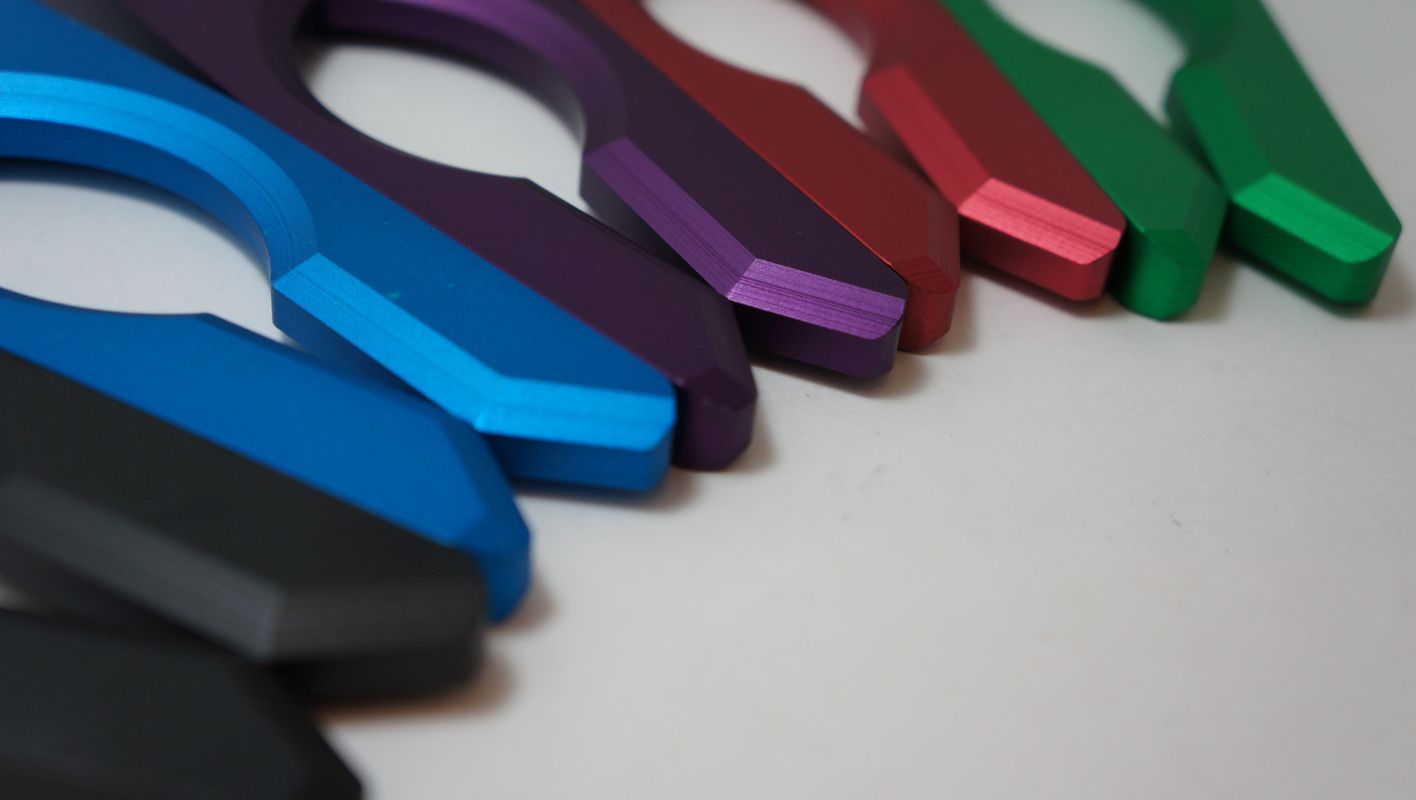
I remember my first time seeing anodized aluminum up close—it was like discovering a hidden superpower of this everyday metal. Anodizing, at its core, is an electrochemical process that turns the surface into a hardy, decorative, and corrosion-resistant finish. It feels almost like giving aluminum a protective shield that’s thicker than what nature provides. During anodization, aluminum becomes the anode in an electrolytic cell. What’s fascinating is that we can control the thickness of this oxide layer1, tailoring it for specific needs.
Enhancements Offered by Anodizing
Corrosion Resistance
Back when I was involved in construction material procurement, I learned that anodizing significantly ups aluminum’s game in resisting corrosion2. Imagine using it for outdoor installations or in marine environments where the elements are unforgiving—it just holds up so well!
Increased Durability
Another time, I was amazed at how anodized aluminum handled wear and tear. I once toured a facility where high-traffic areas used anodized surfaces, and despite constant use, they looked brand new.
Aesthetic Flexibility
One of my favorite things about anodizing is its ability to be dyed into various colors. This brings a world of possibilities to designers and architects, who can now use aluminum in bold and creative ways.
Practical Applications of Anodized Aluminum
| Application | Benefit |
|---|---|
| Architectural | Enhanced weather resistance |
| Automotive | Improved abrasion resistance |
| Consumer Electronics | Aesthetic appeal and corrosion control |
Technical Considerations
If you’re considering anodizing for a project, it’s crucial to think about the thickness of the oxide layer—it influences both looks and durability. I’ve found that understanding the specific requirements3 of your application can really help tailor these parameters.
Anodizing Process Steps
- Cleaning: Thoroughly clean the aluminum to remove impurities.
- Anodizing: Conduct the electrochemical process to form the oxide layer.
- Coloring (optional): Apply dyes for desired colors.
- Sealing: Enhance corrosion resistance and dye retention through sealing.
For deeper insights into anodizing’s impact across various industries4, I encourage you to explore further resources—it’s fascinating how widely this process is applied.
Anodizing increases aluminum's corrosion resistance.True
The oxide layer formed during anodizing provides significant protection.
Anodized aluminum cannot be colored.False
Anodized aluminum can be dyed in various colors for aesthetics.
Why Should You Choose Powder Coating for Aluminum?
Have you ever wondered how aluminum gets that sleek, durable finish?
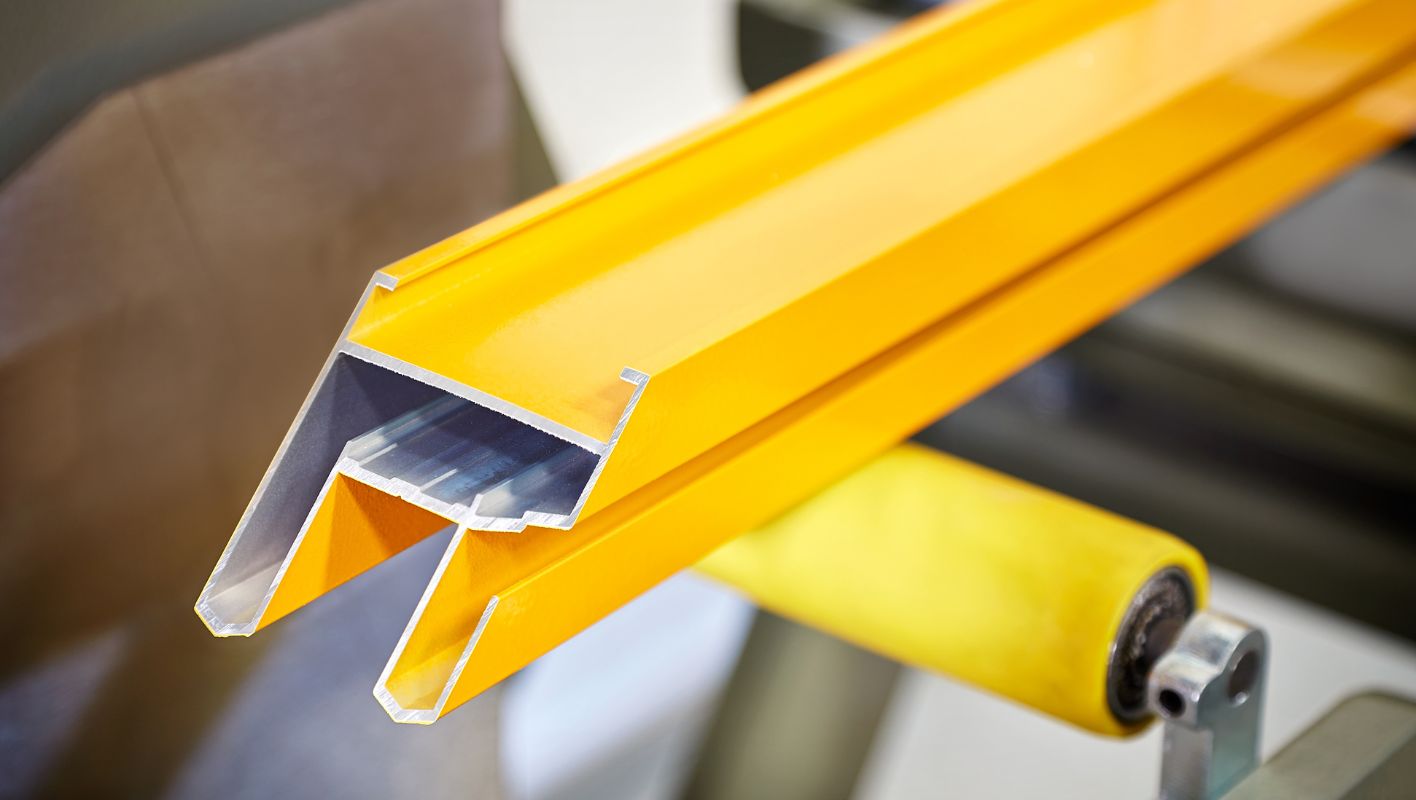
Powder coating is an innovative process where a dry powder is electrostatically applied to aluminum surfaces and then cured with heat. This creates a strong, corrosion-resistant finish, perfect for safeguarding aluminum in both architectural and industrial applications.
Understanding Powder Coating
Imagine spending a weekend meticulously applying paint, only to have it chip away with time. Powder coating, though, is like magic—no brushes or rollers needed. It’s a process where a fine powder clings to aluminum using an electrostatic charge, and when baked, it forms a sturdy shield. Compared to liquid paints, the durability here is truly in another league.
Benefits of Powder Coating on Aluminum
Durability
I remember the first time I saw a piece of powder-coated aluminum. It was during a visit to a construction site, and the foreman was singing its praises—he was right. The finish resisted chipping and scratching despite the rugged environment. It’s like armor for metal, keeping it safe from daily wear and tear.
Aesthetic Versatility
The beauty of powder coating lies in its endless possibilities. Whether you want a subtle matte or a striking gloss, the choices are virtually limitless5. It reminds me of picking out paint colors for my own home—only this time, the stakes are higher because it has to withstand not just time but the elements too.
Environmental Impact
In today’s world, being environmentally conscious is more important than ever. Powder coating steps up with no volatile organic compounds (VOCs). Plus, overspray isn’t wasted—it gets recycled, which is something I really appreciate as we all try to do our part for the planet.
| Advantages | Details |
|---|---|
| Cost-Effective | Long-lasting finish reduces maintenance costs |
| Eco-Friendly | No VOCs, recyclable overspray |
| Enhanced Longevity | Resistant to weathering and UV degradation |
Application Areas
I’ve seen powder-coated aluminum used in everything from sleek window frames to robust automotive parts. Its resilience makes it an ideal choice for structures that face weather head-on without sacrificing aesthetics.
Comparison with Anodizing
Anodizing might be another name you’ve come across. It’s a reliable process but lacks the color flexibility and texture options powder coating offers. Think of it like choosing between your trusty old jeans and a new pair that fits just right—each has its perks, but sometimes you want something fresh and customizable.
Ultimately, when I weigh factors like customization and environmental impact, powder coating often comes out on top. It’s like choosing a path that aligns with both style and sustainability—a win-win for any project where aesthetics matter just as much as durability.
Powder coating contains no VOCs.True
Powder coating is eco-friendly as it contains no volatile organic compounds.
Anodizing offers more color options than powder coating.False
Powder coating offers greater flexibility in color and texture options than anodizing.
What Are the Best Mechanical Finishes for Aluminum Projects?
Picking the right finish for your aluminum project is like choosing the perfect outfit—it’s all about balance between style, durability, and cost.
The best mechanical finishes for aluminum projects are anodizing, powder coating, and bead blasting. Each offers unique benefits, such as enhanced corrosion resistance and aesthetic appeal, catering to specific project needs.
Understanding Mechanical Finishes for Aluminum
You know, diving into the world of mechanical finishes for aluminum can feel a bit like being a kid in a candy store—there’s so much to choose from! I remember when I first had to decide on a finish for a big project. It was a mix of excitement and slight overwhelm, but ultimately rewarding once I saw the final product shine.
Mechanical finishes play a crucial role in enhancing the properties of aluminum. Here, we explore some common finishes:
| Finish Type | Key Benefits |
|---|---|
| Anodizing | Durable, corrosion-resistant |
| Powder Coating | Aesthetic variety, UV stability |
| Bead Blasting | Smooth texture, matte finish |
Anodizing
Anodizing is like giving your aluminum a suit of armor. This electrochemical process transforms the metal surface into a super durable and corrosion-resistant finish. It’s highly recommended for projects requiring6 extra protection and aesthetic appeal due to its ability to maintain color vibrancy and enhance surface hardness. I once worked on a coastal project where this was a game-changer; it not only protected the structure but kept it looking vibrant and fresh.
Powder Coating
When it comes to powder coating, think of it as applying a vibrant, protective skin. This dry powder is applied electrostatically and then cured with heat, offering excellent aesthetic options and UV stability. It’s perfect for outdoor projects where long-lasting color7 retention is essential. I recall a time when I chose powder coating for an outdoor installation—it held up beautifully against harsh sun and rain.
Bead Blasting
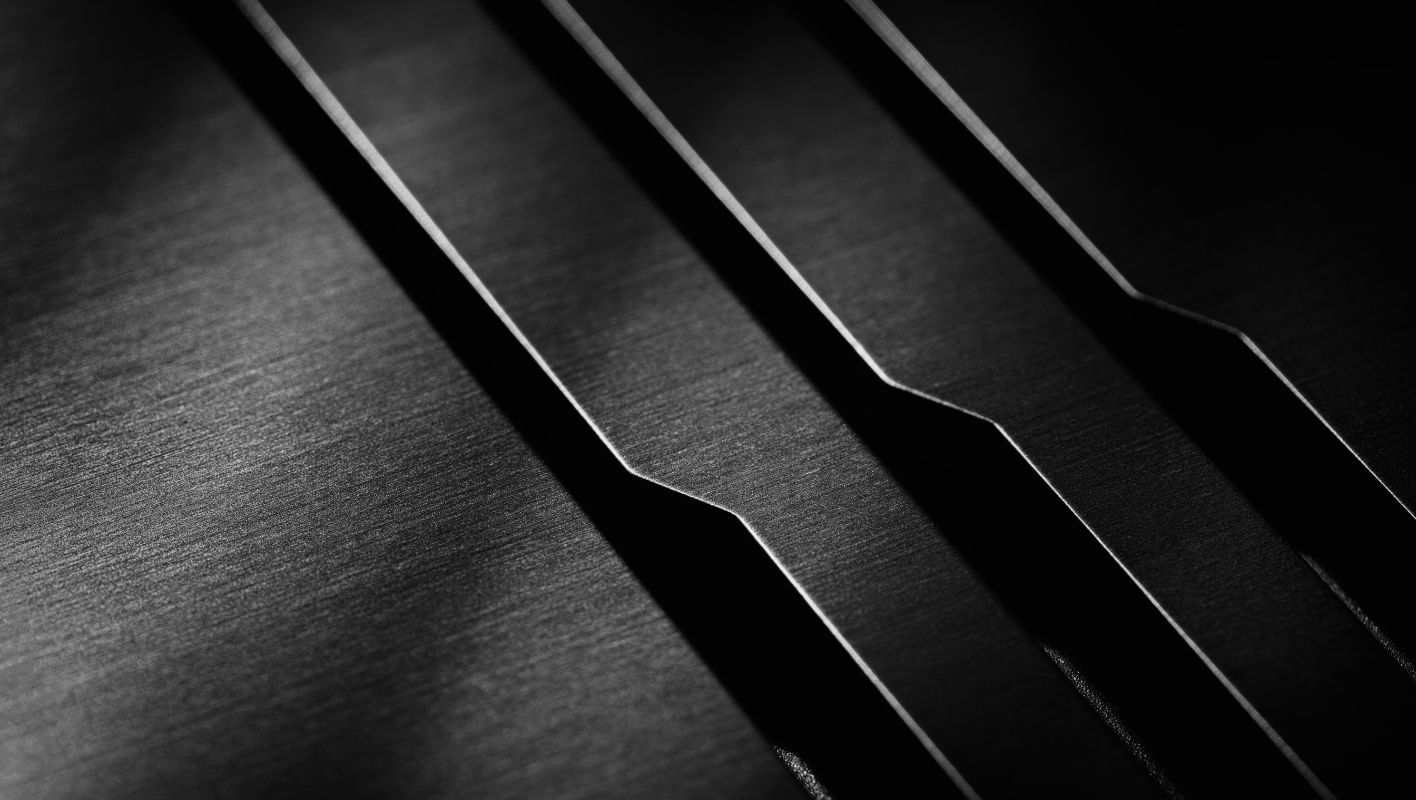
Bead blasting is like giving your aluminum a gentle exfoliation. This technique uses abrasive materials to create a smooth, matte finish suitable for projects where uniform texture8 and an understated look are desired. If you’re going for an understated, uniform look, bead blasting is your go-to. I opted for this on a minimalist design project once; the texture was impeccably sleek.
Choosing the Right Finish
Picking the right finish can feel like matchmaking—it’s all about finding the perfect fit for your project’s needs. Consider factors such as:
- Environmental Conditions: For coastal or industrial environments, anodizing might be preferable due to its superior corrosion resistance.
- Aesthetic Goals: If color variety and UV resistance are key, powder coating offers wider variety tailored to match specific design9 requirements.
- Cost Implications: While powder coating may incur higher upfront costs, its durability often leads to reduced maintenance expenses over time.
In essence, choosing the right mechanical finish involves weighing each option against what matters most for your project—whether it’s durability, aesthetics, or budget constraints. Reflect on these options above to make informed decisions that align with your priorities and goals.
Anodizing enhances aluminum's corrosion resistance.True
Anodizing converts the surface to a durable, corrosion-resistant finish.
Bead blasting is ideal for vibrant color retention.False
Bead blasting provides a matte texture, not vibrant color retention.
How Do Aluminum Finishes Impact Durability and Aesthetics?
Ever wondered how a simple finish could transform aluminum into a durable and stylish powerhouse?
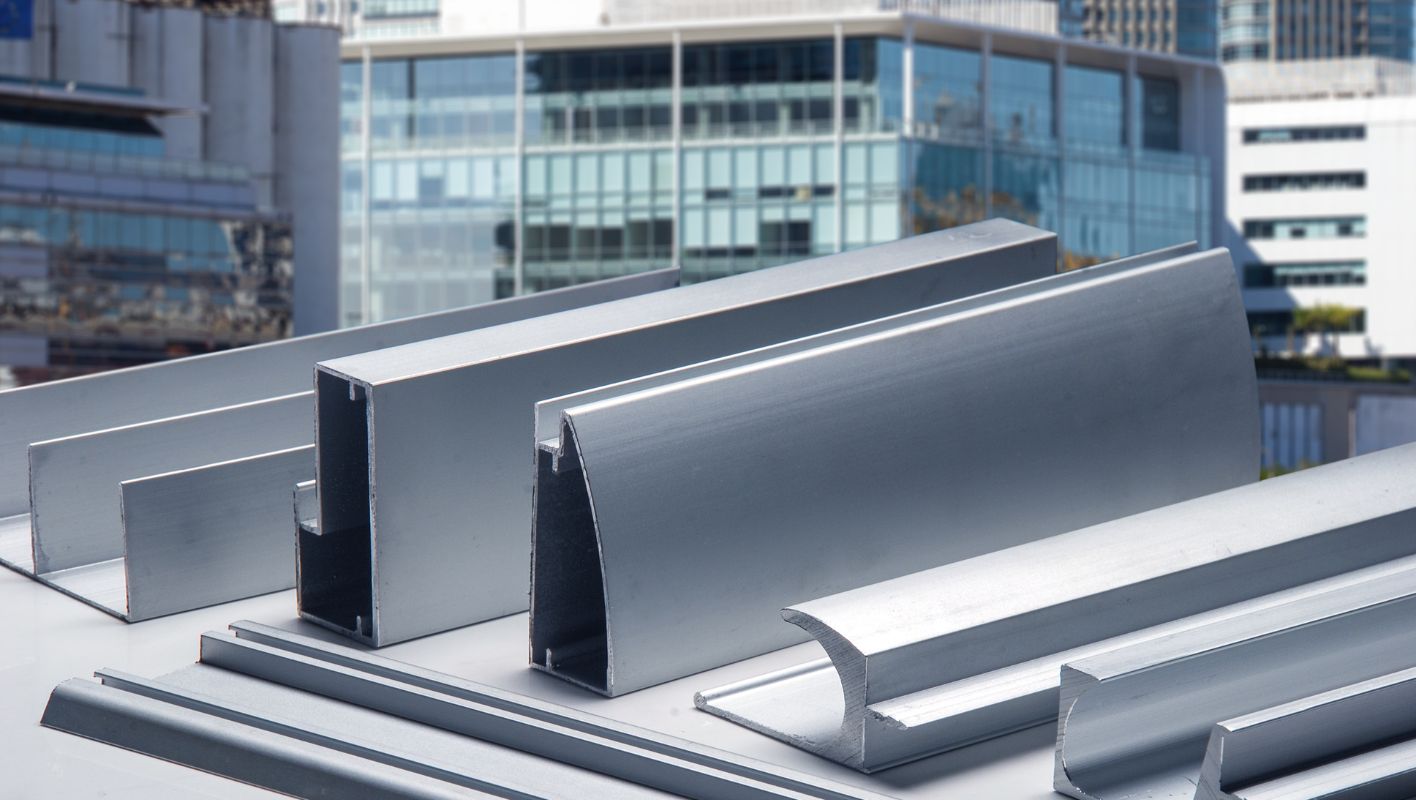
Aluminum finishes enhance durability and aesthetics by shielding against corrosion and wear while offering diverse visual styles. Options include anodizing, powder coating, and mechanical polishing.
Understanding Aluminum Finishes
When I first ventured into the world of metal profiles, the sheer variety of aluminum finishes fascinated me. It was like discovering a secret toolset that not only protected but also beautified. Each finish has its unique flair and purpose, serving as a shield against harsh elements like moisture, chemicals, and abrasion. Let’s dive into some popular choices that might just be the perfect fit for your project.
- Anodizing: This one feels like giving your aluminum a superhero suit. It creates a thick oxide layer that’s fantastic at warding off corrosion.
- Powder Coating: Think of this as painting with purpose—offering a durable, colored surface that doesn’t easily chip.
- Mechanical Polishing: It’s like taking aluminum to the spa, enhancing its natural shine.
Comparing Finish Types
| Finish Type | Durability Level | Aesthetic Options |
|---|---|---|
| Anodizing | High | Matte, Glossy |
| Powder Coating | Very High | Various Colors |
| Mechanical Polish | Moderate | Reflective Finish |
Exploring Anodizing Benefits
Remember the first time you saw a rainbow after a storm? That’s kind of how anodizing works on aluminum. It uses an electrochemical process to bolster thickness and fend off corrosion, all while offering a spectrum of colors10 and textures.
The Advantages of Powder Coating
Imagine being able to dress your aluminum in vibrant colors that not only catch the eye but also brave the elements. That’s powder coating for you—a dry finishing process that withstands harsh weather, making it perfect for outdoor use. Additionally, powder coating offers vibrant colors that can be customized to suit specific project needs11.
Mechanical Polishing for Enhanced Shine
Mechanical polishing is all about smoothing out imperfections for a reflective, sleek look. It’s the go-to for when you need that high-gloss finish. Just remember, it trades some protection for style.
If you’re curious about how these finishes can be customized for specific project requirements12, it’s worth chatting with experts who can guide you in choosing the best options tailored to your needs.
Anodizing provides a glossy finish to aluminum surfaces.True
Anodizing offers both matte and glossy finishes, enhancing aesthetics.
Powder coating is less durable than anodizing.False
Powder coating offers very high durability, often more than anodizing.
Conclusion
Aluminum finishes like anodizing, powder coating, and mechanical polishing enhance durability and aesthetics, offering unique benefits for various applications in construction and design projects.
-
Discover how varying thicknesses impact durability and appearance. ↩
-
Learn about the protective properties of the anodized layer. ↩
-
Understand key considerations for effective anodizing. ↩
-
Explore how different sectors benefit from anodized aluminum. ↩
-
Learn about the wide array of colors and finishes available with powder coating. ↩
-
Discover how anodizing enhances aluminum’s durability and appearance, making it ideal for demanding environments. ↩
-
Learn about the aesthetic and protective benefits of powder coating for aluminum projects. ↩
-
Explore how bead blasting creates a smooth, matte texture on aluminum surfaces. ↩
-
Find out about the wide range of color options available with powder coating for tailored design needs. ↩
-
This link explores the various color choices in anodized aluminum, offering inspiration for design customization. ↩
-
Exploring this link provides deeper insights into how different finishes enhance aluminum’s performance and appearance. ↩
-
Learn how to select appropriate aluminum finishes tailored to specific construction project needs by clicking this link. ↩






