
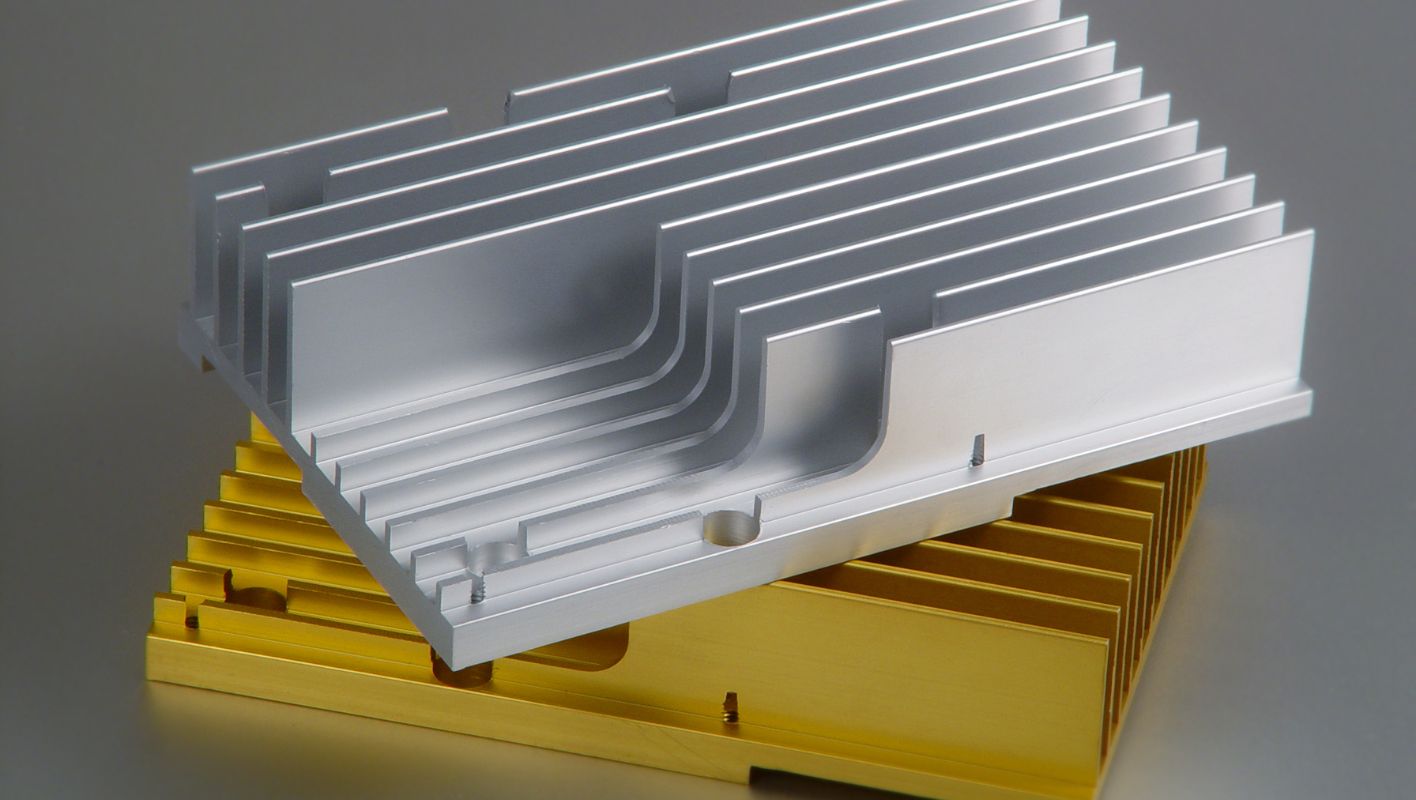
Choosing the right heatsink material can feel like navigating a maze, but it’s crucial for keeping electronics cool and efficient.
Copper heatsinks are generally more effective at dissipating heat due to their superior thermal conductivity. In contrast, aluminum is lighter and often more cost-effective, making it suitable for applications where weight and budget are priorities.
Deciding between copper and aluminum heatsinks isn’t just about numbers; it’s about understanding what truly matters in your specific situation. I remember my first big project with electronic components—juggling performance needs with budget constraints was a real eye-opener. Copper seemed like the obvious choice for its thermal advantages, but aluminum’s cost and weight benefits made me reconsider. Let’s dive into how these materials really compare when you factor in real-world applications, financial considerations, and other important aspects that could sway your decision.
Copper heatsinks have higher thermal conductivity than aluminum.True
Copper's thermal conductivity is 401 W/mK, higher than aluminum's 237 W/mK.
Aluminum heatsinks are generally heavier than copper ones.False
Aluminum is lighter, making it a preferred choice for weight-sensitive applications.
Why Are Copper and Aluminum Different in Thermal Conductivity?
Have you ever wondered why some materials cool faster than others? It’s all about thermal conductivity, and copper and aluminum are top contenders. Let’s dive into their differences!
Copper boasts a thermal conductivity of around 400 W/mK, significantly outpacing aluminum’s 237 W/mK. This makes copper a prime choice for heat dissipation tasks, despite its higher cost and weight.
Understanding Thermal Conductivity
Let me take you back to when I first got intrigued by thermal conductivity during a summer internship. I was working on a project that required selecting the best materials for a heatsink. That’s when I learned that thermal conductivity is the measure of a material’s ability to conduct heat, expressed in watts per meter-kelvin (W/mK). For things like CPU coolers1, picking the right material is absolutely crucial.
Comparing Copper and Aluminum
| Property | Copper | Aluminum |
|---|---|---|
| Thermal Conductivity | 400 W/mK | 237 W/mK |
| Density | 8.96 g/cm³ | 2.70 g/cm³ |
| Cost (per kg) | Higher | Lower |
The stark difference in thermal conductivity between copper and aluminum became apparent when I started comparing materials for a new product line. Copper’s impressive ability to dissipate heat quickly made it the go-to choice for high-performance electronics. However, its higher density and price often meant it wasn’t always practical for every project.
Practical Applications
I remember discussing material choices with a colleague who worked in the aerospace2 sector. We both agreed that despite its lower thermal conductivity, aluminum was often preferred because of its lightweight and cost-effectiveness—critical factors when designing aircraft.
On the flip side, when dealing with industrial machinery components3, where weight isn’t as much of a constraint, copper’s superior heat dissipation capabilities can be fully utilized to boost performance.
The Role of Alloys
In many cases, I’ve found that using alloys strikes a balance between copper and aluminum’s properties. For example, enhancing aluminum with small amounts of other metals can improve its thermal attributes without blowing the budget. This strategy is particularly common in automotive4 applications where specific performance characteristics are needed.
Through all these experiences, I’ve come to appreciate how nuanced material selection can be. It’s not just about numbers—it’s about understanding how those numbers translate into real-world applications and solving the puzzle of finding the best fit for each unique challenge.
Copper has higher thermal conductivity than aluminum.True
Copper's thermal conductivity is 400 W/mK, while aluminum's is 237 W/mK.
Aluminum is denser than copper.False
Copper's density is 8.96 g/cm³, higher than aluminum's 2.70 g/cm³.
How Do Copper and Aluminum Heatsinks Compare in Cost and Weight?
Ever stood in front of a project decision and wondered if you’re choosing the right materials? Let’s dive into the world of copper and aluminum heatsinks to see how they stack up in cost and weight.
Copper heatsinks are heavier and pricier compared to aluminum ones, making aluminum a popular choice for cost-effective and lightweight applications.
Understanding Material Properties
When I first got into the world of metal processing, it was like entering a new universe. The properties of materials, like copper and aluminum, played a huge part in my learning curve. Copper, with its superior thermal conductivity, was fascinating to me. But then there’s aluminum—light as a feather with a pretty good strength-to-weight ratio. Imagine working on a project where every gram counts; aluminum suddenly becomes your best friend.
Copper and aluminum are both highly conductive materials often used in thermal management5 systems.
| Material | Thermal Conductivity (W/mK) | Density (g/cm³) |
|---|---|---|
| Copper | 400 | 8.96 |
| Aluminum | 235 | 2.70 |
Cost Considerations
In the early days of my career, the budget was always at the forefront of every decision. Copper heatsinks are undeniably efficient, but their cost could easily tip the scales in large projects. On the other hand, aluminum heatsinks, with their balance of cost and performance, often emerged as the practical choice when every penny mattered.
Copper heatsinks tend to be more expensive due to the material’s higher density and cost of production. This can significantly impact the budget of large-scale projects. Meanwhile, aluminum heatsinks are more economical and provide a balance between cost and performance, making them ideal for budget-sensitive6 applications.
Weight Implications
I remember a project in the aerospace sector where reducing weight was non-negotiable. Aluminum was our go-to because of its light nature. It’s amazing how such a lightweight material can maintain performance without adding unnecessary burden—perfect for those applications where every bit of weight reduction counts.
When weight is a critical factor, aluminum is often preferred due to its lightweight nature. In applications like aerospace or consumer electronics where weight reduction7 is vital, aluminum heatsinks help maintain performance without adding unnecessary load.
Practical Applications
In my experience, selecting the right material isn’t just about numbers; it’s about knowing your needs. For high-performance settings like gaming PCs, copper shines bright due to its excellent conductivity. But for consumer electronics or automotive parts, aluminum’s affordability and versatility make it unbeatable.
While copper’s excellent conductivity is beneficial in high-performance environments such as gaming PCs and servers, aluminum’s versatility and affordability make it suitable for consumer electronics and automotive industries.
Each project has its unique requirements, and understanding them is key to optimizing system performance8. Choose wisely based on what your application demands.
Copper heatsinks are lighter than aluminum ones.False
Copper is denser than aluminum, making copper heatsinks heavier.
Aluminum heatsinks are more cost-effective than copper.True
Aluminum is cheaper and lighter, offering a balance of cost and performance.
What Are the Practical Applications for Each Material?
Ever wondered why some materials are perfect for certain jobs while others just don’t make the cut? Dive in to discover the magic behind metals, plastics, ceramics, and composites in our everyday world.
Materials like metals, plastics, ceramics, and composites each have unique properties making them ideal for specific applications. For example, metals such as steel are crucial in construction, while plastics excel in electronics. Understanding these applications helps in choosing the right material for each task.
Metals: Strength and Versatility
Metals have always fascinated me, from my first job at a metal processing factory to now running my own company. There’s something awe-inspiring about how steel, with its strength and flexibility, underpins our world’s tallest structures. Every time I pass a skyscraper, I think about how essential steel is to its backbone. Then there’s aluminum, a material I often admired when watching airplanes take flight—its lightweight nature makes it indispensable in aerospace.
Titanium—now there’s a marvel! Its strength-to-weight ratio and corrosion resistance are incredible, especially in aerospace and medical fields9. And let’s not forget copper, the unsung hero of electrical wiring due to its superb conductivity. It’s the reason our gadgets work smoothly.
| Metal | Key Application | Notable Property |
|---|---|---|
| Steel | Construction | High tensile strength |
| Aluminum | Aerospace | Lightweight |
| Titanium | Aerospace, Medical | Corrosion resistance |
| Copper | Electronics | High conductivity |
Plastics: Adaptability and Innovation
Plastics are everywhere in our lives, a realization that hit me hard when I was tasked with sourcing materials for an automotive project. Polyethylene became my go-to for packaging because of its durability and moisture resistance. In the automotive world, polypropylene shines in parts like bumpers due to its flexibility.
I remember a time when I had to find a cost-effective solution for disposable goods—polystyrene was the answer with its lightweight nature. And polycarbonate, what a lifesaver it was for safety equipment—its impact resistance is unrivaled.
| Plastic | Key Application | Notable Property |
|---|---|---|
| Polyethylene | Packaging | Moisture resistance |
| Polypropylene | Automotive | Flexibility |
| Polystyrene | Consumer Goods | Lightweight |
| Polycarbonate | Safety Equipment | Impact resistance |
Ceramics: Endurance and Heat Resistance
Ceramics always remind me of family dinners with porcelain dishes—beautiful yet durable. Their ability to withstand high temperatures makes them ideal for household fixtures and beyond. When I explored the electronics industry, I was amazed by silicon carbide, which acts as a semiconductor in high-temp settings.
And then there’s alumina, which I’ve used in cutting tools for its hardness. Zirconia has been a game-changer in dental implants, thanks to its wear resistance.
Composites: Tailored Performance
Composites are like the best of both worlds, merging materials to enhance strengths while minimizing weaknesses. I first encountered carbon fiber-reinforced polymers in sports equipment—its strength-to-weight ratio is unbeatable.
Glass fiber composites struck me as particularly versatile, finding their way into everything from building panels to boat hulls. Their corrosion resistance is a huge advantage in these applications. I’m always on the lookout for innovative uses10 of composites—they never cease to amaze.
Choosing the right material isn’t just about functionality—it’s about ensuring the success of a project by aligning material properties with specific needs. Whether you’re constructing a skyscraper or designing cutting-edge electronics, understanding these materials is crucial.
Steel is used in aerospace for its lightweight properties.False
Steel is used in construction, not aerospace. Aluminum is used for its lightweight.
Polyethylene is commonly used in packaging for moisture resistance.True
Polyethylene's durability and moisture resistance make it ideal for packaging.
Which Heatsink Material Is More Sustainable?
Ever wondered how your choice of heatsink material could impact the environment? Let’s dive into a more sustainable future with smarter material choices.
Aluminum is a more sustainable choice for heatsinks compared to copper, mainly due to its lower environmental impact and high recyclability. While both materials offer great thermal properties, aluminum’s lightweight nature also helps reduce transportation emissions, making it an eco-friendlier option.
Comparing Environmental Impacts of Copper and Aluminum
I remember the first time I walked through a bustling factory floor, the hum of machines filling the air. It was there I learned about the environmental cost11 of materials we often take for granted. Copper mining, for example, involves intensive extraction processes that can really damage the environment. On the other hand, aluminum is one of the most abundant elements in the earth’s crust, which makes it less taxing to extract.
Recyclability and Energy Efficiency
During my journey in the metal processing world, I’ve seen firsthand how recycling can transform industries. Aluminum is a recycling superstar—it’s like that friend who always comes through in a pinch, retaining all its properties without losing quality. The kicker? It only needs 5% of the energy required for its original production! Copper, while also recyclable, requires more energy, making aluminum a more energy-efficient choice.
| Material | Recyclability | Energy Savings |
|---|---|---|
| Aluminum | High | 95% |
| Copper | Moderate | 85% |
Thermal Performance and Weight Considerations
Now, let’s talk performance. Both copper and aluminum have fantastic thermal conductivity, but copper does have the edge here. However, in many applications where weight is a factor—like in aerospace—aluminum’s lightweight nature12 (which I’ve seen save on costs and emissions) offers significant advantages.
Industry Trends Towards Sustainability
I’ve noticed a shift in the industry over the years; sustainability isn’t just a buzzword anymore. Companies are investing heavily in research to create eco-friendly alloys13 that don’t compromise on performance but do lighten our ecological footprint. Innovations in heatsink design also help optimize material usage, pushing sustainability efforts further.
By diving into these aspects, we can make decisions that satisfy both our performance needs and environmental goals—a balance that’s increasingly crucial in today’s world.
Aluminum requires 5% of initial energy for recycling.True
Aluminum recycling is energy-efficient, using only 5% of the original production energy.
Copper has better thermal conductivity than aluminum.True
Copper's thermal conductivity is superior, enhancing its heat dissipation capabilities.
Conclusion
Copper heatsinks excel in thermal conductivity but are heavier and costlier than aluminum, which is lighter, more affordable, and eco-friendly, making it suitable for various applications.
-
Discover which materials offer the best thermal conductivity for efficient CPU cooling. ↩
-
Explore why aluminum is often preferred over copper in aerospace applications. ↩
-
Learn how copper’s thermal properties benefit industrial machinery components. ↩
-
Understand how aluminum alloys enhance performance in automotive manufacturing. ↩
-
Explore detailed comparisons of copper and aluminum in thermal management applications to understand their roles better. ↩
-
Understand the cost differences between copper and aluminum heatsinks for better budgeting in projects. ↩
-
Learn how aluminum heatsinks contribute to weight reduction in various applications. ↩
-
Gain insights into how copper and aluminum heatsinks affect system performance across different scenarios. ↩
-
Explore how titanium’s biocompatibility makes it perfect for durable medical implants. ↩
-
Uncover cutting-edge applications of composites in modern industries. ↩
-
Explore the environmental consequences of mining these materials to understand their sustainability differences. ↩
-
Discover why aluminum’s lightweight properties are advantageous in various applications. ↩
-
Learn about innovative alloys that offer sustainability benefits while maintaining performance. ↩






