
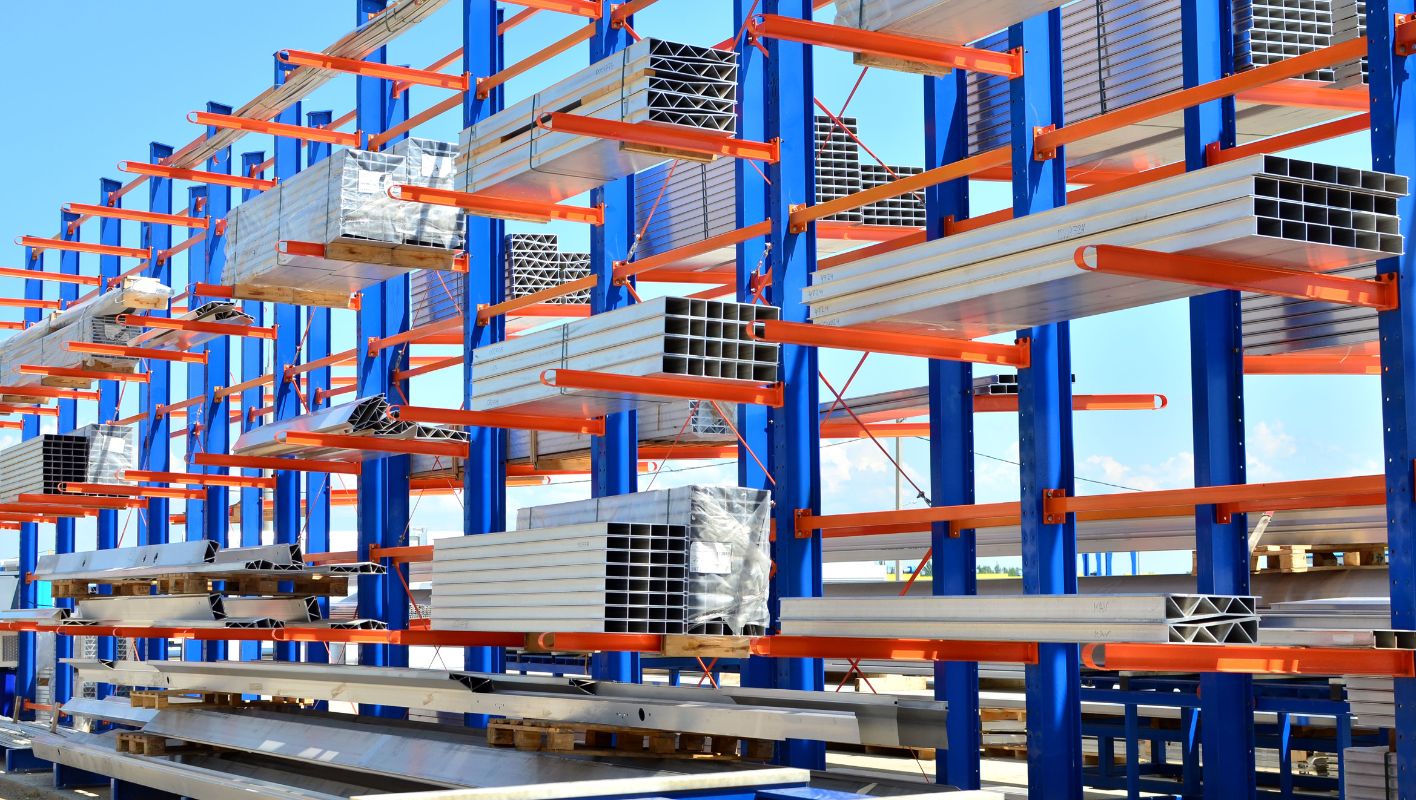
Navigating aluminum extrusion costs is like unraveling a financial puzzle that can make or break your project.
The cost of aluminum extrusion usually involves die expenses, material charges, and processing fees. These fluctuate depending on the intricacy of the design, production volume, and your specific project needs.
When I first delved into aluminum extrusion costs, I was surprised by how each component could be optimized. Understanding these elements in detail can transform how you budget and execute your projects, ensuring they are both efficient and cost-effective. Let’s dig deeper to see how these costs add up and where savings might be found.
Complex designs increase aluminum extrusion costs.True
Complexity in design often leads to higher die and processing expenses.
Die costs are the only expense in aluminum extrusion.False
Die costs are just one part; material prices and processing fees also apply.
How Do Die Costs Affect Aluminum Extrusion Pricing?
Ever wondered how the cost of creating a die can influence the pricing of aluminum extrusion? Let’s dive into this key aspect that shapes project budgets and outcomes.
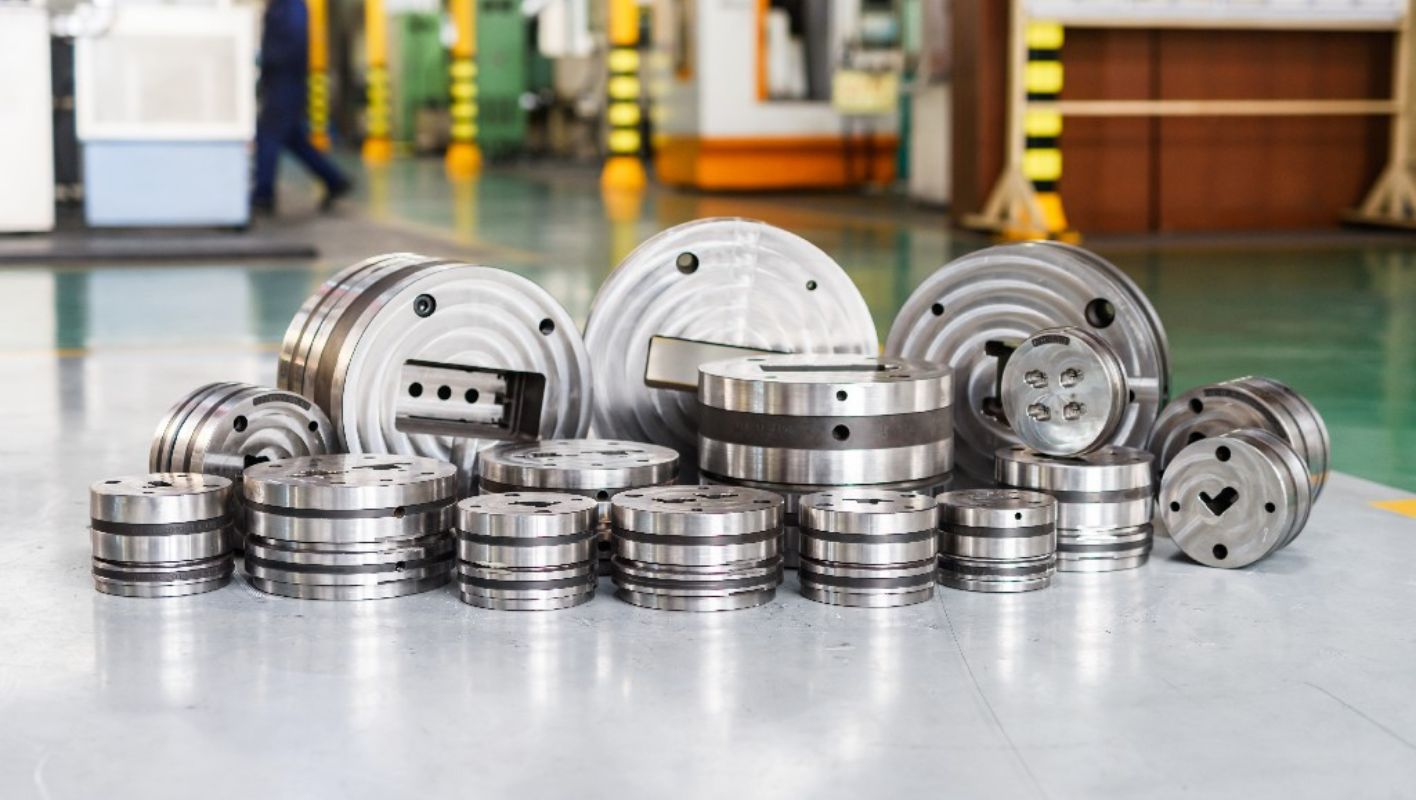
Die costs in aluminum extrusion significantly influence pricing due to factors like design complexity, material choice, and production volume. Custom dies often lead to higher costs, making them a crucial element in determining the final extrusion price.
What Are Die Costs?
When I first stepped into the world of metal processing, understanding die costs seemed like decoding a mystery novel. Die costs in aluminum extrusion are all about crafting a specific tool or mold to shape your desired profile. This involves designing, machining, and testing the die until it meets precise standards. I remember the first time I watched a die being tested—it was like witnessing art in motion. These costs are foundational as they set the stage for extrusion efficiency1 and quality.
Factors Affecting Die Costs
Several factors come into play when determining die costs:
- Complexity of Design: The more intricate the design, the more detailed the die required. It’s like comparing a simple cookie cutter to an elaborate cake mold.
- Material Type: Choosing between steel or carbide influences both durability and cost. I once had a project where opting for carbide saved us in the long run.
- Production Volume: Higher volumes spread out the die investment, justifying the initial cost. During one large-scale project, seeing how these costs balanced out was a revelation.
Impact on Extrusion Pricing
Die costs are a significant part of aluminum extrusion pricing. Here’s a simplified breakdown:
| Factor | Impact on Cost |
|---|---|
| Design Complexity | Increases initial costs |
| Material Choice | Affects durability/cost |
| Production Volume | Lowers unit cost |
The initial die cost is amortized over the production run, meaning larger volumes reduce the per-unit cost impact. However, if you’re working on smaller runs or highly customized profiles, those initial die costs can make a big dent.
Custom Dies vs. Standard Dies
Choosing between custom and standard dies is like deciding whether to tailor-make your suit or buy off the rack. Custom dies offer unique profiles but come with steeper upfront costs. I learned this during a project where a custom die was essential for precision but required careful budget balancing. Standard dies, on the other hand, have lower initial costs due to shared design elements but might not offer the precision needed for specialized applications.
Understanding these aspects empowers procurement specialists like John to make informed choices, juggling quality needs and budget constraints in aluminum extrusion projects2. It’s all about finding that sweet spot where cost, quality, and quantity align perfectly.
Die material choice affects extrusion pricing.True
Different materials, like steel or carbide, vary in cost and durability.
Custom dies lower initial extrusion costs.False
Custom dies have higher upfront costs due to unique design requirements.
How Do Material Prices Affect Aluminum Extrusion Costs?
Ever found yourself puzzled over why aluminum extrusion costs fluctuate so much? I have, and understanding it has been quite the journey.
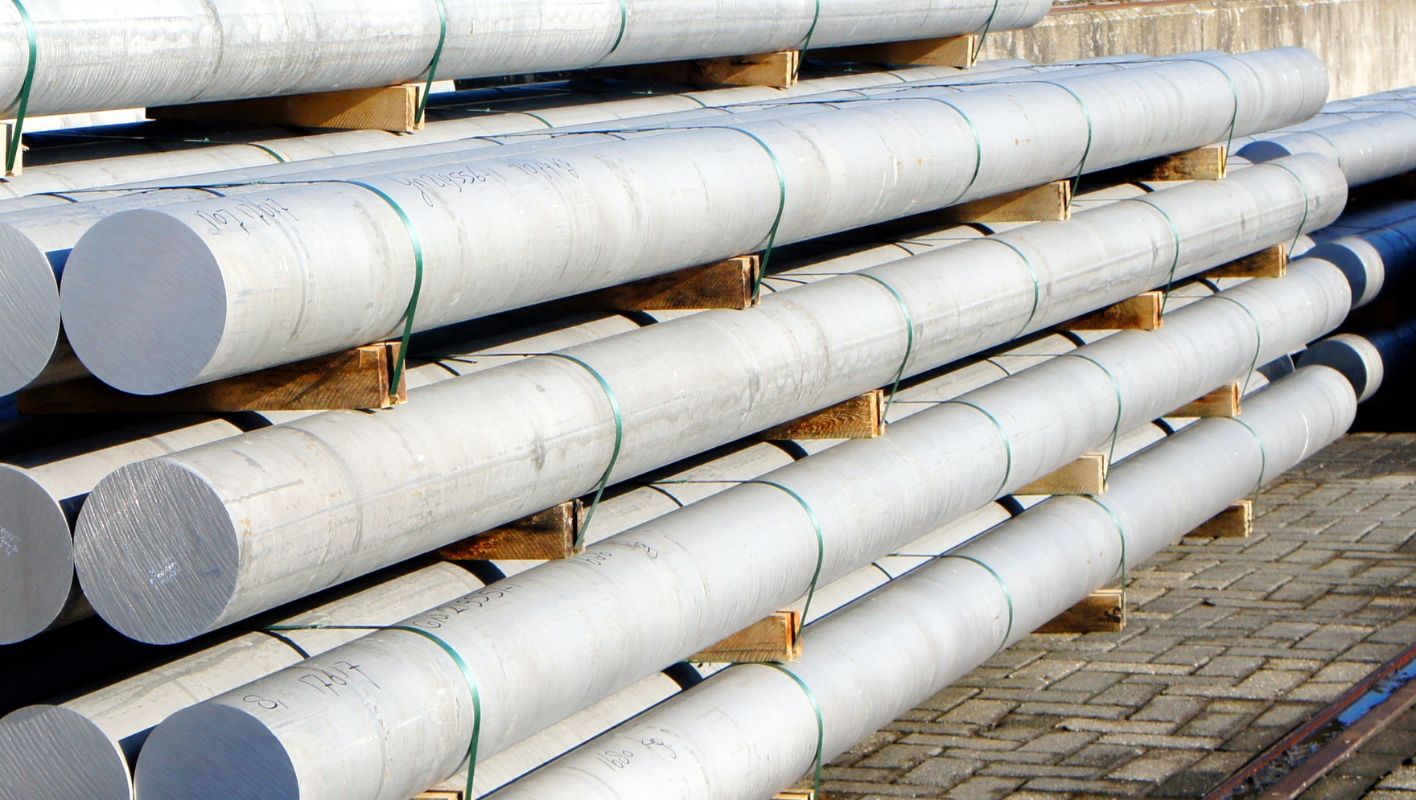
Material prices are a major factor in aluminum extrusion costs, as they make up a significant part of the expenses. Changes in raw aluminum prices can shift production budgets, influencing how profitable and competitive manufacturing projects can be.
The Impact of Raw Aluminum Prices
Let me take you back to a time when I had to juggle numbers and balance sheets at work. I remember poring over cost reports, trying to get a handle on how raw aluminum prices seemed to have a mind of their own. Raw materials, especially aluminum, can eat up about 60-70% of the total extrusion cost. It was a real eye-opener for me when I realized that a sudden spike in aluminum prices could mess up our entire budget and throw timelines off track.
| Component | Percentage of Total Cost |
|---|---|
| Raw Aluminum | 60-70% |
| Labor and Overheads | 20-30% |
| Energy Costs | 10-15% |
As seen above, raw aluminum often represents a significant portion3 of the total cost structure. Variations in these prices can drastically affect project budgets and timelines.
Market Dynamics Influencing Prices
I’ve learned that keeping up with market trends is as essential as my morning coffee. Global supply-demand shifts, unexpected geopolitical hiccups, and changing production costs are just a few factors that can send aluminum prices on a rollercoaster ride. Diving into market analysis4 reports and commodity forecasts5 has become my go-to strategy for staying ahead of the curve.
Strategies to Mitigate Price Fluctuations
Navigating through the choppy waters of material pricing, I’ve discovered a few strategies that help in keeping things stable:
- Long-term Contracts: By locking in prices with long-term agreements, I’ve managed to avoid some nasty surprises.
- Hedging: Financial instruments for hedging against price swings have been lifesavers.
- Recycling Initiatives: Focusing on recycled aluminum not only saves money but also feels like doing my bit for the planet.
These strategies have helped me—and many like me—gain some control over costs, making financial outcomes more predictable despite the uncertainties of the market.
The Role of Technology in Cost Management
In this tech-savvy world, ignoring technology is like trying to drive with your eyes closed. Advanced software solutions that provide real-time updates on material prices have transformed my decision-making process. By integrating these technological solutions6, I’ve managed to stay competitive while keeping costs in check.
With these tools and strategies, I feel better prepared to tackle market dynamics head-on, ensuring our manufacturing processes not only survive but thrive in these unpredictable times.
Raw aluminum costs 60-70% of extrusion expenses.True
Raw aluminum is the largest cost component, forming 60-70% of expenses.
Recycling reduces reliance on virgin aluminum materials.True
Recycling initiatives can lower dependency on new aluminum, stabilizing costs.
How Does Production Volume Affect the Cost of Aluminum Extrusion?
Ever wondered how the number of parts you produce affects the cost of aluminum extrusion? Let me take you through my journey and unravel this mystery.
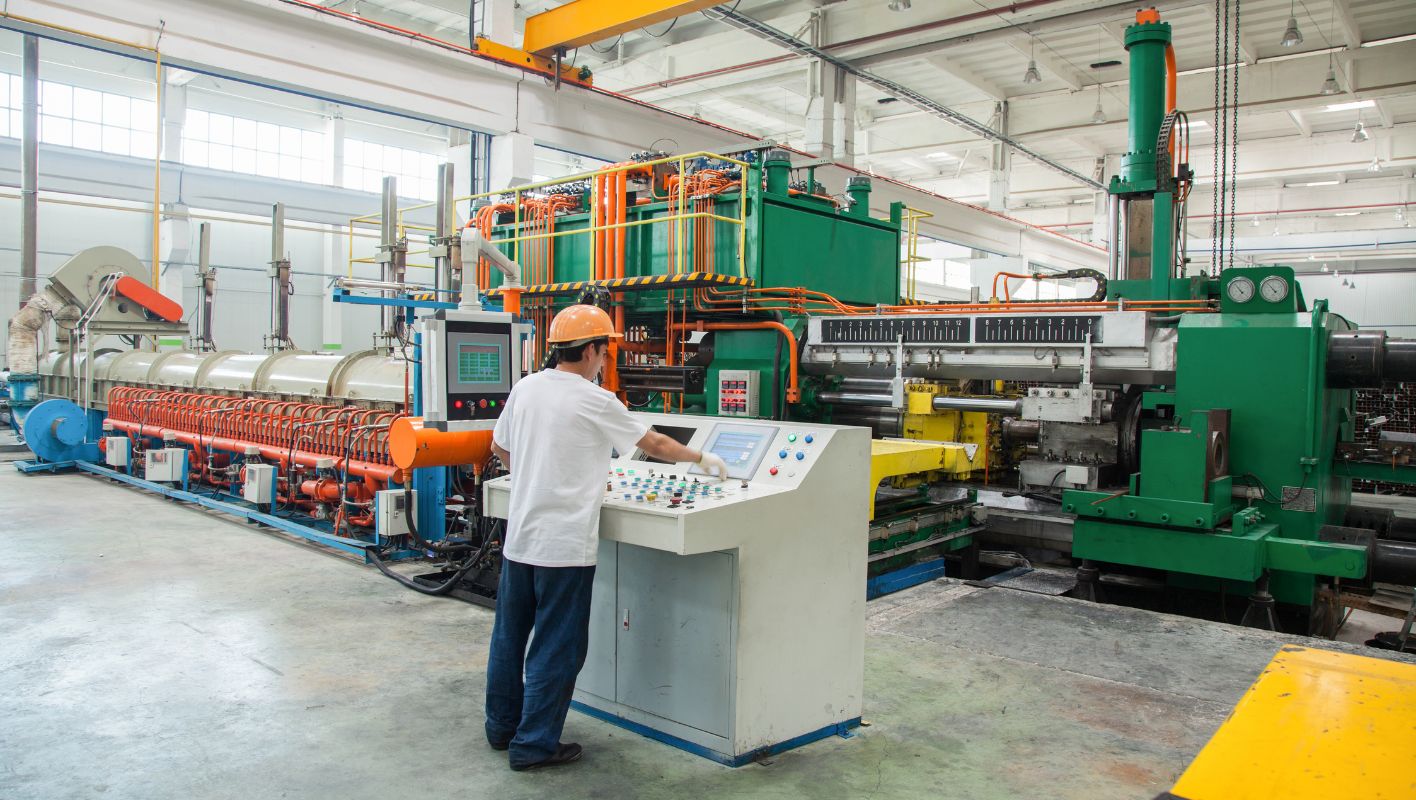
Higher production volumes typically reduce the cost per unit in aluminum extrusion due to economies of scale. Fixed costs, like setup and tooling, spread over more units, making each one cheaper to produce.
Economies of Scale in Aluminum Extrusion
I remember when I first realized the power of economies of scale in our manufacturing processes. It was like a lightbulb moment! You see, when we ramped up production volumes, those pesky fixed costs—setup fees, tooling expenses—suddenly seemed less daunting as they were spread across a larger batch of units. The cost per unit? It plummeted.
| Production Volume | Fixed Cost Per Unit | Variable Cost Per Unit | Total Cost Per Unit |
|---|---|---|---|
| Low | High | Moderate | High |
| Medium | Moderate | Moderate | Moderate |
| High | Low | Moderate | Low |
Impact of Raw Material Costs
Navigating raw material costs was like riding a rollercoaster. One day, the prices were up; the next, they dropped. By purchasing in bulk, we snagged some pretty sweet discounts, lowering our per-unit cost. But let’s not forget about the global market—it could flip our plans upside down if we weren’t careful. Keeping an eye on market conditions7 became part of our daily routine.
Influence of Process Efficiency
Then there was the thrill of boosting our process efficiency. Implementing new technologies and streamlining operations was like tuning a high-performance car. Less waste, lower energy consumption, and a nod towards sustainability—these efforts didn’t just save us money but aligned with our broader goals too. Who knew energy-efficient technologies8 could pack such a punch?
Customization and Complexity
And let’s talk design complexity! While intricate designs can add flair, they also ramp up production time and labor costs. I learned the hard way that there’s a delicate dance between the level of customization and production volume to keep things cost-effective. Striking that balance was key to optimizing our processes.
In conclusion, diving into these factors was not just a technical exercise for me—it was a strategic game-changer. Understanding these nuances helped me not just in planning but also in executing aluminum extrusion projects without breaking the bank or compromising on quality.
Higher production volume reduces unit cost in extrusion.True
Economies of scale lower fixed costs per unit, reducing overall expenses.
Complex designs decrease the cost-efficiency of extrusion.True
Intricate designs increase production time and labor costs, affecting efficiency.
How Can I Optimize Costs in Aluminum Extrusion Projects?
Navigating the costs of aluminum extrusion projects can feel daunting, but with the right strategies, you can save significantly while enhancing efficiency.
To optimize costs in aluminum extrusion projects, I focus on choosing the right materials, streamlining design processes, and embracing advanced manufacturing techniques. These strategies not only cut expenses but also improve project outcomes.
Strategic Material Selection
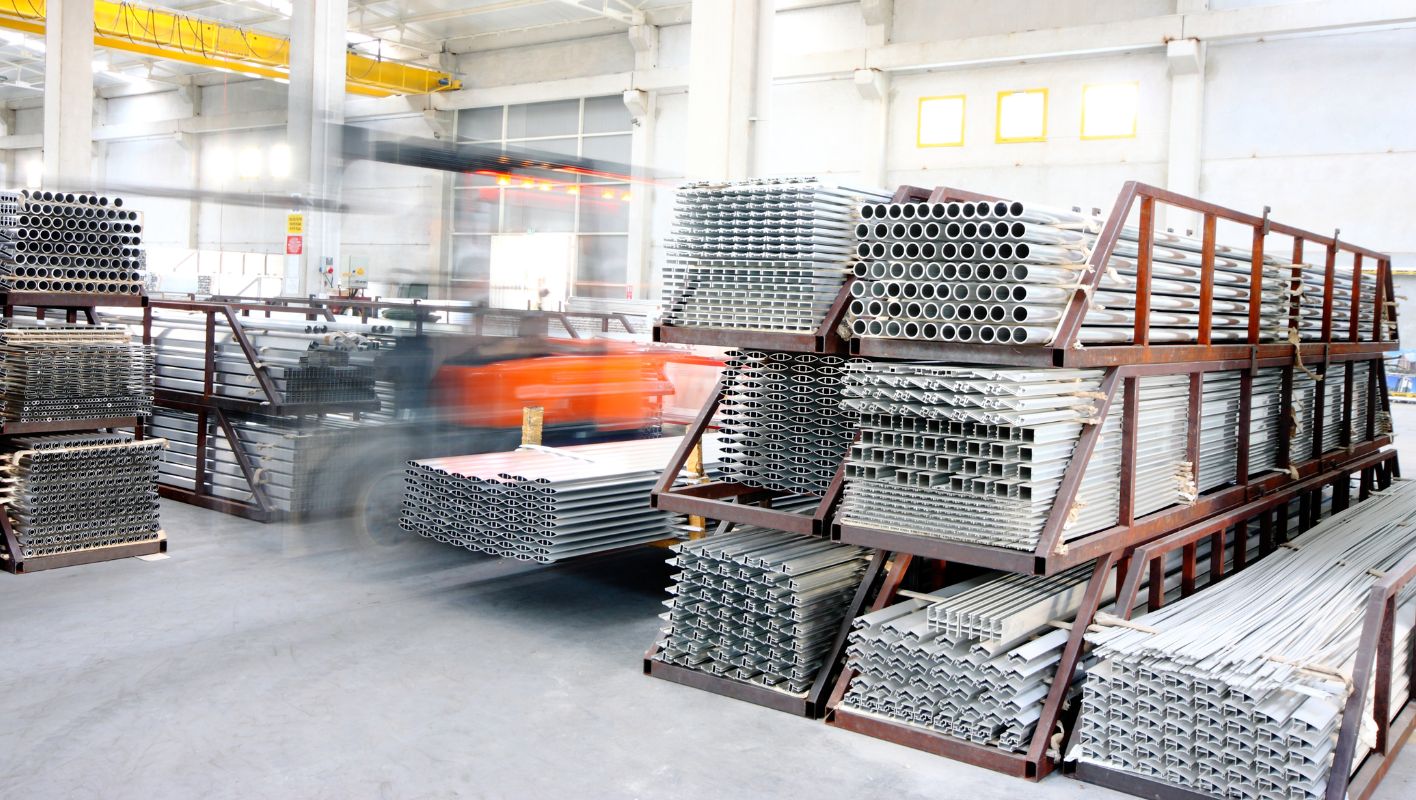
When I first started working with aluminum extrusion projects, I learned that selecting the right material can make all the difference. It’s like choosing the perfect ingredients for a recipe. Opting for aluminum alloys that provide the strength and flexibility needed while minimizing waste is key. Alloys like 6061 or 6063 are often my go-to choices because they offer a great balance of cost-effectiveness9 and performance.
Efficient Design Processes
Designing efficiently is another crucial piece of the puzzle. I remember a time when a complex design nearly derailed a project due to excessive machining time and material usage. Since then, I’ve leaned heavily on CAD software to simplify designs and simulate outcomes before production kicks off. This has helped me collaborate better with design experts who really understand the ins and outs of extrusion processes10.
Advanced Manufacturing Techniques
Embracing advanced manufacturing techniques was a game changer for me. Implementing automation in production lines drastically reduced labor costs, and using robotics and AI-driven machinery ensured precision, cutting down on material waste significantly. Plus, investing in energy-efficient equipment has helped me lower operational expenses, a win-win situation.
| Technique | Benefit |
|---|---|
| Automation | Reduces labor costs |
| AI Machinery | Increases precision |
| Energy-efficient Equipment | Lowers operational expenses |
Sustainable Practices
Incorporating sustainable practices into my projects not only helps with cost optimization but also aligns with the global push towards eco-friendliness. By recycling scrap materials and utilizing renewable energy sources, I’ve seen significant savings over time. For example, adopting a closed-loop recycling system ensures efficient reuse of waste materials, which is something I’ve explored through sustainable manufacturing practices11.
Supplier Collaboration
Finally, building strong relationships with suppliers has been invaluable. I engage with them early in the project to discuss potential cost-saving measures. This collaboration often leads to bulk purchase discounts and priority access to materials—something that can’t be understated in its importance for overall project success. Exploring partnership benefits12 has truly been a cornerstone of my strategy.
6061 and 6063 alloys minimize waste in extrusion projects.True
These alloys are cost-effective, offering strength and flexibility.
Automation increases labor costs in aluminum extrusion.False
Automation reduces labor costs by minimizing manual intervention.
Conclusion
Aluminum extrusion costs vary based on die expenses, material prices, and production volume. Understanding these factors helps optimize budgets and improve project efficiency.
-
Explore how optimizing extrusion efficiency can lead to cost savings and improved product quality. ↩
-
Discover effective strategies for managing costs in aluminum extrusion projects. ↩
-
Explore a detailed breakdown of costs involved in aluminum extrusion, emphasizing the role of raw material prices. ↩
-
Understand the latest trends in the aluminum market that influence pricing and supply chain decisions. ↩
-
Access forecasts and analyses that predict future trends in aluminum pricing to aid strategic planning. ↩
-
Explore innovative technological solutions designed to monitor and manage material cost fluctuations effectively. ↩
-
Monitoring market conditions aids in strategic purchasing decisions, reducing overall material costs. ↩
-
Implementing energy-efficient technologies reduces operational costs and supports sustainability initiatives. ↩
-
Explore the benefits of using aluminum alloys like 6061 or 6063 for cost-effective extrusion. ↩
-
Learn about efficient design practices that minimize waste in aluminum extrusion projects. ↩
-
Discover sustainable practices that optimize costs and align with eco-friendly goals. ↩
-
Understand how partnering with suppliers can lead to cost savings and improved efficiency. ↩






