
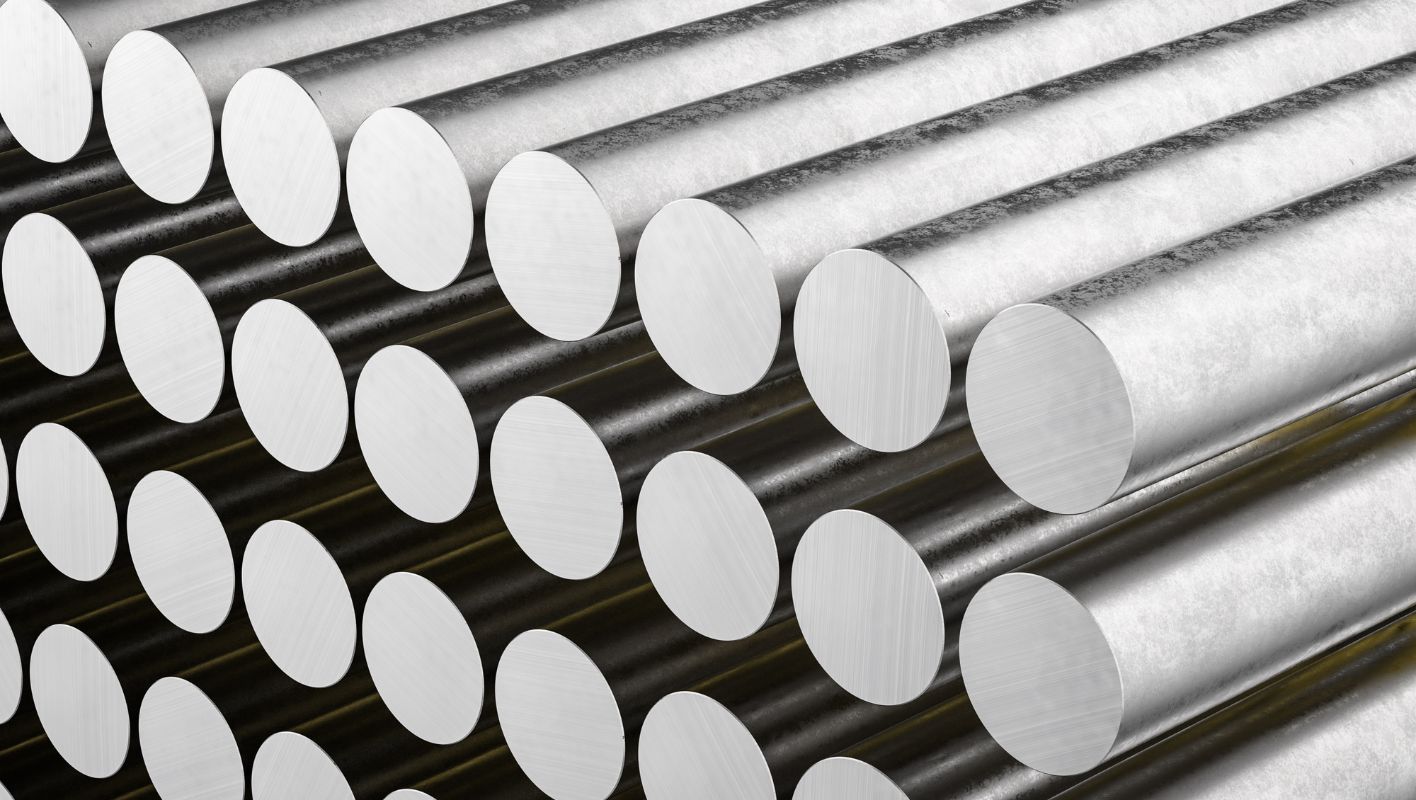
Ever wondered why 2024 grade aluminum is such a hot topic in aerospace circles? Let me take you on a journey through its remarkable strengths.
2024 grade aluminum is celebrated for its high strength and excellent fatigue resistance, making it an ideal choice for demanding aerospace applications.
I remember the first time I encountered 2024 grade aluminum—like meeting a celebrity of the metal world. Its reputation for strength and machinability was well-earned, especially in the rigorous demands of aerospace. Delving into its properties, it’s clear why engineers adore it. From its resilience under pressure to the way it holds up against fatigue, 2024 aluminum doesn’t just meet expectations—it redefines them. If you’ve ever marveled at an aircraft, there’s a good chance this alloy played a crucial role. Comparing it to other alloys like 6061 or 7075 highlights its unique place in the industrial landscape.
2024 aluminum is primarily used in aerospace.True
2024 grade aluminum's high strength and fatigue resistance make it ideal for aerospace.
2024 aluminum is non-heat-treatable.False
2024 aluminum is heat-treatable, enhancing its strength and durability.
Why is 2024 Aluminum a Top Choice in Engineering?
Ever wondered why 2024 aluminum is such a star in the aerospace world? Let me walk you through its impressive qualities.
2024 aluminum boasts impressive strength, excellent fatigue resistance, and machinability, making it ideal for demanding aerospace and automotive applications, though it does need extra corrosion protection.

Key Mechanical Properties of 2024 Aluminum
Let me take you back to my first big project in aerospace manufacturing. I remember standing in awe of how a material like 2024 aluminum could hold its own, literally, in the demanding world of aircraft design1. Its high strength-to-weight ratio is a game-changer. We’re talking about a tensile strength of around 470 MPa! This means it can handle immense stress before even thinking about deforming.
| Property | Value |
|---|---|
| Tensile Strength | ~470 MPa |
| Yield Strength | ~325 MPa |
And then there’s the yield strength, about 325 MPa, providing that reassuring structural reliability which is crucial when safety is on the line.
Fatigue Resistance and Applications
I remember the countless discussions with engineers about the fatigue resistance of 2024 aluminum—it’s one of those materials that just refuses to give up under repetitive loading. Picture the wings of an airplane enduring endless cycles of stress; that’s where 2024 shines. However, I must admit, it does have its Achilles’ heel: lower corrosion resistance compared to other alloys like 6061 or 70752. That’s where protective treatments like anodizing become essential.
Machinability and Surface Treatments
When it comes to machinability, I’ve seen firsthand how easily 2024 aluminum can be manipulated. It’s like the artist’s clay in the metal world—cut, shaped, welded—it’s all part of the process. But don’t forget those surface treatments. Anodizing3 not only boosts its corrosion resistance but also adds a nice touch of aesthetic appeal.
In the end, these mechanical properties make 2024 aluminum a go-to choice for projects that demand high performance under stress, even if it means adding a bit more to protect against corrosion. Understanding these attributes thoroughly has always helped me make informed decisions when selecting materials for tough applications.
2024 aluminum has a tensile strength of ~470 MPa.True
2024 aluminum's tensile strength is indeed around 470 MPa, as per the context.
2024 aluminum is more corrosion-resistant than 6061 alloy.False
2024 aluminum is less corrosion-resistant than 6061, requiring treatments.
How is 2024 Aluminum Used in the Aerospace Industry?
Ever wondered what makes 2024 aluminum a favorite in the skies? Let me take you on a journey through its incredible features and uses in aerospace engineering.
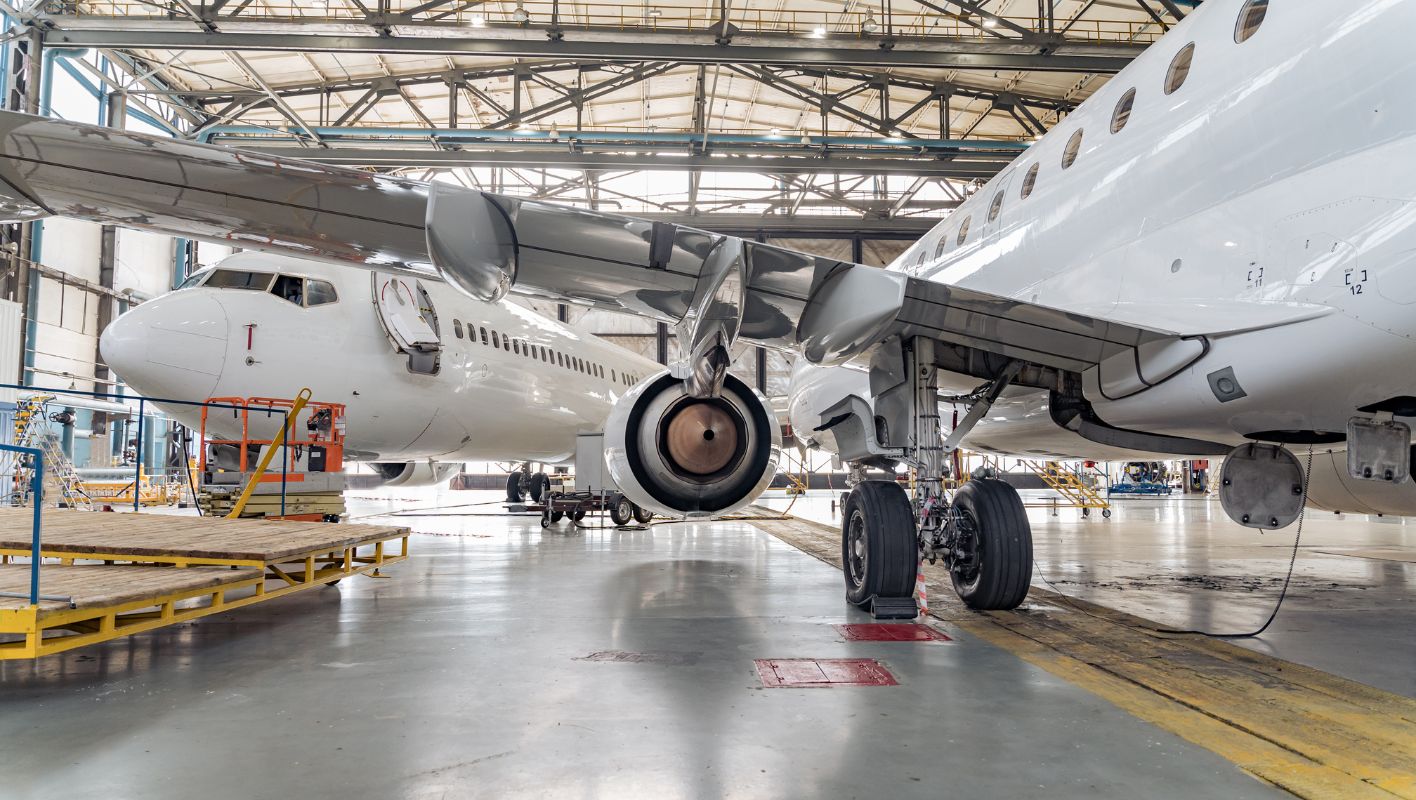
2024 aluminum shines in the aerospace industry due to its impressive fatigue resistance and high strength-to-weight ratio, making it ideal for critical aircraft structures such as fuselage, wings, and tension-bearing components.
Key Properties of 2024 Aluminum
When I first learned about 2024 aluminum, I was amazed by its exceptional strength-to-weight4 ratio. With tensile strength between 470 and 520 MPa, it’s no wonder this alloy is a staple in aerospace. This means it can endure significant stress without compromising on weight, crucial for anything that takes to the skies. Its fatigue resistance is another standout feature, offering longevity that aircraft manufacturers cherish.
Applications in Aircraft Structures
I remember visiting a manufacturing plant where they showed me how 2024 aluminum is used. The fuselage, wings, and other components that bear the brunt of flight stress all rely on this alloy. It’s fascinating to see how something so lightweight can hold up under pressure, literally holding the aircraft together.
Aircraft Components Using 2024 Aluminum
| Component | Role in Aircraft |
|---|---|
| Fuselage | Main body structure |
| Wings | Provide lift and support |
| Ribs and Stringers | Reinforcement and shape |
Comparative Analysis with Other Alloys
Comparing 2024 aluminum with materials like titanium is always intriguing. While titanium boasts superior corrosion resistance, the ease of machinability5 and lighter weight of aluminum often make it more appealing for certain parts. For example, during a project on wing spars, opting for aluminum proved both cost-effective and efficient without sacrificing performance. It’s a reminder that sometimes, lighter can mean mightier.
Future Trends in Aerospace Materials
The future of aerospace materials is exciting. With sustainability at the forefront, recyclable materials and energy-efficient methods are gaining ground. While 2024 aluminum remains vital, I’m keen to see how it will evolve alongside new composites and advanced alloys like aluminum-lithium. Exploring6 these trends gives us a glimpse into a future where traditional materials adapt to meet modern demands.
2024 aluminum has a tensile strength up to 520 MPa.True
2024 aluminum's tensile strength ranges from 470 to 520 MPa, ideal for stress.
Titanium is lighter than 2024 aluminum.False
2024 aluminum is lighter than titanium, often preferred for weight savings.
What are the Advantages and Disadvantages of Using 2024 Aluminum?
Ever wonder why 2024 aluminum is such a big deal in aerospace? Let’s dive into its perks and pitfalls.
2024 aluminum is celebrated for its high strength, fatigue resistance, and machinability, making it perfect for aerospace. Yet, its poor corrosion resistance and welding challenges can be limiting factors.
Advantages of 2024 Aluminum
-
High Strength-to-Weight Ratio
I remember the first time I handled a component made from 2024 aluminum. It was during a factory tour, and I was impressed by how something so light could be so strong. In the aerospace industry, where every ounce counts, this property is invaluable.
-
Fatigue Resistance
Once, while chatting with a fellow engineer over coffee, he mentioned how 2024 aluminum saved them from a redesign nightmare due to its ability to withstand repeated stress. This fatigue resistance is crucial when dealing with dynamic loads7.
-
Good Machinability
The ease of machining this alloy is something I’ve seen first-hand in manufacturing processes. It cuts down production time and costs, which is always a win in my book. Whether for complex manufacturing processes8 or simpler tasks, its machinability shines.
| Property | Benefit |
|---|---|
| High Strength | Ideal for structural applications |
| Lightweight | Reduces overall weight in assemblies |
| Fatigue Resistance | Enhances durability under cyclic loads |
Disadvantages of 2024 Aluminum
-
Poor Corrosion Resistance
I had an experience where we had to coat every piece of 2024 aluminum to prevent corrosion in a humid environment. This lack of natural corrosion resistance means extra steps in corrosive environments9.
-
Difficult to Weld
Welding 2024 aluminum has always been a challenge due to its tendency to crack. I recall a project where we had to rethink our design because welded joints just weren’t feasible.
-
Higher Cost Compared to Other Alloys
Budgeting for projects often makes me wish 2024 aluminum was cheaper. When compared to other options like 6061, it can strain the budget, impacting overall project costs.
| Limitation | Impact |
|---|---|
| Corrosion Resistance | Requires protective treatments |
| Welding Challenges | Limits design flexibility |
| Cost | Affects budget considerations |
For someone like John’s role10 as a procurement director, balancing these pros and cons is crucial. It’s all about making decisions that align with both quality standards and project needs.
2024 aluminum is ideal for corrosive environments.False
2024 aluminum lacks natural corrosion resistance and needs protection.
2024 aluminum has excellent fatigue resistance.True
The alloy withstands repeated stress cycles, making it durable.
How Does 2024 Aluminum Compare to Other Aluminum Alloys?
Remember that time you had to choose between two equally appealing options, like chocolate versus vanilla ice cream? Picking the right aluminum alloy can feel just like that! Let’s dive into how 2024 aluminum shines against others like 6061.
2024 aluminum boasts an impressive strength-to-weight ratio, perfect for aerospace needs. Unlike 6061, it excels in fatigue resistance but requires protective coatings to combat its lower corrosion resistance in harsh environments.
Strength and Weight
Imagine trying to build a plane—every gram counts, right? That’s why 2024 aluminum is a go-to in the aerospace world. It offers a stellar strength-to-weight ratio, meaning you get maximum strength with minimum heft. Now, compare that to 6061 aluminum11, which is decent but not quite as strong pound-for-pound.
| Alloy | Tensile Strength (MPa) | Yield Strength (MPa) |
|---|---|---|
| 2024 | 470-505 | 325-345 |
| 6061 | 241 | 145 |
Corrosion Resistance
Back when I was just starting out, I learned the hard way about the importance of corrosion resistance. The copper in 2024, while great for strength, means it rusts more easily—so you better slap on some protective coatings if it’s going anywhere near salty air or water. On the flip side, 6061’s magnesium and silicon12 give it a natural edge in fighting corrosion, making it a favorite for marine settings.
Fatigue Resistance
You know how some things just keep on going no matter how much you use them? That’s fatigue resistance in action, and 2024 aluminum is a champ at it. It’s like that old reliable car that never lets you down even on the bumpiest roads. This makes it a top choice for parts exposed to constant stress, especially in the high-stakes world of aviation where fatigue failure13 isn’t an option.
Machinability and Cost
Both 2024 and 6061 are pretty friendly when it comes to machinability. You can shape them into complex forms without dulling your tools too fast, although 2024’s hardness might call for advanced techniques14. But here’s the kicker—2024 tends to be pricier.
| Alloy | Machinability | Relative Cost |
|---|---|---|
| 2024 | Good | Higher |
| 6061 | Excellent | Lower |
At the end of the day, choosing between these alloys isn’t just about crunching numbers—it’s about what fits best with your project’s demands. Whether you’re after strength, corrosion resistance, or budget-friendly solutions, knowing these characteristics helps in making savvy decisions, just like our friend John does in his high-stakes procurement role.
2024 aluminum has higher tensile strength than 6061.True
2024 aluminum has a tensile strength of 470-505 MPa, while 6061 is 241 MPa.
6061 aluminum offers better corrosion resistance than 2024.True
6061's magnesium and silicon composition provides better corrosion resistance.
Conclusion
2024 grade aluminum is a high-strength, fatigue-resistant alloy ideal for aerospace applications, known for its excellent machinability but requiring protective coatings due to lower corrosion resistance.
-
Understand why 2024 aluminum’s strength-to-weight ratio makes it ideal for aerospace applications. ↩
-
Explore how fatigue resistance impacts the durability and safety of aircraft materials. ↩
-
Learn how anodizing enhances the corrosion resistance and appearance of aluminum alloys. ↩
-
Discover detailed insights on why the strength-to-weight ratio makes 2024 aluminum essential for aerospace. ↩
-
Understand why machinability is a deciding factor when choosing between aluminum and titanium for aerospace parts. ↩
-
Gain insights into evolving materials like composites and advanced alloys shaping the future of aerospace. ↩
-
Learn about dynamic loads and how they affect material choice in engineering projects. ↩
-
Discover how 2024 aluminum’s machinability benefits complex manufacturing processes. ↩
-
Understand the importance of protective measures for metals in corrosive settings. ↩
-
Learn about the crucial role of procurement directors in sourcing metals effectively. ↩
-
Explore detailed comparisons of tensile strengths between 2024 and 6061 aluminum alloys for informed decision-making. ↩
-
Learn about the natural corrosion-resistant properties of 6061 aluminum, which can influence material selection. ↩
-
Understand why fatigue resistance is critical in material selection for cyclic stress applications like aerospace components. ↩
-
Discover advanced machining techniques that can optimize the crafting of hard aluminum alloys like 2024. ↩






