
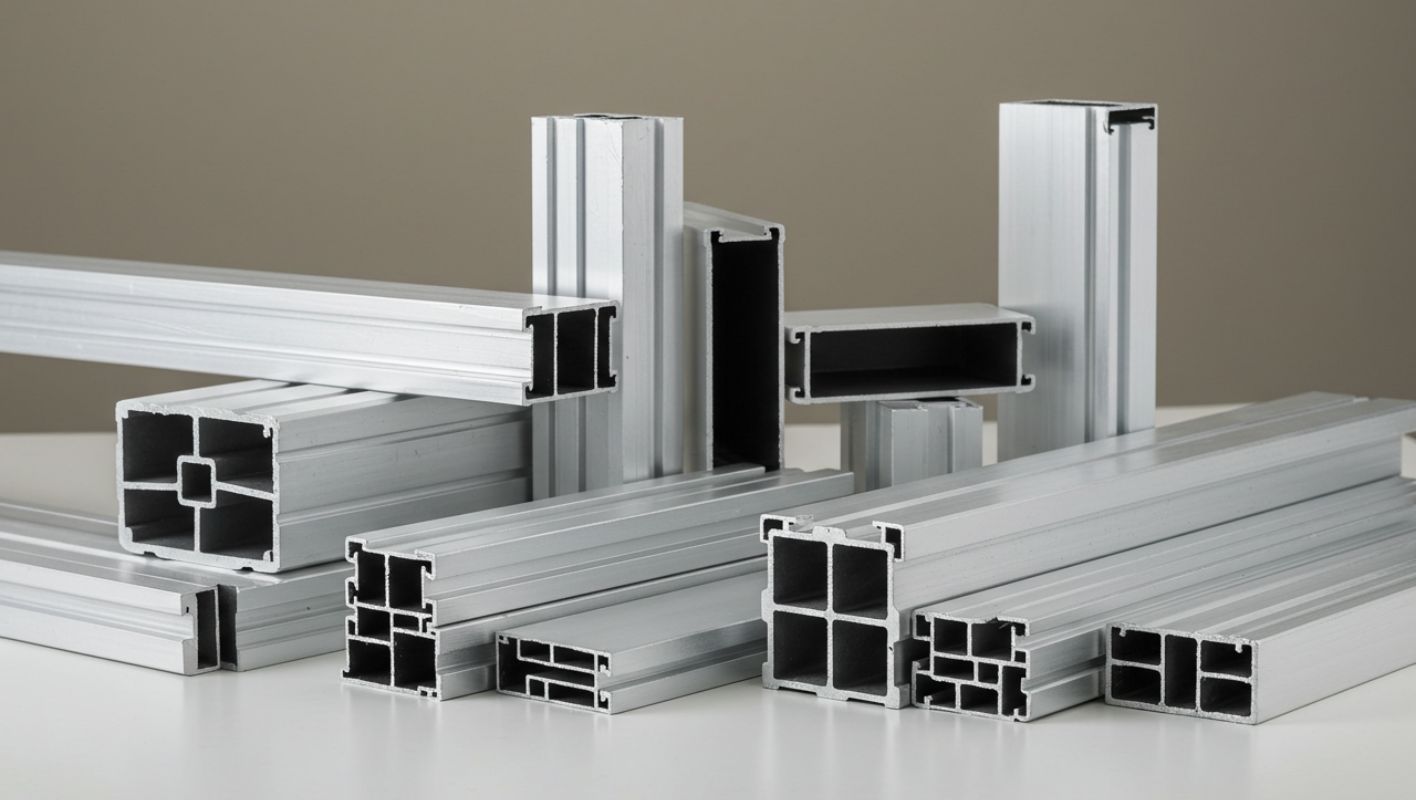
Picture this: you’re bending a metal spoon, and it doesn’t snap. That’s ductility in action, and aluminum is a star performer!
Ductility refers to the ability of a metal to stretch under tensile stress without breaking, making aluminum highly adaptable for various applications due to its ability to form wires, sheets, and more without losing structural integrity.
As I think about my own experiences working with different metals, aluminum’s ductility really stands out. It’s not just about stretching into wires or sheets; it’s about how this flexibility opens up possibilities in design and manufacturing. Imagine constructing an airplane wing or a car frame that needs to be both strong and lightweight. Aluminum’s ductility allows us to shape it precisely without compromising strength. This adaptability means fewer limitations when creating innovative solutions for challenging engineering problems. In comparison with other metals, aluminum’s blend of ductility and strength offers unique advantages, making it indispensable in industries where precision and durability are non-negotiable.
Aluminum is more ductile than steel.True
Aluminum can be stretched into wires and sheets more easily than steel.
Ductility makes aluminum unsuitable for construction.False
Ductility allows aluminum to be shaped without breaking, ideal for construction.
How Does Aluminum’s Ductility Compare with Other Metals?
Ever wondered how aluminum’s flexibility stacks up against other metals?
Aluminum’s ductility makes it ideal for forming into thin wires or sheets, surpassing many metals, including steel, while trailing behind copper.
Understanding Ductility in Metals
I remember the first time I learned about ductility in my early engineering days. It was like discovering a secret language that metals spoke. Ductility is that magical ability of a metal to stretch and bend without breaking, much like how my favorite chewing gum would stretch without snapping. It’s all about how a metal can be pulled into a wire or flattened into a sheet without cracking.
Aluminum’s Ductility in Context
Aluminum holds a special place in my heart, not just because it’s lightweight and handy but because it’s so darn flexible. This metal can be bent and twisted into various forms, making it a superstar in industries like automotive and aerospace. I’ve seen firsthand how aluminum sheets glide through manufacturing lines, morphing into intricate shapes needed for car bodies or aircraft wings.
In comparison:
- Steel: Generally, steel is the more rigid counterpart to aluminum. While working on a project involving steel alloys, I found that its ductility was often sacrificed for strength. Different steel alloys1 can tweak this balance.
- Copper: When I think of copper, I picture those long spools of electrical wire, thin yet strong. Copper’s ductility allows it to be drawn into incredibly fine wires, often favored in electrical applications for its electrical conductivity2.
Factors Influencing Ductility
Several factors can influence a metal’s ductility:
| Factors | Impact on Ductility |
|---|---|
| Temperature | Generally, metals are more ductile at higher temperatures. |
| Alloying Elements | Adding elements can increase or decrease ductility. |
| Processing Methods | Techniques like annealing can enhance ductility. |
Practical Applications of Aluminum’s Ductility
Thanks to its high ductility, aluminum is a favorite in precision forming. I recall a project where we used aluminum for car parts—it was light and allowed for creative designs without adding weight. The icing on the cake? Aluminum is recyclable, keeping those eco-friendly vibes strong. It’s truly a sustainable choice3, fitting right into the green initiatives sweeping through industries.
Understanding these nuances is crucial for people like John, who must make informed decisions about materials for industrial use. Balancing cost, availability, and environmental impact is key to picking the right metal that aligns with production needs and sustainability goals.
Aluminum is more ductile than steel.True
Aluminum can deform more under tensile stress than steel, enhancing formability.
Copper has lower ductility than aluminum.False
Copper exhibits higher ductility, allowing it to be drawn into finer wires.
Why is High Ductility Beneficial in Engineering Applications?
Imagine your car’s body panels absorbing a collision’s impact, keeping you safe inside. That’s the magic of ductility in engineering.
High ductility in engineering materials enhances structural integrity by allowing deformation under stress without fracture. This property ensures components can absorb significant energy, improving safety and longevity in applications like automotive and aerospace engineering.
Importance of Ductility in Material Selection
When I first started diving into the world of engineering materials, the concept of ductility intrigued me. It’s all about how a material stretches under stress without snapping. Picture a paperclip you bend back and forth—its ability to endure this without breaking right away is a small-scale demonstration of ductility. In industries like aerospace4 and automotive, this property becomes crucial as it determines how materials withstand dynamic forces and sudden impacts.
Imagine you’re working on a car design. You want materials that won’t shatter during a crash but will absorb the energy instead. This way, the vehicle’s body crumples strategically to protect passengers—an essential feature of high ductility. Materials like steel and aluminum are often chosen for their ability to deform gracefully under pressure, enhancing safety and efficiency.
| Material | Typical Applications | Benefits of High Ductility |
|---|---|---|
| Steel | Automotive | Energy absorption, malleability |
| Aluminum | Aerospace | Lightweight, prevents fracture |
Enhancing Structural Integrity
In civil engineering, ductility is like an unsung hero. It fortifies buildings and bridges against nature’s wrath—be it earthquakes or heavy winds. I recall a project where we had to ensure a bridge could withstand seismic tremors. By opting for ductile materials, we could design a structure that adapted to ground shifts without catastrophic failure, providing peace of mind to its users.
This ability to sway with the punches rather than break is invaluable, especially in regions prone to natural disasters. Using such materials means fewer repairs and safer environments for communities.
Ductility vs. Malleability: A Comparative Insight
I’ve often encountered confusion between ductility5 and malleability—two distinct material properties that play different roles. While ductility is about stretching into wires, malleability deals with reshaping under pressure, like a blacksmith hammering metal into a desired form.
Understanding this difference helps in selecting the right material for the task at hand. For instance, in metal forming processes where precision is key, knowing that high ductility reduces defects can significantly enhance product quality. As engineers, we balance these factors to ensure our designs are both durable and efficient across various applications.
Ductility enhances safety in automotive applications.True
High ductility allows materials to absorb impact energy, reducing crash damage.
Malleability and ductility are identical properties.False
Ductility involves tensile stress deformation; malleability is compressive.
How Does Ductility Impact Material Choice in Manufacturing?
Choosing the right materials in manufacturing isn’t just a technical decision; it’s an art form.
Ductility, the ability of a material to stretch without breaking, is key in manufacturing. It helps in processes like wire drawing and sheet forming, ensuring materials meet both flexibility and durability needs.
The Role of Ductility in Manufacturing
Imagine you’re trying to mold clay into a sculpture. The clay’s ability to stretch and bend without breaking apart is similar to how ductility works with metals. In manufacturing, ductility allows materials to undergo significant plastic deformation, crucial for processes6 like wire drawing and sheet metal forming. These processes require materials that can withstand extensive shaping without snapping like a twig.
Examples of Ductile Materials
Remember the first time you bent a copper wire and it didn’t break? That’s ductility at work! Copper, aluminum, and certain steels are superheroes of the ductility world. They’re used in applications where flexibility and forming are paramount. For example, I always think about how copper’s high ductility makes it indispensable in electrical wiring—it’s like the unsung hero of our modern world!
| Material | Ductility | Common Uses |
|---|---|---|
| Copper | High | Electrical Wiring, Plumbing |
| Aluminum | Moderate | Aircraft Panels, Beverage Cans |
| Steel | Variable | Construction, Automotive |
Factors Influencing Ductility
Just like how a cake recipe changes with different ingredients and baking temperatures, ductility in materials is influenced by factors like temperature, alloy composition, and processing methods. Have you ever noticed how things get easier when they’re heated? Increasing the temperature generally enhances ductility, which is why hot working processes are often more effective than cold ones.
Selecting Materials Based on Ductility
When it comes to selecting materials for manufacturing, understanding the required level of ductility can guide our decisions. Take automotive manufacturing, for example: components that face high stress and frequent bending need materials with high ductility to ensure they don’t just give up mid-drive!
Challenges in Material Selection
Balancing ductility with other properties such as strength and hardness is like walking a tightrope in manufacturing. Some materials, like titanium, offer moderate ductility but excel in strength—ideal for aerospace applications where you need a bit of both. For those interested in delving deeper into how different materials balance these properties, specialized databases7 provide comprehensive comparisons.
Emerging Trends in Material Science
The landscape of material science is ever-changing, with innovations enhancing ductility through advanced alloying techniques and processing methods. This allows manufacturers to explore less traditional materials while achieving desired levels of ductility. Staying informed about these trends helps us remain competitive by adopting new technologies that improve material performance while keeping costs in check. Recent studies on material science innovations8 offer great insights into these developments.
Copper is used in electrical wiring due to high ductility.True
Copper's high ductility allows it to be easily drawn into wires without breaking.
Increasing temperature reduces material ductility.False
Higher temperatures generally enhance ductility, aiding deformation processes.
How Does Aluminum’s Ductility Drive Modern Innovations?
When I think about aluminum, it’s hard not to marvel at how its ductility transforms industries.
Aluminum’s ductility allows it to be easily molded into lightweight, durable components, revolutionizing sectors like aerospace, automotive, construction, and electronics by boosting efficiency and sustainability.
Aerospace Advancements with Aluminum
Imagine standing at an airfield, watching a plane soar into the sky. It’s awe-inspiring to think about how much aluminum contributes to that magic. In aerospace, aluminum’s ductility is like the secret sauce that makes everything work. It allows manufacturers to create airframes that are not just strong but also incredibly light, boosting fuel efficiency and payload capacity. Take the development of alloy 20249, for instance. This material optimizes the balance between strength and malleability, making it a staple in aircraft structures.
Now, picture the vastness of space. Aluminum’s role in spacecraft design10 is crucial too. Its resilience under stress without significant deformation is key to surviving the harsh conditions of space travel. The flexibility in shaping aluminum components means spacecraft can be custom-designed to perfection.
Automotive Innovations
I’ve always been fascinated by cars, and aluminum plays a huge role in how they’re made today. The ductility of aluminum enables the creation of car bodies that are both lightweight and crash-resistant. Think about it: new techniques like hydroforming11 allow manufacturers to create complex shapes without sacrificing strength.
As electric vehicles (EVs) gain popularity, aluminum’s importance grows even more. Its lightweight nature extends battery life and boosts efficiency. Innovative alloys are being developed to keep up with performance demands while ensuring durability.
Construction Developments
In construction, aluminum’s ductility opens up a world of architectural possibilities. Architects can let their imaginations run wild, designing structures that are both beautiful and functional. Aluminum’s ability to be molded into intricate forms is perfect for modern architecture that demands flexibility and creativity.
When it comes to facade systems12, aluminum offers both aesthetic appeal and practical benefits, like better insulation and less weight on structural components. Plus, these innovations support sustainable building practices by enhancing energy efficiency.
Electronic Advancements
Remember when electronics were big and clunky? Aluminum has helped change that narrative. Its ductility is key in creating components like wiring and casings for electronics. Its excellent conductivity and lightweight nature make it a favorite over traditional materials.
Recent strides in thin-film technologies13 have positioned aluminum at the forefront of microelectronics, where precision is everything. This push towards miniaturization is revolutionizing consumer electronics as we know them.
| Industry | Key Innovation | Benefits |
|---|---|---|
| Aerospace | Alloy 2024 for airframes | Lightweight, fuel-efficient |
| Automotive | Hydroforming for car bodies | Crash-resistant, efficient |
| Construction | Innovative facade systems | Aesthetic, energy-efficient |
| Electronics | Thin-film technology for microchips | Precise, conductive |
By embracing these innovations, industries continue to push boundaries with aluminum’s ductility serving as a cornerstone for progress. Every time I see a new technological marvel or a sleek design, I can’t help but appreciate how this humble metal is quietly shaping our world.
Alloy 2024 is widely used in aircraft structures.True
Alloy 2024 balances strength and malleability, ideal for airframes.
Aluminum reduces electric vehicle weight but shortens battery life.False
Aluminum reduces weight, extending battery life by improving efficiency.
Conclusion
Ductility in metals, especially aluminum, allows for flexibility and strength in applications like aerospace and automotive, enhancing design possibilities while ensuring safety and sustainability.
-
Learn about various steel alloys and how they affect properties like ductility. ↩
-
Discover why copper’s high electrical conductivity makes it ideal for wiring. ↩
-
Explore how recycling aluminum aligns with sustainable manufacturing practices. ↩
-
Explore how ductility ensures the reliability and safety of aerospace components by mitigating fracture risks under high stress. ↩
-
Understand the fundamental differences between ductility and malleability to make informed decisions when selecting materials for specific applications. ↩
-
Discover how ductility impacts various manufacturing processes like forming and drawing, enhancing your understanding of material performance. ↩
-
Find databases that offer detailed comparisons of material properties to aid in informed decision-making for manufacturing. ↩
-
Learn about cutting-edge material science innovations that improve ductility and other key properties. ↩
-
Discover how alloy 2024 enhances airframe construction with its balance of strength and formability. ↩
-
Learn why aluminum’s ductility is crucial for creating durable spacecraft components. ↩
-
Explore how hydroforming enhances the design of lightweight yet sturdy automotive parts. ↩
-
Understand how aluminum facades improve aesthetics and energy efficiency in modern buildings. ↩
-
See how thin-film technology utilizes aluminum for precise microelectronic applications. ↩






