
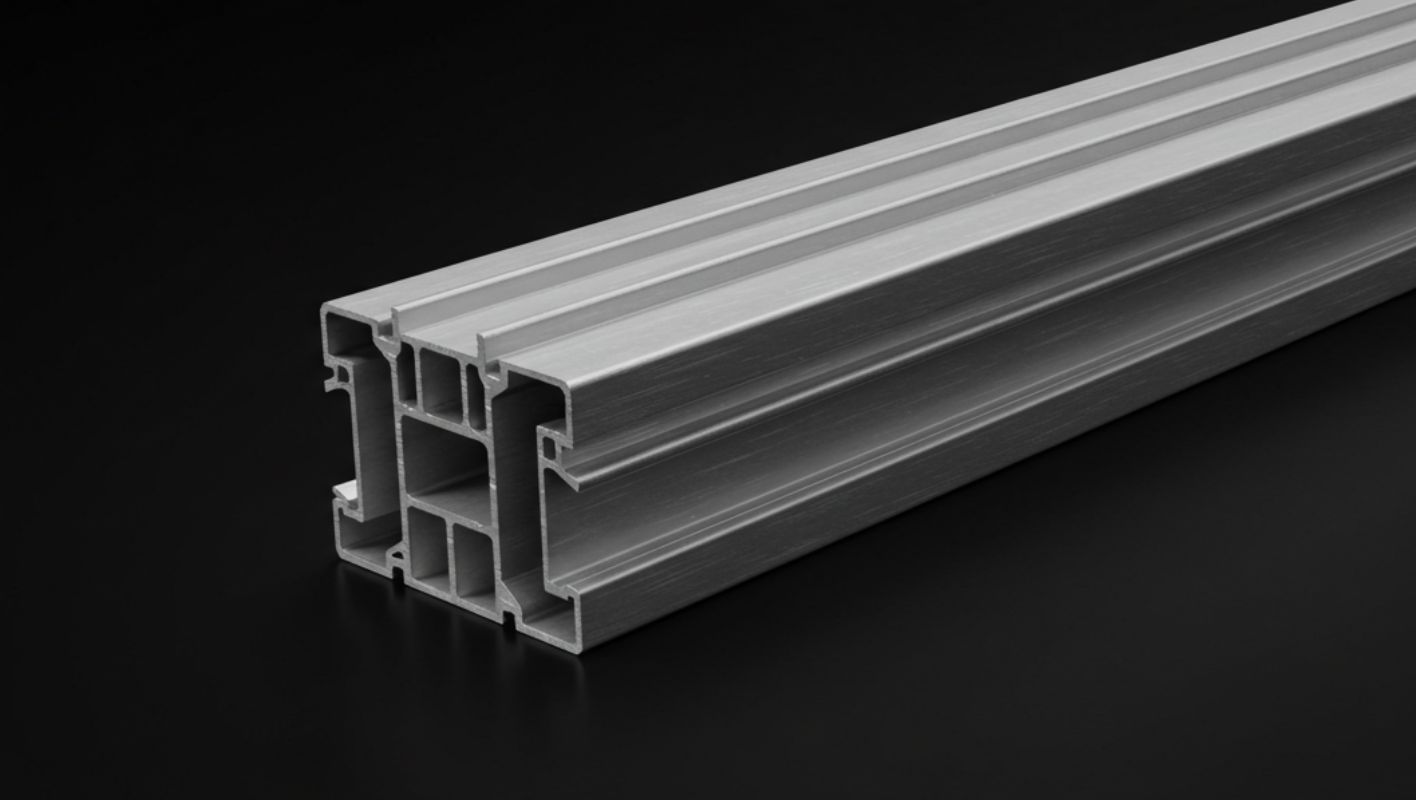
Ever wondered why aluminum extrusion is often dubbed ‘8020’? It’s more than just a number; it’s a game-changer in modular framing.
The term ‘8020’ in aluminum extrusion refers to a brand known for its modular framing system, celebrated for easy assembly, versatility, and robust construction, perfect for crafting custom fixtures and structures.
When I first stumbled upon the term ‘8020,’ I was knee-deep in sourcing materials for a big project. As a seasoned procurement director, I was intrigued by how this simple combination of numbers could embody such efficiency and adaptability. ‘8020’ isn’t just a name; it’s become a staple across various industries, including automotive and industrial machinery.
I remember chatting with a fellow engineer, John, who shared his experiences with 8020 aluminum. He painted a vivid picture of its seamless integration into complex structures, making it invaluable in streamlining production processes. In this article, we’ll unravel the fascinating history behind 8020, its standout features, and the competitive advantages it offers in the ever-evolving world of metal processing.
8020 is a generic term for all aluminum extrusions.False
8020 is a specific brand known for its modular framing system.
8020 aluminum is used in automotive industries.True
8020's adaptability and strength make it ideal for automotive use.
What is the History Behind the Term ‘8020’ in Aluminum Extrusion?
I remember the first time I stumbled upon ‘8020’ in aluminum extrusion—it was like discovering a secret ingredient in the recipe for innovation.
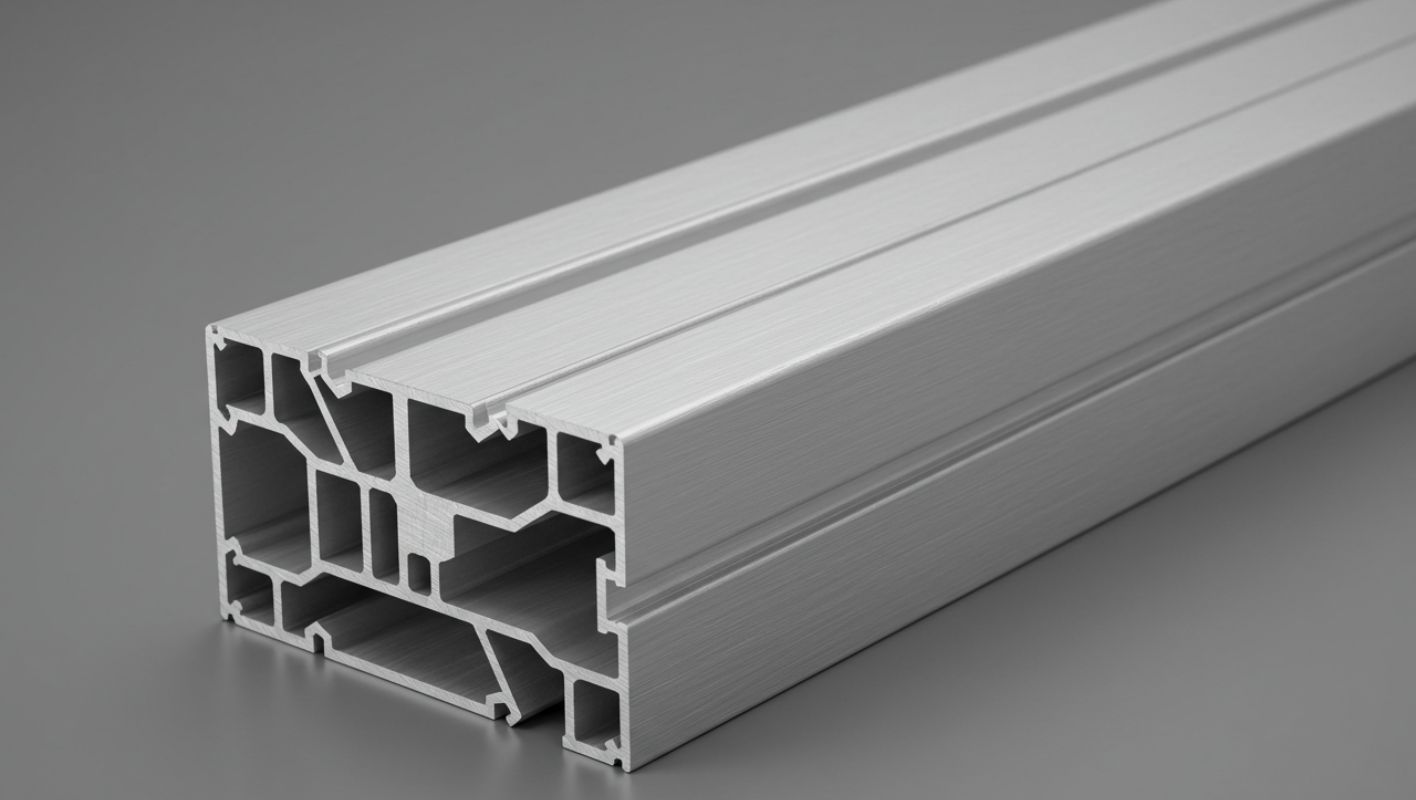
The term ‘8020’ in aluminum extrusion refers to a modular framing system born in the late 20th century, known for its 80/20 weight distribution focus, highlighting flexibility and efficiency.
The Birth of a Versatile System
I can still picture the excitement in the air back in the 1980s, as engineers like me were on the hunt for a versatile framing solution. This was when ‘8020’ really made its debut—a brainchild of 80/20 Inc.1. The concept was simple yet groundbreaking: create a modular framework that you could snap together like LEGO bricks. It wasn’t long before industries everywhere—from automotive to aerospace—were buzzing with the possibilities.
Evolution of the 80/20 Name
Initially, the ‘8020’ name felt like an insider’s nod to efficiency: getting 80% of the work done with just 20% of the effort. Over time, it evolved into a symbol of lightweight yet sturdy aluminum profiles. I remember seeing these extrusions transform manufacturing floors and supply chains, allowing us to push boundaries like never before. As more sectors caught on, the influence of 80202 went global.
Impact on Industry Standards
One of my favorite things about ‘8020’ is how it revolutionized industry standards, particularly with its eco-friendly edge. Using recycled materials wasn’t just a trend; it became a cornerstone of sustainable practices. This alignment with modern sustainability goals3 was something I advocated for in my own work, reducing waste and conserving energy in manufacturing processes.
A Table of Features and Benefits
| Feature | Benefit |
|---|---|
| Modularity | Customizable solutions for various applications |
| Lightweight | Easier handling and reduced transportation costs |
| Recyclability | Eco-friendly and sustainable material choices |
Today, ‘8020’ is much more than a name; it’s a legacy of innovation and adaptability. It continues to inspire advancements across manufacturing and construction, proving that sometimes, the simplest ideas are the most transformative.
'8020' aluminum system emerged in the 1980s.True
The '8020' system was developed in the 1980s as a versatile framing solution.
'8020' name reflects a weight distribution principle.False
The name '8020' originally symbolized achieving 80% work with 20% effort.
How Does 8020 Aluminum Extrusion Benefit Modern Manufacturing?
Ever wondered why 8020 aluminum extrusion is the talk of the town in manufacturing circles? Let me take you on a journey through its world of possibilities, where flexibility and innovation meet cost-saving magic.
8020 aluminum extrusion benefits modern manufacturing by providing customizable, lightweight solutions that enhance design flexibility and reduce production costs. Its modular nature supports rapid assembly and easy modifications, making it a crucial component for diverse industrial applications.
Versatility and Customization
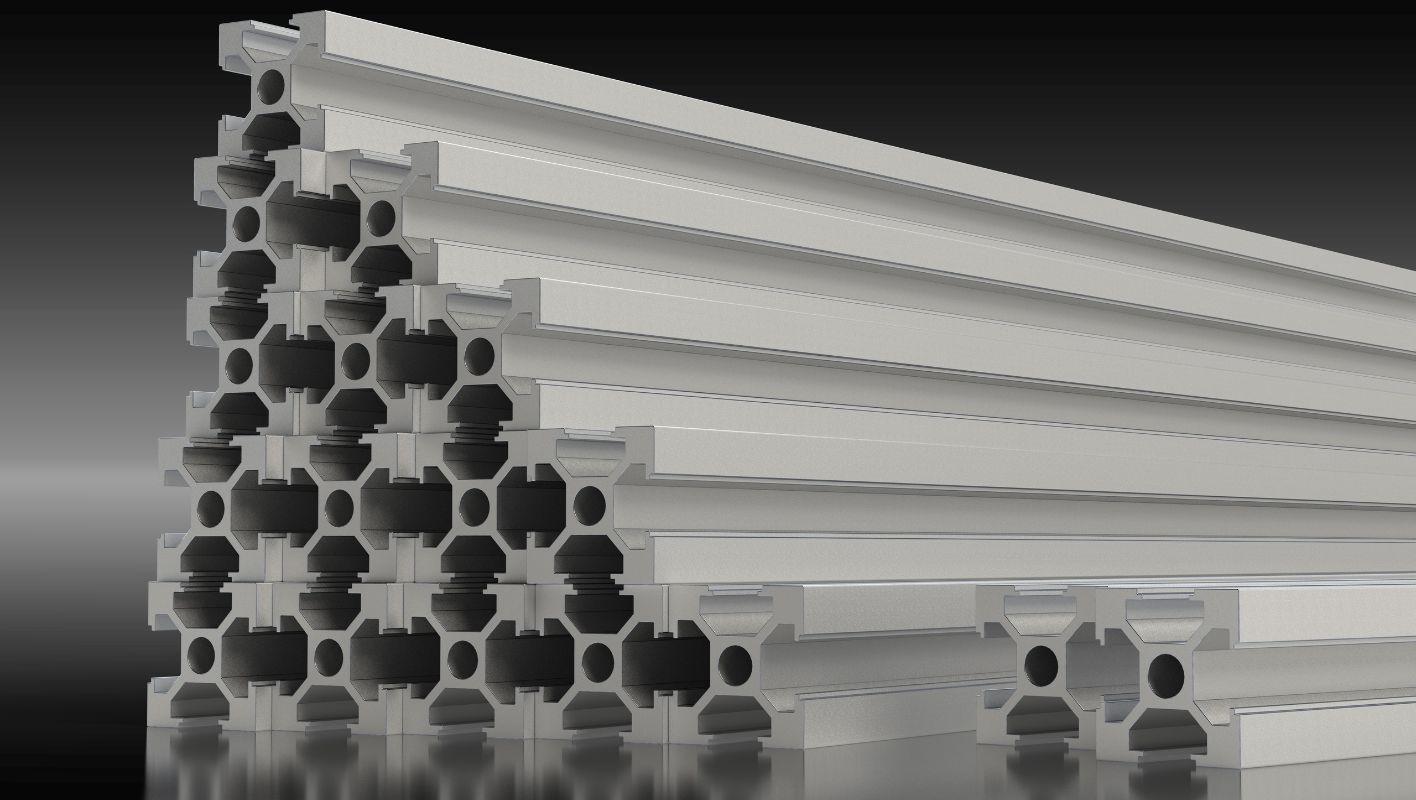
I still remember the first time I got to explore the versatility of 8020 aluminum extrusions4. Imagine being able to tailor components to fit your exact needs without breaking a sweat. This material lets manufacturers like us craft innovative products that would be a real headache with other materials. The T-slot profiles are a game-changer, offering infinite configurations to suit those unique needs we all face from time to time.
Cost Efficiency and Scalability
When it comes to cost efficiency, 8020 aluminum is like that budget-friendly friend who still manages to bring the party. It’s affordable yet incredibly durable, ensuring a long lifespan and saving on long-term costs—something every manufacturer appreciates. Plus, its scalability means we can ramp up production without those dreaded significant cost increases. For anyone running large-scale operations, this is nothing short of essential.
Eco-Friendly Manufacturing
Sustainability isn’t just a buzzword; it’s a necessity. And 8020 aluminum extrusion fits right in with its eco-friendly production process and recyclability. Embracing sustainable practices5 means contributing to lessening our environmental impact while still meeting those stringent consumer and regulatory demands for sustainability.
Enhancing Design Flexibility
I’ve seen firsthand how the modular nature of 8020 aluminum extrusions can revolutionize assembly lines. It facilitates rapid prototyping and frequent adjustments, which is especially handy in industries that require agile shifts in production lines. This flexibility supports iterative design processes—allowing us to innovate continuously without missing a beat.
| Feature | Benefit |
|---|---|
| Lightweight | Reduces shipping costs |
| Durable | Ensures longevity of components |
| Recyclable | Supports sustainable manufacturing |
| Modular | Enables quick assembly and changes |
Applications in Various Industries
The adaptability of 8020 aluminum extrusions is simply remarkable. From automotive to aerospace, its ability to adjust and modify designs easily meets the rigorous demands of modern production environments. I’ve seen it transform workflows in ways I never thought possible. Explore more about how different sectors implement this technology through industry-specific case studies6.
8020 aluminum is more durable than steel.False
Steel is generally more durable than aluminum, despite aluminum's longevity.
8020 aluminum supports eco-friendly manufacturing.True
Its recyclability and energy-efficient production contribute to sustainability.
Why Choose 8020 Aluminum in Construction?
Ever wonder why 8020 aluminum is the go-to choice for builders?
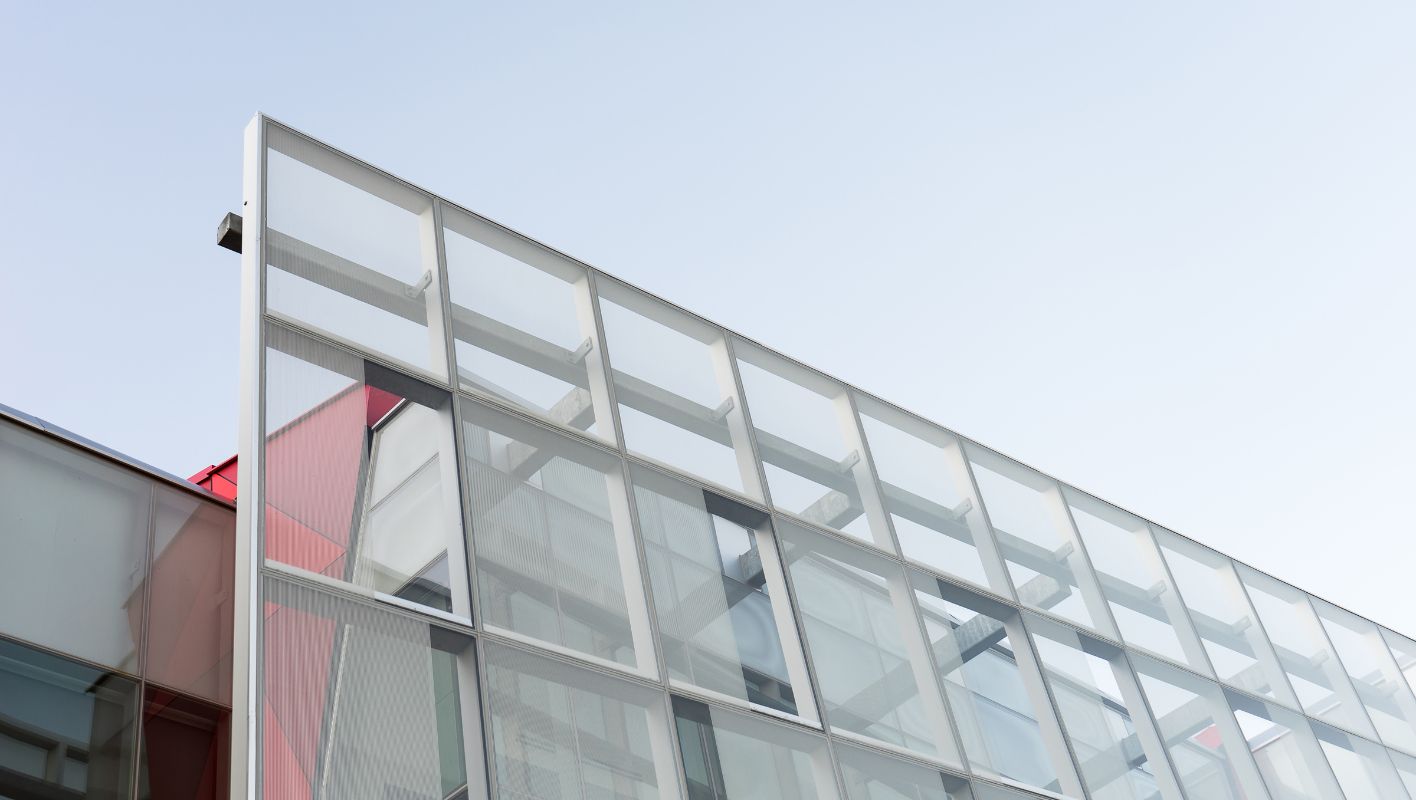
8020 aluminum stands out in construction for its excellent strength-to-weight ratio, flexibility, and ease of assembly. This makes it perfect for precise customizations while being environmentally sustainable.
Strength and Durability
I remember the first time I worked with 8020 aluminum. It was a game-changer. This material’s high strength-to-weight ratio7 meant I could build robust structures without them being overly heavy. Think about it—having the strength of steel without the cumbersome weight. It’s a relief, especially when you’re handling large projects that demand both strength and efficiency.
Versatility and Adaptability
What I love about 8020 aluminum is its versatility. I’ve used it for everything from building complex machinery frames to simple home DIY projects. Its modular nature allows for easy configuration into any shape or size I need, which is perfect when I’m working on bespoke designs. Whether it’s a sleek modern office or a unique residential project, this material adapts beautifully.
| Feature | Description |
|---|---|
| Modular Design | Allows for easy customization and scalability. |
| Ease of Use | Simple assembly process reduces construction time. |
Ease of Assembly
I can’t overstate how much the T-slot framing system of 8020 aluminum has simplified my work. The assembly process8 is so straightforward—just connect components with minimal tools. It cuts down on construction time and labor costs, which is music to anyone’s ears who’s been on a tight schedule or budget.
Eco-Friendly Attributes
Choosing materials that are environmentally friendly has become increasingly important to me. That’s why I appreciate that 8020 aluminum is highly recyclable, minimizing environmental impact. Plus, its light weight means reduced transportation emissions. It’s comforting to know that my choices in building materials are contributing positively to sustainability efforts.
Comparison with Other Materials
While steel is unmatched in strength, its weight can be a significant drawback. Wood, despite being sustainable, doesn’t offer the durability of metals. 8020 aluminum strikes a perfect balance with its durability and eco-friendliness.
| Material | Strength | Weight | Sustainability |
|---|---|---|---|
| Steel | High | Heavy | Moderate |
| Wood | Moderate | Light | High |
| 8020 Aluminum | High | Light | Very High |
Its adaptability also means it can be combined with other materials to enhance structural integrity without adding excessive weight or cost. Whether I’m working on industrial applications9 or venturing into creative architectural designs, 8020 aluminum consistently proves to be an invaluable asset. Its blend of strength, versatility, and environmental consciousness makes it my go-to choice in modern construction projects.
8020 aluminum is heavier than steel.False
8020 aluminum is lighter than steel, making it ideal for construction.
8020 aluminum is highly recyclable.True
8020 aluminum is known for its high recyclability, reducing impact.
How Does 8020 Compare to Other Aluminum Extrusion Systems?
Ever felt lost choosing the right aluminum extrusion system for your project? I’ve been there, and understanding these systems can make all the difference.
8020 aluminum extrusion systems are incredibly versatile, offering robust and modular solutions for various applications. They stand out from systems like 2020 and 4040 mainly in size, strength, and specific use cases.
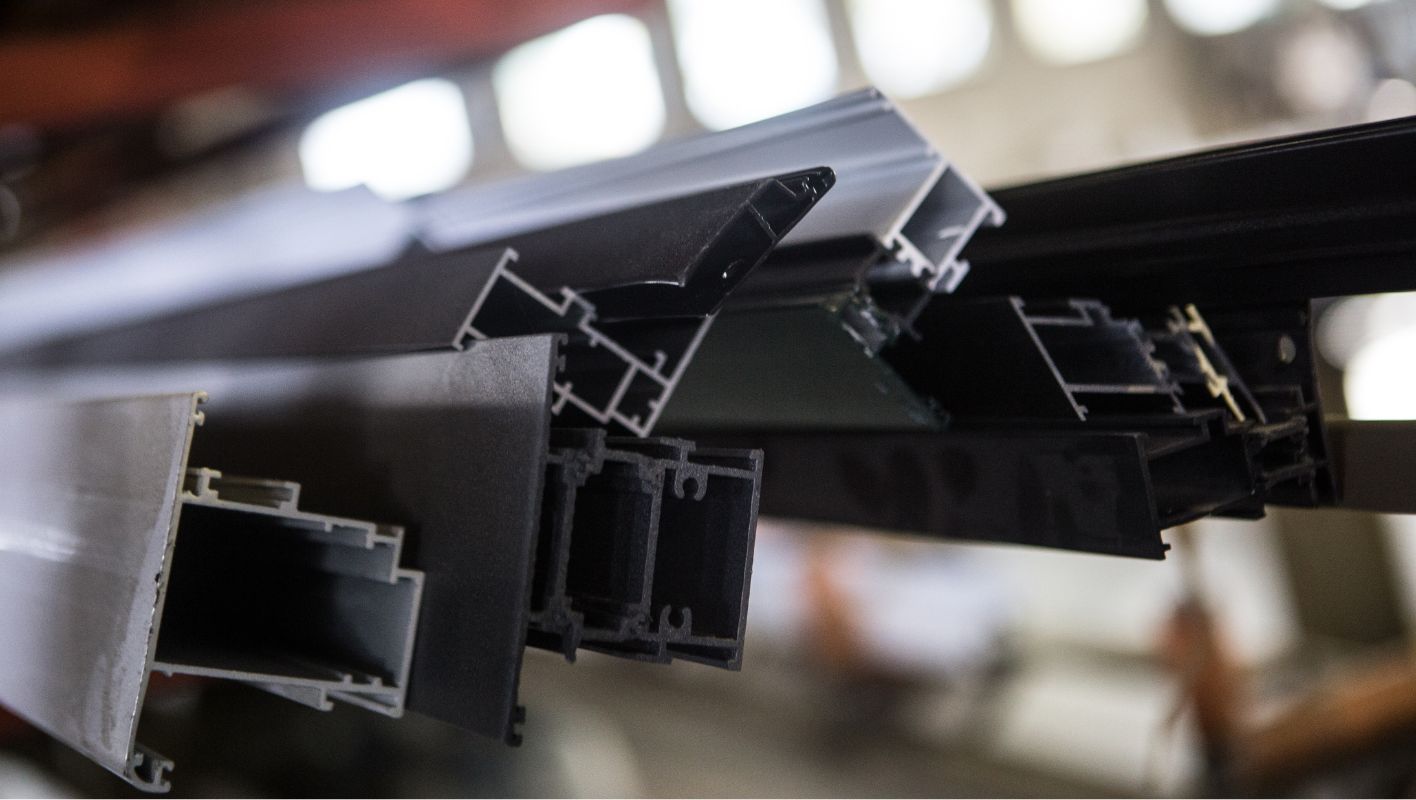
Understanding the Basic Differences
When I first got into aluminum extrusion, I remember staring at rows of different profiles and feeling completely overwhelmed. But here’s the thing: once you break down the basic differences, it all starts to make sense. The 8020 system, for instance, has a profile size10 of 40mm x 40mm. It strikes a great balance between weight and strength—kind of like that perfect cup of coffee you need to start your day just right.
On the other hand, there’s the 2020 system, which is more like a featherweight champion. It’s smaller and lighter, making it ideal for projects where you really need to cut down on material usage. Then you have the 4040 system; it’s your heavy-duty option, perfect for when you need that extra bit of muscle in your framework.
| System | Profile Size | Best Use Cases |
|---|---|---|
| 8020 | 40mm x 40mm | Versatile applications |
| 2020 | 20mm x 20mm | Lightweight projects |
| 4040 | 40mm x 40mm | Heavy-duty construction |
Analyzing Strength-to-Weight Ratio
I’ve always found the strength-to-weight ratio to be a critical factor in choosing the right extrusion system. With the 8020 system11, you get a fantastic balance—it’s strong enough for support but still light enough to handle easily. That’s why it’s often a favorite in high-stakes industries like aerospace and automotive, where efficiency is key.
Comparatively, the 2020 might remind you of a nimble gymnast—sacrificing a bit of strength for agility and lightness. Meanwhile, the 4040 is like a bodybuilder, offering solid structural integrity but coming with that extra weight.
Cost-Effectiveness and Application Suitability
Ah, cost—the elephant in the room. I’ve learned that while the initial investment for an 8020 setup12 can be a bit steep, its versatility often makes up for it over time. Imagine being able to reconfigure designs without breaking the bank—sounds like a dream, right?
But if budget constraints are pressing down on you like a too-tight pair of jeans, the 2020 system is your go-to for less demanding applications. And then there’s the 4040—it’s pricier but worth every penny if durability is what you’re after.
Exploring Customization and Compatibility
One of my favorite things about the 8020 system13 is its adaptability. It’s compatible with so many accessories and components that it’s like having a Lego set for grown-ups. This kind of customization is crucial if you’re like me and enjoy creating bespoke solutions.
While both the 2020 and 4040 systems allow for customization too, they might not offer as wide a range of accessories as the 8020 does. If your project needs that extra level of tailoring, you might find them a bit limiting.
8020 offers better strength-to-weight ratio than 2020.True
8020 balances support and lightness, ideal for aerospace and automotive.
4040 is more cost-effective than 8020 for versatile applications.False
8020's versatility often justifies its higher initial investment.
Conclusion
The term ‘8020’ in aluminum extrusion signifies a versatile modular framing system known for its strength, lightweight design, and eco-friendliness, revolutionizing manufacturing across various industries.
-
Explore how 80/20 Inc. pioneered modular framing systems and shaped industry practices. ↩
-
Learn about the widespread influence of 8020 systems across various sectors. ↩
-
Discover how aluminum extrusions contribute to achieving environmental sustainability goals. ↩
-
Learn how 8020 aluminum’s versatile design allows for infinite configurations to suit unique manufacturing needs. ↩
-
Discover the eco-friendly advantages of using 8020 aluminum in sustainable manufacturing practices. ↩
-
Explore real-world applications across various industries utilizing 8020 aluminum for innovative solutions. ↩
-
Understanding the strength-to-weight ratio is crucial for evaluating how 8020 aluminum supports robust yet lightweight constructions. ↩
-
Exploring the T-slot system helps visualize how easily 8020 aluminum structures can be assembled without complex tools. ↩
-
Knowing industrial uses illustrates the versatility and practicality of 8020 aluminum in large-scale projects. ↩
-
Learn more about the dimensions and specifications of the 8020 aluminum profile for detailed understanding. ↩
-
Discover why the strength-to-weight ratio of the 8020 system makes it ideal for efficient engineering solutions. ↩
-
Understand the cost implications of choosing the 8020 system for your projects. ↩
-
Explore modular connectors compatible with the 8020 system for enhanced design flexibility. ↩






