
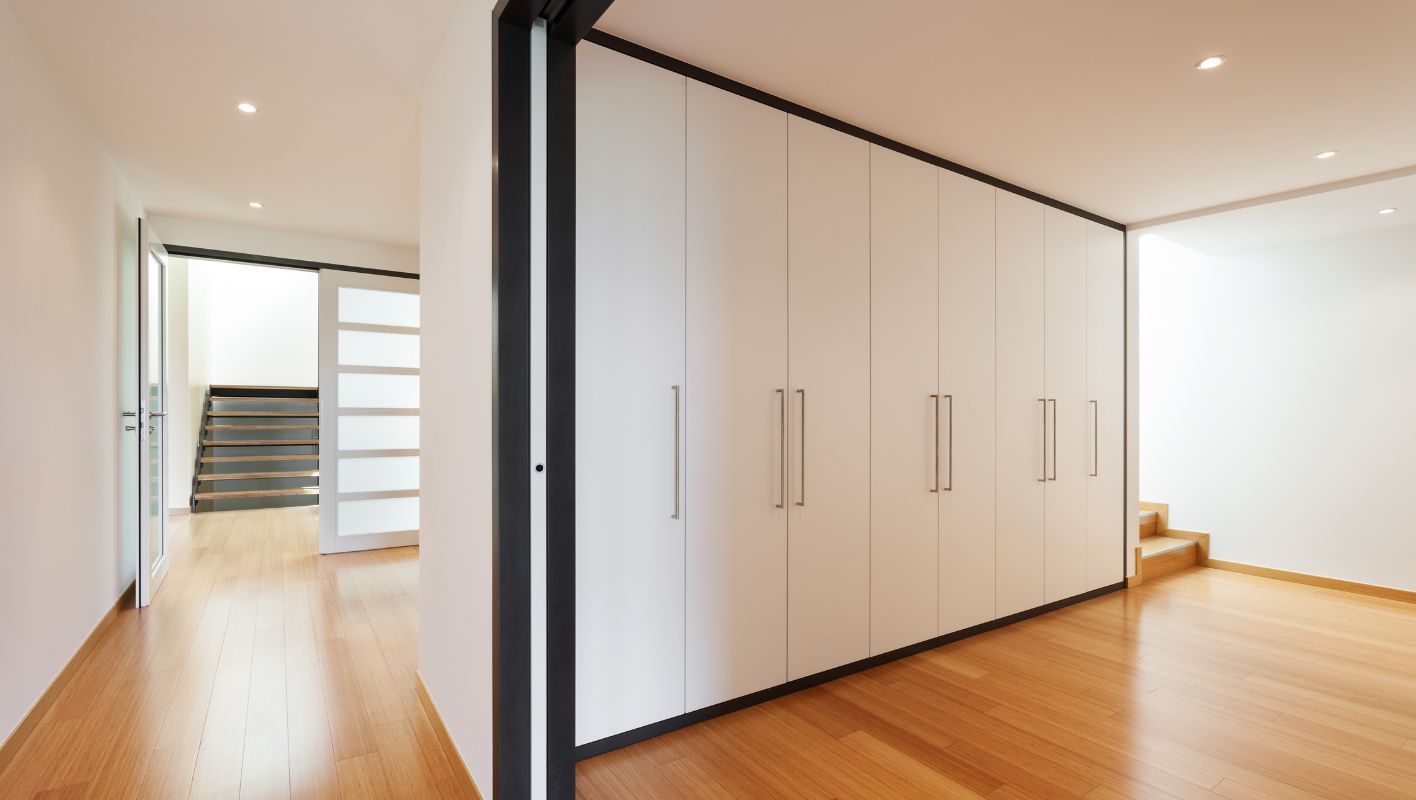
Ever wondered what holds a door in place while it swings seamlessly open and closed?
A door frame in construction acts as the skeleton for a door, comprising vertical jambs, a horizontal head, and sometimes a sill. This framework not only supports the door but also maintains the wall’s integrity, ensuring smooth operation and structural stability.
It’s fascinating how something seemingly simple like a door frame plays a pivotal role in both functionality and design. I remember the first time I helped a friend install one; we spent hours getting the alignment just right. The choice of materials and installation techniques can significantly affect both the performance and the look of the building. Let’s dive into the details of how these elements come together to create a sturdy and aesthetically pleasing structure.
A door frame includes vertical jambs and a horizontal head.True
These components are essential for the door frame's structure.
Door frames are only for aesthetic purposes.False
Door frames provide structural support, not just aesthetics.
What are the Main Components of a Door Frame?
Have you ever stopped to think about the unsung heroes that make our doors function seamlessly?
The main components of a door frame include the head, jambs, sill, and sometimes a threshold. Each part plays a vital role in ensuring door stability and function.
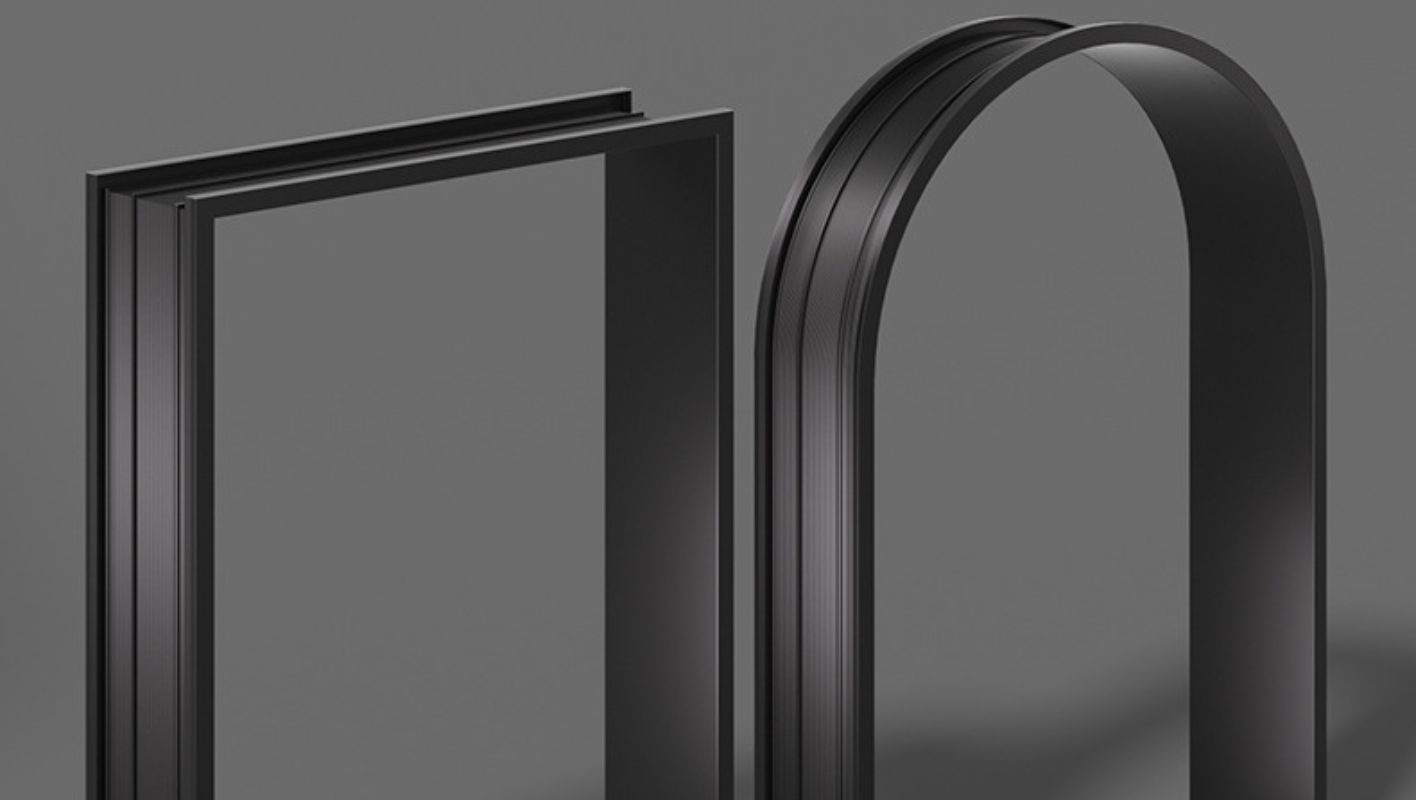
I remember the first time I had to deal with a door frame—it was my own small adventure in home improvement. The intricacies of each component fascinated me, transforming what seemed like a simple structure into a marvel of engineering.
The Head
The head of a door frame is the horizontal top part that spans the width of the door opening. It provides structural integrity and alignment for the frame. I once attempted to install one myself, only to realize how crucial precise measurements were to keep everything aligned.
Jambs
Jambs are the vertical sides of the door frame. They hold hinges and locks, supporting the door’s weight. My old house had creaky doors because the jambs weren’t properly aligned, leading to countless late-night squeaks and groans.
Sill and Threshold
The sill is at the bottom of the frame, often found in exterior doors. It prevents water ingress and enhances insulation. Some frames have a threshold, providing a raised barrier. I learned this the hard way after a rainy night when I woke up to find my entrance hall slightly flooded.
Hinges and Strike Plates
While not part of the frame itself, hinges and strike plates are essential to a door frame’s function. Hinges attach the door to the frame, allowing it to pivot open or closed. I once replaced a squeaky hinge, and it felt like performing surgery—delicate yet satisfying.
| Component | Function |
|---|---|
| Head | Provides structural alignment |
| Jambs | Supports weight, holds hardware |
| Sill/Threshold | Water barrier, insulation |
| Hinges | Enables door movement |
Understanding these components aids in selecting materials1 and designs that match specific needs, like durability or aesthetics. High-quality frames ensure security and energy efficiency in both residential and commercial settings.
The head is the vertical part of a door frame.False
The head is the horizontal top part of the door frame.
Jambs hold hinges and support the door's weight.True
Jambs are vertical and crucial for supporting the door's weight.
How Do Different Materials Affect Door Frame Performance?
Ever wondered how the material of your door frame might affect its performance and longevity? Let’s dive into the world of door frames and uncover the secrets behind wood, steel, and more.
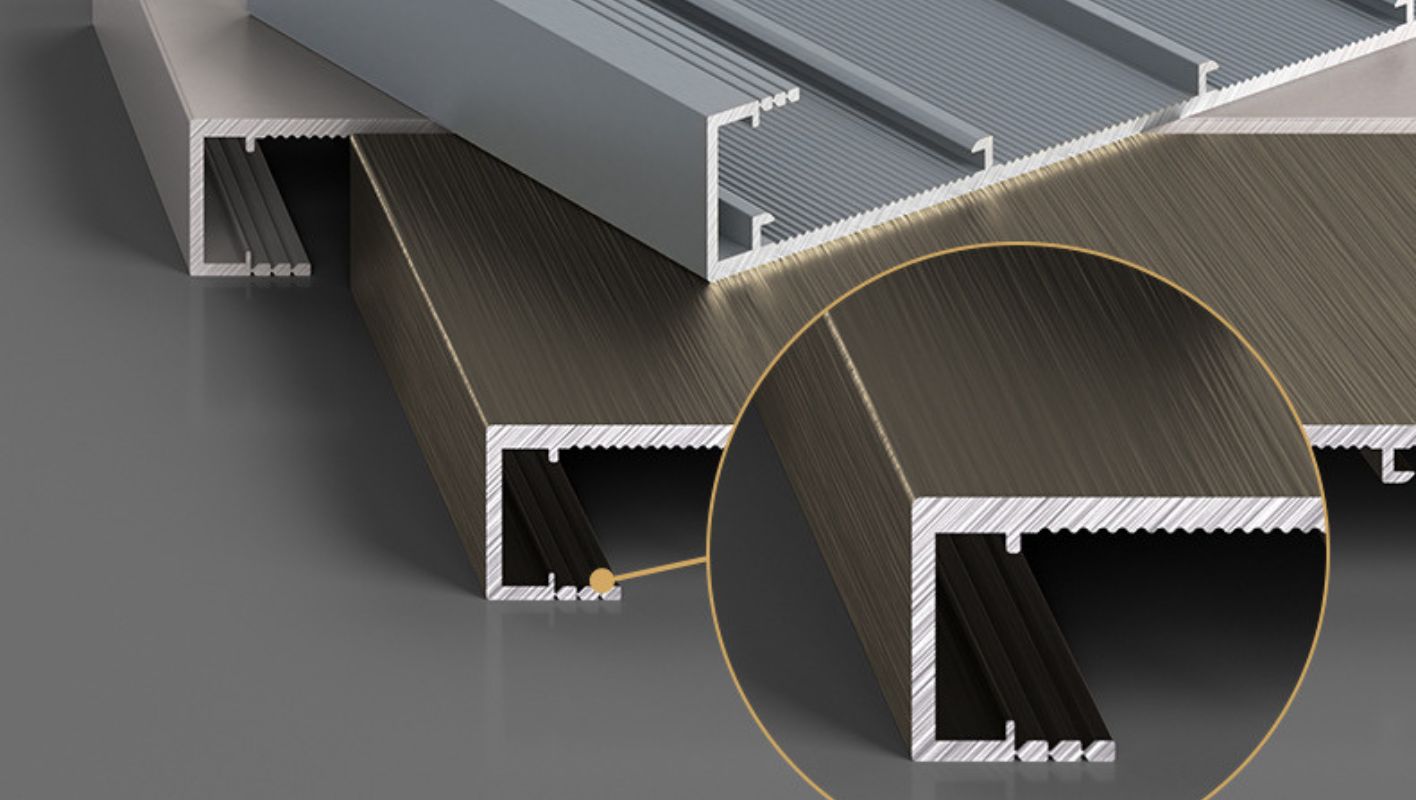
Door frame performance is influenced by material choice, impacting durability, maintenance, energy efficiency, and aesthetics. Popular materials include wood, steel, aluminum, vinyl, and fiberglass, each offering unique advantages.
Durability and Strength
When it comes to durability, the material of the door frame plays a pivotal role. For instance, steel door frames2 are renowned for their strength and longevity—no wonder they’re often the go-to for security reasons. In contrast, wood frames offer a classic appeal but may require more maintenance to prevent rot and pest damage.
| Material | Durability | Maintenance |
|---|---|---|
| Steel | High | Low |
| Wood | Medium | High |
| Aluminum | Medium-High | Low |
| Vinyl | Medium | Low |
| Fiberglass | High | Low |
Energy Efficiency Considerations
Energy efficiency is another critical factor. Fiberglass frames3 are excellent insulators, helping to keep those heating bills down. Vinyl’s pretty good too! However, if you’re considering aluminum, make sure it has a thermal break; otherwise, it can turn into a bit of an energy sieve.
Aesthetic Appeal
The aesthetic appeal of your door frame can change the entire vibe of your home. I love how wood offers that natural beauty and endless possibilities with stains or paint. Vinyl frames4 provide a clean, modern appearance with various color options. On the other hand, aluminum frames give off a sleek, contemporary vibe but might not suit traditional settings.
Environmental Impact
With sustainability becoming more crucial every day, I try to consider the environmental footprint of my choices. Responsibly sourced wood can be an eco-friendly option. While aluminum and steel might use more energy in production, they are fully recyclable—a big plus in my book.
Cost Implications
Cost is often a determining factor in material selection. Steel and fiberglass frames might be more expensive upfront, but their long-term durability could save you money over time. Meanwhile, vinyl and wood offer budget-friendly alternatives with varying performances.
Understanding how each material affects door frame performance helps you make informed decisions based on your priorities like durability, cost, and environmental impact. Dive deeper into each material’s specific properties to see what fits your needs best.
Customization Options
Customization was a game-changer for me. Steel can be powder-coated in any color you fancy. With wood, you get endless possibilities with different stains and finishes. Aluminum frames5 can be anodized or painted to suit any architectural style. These custom solutions ensure that the material meets both functional and aesthetic needs effectively.
Steel frames require high maintenance.False
Steel frames are known for low maintenance due to their durability.
Wood frames are less energy efficient than fiberglass.True
Fiberglass is a better insulator, reducing heating and cooling costs.
What are the Differences Between Pre-hung and Slab Door Frames?
When I first started renovating my home, understanding door frames felt like unraveling a mystery.
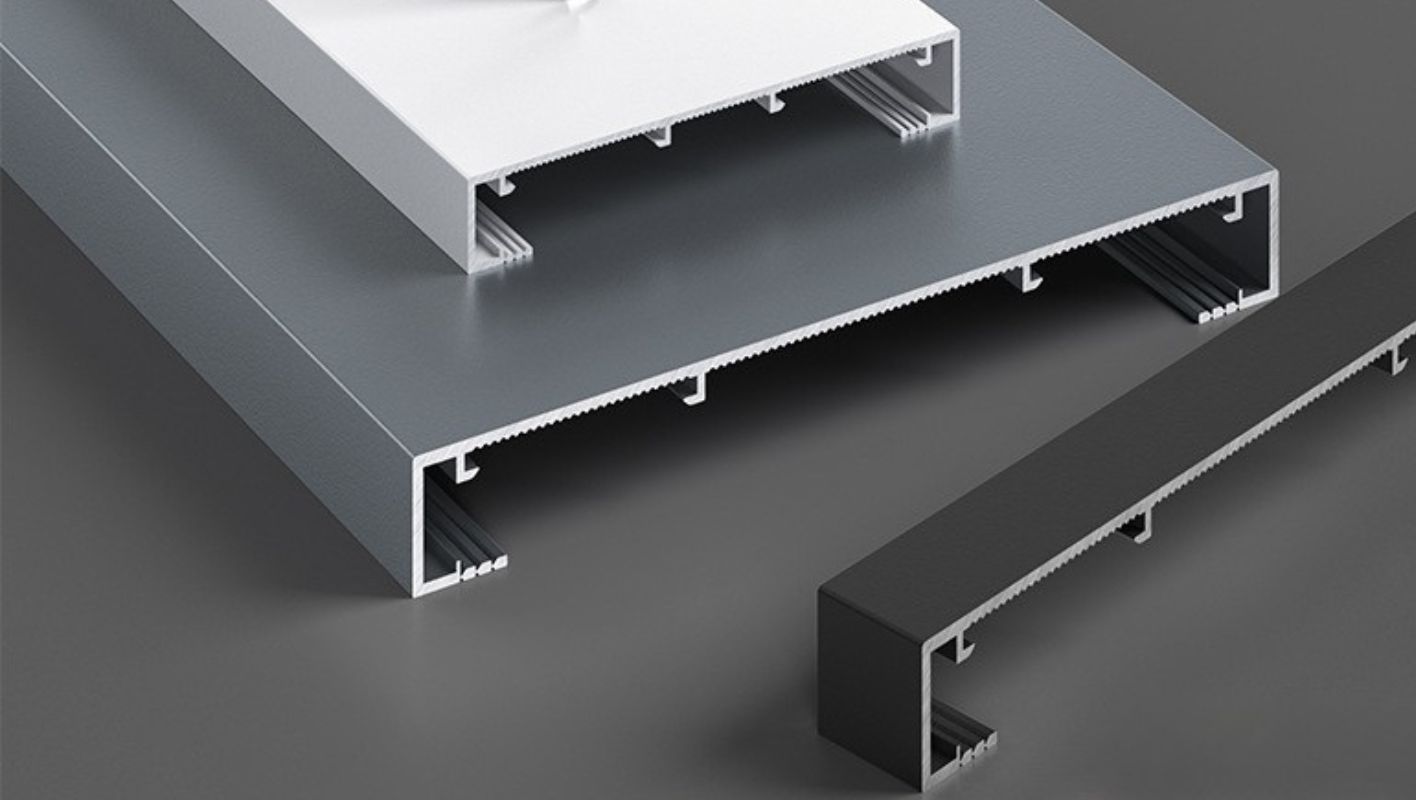
Pre-hung doors are attached to a frame and ready for installation, whereas slab doors are just the door itself, requiring a separate frame. Pre-hung doors offer convenience, but slab doors provide design flexibility.
Understanding Pre-hung Doors
Ah, the pre-hung door—it’s like buying a cake that’s already frosted. These doors arrive with the frame attached, all set for a quick install, complete with hinges and holes for handles. I remember the relief of knowing that everything was already lined up perfectly.
Advantages:
- Ease of Installation: With pre-hung doors6, the frame and door alignment means less time wrestling with tools and more time admiring your work.
- Inclusive Components: Weatherstripping and seals often come included, giving you peace of mind with energy efficiency.
Considerations:
- Size and Fit: Make sure your wall opening is ready to embrace the pre-hung unit dimensions.
- Transportation: They’re bulky, so plan accordingly. I once underestimated this and had a rather embarrassing moment trying to fit one in my car.
Exploring Slab Doors
Slab doors are like a blank canvas—no frame, hinges, or hardware. This was my go-to when I wanted a personalized touch in my home. Imagine customizing finishes to match your unique style!
| Feature | Pre-hung Doors | Slab Doors |
|---|---|---|
| Installation | Quick, simple | More complex |
| Customization | Limited by frame | High customization |
| Cost | Higher due to frame | Generally lower |
Advantages:
- Design Flexibility: Perfect for custom finishes or unique architectural styles7. I loved mixing different colors and textures.
- Cost Efficiency: Without additional framing, they tend to be easier on the wallet.
Considerations:
- Requires Additional Work: You’ll need to craft or purchase a frame separately. This can be daunting without the right skills.
- Skill Level: Best suited for those who love a good DIY challenge or professional installations.
Which is Right for You?
Deciding between pre-hung and slab doors isn’t just about the door—it’s about your whole project vision.
- Project Scope: For new constructions or significant renovations, pre-hung doors8 might save you time and stress.
- Budget Constraints: Slab doors are a smart choice if you’re reusing existing frames or want custom options without breaking the bank.
Ultimately, it boils down to what suits your project needs and skill level. Remember to consider installation skills, budget, and your aesthetic preferences. And hey, don’t hesitate to reach out to home renovation experts9 for guidance tailored to your unique situation.
Pre-hung doors are more customizable than slab doors.False
Slab doors offer higher customization as they lack frames.
Slab doors are generally cheaper than pre-hung doors.True
Slab doors exclude frames, reducing overall cost.
How Can You Install a Door Frame Correctly?
Tackling a door frame installation might seem overwhelming, but with some handy tips and the right mindset, it can be a rewarding DIY adventure. Let me walk you through it!
To properly install a door frame, measure the rough opening, ensuring it’s level and square. Secure the frame using shims and screws, check for plumb, and finish by sealing any gaps.

Understanding the Components of a Door Frame
Before diving in, I found it incredibly helpful to get acquainted with the anatomy of a door frame. The head jamb, side jambs, and sill all play vital roles in supporting the door, much like how each team member supports a successful project.
Tools and Materials Needed
I gathered my tools, akin to assembling my favorite cooking ingredients before a big meal:
| Tools | Materials |
|---|---|
| Tape Measure | Door Frame Kit |
| Level | Shims |
| Drill | Screws |
| Saw | Sealant |
| Hammer |
Preparing the Rough Opening
I learned the hard way that precision in measuring is crucial. Just like in my engineering projects, everything needs to align perfectly. I measured the width and height of the rough opening to match my door frame’s dimensions. Ensuring that all sides were level and square helped prevent future headaches10 like sticking doors or poor seals.
Setting the Frame
- Position the Frame: I positioned the door frame into the rough opening with care, almost like placing the final piece of a puzzle.
- Shimming: Shims became my best friends, filling gaps between the frame and wall to ensure everything was plumb.
- Securing: Using a drill, I fastened the frame securely with screws, constantly checking that it stayed square.
Checking for Plumb and Level
Ensuring plumb and level was akin to calibrating machinery—essential for smooth operation. I adjusted using shims as needed before finalizing the securement.
Final Adjustments and Sealing
Once secure, I made final tweaks to ensure smooth door operation. Applying sealant around the edges was like adding the finishing touches11 to a painting, preventing drafts and moisture intrusion.
Tip: I opted for eco-friendly sealants12, marrying durability with environmental responsibility.
Testing the Installation
Finally, I repeatedly opened and closed the door, much like testing a prototype, ensuring it operated smoothly without any glitches. Any minor adjustments with shims or screw tightening were made until everything was perfect.
By following these steps, I’ve ensured a successful door frame installation—whether for a home upgrade or new construction. With patience and precision, you’ll achieve results that stand the test of time.
A level ensures side jambs are plumb.True
A level is used to check vertical alignment, ensuring jambs are plumb.
Using shims is unnecessary for door frames.False
Shims fill gaps and ensure the frame is plumb and level during installation.
Conclusion
A door frame is essential in construction, providing structural support and stability for doors. It consists of jambs, a head, and sometimes a sill, influencing functionality and aesthetics.
-
Explore how to choose suitable materials for door frames based on functionality and aesthetics. ↩
-
Discover why steel door frames are favored for their security and durability benefits. ↩
-
Explore how fiberglass door frames enhance energy efficiency through superior insulation. ↩
-
Learn about the various styles and colors available for modern vinyl door frames. ↩
-
Find out how aluminum door frames can be customized to fit different architectural styles. ↩
-
Learn about the advantages of choosing pre-hung doors to streamline your installation process. ↩
-
Discover diverse architectural styles to enhance your door design with aesthetic appeal. ↩
-
Explore reasons why pre-hung doors may be advantageous in new construction scenarios. ↩
-
Get expert insights into factors influencing the choice between pre-hung and slab doors. ↩
-
This link offers solutions to common issues such as door sticking, helping ensure your installation remains trouble-free. ↩
-
Find effective strategies to prevent drafts, ensuring energy efficiency and comfort in your home. ↩
-
Explore eco-friendly sealant options that support sustainability while providing excellent performance. ↩






