
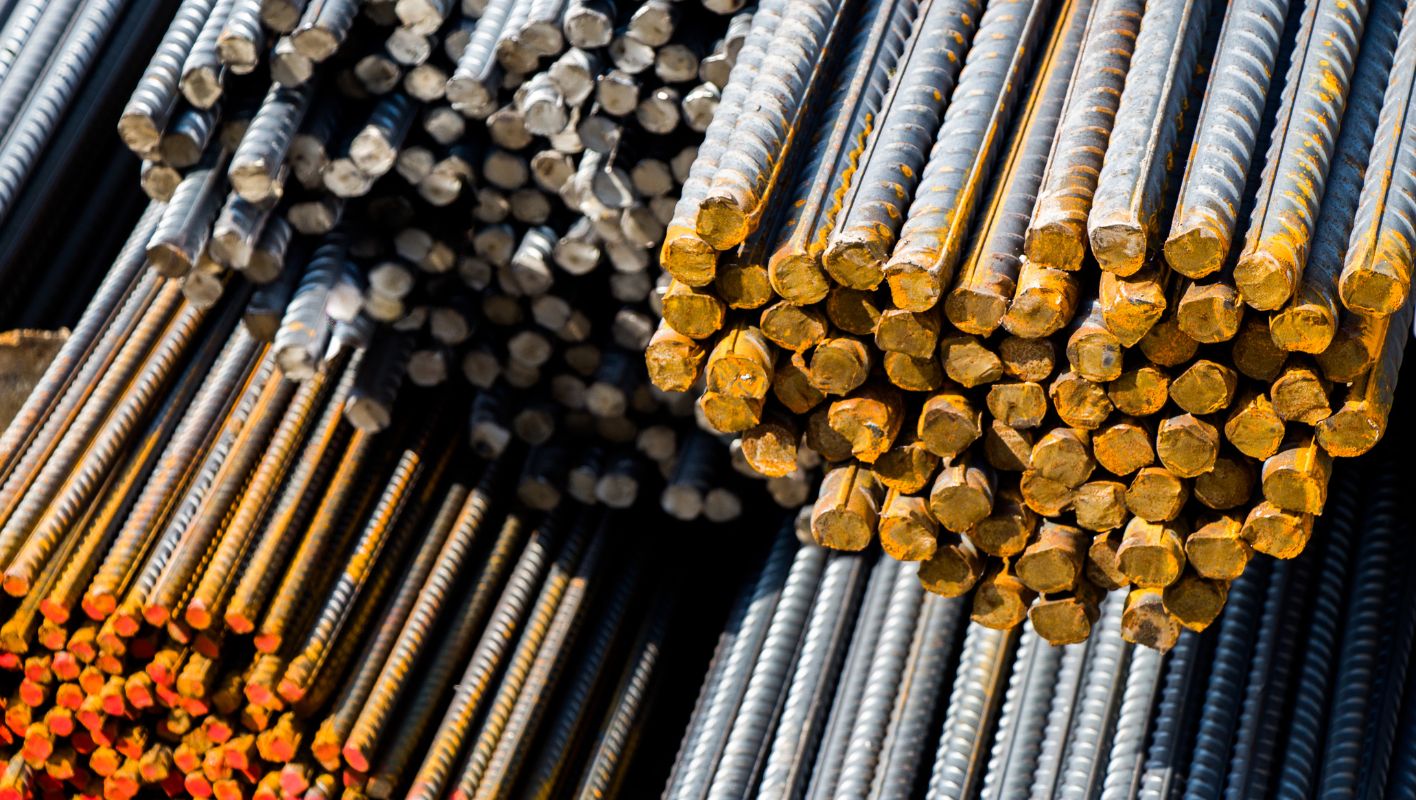
Ever wondered if steel or iron pipes can be made like those sleek aluminum ones? Let’s explore.
While steel and iron can technically be extruded into pipes, their higher melting points and unique material properties mean the process differs from aluminum. Instead, methods like hot extrusion or drawing are often used for steel and iron.
I remember the first time I delved into the world of metal extrusion. Aluminum was the star—easy to mold, lightweight, and versatile. But when it came to steel and iron, things got a bit more complex. Their stubbornly high melting points require different techniques, like hot extrusion or drawing, making them less straightforward than aluminum.
For anyone navigating the world of manufacturing, understanding these differences is key. It’s like trying to bake with different types of flour—each has its quirks and requires a tailored approach. So, if you’re considering steel or iron for your project, knowing the right method can make all the difference.
Hot extrusion is used for steel pipe production.True
Hot extrusion is suitable for steel due to its high temperature tolerance.
Steel can be extruded into pipes like aluminium.False
Steel requires different processes due to higher melting points.
What Challenges Do We Face When Extruding Steel and Iron?
Have you ever wondered why extruding steel and iron is such a complex process?
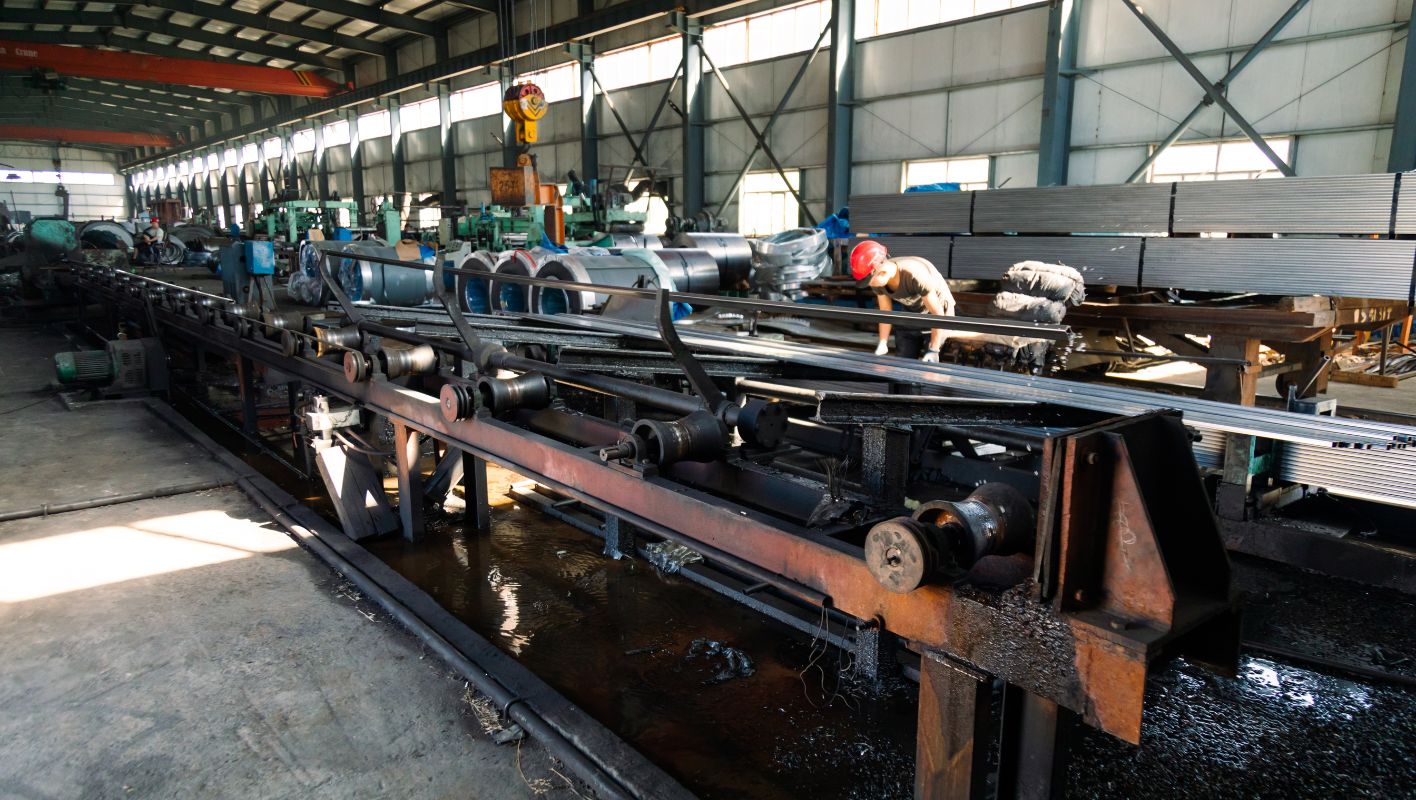
Extruding steel and iron involves high power consumption, tool wear, and limited design flexibility. These metals need specialized equipment to overcome their resistance, making the process challenging but achievable with the right techniques.
High Power Requirements
I remember the first time I witnessed steel being extruded. The sheer force required was mind-boggling! Steel and iron are incredibly strong, and bending them into shape isn’t as simple as with softer metals. It’s like trying to bend a paperclip compared to twisting a steel rod. To get the job done, we need specialized machinery1 that packs a punch, consuming lots of energy in the process. It’s a trade-off for dealing with such robust materials.
Tool Wear and Maintenance
The phrase "tough as nails" probably came from someone who’s worked with steel and iron. I’ve seen tools take a beating as these metals wear them down over time. The friction is intense, leading to frequent maintenance2 or even replacements. This isn’t just a minor inconvenience—it hits the wallet hard. Ensuring our tools are made from the most durable materials possible is essential to keeping costs in check.
| Factor | Impact on Tool Wear |
|---|---|
| Metal Hardness | Higher wear |
| Friction Level | Increased wear |
| Heat Generation | Potential damage |
Limited Design Flexibility
One thing I’ve learned is that the rigidity of steel and iron limits creativity in design. It’s like trying to sculpt marble with a butter knife—possible, but challenging. We have to get creative, sometimes inventing innovative approaches3 to expand what’s possible. This challenge keeps us on our toes but can restrict industries that need intricate shapes.
Temperature Control Challenges
You’d think keeping things hot enough would be easy, but controlling the temperature during extrusion is another beast entirely. If it’s too hot or not hot enough, defects like surface cracking can occur. It’s a delicate dance of maintaining temperature management4 to ensure everything comes out just right.
Material Properties Alteration
Finally, once we’ve managed to get our steel or iron into shape, we have to consider how its properties might have changed during the process. This is crucial for ensuring that what we produce meets all technical standards5. Understanding these changes helps us predict how the material will perform in real-world applications.
Extruding steel requires less power than aluminum.False
Steel needs more power due to its higher strength and resistance.
Tool wear is higher when extruding steel than softer metals.True
Steel's abrasive nature increases tool wear, needing frequent maintenance.
How does the production of steel pipes differ from that of aluminum?
Have you ever found yourself pondering the differences between how steel and aluminum pipes are made?
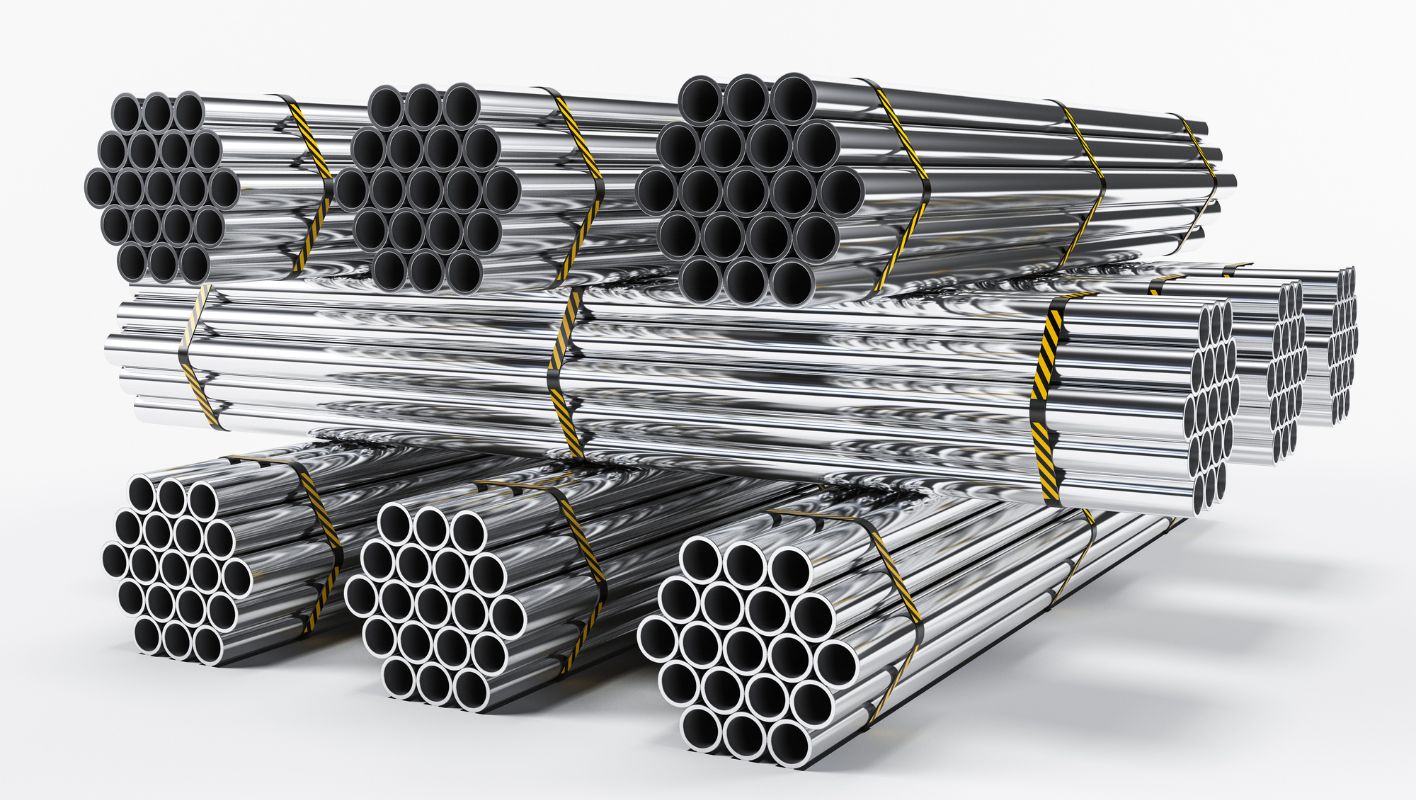
Steel pipe production focuses on rolling and welding to ensure strength and durability, while aluminum pipes use extrusion for lightweight, flexible, and corrosion-resistant designs.
Manufacturing Processes
When I first stepped into the world of metallurgy, I was amazed by how steel pipes6 come to life. The process starts with raw iron ore, which is melted down, mixed with carbon, and transformed into molten steel. This steel then takes the form of billets or slabs, ready to be rolled into sheets or strips before finally being molded into pipes through rolling and welding. It’s a process steeped in tradition and technical mastery.
In contrast, the production of aluminum pipes is a bit like watching an artist at work. It uses extrusion—a method where heated aluminum billets are pressed through a die, creating tubes that can be as simple or as intricate as needed. This method not only allows for greater design flexibility but also results in structures that are lightweight yet robust enough for demanding applications like in aerospace or automotive industries.
| Material | Process | Attributes |
|---|---|---|
| Steel | Rolling & Welding | High Strength |
| Aluminum | Extrusion | Lightweight & Flexible |
Material Properties
The first time I held a steel pipe in my hands, I could feel its heft and strength—perfectly suited for high-pressure environments like oil pipelines or heavy construction projects. Steel’s strength lies in its carbon content, which makes it resilient but also contributes to its weight.
Aluminum pipes, on the other hand, are like feathers in comparison. The reduced weight is a game-changer for projects where every gram counts. Plus, aluminum’s natural oxide layer offers superior resistance to corrosion, making it ideal for moist or marine environments.
Cost and Environmental Impact
From my experience, producing steel pipes tends to be pricier due to the energy-intensive processes involved. Recycling steel is another challenge altogether.
Aluminum offers a breath of fresh air with its lower production costs thanks to energy-efficient extrusion processes and easy recyclability. Its lightweight nature also cuts down on transportation expenses, aligning well with sustainable practices.
Whether you’re tasked with ensuring structural integrity or prioritizing environmental considerations, understanding these differences is crucial. Each material has unique strengths that can significantly affect the cost-efficiency and sustainability of your projects. Explore more about the advantages of aluminum7 over other metals to make informed decisions for your next venture.
Steel pipes are produced using extrusion.False
Steel pipes are made by rolling and welding, not extrusion.
Aluminum pipes offer superior corrosion resistance.True
Aluminum's natural oxide layer provides excellent corrosion resistance.
What are the alternative methods for making steel and iron pipes?
Remember that time when you tried something new and it just clicked? That’s what exploring alternative methods in pipe manufacturing feels like—full of potential and surprises.
Ever wondered about the alternatives for making steel and iron pipes? Techniques like electric resistance welding (ERW), seamless (SMLS) manufacturing, spiral welding, and laser welding each bring unique benefits in terms of efficiency, strength, and specific applications. Let’s dive into these fascinating methods!
Understanding Traditional Methods
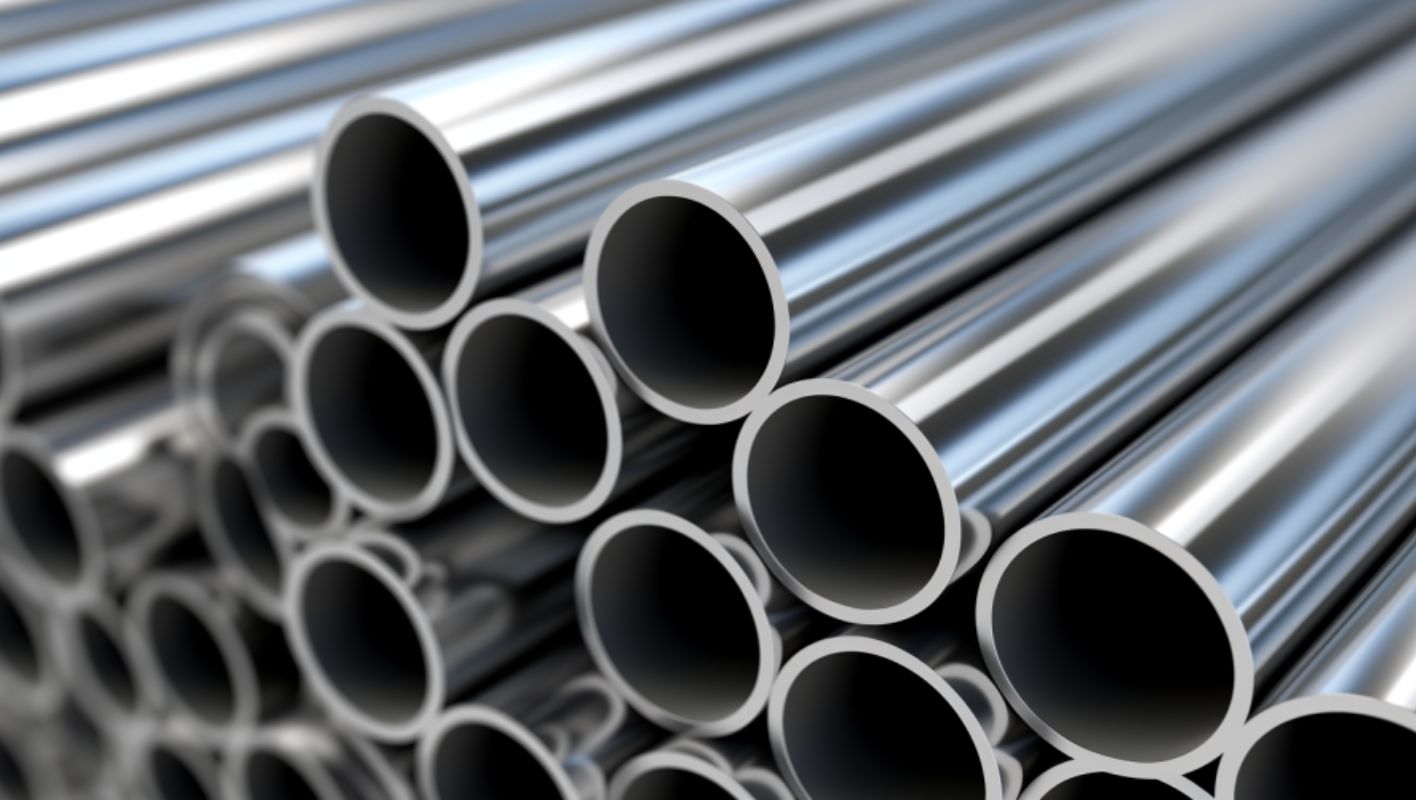
I’ve always been fascinated by how things are made, haven’t you? Traditionally, steel and iron pipes are crafted using the seamless manufacturing8 and electric resistance welded (ERW) techniques. Seamless pipes, made by piercing a solid billet, boast uniform strength and have been a staple in high-pressure environments. On the other hand, ERW involves forming a coil into a pipe and welding the seam, making it cost-effective for large volumes—perfect for those massive construction projects we hear about.
Exploring Modern Alternatives
-
Spiral Welding: Imagine winding a steel strip like a helix and welding it—this is spiral welding. It’s a great choice when you need larger-diameter pipes, often used in pipelines for its cost-efficiency over long distances. I can almost picture it as crafting a giant slinky!
-
Laser Welding: Now, this is where technology feels like magic. Laser welding offers precision like no other, enabling thinner walls while maintaining strength. Ideal for applications requiring lightweight materials, it reduces production time and material waste significantly—something that’s music to any production manager’s ears.
Comparing Methods
| Method | Advantages | Applications |
|---|---|---|
| Seamless | High uniformity in structure | High-pressure environments |
| ERW | Cost-effective, efficient for large volumes | Construction, industrial applications |
| Spiral Welding | Large diameter production, economical | Pipelines |
| Laser Welding | Precision, reduced waste, lightweight structures | Aerospace |
Sustainability Considerations
These days, who isn’t talking about sustainability? Manufacturers are increasingly exploring methods that reduce environmental impact. For instance, using recycled materials in spiral welding helps lower carbon footprints—a win for both industry and planet. And laser welding’s precision? It means less energy consumption.
Future Innovations
The future looks even more exciting with smart manufacturing technologies like IoT integration and AI-driven quality controls set to revolutionize pipe production. I can’t wait to see how these advancements will enhance efficiency and adaptability9 in modern manufacturing plants.
By embracing these alternative methods, industries not only meet diverse application needs but also move towards more sustainable practices—a step we all need to take sooner rather than later.
Seamless pipes are made by welding a seam.False
Seamless pipes are made by piercing a solid billet, not welding.
Laser welding reduces material waste in pipe production.True
Laser welding offers precision, reducing waste and production time.
Why Do Certain Industries Prefer Steel or Iron Pipes?
Ever wondered why steel and iron pipes are the backbone of major industries?
Steel and iron pipes shine across various applications due to their exceptional strength, durability, and cost-effectiveness. They’re the go-to in construction for structural support and are favored in industrial settings for high-pressure systems and corrosive environments.
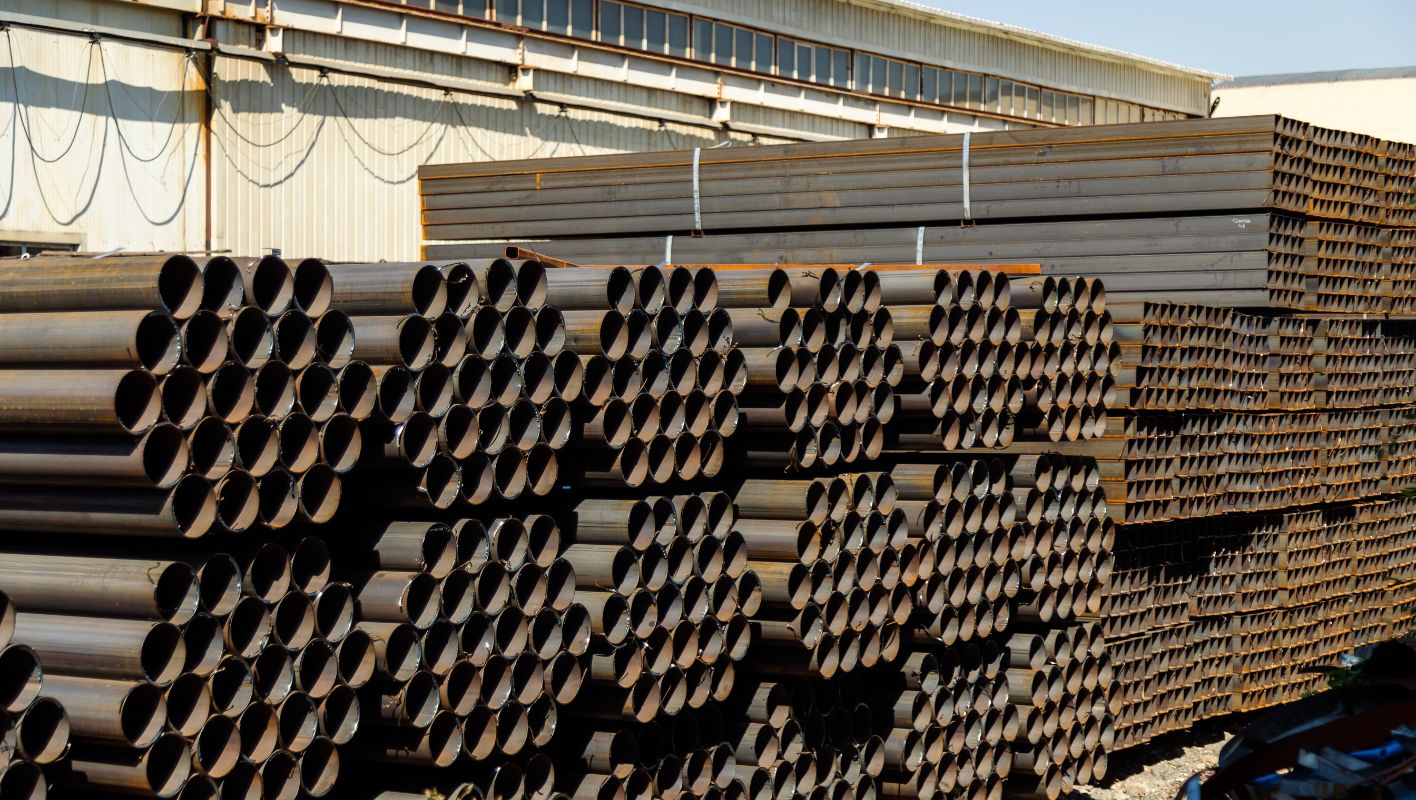
I remember the first time I walked onto a construction site as a rookie engineer, eyes wide with the excitement of it all. The towering steel beams seemed like giants to me, promising strength and stability. It was then I realized how essential steel and iron are, especially in industries where safety and durability are non-negotiable.
Strength and Durability
Steel and iron pipes are like the unsung heroes of many projects. In construction projects10, steel pipes are prized for their impressive strength-to-weight ratio. I’ve seen them used in massive skyscrapers and bridges, ensuring that these structures remain steadfast against the elements.
Then there’s ductile iron, a stalwart in water supply systems11. When I think of how it withstands high pressures and resists corrosion over decades, I’m reminded of a time when a local municipal project utilized these pipes. The results were outstanding—reliable and enduring water supply for years.
Cost-Effectiveness
While initial costs might make one pause, steel and iron pipes win the economic race in the long haul. Steel’s recyclability is a bonus, especially for industrial applications12. This reduces replacement costs significantly. I recall working on a project where choosing recyclable materials was a game-changer.
In plumbing systems13, cast iron pipes strike a perfect balance between cost and performance. Their longevity offsets any upfront expenses. Plus, their sound-dampening ability is something I appreciated when living in an old building with those very pipes—quiet nights without the noise of running water.
Suitability for Different Environments
What makes steel so adaptable is its rust resistance, ideal for outdoor applications14 like oil and gas pipelines traversing tough terrains. Iron pipes, with their thicker walls, prove indispensable underground where soil pressure could be an issue. I’ve seen them used effectively in agricultural settings15 for robust irrigation solutions.
| Application Area | Preferred Material | Key Benefit |
|---|---|---|
| Construction | Steel | Structural integrity |
| Water Supply | Ductile Iron | Corrosion resistance |
| Industrial Systems | Steel | Recyclability and strength |
| Plumbing | Cast Iron | Sound dampening |
| Oil & Gas Pipelines | Steel | Rust resistance |
| Agricultural Systems | Iron | Soil pressure endurance |
These insights demonstrate how the distinct properties of steel and iron meet specific application needs, helping professionals like me make informed decisions for our projects.
Steel pipes are preferred in skyscraper construction.True
Steel's strength-to-weight ratio makes it ideal for skyscrapers.
Iron pipes are unsuitable for subterranean installations.False
Iron pipes excel underground due to their ability to withstand soil pressure.
Conclusion
Steel and iron can be extruded into pipes, but require different methods due to higher melting points, making the process more complex compared to aluminum extrusion.
-
Discover the machinery necessary for handling the high strength of steel during extrusion. ↩
-
Learn about essential maintenance practices for tools used in metal extrusion processes. ↩
-
Explore how innovation expands design possibilities when extruding rigid metals like steel. ↩
-
Understand why precise temperature management is crucial in metal extrusion processes. ↩
-
Gain insights into the standards ensuring quality in extruded steel products. ↩
-
Discover detailed insights into the steps involved in steel pipe production. ↩
-
Learn why aluminum is often chosen over steel in various applications. ↩
-
Learn about the benefits of seamless pipe manufacturing and how it offers uniformity and strength for high-pressure applications. ↩
-
Discover how technological innovations are enhancing efficiency and adaptability in pipe production processes. ↩
-
Explore how steel pipes are essential for structural projects like skyscrapers and bridges, ensuring safety and stability. ↩
-
Learn why ductile iron pipes are preferred for municipal waterworks due to their durability and corrosion resistance. ↩
-
Understand how steel’s recyclability contributes to cost-effectiveness in industrial settings. ↩
-
Discover the sound-dampening advantages of cast iron pipes in residential plumbing systems. ↩
-
Find out why steel is ideal for pipelines exposed to harsh outdoor conditions. ↩
-
See how iron pipes handle soil pressure effectively in agricultural irrigation setups. ↩






