
I once found myself gazing at the sleek aluminum exterior of a modern skyscraper and wondered, why don’t we use this shiny metal for houses?
Aluminum isn’t widely used in home building because it’s expensive, a poor thermal insulator, and can corrode in certain environments. These challenges make materials like wood or steel more practical for residential construction.
While aluminum shines in many applications due to its durability and recyclability, when it comes to homes, the cons seem to overshadow the pros. Let’s dive into the specific hurdles and explore if there’s potential for aluminum to revolutionize home construction one day. Perhaps future innovations will tip the scales in its favor, offering us a new way to build our dream homes.
Aluminum provides poor thermal insulation in houses.True
Aluminum's thermal conductivity makes it a poor insulator compared to other materials.
Aluminum is cheaper than wood for house building.False
Aluminum is generally more expensive than wood, making it less common.
What Are the Structural Challenges of Using Aluminum in Home Building?
Ever thought about how a metal as lightweight as aluminum can pose structural challenges in home building? It’s more complex than you might think.
The key structural challenges of using aluminum in home construction are thermal expansion, corrosion susceptibility, and fire hazards due to its conductivity. Addressing these issues is vital for ensuring safe, durable homes.
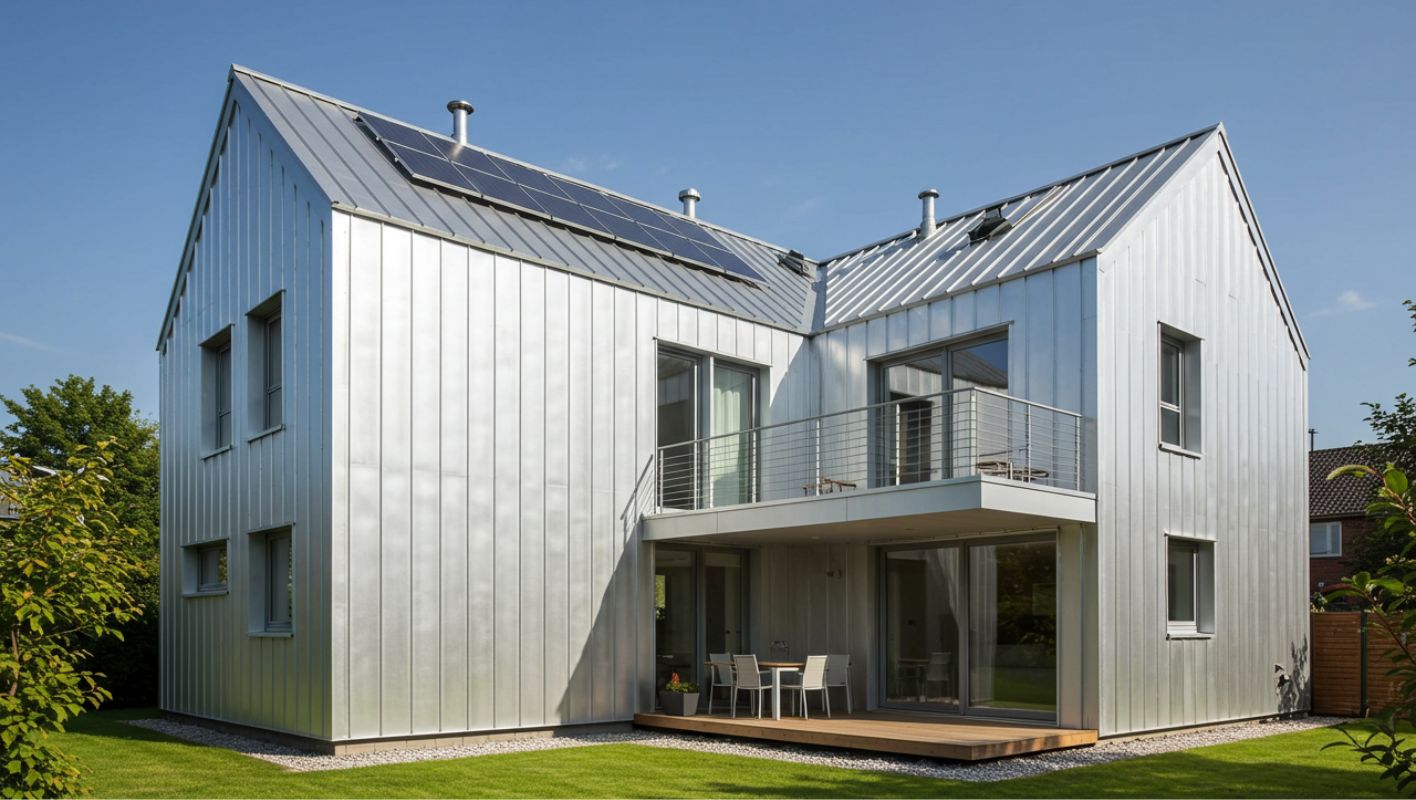
When I first started exploring the idea of using aluminum in construction, it seemed like a dream material—lightweight, strong, and versatile. However, as I dove deeper into its properties, I realized that it comes with its own set of hurdles. Let me take you through some of the more intricate aspects of using aluminum in home building.
Thermal Expansion
One thing that took me by surprise was how much aluminum expands and contracts with temperature changes. Unlike steel, which is more stable, aluminum’s high rate of thermal expansion1 means that it can shift significantly. I remember one project where we had to carefully design around this to avoid issues down the road.
| Material | Coefficient of Thermal Expansion (µm/m°C) |
|---|---|
| Aluminum | 23 |
| Steel | 11 |
These shifts can lead to warping or misalignment, so planning for these movements is crucial.
Corrosion Susceptibility
Despite its reputation for being rust-resistant, aluminum is still vulnerable to corrosion2, particularly in environments with saltwater or acidic conditions. During my time working on coastal projects, we had to meticulously apply protective coatings to ensure the aluminum didn’t degrade over time.
Fire Hazards
Another issue with aluminum is its high conductivity, which can pose fire risks. I recall a case where improperly installed aluminum wiring led to overheating. To prevent such dangers, it’s essential to use the right connectors and adhere strictly to safety standards.
| Issue | Solution |
|---|---|
| Overheating | Use rated connectors |
| Corrosion risk | Apply protective coatings |
| Thermal expansion | Design for movement allowance |
Understanding these factors3 is essential for anyone involved in building or renovating homes. After all, ensuring safety and compliance isn’t just about following rules—it’s about creating spaces where people can live comfortably and securely.
Aluminum expands more than steel with temperature changes.True
Aluminum has a higher thermal expansion coefficient (23 µm/m°C) than steel (11 µm/m°C).
Aluminum is immune to corrosion in all environments.False
Aluminum is susceptible to corrosion, especially in saltwater or acidic conditions.
Why Choose Aluminum Over Traditional Building Materials?
When I first encountered aluminum in construction, it felt like discovering a hidden gem among traditional materials. Its lightweight strength and recyclability make it stand out in modern architecture.
Aluminum shines in comparison to traditional building materials like wood, brick, and steel due to its lightweight strength, excellent corrosion resistance, and recyclability, making it a favored option in contemporary design.
Lightweight Strength and Versatility
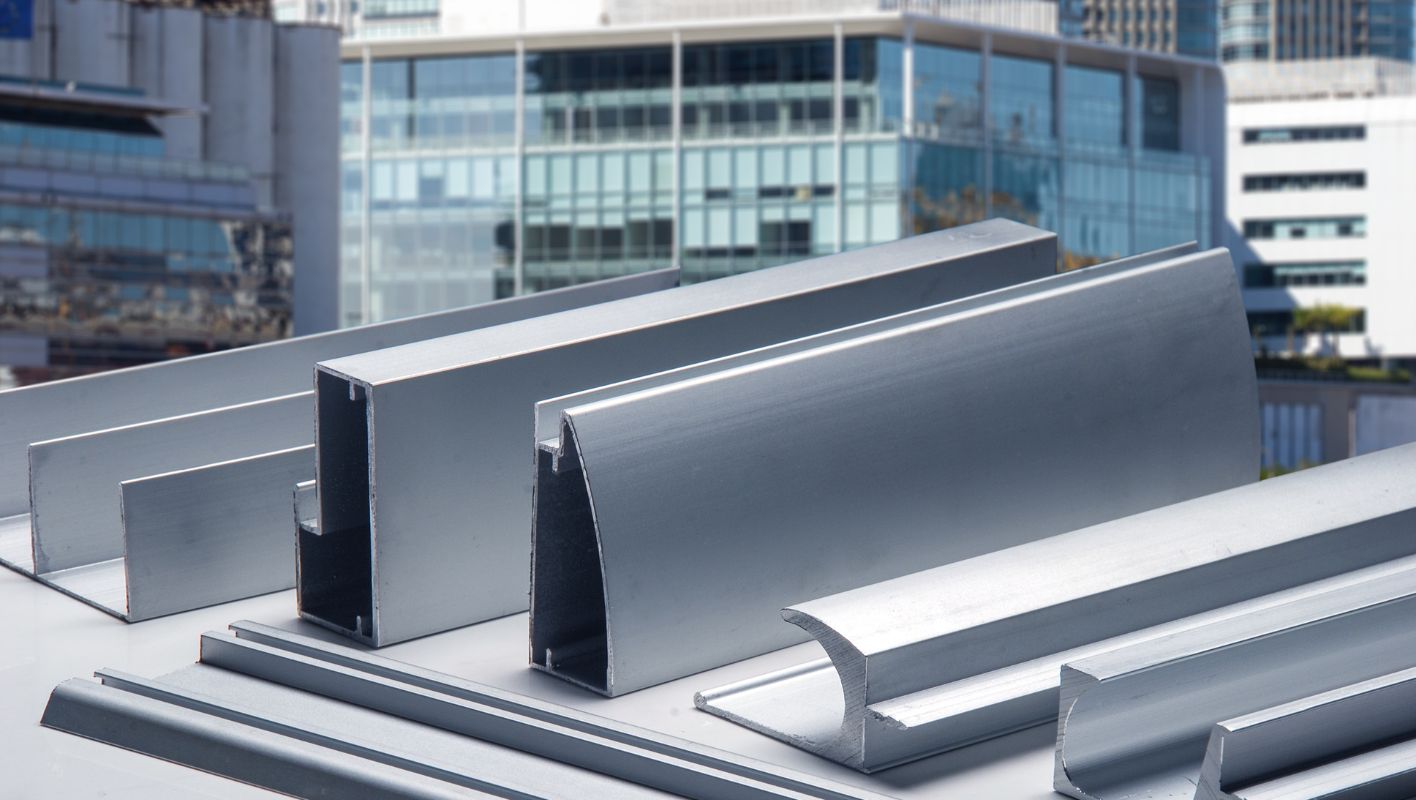
I remember the first time I saw a skyscraper being constructed with aluminum. Watching those massive beams being lifted with such ease was eye-opening. Aluminum’s impressive strength-to-weight ratio is perfect for projects where weight matters—like that skyscraper or even aerospace structures. Unlike steel4, which can be heavy and cumbersome, aluminum delivers robust support without the heft, making transport and assembly a breeze.
Durability and Maintenance
One of my early projects involved building near the coast, where moisture is relentless. We chose aluminum for its natural corrosion resistance, thanks to its protective oxide layer. Unlike wood that can rot or steel that needs constant upkeep to prevent rust, aluminum stood strong, weathering the elements with grace. It’s a relief knowing your project is protected against nature’s harshness without constant maintenance.
Sustainability and Environmental Impact
In our ever-evolving world, sustainability is no longer just a buzzword—it’s a necessity. Aluminum’s 100% recyclability caught my attention, especially since it retains quality through endless recycling. This significantly reduces its environmental impact compared to materials like brick and wood. Knowing that the energy required to recycle aluminum is minimal compared to creating new material adds an eco-friendly feather to its cap.
| Material | Strength-to-Weight | Corrosion Resistance | Recyclability | Initial Cost |
|---|---|---|---|---|
| Aluminum | High | Excellent | Yes | Medium |
| Steel | High | Moderate | Yes | Low |
| Wood | Low | Poor | Yes | Low |
| Brick | Low | Excellent | No | Medium |
Cost-Effectiveness
Sure, aluminum might have a higher initial price tag than wood or brick. But I’ve seen firsthand how its long-term benefits tip the scale in its favor. Reduced maintenance and fewer replacements translate to lower lifecycle costs. Plus, its lightweight nature means savings on transport and installation, which adds up considerably over time.
Aesthetic and Modern Design
As someone who’s always been passionate about architecture, I love how aluminum opens up creative possibilities. Its ability to be molded into diverse shapes allows architects like me to push boundaries, achieving designs that are simply impossible with brick5 or wood. Its sleek finish is the cherry on top, offering a modern aesthetic that fits perfectly into contemporary styles.
Aluminum is heavier than steel in construction.False
Aluminum has a higher strength-to-weight ratio, making it lighter.
Aluminum can be recycled without losing quality.True
Aluminum is 100% recyclable with no quality loss.
Why Consider Aluminum for Sustainable Residential Construction?
I never thought much about aluminum until I started exploring its role in sustainable construction. It turns out, there’s more to this shiny metal than meets the eye.
Aluminum is a sustainable choice for residential construction due to its excellent recyclability, advancements in energy-efficient production, and lightweight properties that cut down on transportation emissions. However, its initial production requires significant energy, highlighting the importance of recycling in reducing its environmental impact.
The Recyclability of Aluminum
I remember the first time I saw an aluminum can get recycled. It was mesmerizing to see it being transformed into something new, with almost no waste. Aluminum’s recyclability is astounding—around 75% of all aluminum ever produced is still in use today. Recycling aluminum uses just 5% of the energy required for primary production, drastically shrinking its carbon footprint.
Here’s a breakdown of aluminum’s recycling benefits:
| Aspect | Benefit |
|---|---|
| Energy Savings | 95% less energy compared to primary production. |
| Emission Reduction | Lowers greenhouse gases significantly. |
| Material Recovery | Preserves natural resources and minimizes waste. |
Discover more about recycling processes6.
Energy Efficiency in Production
The industry has been buzzing with innovations aimed at reducing the carbon footprint of aluminum production. Techniques like inert anode technology and using renewable energy have made significant strides. I once toured a facility that had implemented these methods, and the difference in emissions was tangible.
Understanding energy-efficient techniques7 provides insights into how aluminum production is evolving.
Lightweight and Transportation Impact
Aluminum’s lightweight nature was a game-changer for me when I first considered it for a project. It meant less fuel consumption and fewer emissions during transport—something I hadn’t fully appreciated until I saw the numbers.
Consider this comparison:
| Material | Weight (kg/m³) | Emission Impact (CO₂ per ton/km) |
|---|---|---|
| Aluminum | 2,700 | Lower due to reduced weight |
| Steel | 7,850 | Higher due to increased weight |
Explore the environmental benefits of lightweight materials8.
Challenges and Considerations
Of course, it’s not all smooth sailing. The initial production of aluminum is energy-intensive, and bauxite mining does have ecological impacts. I learned early on that responsible sourcing and maximizing recycling rates are crucial.
For more on sustainable sourcing practices9, it’s essential to consider the broader environmental impacts of mining activities.
Aluminum has great potential as a sustainable material in residential construction, but unlocking its full environmental benefits depends on effective recycling systems and ongoing innovation in production methods. As someone who values sustainability, this balance is something I always keep in mind when planning a project.
75% of aluminum ever produced is still in use today.True
Aluminum's high recyclability ensures that most of it remains in circulation.
Aluminum production uses more energy than recycling.True
Recycling aluminum requires only 5% of the energy compared to primary production.
Could Future Innovations Make Aluminum More Viable for Homes?
Imagine a world where our homes are not only light and strong but also smart and sustainable, all thanks to aluminum.
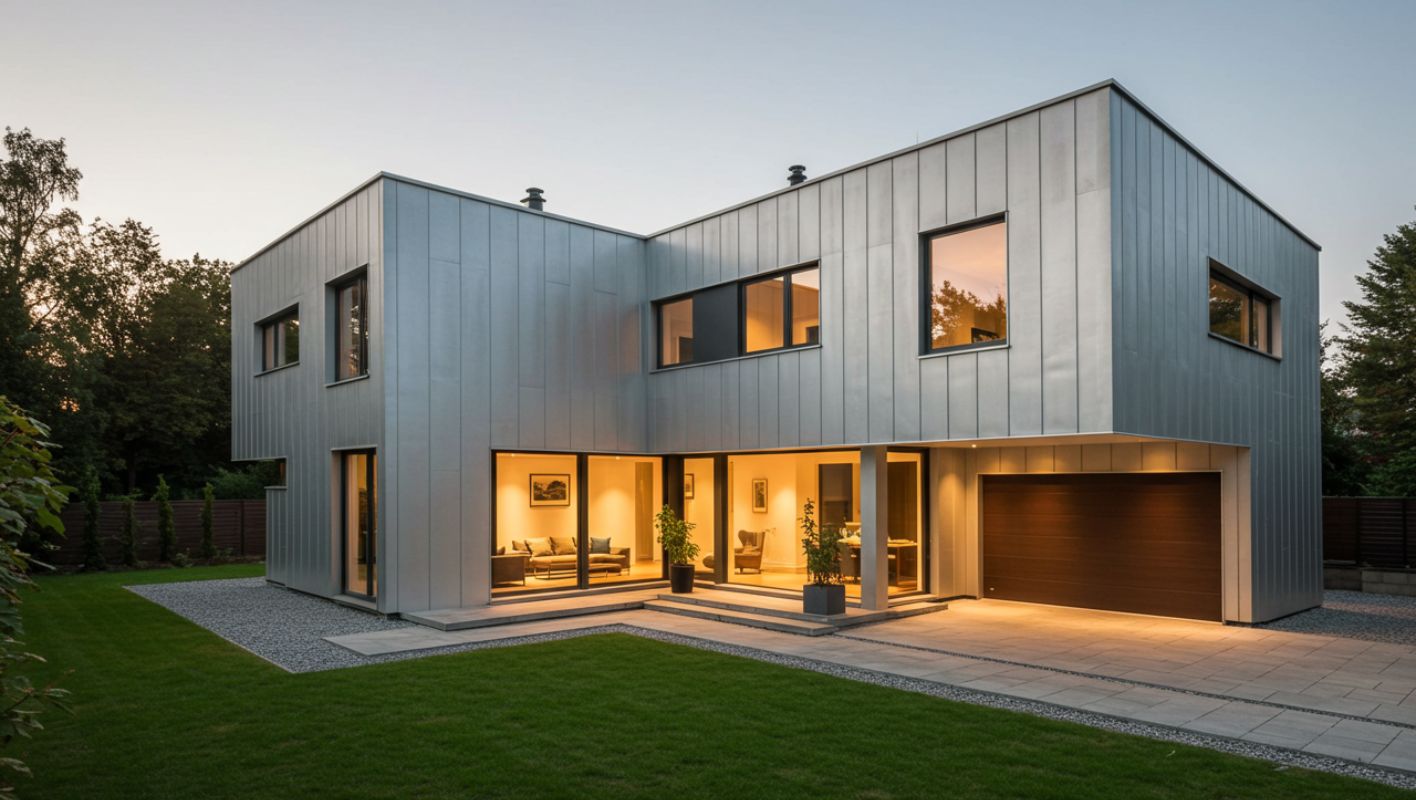
Future innovations, like advanced thermal treatments and eco-friendly coatings, could make aluminum a key material in home construction, offering sustainable, durable, and energy-efficient solutions.
Exploring Advanced Thermal Treatments
As I delve deeper into the world of aluminum innovations, I can’t help but think about how far we’ve come with thermal treatments10. Remember when we had to choose between strength and efficiency? Advances in this domain now promise both, enhancing aluminum’s potential for residential construction. By improving its thermal conductivity and resistance to temperature fluctuations, these treatments can significantly enhance aluminum’s performance in home environments.
Eco-Friendly Coatings and Finishes
Once upon a time, I was helping a client choose materials for their new eco-friendly home. It struck me how aluminum, with its modern coatings and finishes, could transform sustainability in construction. These eco-friendly solutions, like powder coatings and anodizing, not only protect the metal from corrosion but also add a splash of aesthetic appeal. It’s exciting to see how these advancements align perfectly with sustainable building practices11.
Integration of Smart Technologies
Fast forward to today’s trend of smart homes; it’s fascinating how aluminum could become the backbone of this revolution. Imagine walls that aren’t just walls but active participants in energy management. By integrating sensors and smart systems right into the aluminum structure, we could offer homeowners an innovative way to manage their living spaces effortlessly.
| Innovation | Potential Benefits |
|---|---|
| Thermal Treatments | Enhanced strength and efficiency |
| Eco-Friendly Coatings | Improved sustainability and aesthetics |
| Smart Technology Integration | Advanced energy management |
Collaboration with Renewable Energy
Aluminum’s role in renewable energy has always intrigued me. Its use in solar panels is a game-changer, but future innovations could take this a step further with building-integrated photovoltaics (BIPV). Imagine homes that not only shelter us but also generate their own energy! Plus, with ongoing research focused on reducing the carbon footprint of aluminum production, the dream of truly eco-friendly construction solutions12 feels within reach. Implementing recycling initiatives and adopting energy-efficient production processes will be key to making aluminum the sustainable star of tomorrow’s homes.
Thermal treatments improve aluminum's home suitability.True
Advanced thermal treatments enhance aluminum's strength and efficiency.
Smart technologies can't integrate with aluminum structures.False
Aluminum can incorporate sensors for smart home energy management.
Conclusion
Aluminum’s high cost, poor thermal insulation, and corrosion issues hinder its use in home construction despite its lightweight strength and recyclability. Future innovations may change this dynamic.
-
Explore how thermal expansion affects different building materials, aiding in informed construction choices. ↩
-
Learn about protective methods to safeguard aluminum from corrosion, enhancing longevity. ↩
-
Discover the safety standards for aluminum in construction, ensuring compliance and safety. ↩
-
Explore why aluminum’s lightweight and corrosion-resistant properties often make it preferable to steel in construction projects. ↩
-
Learn about the modern design flexibility aluminum offers compared to traditional brick. ↩
-
Learn about efficient recycling processes that make aluminum a sustainable choice. ↩
-
Explore advancements in reducing aluminum production’s carbon footprint. ↩
-
Understand how lightweight materials like aluminum impact transportation emissions. ↩
-
Discover eco-friendly sourcing methods that minimize mining’s ecological impact. ↩
-
Discover how advanced thermal treatments can enhance aluminum’s properties, making it more suitable for residential use. ↩
-
Learn about eco-friendly coatings that protect aluminum while aligning with sustainable building practices. ↩
-
Explore how aluminum’s role in renewable energy can be expanded through innovative recycling solutions. ↩






