
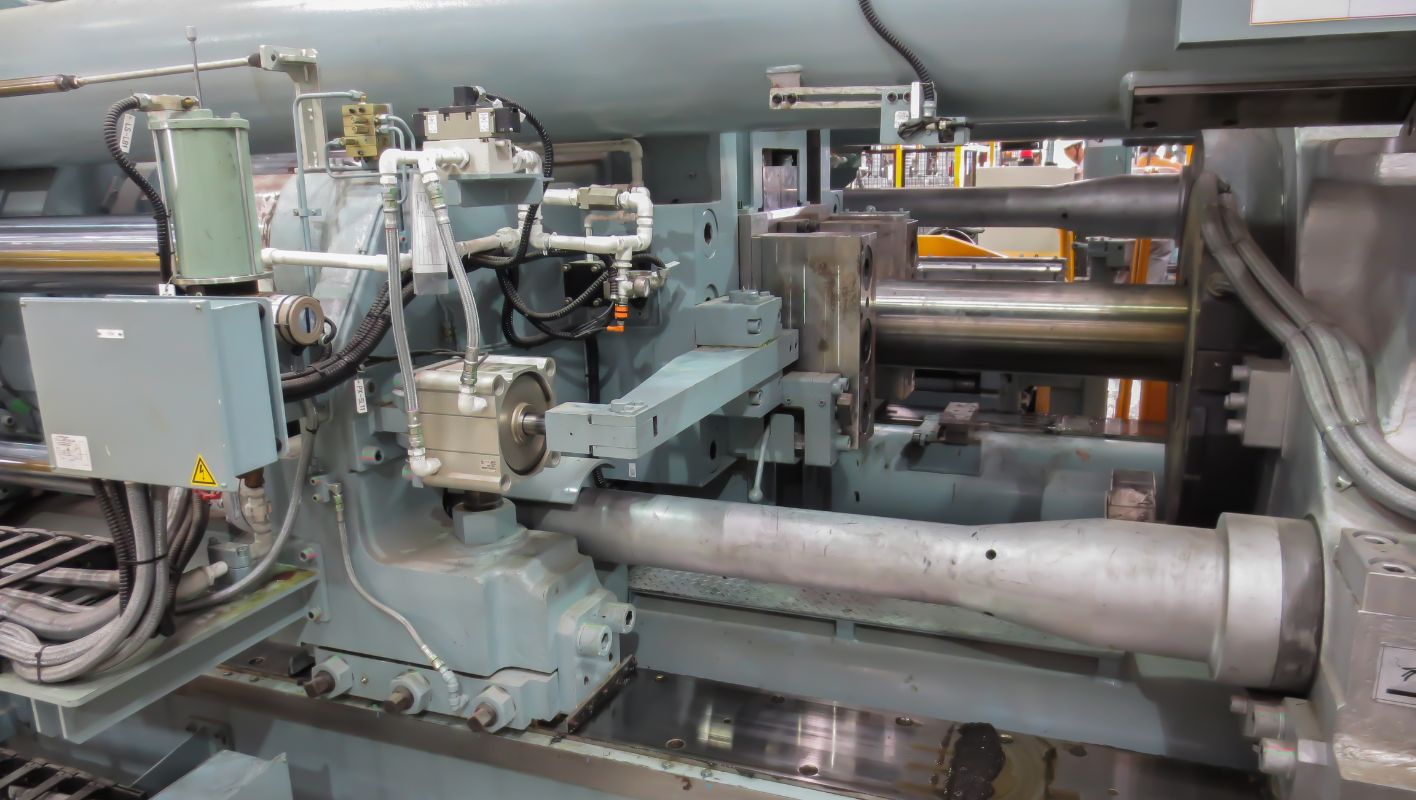
Imagine a world where every component fits perfectly, just like a well-tailored suit, thanks to cold extrusion.
Cold extrusion is crucial in manufacturing because it creates high-strength parts with superb surface finishes and precise dimensions, all while conserving energy compared to hot extrusion.
Years ago, I stumbled upon cold extrusion almost by accident. As someone who spent countless hours on the factory floor, the precision and efficiency of this process fascinated me. It felt like discovering a hidden gem that could reshape entire industries. Join me as we explore how cold extrusion might just be the game-changer you’re looking for in your next project.
Cold extrusion uses less energy than hot extrusion.True
Cold extrusion is more energy-efficient as it operates at room temperature.
Cold extrusion produces low-strength components.False
Cold extrusion creates high-strength components due to work hardening.
Why Choose Cold Extrusion Over Hot Extrusion?
Imagine shaping metal with the same precision and ease as molding clay. Cold extrusion offers this dream-like control, turning manufacturing into a more efficient art form. Let’s dive into the magic behind its benefits.
Cold extrusion strengthens materials, enhances surface quality, and cuts costs by eliminating the need for heating, making it a game-changer in manufacturing.
Understanding Cold vs. Hot Extrusion
Picture this: It’s a chilly morning, and I’m standing in a factory, marveling at how metal can be transformed without a hint of heat. Cold extrusion, unlike its hot counterpart, shapes materials at room temperature. This choice affects everything from material properties1 to cost-effectiveness.
Enhanced Material Strength
I remember the first time I witnessed cold extrusion in action—how effortlessly it strengthened metal. The secret lies in work hardening. Shaping metals at lower temperatures refines their grain structure, resulting in superior mechanical properties2. This strength is invaluable for industries like aerospace that demand resilience.
Superior Surface Finish
The beauty of cold extrusion is in its finish. I’ve seen parts come out smoother than I could’ve imagined. Without high heat, there’s no oxidation, meaning fewer defects and less need for touch-ups—ideal for applications where surface integrity3 is paramount.
Cost Efficiency
No heating means no sky-high energy bills or expensive equipment maintenance. Plus, less waste is generated, aligning perfectly with our sustainability goals4. I’ve found this not only reduces costs but also supports eco-friendly practices.
Precision and Tolerance Control
Precision is everything when crafting components for vehicles or aircraft. Cold extrusion offers the exactness we need—tighter tolerances and better dimensional accuracy. I’ve come to rely on this consistency to enhance product quality across various sectors.
Comparative Overview
| Advantage | Cold Extrusion | Hot Extrusion |
|---|---|---|
| Material Strength | High due to work hardening | Lower due to high temps |
| Surface Finish | Superior, minimal post-processing | More defects, oxidation |
| Energy Consumption | Low (no heating required) | High (requires heating) |
| Precision | High dimensional accuracy | Less precise |
| Waste Reduction | Less waste generated | More waste possible |
Understanding these advantages helps procurement directors like John assess how cold extrusion can align with their manufacturing goals. By exploring these elements further, decision-makers can optimize production for efficiency and quality5.
Cold extrusion enhances material strength through work hardening.True
Cold extrusion refines grain structure, improving mechanical properties.
Hot extrusion provides superior surface finish compared to cold extrusion.False
Cold extrusion results in a better surface finish with fewer defects.
How Does Cold Extrusion Enhance Product Quality and Efficiency?
Ever wondered how something as simple as cold extrusion can transform manufacturing? Let me take you on a journey through this fascinating process.
Cold extrusion enhances product quality by delivering parts with exceptional strength and finish. It boosts efficiency by minimizing waste and energy use compared to traditional methods, making it a game-changer in manufacturing.
Understanding Cold Extrusion
Imagine working in a bustling factory, where metal is molded into shapes without the heat that usually accompanies such processes. That’s cold extrusion for you. Picture it like pushing a soft lump of clay through a mold, but with metal, done at room temperature. This process is perfect for industries demanding precision and impeccable surface quality.
Benefits to Product Quality
I remember the first time I saw the difference cold extrusion made. I held two identical parts in my hands—one from cold extrusion, another from a traditional process. The cold-extruded piece felt robust, its tensile strength apparent, and its surface smoother, almost like holding a polished stone. This method not only strengthens the material but also ensures durability. It’s why industries like automotive and aerospace swear by it for critical components such as automotive components6 and aerospace parts.
| Benefits | Cold Extrusion |
|---|---|
| Tensile Strength | High |
| Surface Finish | Smooth and Uniform |
| Material Efficiency | Low Waste |
| Energy Consumption | Reduced compared to hot processes |
Enhancing Efficiency
Efficiency isn’t just about speed; it’s about doing more with less. Cold extrusion nails this by cutting down on energy consumption—no need for giant heaters—and reducing material waste. I remember a time when switching to cold extrusion slashed our energy bills, not to mention the precision meant fewer offcuts and scraps piling up.
Moreover, embracing sustainability in manufacturing feels less daunting with cold extrusion. It aligns perfectly with sustainability efforts7, something that was becoming increasingly important in my line of work as global trends push for greener processes.
Industry Applications
Whether it’s making cars lighter and more fuel-efficient or crafting intricate electronic components, cold extrusion finds its place in diverse sectors. I once worked on a project that used recycled materials through this method, ensuring no compromise on quality while ticking the sustainability box.
Cold extrusion finds applications across various sectors due to its versatility. In the automotive industry, it is used to produce lightweight yet strong components, contributing to fuel efficiency. In electronics, cold extrusion helps in crafting precise connectors and housings. The method is also pivotal in creating sustainable solutions8 by enabling the use of recycled materials without compromising product quality.
Technology has only sweetened the deal. With simulation software now part of the process, predicting how metals behave before they even touch a die is possible. It cuts down the guesswork and fine-tunes production efficiency—enhancing production efficiency9. It’s like having a crystal ball that shows you the future of your product before you even start making it. These advancements save time, costs, and ensure the output is nothing short of perfection.
Cold extrusion improves tensile strength of metal parts.True
Cold extrusion work hardens metals, increasing tensile strength.
Cold extrusion requires heating the metal before shaping.False
Cold extrusion is performed at room temperature without heating.
Which Industries Benefit Most from Cold Extrusion?
Ever wondered how cold extrusion is quietly reshaping industries behind the scenes? Join me as I dive into its fascinating applications across various fields.
Cold extrusion is extensively used in automotive, aerospace, and electronics industries. Its benefits include reduced waste, enhanced mechanical properties, and cost-effectiveness, making it a go-to choice for manufacturing complex components efficiently.
Automotive Industry
When I first learned about cold extrusion, it was in the context of the automotive industry. I remember being fascinated by how this technique could create complex parts with such precision and minimal waste. It’s like magic, really, how it helps produce lightweight components10 essential for improving fuel efficiency. Plus, the material strength it provides ensures that our vehicle assemblies are both durable and reliable.
| Part | Description |
|---|---|
| Gear Blanks | Used for transmission systems, offering high strength and uniformity |
| Shafts | Essential for engine performance, providing excellent fatigue resistance |
Aerospace Industry
The story doesn’t end there. Imagine sitting in a plane knowing that the components holding everything together are not only lightweight but incredibly strong. The aerospace industry thrives on this. I’ve seen firsthand how cold extrusion aids in crafting fuselage frames11 and engine mounts12, reducing machining steps which, in turn, cut production costs and speed up manufacturing.
Electronics Industry
If you’ve ever marveled at the sleekness of your electronic devices, you might owe a nod to cold extrusion. The electronics industry is where precision meets necessity. Through this process, I’ve seen intricate parts like connectors and housings come to life with minimal post-processing. The ability to work with metals like aluminum and copper also means better thermal management13 for our gadgets.
Energy Sector
Let’s not forget the energy sector. Picture wind turbines standing tall, enduring harsh weather, and solar panels harnessing the sun’s power efficiently. Cold extrusion plays a pivotal role here too. It supports the creation of high-performance parts14 that maintain their integrity in challenging conditions.
| Application | Benefits |
|---|---|
| Wind Turbines | Produces durable components that can endure extreme weather |
| Solar Panels | Creates robust frames that support sustainable energy generation |
Each industry tells a story of innovation powered by cold extrusion, underscoring its importance in our modern world.
Cold extrusion is most used in the automotive industry.True
The automotive industry benefits from cold extrusion for precision parts.
Cold extrusion reduces waste in the electronics industry.True
It allows precise manufacturing, minimizing material waste in electronics.
What is the Future of Cold Extrusion in Sustainable Manufacturing?
When I first stumbled upon cold extrusion, it felt like uncovering a secret weapon in the fight for sustainable manufacturing.
The future of cold extrusion in sustainable manufacturing is bright, thanks to its ability to reduce both material waste and energy use. Its precision and scalability make it a perfect fit for eco-conscious industries aligning with global sustainability objectives.
The Benefits of Cold Extrusion in Sustainability
When I think back to my early days in metal processing, I remember being fascinated by how cold extrusion could shape metal without the need for intense heat. It’s like watching magic happen, saving energy by keeping things at room temperature. This energy efficiency15 is not just a nice-to-have; it’s essential in lowering the carbon footprint of our manufacturing processes, something that feels more urgent every day as we face environmental changes.
Moreover, cold extrusion generates less waste because it uses pre-measured blanks that produce minimal scraps. It feels good knowing each piece of metal is used wisely, respecting both our resources and our planet.
| Advantages | Description |
|---|---|
| Energy Efficiency | Lower energy consumption due to room temperature operations. |
| Waste Reduction | Minimal scrap generation through precise metal usage. |
Innovations Driving the Future of Cold Extrusion
The tech scene in cold extrusion is buzzing with excitement. I remember the first time I saw automation technologies16 being integrated into this process—what a game-changer! These advancements enhance consistency and precision, trimming down material waste even further.
And then there’s AI. Incorporating digital twins and AI-driven optimizations into the process is like having a superpower. They increase efficiency significantly and help industries meet those high-speed production demands without compromising on sustainability. It’s thrilling to watch these innovations unfold, knowing they are paving the way for more eco-friendly practices.
Potential Applications in Various Industries
Cold extrusion is especially exciting for industries where every gram counts, like automotive and aerospace. I’ve seen firsthand how lightweight, high-strength components made through this method can meet even the most stringent environmental standards.
The versatility is another ace up its sleeve. Whether it’s aluminum, steel, or titanium, cold extrusion works wonders with a variety of metals. This flexibility aligns with sectors focused on diverse applications17, such as industrial machinery and electronics.
Challenges and Considerations
Of course, every rose has its thorns. Adopting cold extrusion on a large scale isn’t without its challenges. Not all metals are fit for this process, which can be a hurdle. Plus, the initial setup costs can be daunting—but trust me, the long-term benefits make it worthwhile.
Quality control is non-negotiable, especially for components requiring high precision. Advanced monitoring systems18 are key here, helping to maintain standards and ensure reliability throughout production.
In essence, the future of cold extrusion in sustainable manufacturing is one filled with promise and potential. As technology continues to evolve and as we collectively strive for greener production methods, this process will undoubtedly stand as a cornerstone of environmentally responsible manufacturing.
Cold extrusion reduces energy use compared to hot extrusion.True
Cold extrusion operates at room temperature, requiring less energy than hot extrusion.
All metals are suitable for cold extrusion processes.False
Not all metals can be cold-formed; material selection is crucial for success.
Conclusion
Cold extrusion is a vital manufacturing process that enhances material strength, surface finish, and energy efficiency while reducing waste, making it ideal for automotive, aerospace, and electronics industries.
-
Explore how cold extrusion enhances material properties like tensile strength and hardness. ↩
-
Understand which mechanical properties benefit from cold extrusion processes. ↩
-
Learn why cold extrusion provides a better surface finish compared to hot methods. ↩
-
Find out how cold extrusion contributes to sustainability through energy savings and waste reduction. ↩
-
Gain insights into how cold extrusion improves manufacturing efficiency and product quality. ↩
-
Explore how cold extrusion boosts the performance of automotive parts through enhanced strength and precision. ↩
-
Learn how cold extrusion contributes to sustainable manufacturing with reduced energy use and material waste. ↩
-
Discover how cold extrusion facilitates the use of recycled materials in production without sacrificing quality. ↩
-
Understand how simulation tools enhance the efficiency and precision of cold extrusion processes. ↩
-
Explores how lightweight components improve vehicle performance and fuel efficiency. ↩
-
Explains how fuselage frames benefit from cold extrusion techniques. ↩
-
Describes the properties of engine mounts manufactured through cold extrusion. ↩
-
Discusses how cold extrusion aids in efficient thermal management in electronics. ↩
-
Highlights the role of cold extrusion in producing durable energy system components. ↩
-
Discover how cold extrusion minimizes energy consumption, a crucial factor for eco-friendly manufacturing. ↩
-
Explore how automation can optimize cold extrusion processes for enhanced precision and efficiency. ↩
-
Learn about the versatility of cold extrusion across various industrial sectors. ↩
-
Understand how monitoring systems ensure precision and reliability in cold extrusion processes. ↩






