
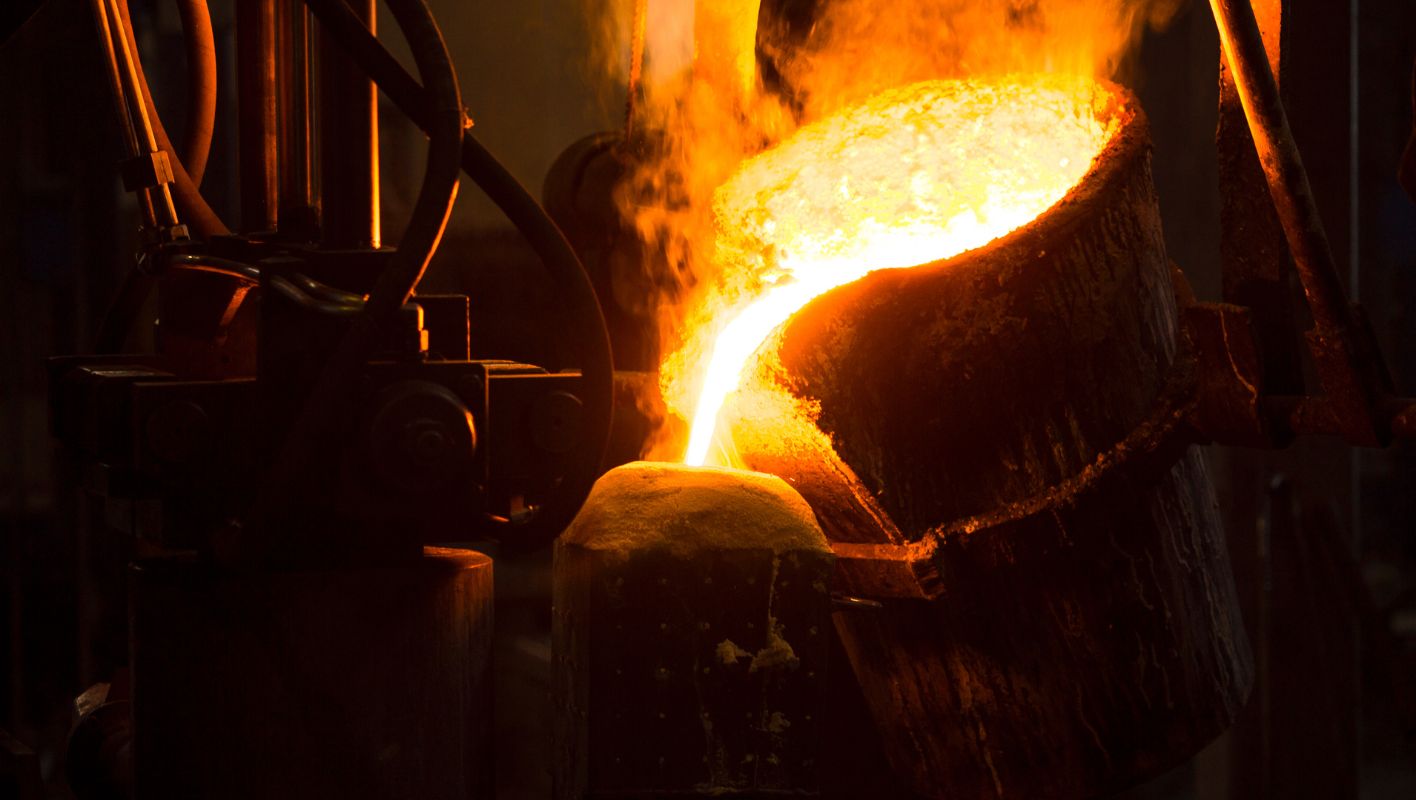
Ever tried melting copper in your backyard and wondered just how hot it has to get?
Copper melts at 1,984°F (1,085°C). This high melting point makes it perfect for industrial uses like electrical wiring and plumbing, thanks to its great conductivity.
I remember the first time I encountered copper in a workshop. It was a pivotal moment that got me thinking about how this metal withstands such intense heat without breaking a sweat. Understanding copper’s melting point is just the start. It’s crucial to also compare its traits with other metals to see why it’s the go-to choice for certain projects. Dive deeper with me to explore how copper’s unique characteristics make it indispensable across various industries.
Copper melts at 1,984°F (1,085°C).True
Copper's high melting point is 1,984°F, making it suitable for industry.
Copper is unsuitable for electrical wiring.False
Copper's excellent conductivity makes it ideal for electrical wiring.
How Does Copper’s Melting Point Compare to Other Metals?
Ever wondered how copper stacks up against other metals in the heat department? Let me take you on a journey through melting points, where we’ll see why copper is such a versatile choice.
Copper melts at 1,984°F (1,085°C), which is lower than iron and nickel but higher than aluminum and lead. This makes it ideal for electrical and thermal applications, balancing strength and workability.
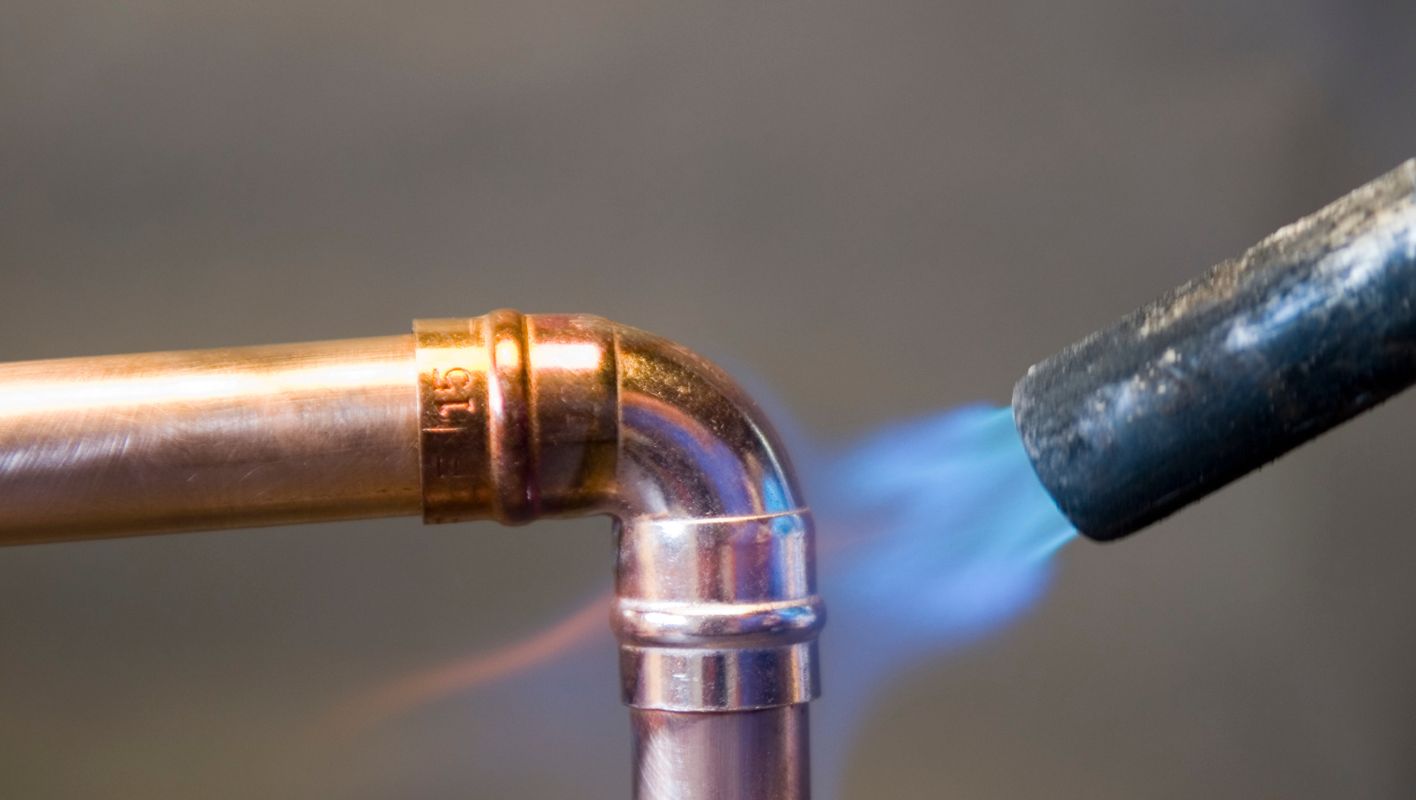
Understanding Metal Melting Points
I’ve always been fascinated by how the melting point1 of a metal can dictate its entire career, if you will. It’s like how a person’s upbringing shapes their future. The melting point is crucial because it tells us where a metal fits best in our industrial world. Some metals, like those with lower melting points, are perfect for casting into molds like a baker pouring batter into cake tins. Others, with higher melting points, thrive in environments where heat is cranked up to the max.
Comparing Copper’s Melting Point
| Metal | Melting Point (°C) | Melting Point (°F) |
|---|---|---|
| Aluminum | 660 | 1,220 |
| Copper | 1,085 | 1,984 |
| Iron | 1,538 | 2,800 |
| Nickel | 1,455 | 2,651 |
| Lead | 327 | 621 |
Looking at this table reminds me of a conversation I had during my early days in the metal industry. We often joked about copper being the "Goldilocks" of metals—not too hot, not too cold, just right for so many uses.
Industrial Implications
Copper’s moderate melting point makes it an excellent choice for electrical wiring because of its impressive thermal conductivity2. I remember one project where we needed something that could handle heat but still be flexible enough to maneuver through tight spaces—copper was our hero. It stands up well to heat compared to aluminum yet is easier to work with than iron, making it a versatile player in fields from plumbing to electronics.
What’s even better is copper’s efficiency when it comes to recycling. Its moderate melting point means we use less energy in the process compared to metals like iron or nickel. This energy-saving aspect makes copper a darling for sustainability3 enthusiasts like myself, aligning perfectly with eco-friendly manufacturing ideals.
Factors Influencing Metal Choice
Selecting the right metal is like choosing the perfect partner—there’s no one-size-fits-all. Engineers must weigh factors like cost, availability, and mechanical properties alongside melting points. Sometimes, even if copper seems perfect for an electrical setup, another metal might swoop in with a better offer depending on the task at hand.
- Thermal Conductivity: Copper’s high thermal conductivity makes it top-notch for heat exchangers.
- Corrosion Resistance: Its natural resistance to corrosion means it holds up well under harsh conditions.
- Formability: I’ve often found that copper’s malleability and ductility make it a dream to work with for crafting wires and pipes.
Navigating these trade-offs is part of what makes our field so exciting. By diving deeper into the properties of metals4, professionals can refine their approach to material selection across various industries.
Copper's melting point is higher than lead's.True
Copper melts at 1,085°C, while lead melts at 327°C, making copper higher.
Iron has a lower melting point than copper.False
Iron melts at 1,538°C, which is higher than copper's 1,085°C.
How Do Various Factors Affect the Melting Point of Copper?
Ever wondered what makes copper melt? It’s not just about heat; it’s a fascinating mix of science and art that impacts industries like automotive and aerospace.
The melting point of copper is influenced by impurities, alloying elements, and atmospheric conditions. These factors change the temperature at which copper transitions from solid to liquid.

Impurities and Alloying Elements
Let me take you back to a project I worked on that involved creating a copper alloy with unique properties. We added elements like tin5 and zinc, which unexpectedly lowered the melting point. This change made the material easier to work with in casting and welding, providing a smoother, more efficient production process.
| Element | Effect on Melting Point |
|---|---|
| Tin | Lowers |
| Zinc | Lowers |
Atmospheric Conditions
Imagine being in a workshop where every tiny detail matters. The environment can be a game-changer—whether it’s a vacuum or an oxygen-rich atmosphere. Processing copper in an oxygen-rich setting can lead to oxidation, altering its melting characteristics. I remember adjusting the settings in my workshop to control these factors, ensuring that the copper maintained its integrity.
Grain Size and Structure
The internal structure of copper is like a fingerprint—unique and crucial to its properties. Smaller grains can boost atomic bonding strength, raising the melting point. I recall examining samples under a microscope, fascinated by how these tiny grains could have such a big impact.
Thermo-Mechanical Processing
Picture this: You’re in the thick of a project, and every tweak changes the outcome. Processes like cold working6 transform copper’s microstructure, affecting its thermal properties. Cold-rolled copper behaves differently when heated compared to annealed copper due to work hardening. I’ve seen firsthand how these subtle changes influence the melting dynamics.
Understanding these variables is essential for making informed decisions about materials and processing techniques. For instance, choosing the right alloy can optimize the melting process7 for specific applications, ensuring efficiency and quality in production. Being mindful of atmospheric conditions during processing can also help maintain desired material characteristics.
These insights into copper’s melting behavior are not just theoretical—they’re practical guides for designing manufacturing processes that meet stringent industry standards. For anyone looking to delve deeper into how these factors interplay with real-world applications, exploring metallurgical studies can offer valuable revelations.
Alloying copper with tin raises its melting point.False
Tin lowers the melting point of copper when alloyed.
Smaller grain size increases copper's melting point.True
Smaller grains enhance atomic bonding, raising melting point.
Why is Copper’s High Melting Point Important in Manufacturing?
When I first started working with metals, I learned that copper’s high melting point is like the unsung hero of manufacturing. It keeps everything in place, even when things heat up.
Copper’s high melting point is crucial in manufacturing because it enables components to endure extreme temperatures without compromising their integrity, making it perfect for electrical and thermal applications.
The Role of Copper in High-Temperature Applications
I remember a time when we were testing materials for a new aerospace project. We needed something that wouldn’t buckle under intense heat. That’s when copper, with its melting point at 1,984°F (1,085°C), became our go-to. In industries like automotive and aerospace, where components are regularly exposed to high temperatures, copper stands its ground without losing strength or conductivity.
Electrical Conductivity and Copper
One of my most satisfying projects was revamping an old electrical system with copper wiring. Its superior electrical conductivity was unmatched. I realized then why manufacturers prefer copper for circuits that need to stay stable even when temperatures soar. It’s reassuring to know that copper won’t let you down when things get heated.
| Property | Value |
|---|---|
| Melting Point | 1,984°F (1,085°C) |
| Conductivity | Excellent |
Thermal Conductivity in Heat Exchangers
The first time I worked on designing a heat exchanger, I was amazed by copper’s efficiency in transferring heat. Its high melting point meant it could handle the heat without degrading. This ability is especially critical in industries focused on energy efficiency8. It’s like having an old friend you can always count on.
Durability and Longevity
I’ve seen firsthand how copper’s resilience to thermal expansion helps parts keep their shape over time. It’s like watching an old factory machine still run smoothly because its copper components haven’t worn out from repeated thermal cycling. This longevity reduces maintenance costs and keeps machinery running longer.
Copper Alloys: Enhancing Properties
In our quest for better materials, we often alloy copper with metals like zinc or tin. These combinations retain copper’s high melting point and conductivity while offering enhanced strength. Exploring the potential of copper alloys9 has led to some innovative solutions for tricky manufacturing challenges.
Understanding why copper’s high melting point is so important opens doors to its application across various manufacturing sectors. It ensures products are not only efficient but also reliable under tough conditions. By leveraging these attributes, manufacturers can achieve superior product performance while optimizing for cost-effectiveness and sustainability.
Copper's melting point is 1,984°F (1,085°C).True
Copper melts at 1,984°F (1,085°C), making it suitable for high-temperature applications.
Copper alloys have lower melting points than pure copper.False
Alloying can enhance properties but doesn't necessarily lower the melting point.
How does copper transform industries?
Imagine a world without the magic of copper—it’s nearly impossible! This metal quietly powers so much around us.
Copper is essential in electrical wiring, plumbing, and heating because of its superb conductivity and durability. Its significance extends to electronics, the automotive sector, and renewable energy projects, making it a versatile industrial powerhouse.
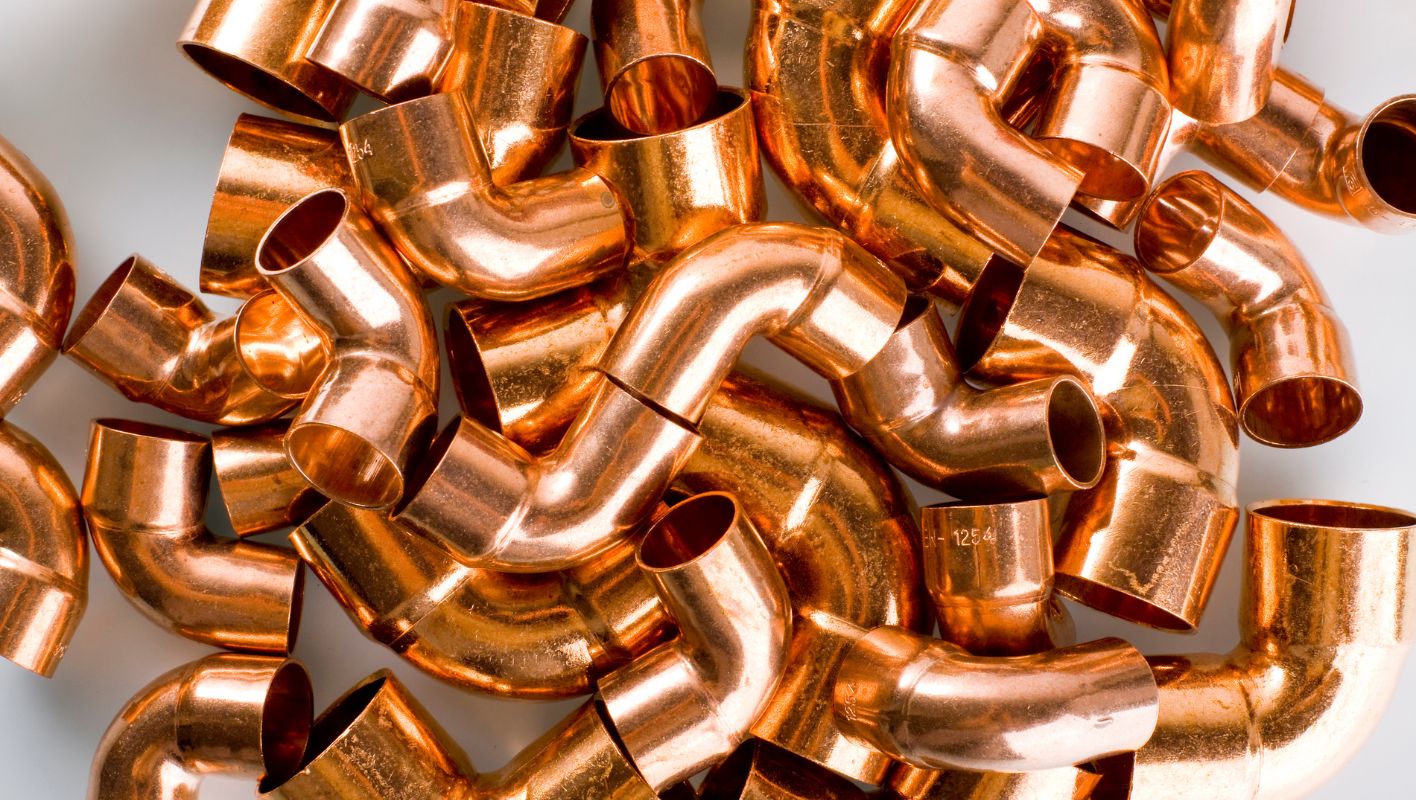
I remember when I first realized the sheer impact copper has on our everyday lives. It was during a factory tour where I saw copper wires weaving through complex machinery, bringing life to what would otherwise be inanimate objects. This experience left me in awe of how such a seemingly simple metal could be so vital.
Electrical and Electronics Industry
When it comes to electrical wiring and electronics, copper is the hero. Its unmatched electrical conductivity ensures that power flows efficiently, reducing energy loss. In my early days at the metal processing factory, I learned how critical copper is for high-quality connectors10, ensuring everything from your home’s wiring to advanced electronic gadgets work seamlessly.
| Application | Benefits |
|---|---|
| Wiring & Cabling | High conductivity |
| PCBs | Thermal resistance |
Automotive Sector
The automotive industry also swears by copper. I recall working on a project that involved designing lighter, more durable vehicle components. Copper alloys played a crucial role in enhancing the durability of radiators, brakes, and bearings while boosting fuel efficiency. You can explore how copper alloys11 contribute to making vehicles that are not just robust but also efficient.
Renewable Energy
As the world shifts towards green energy, copper stands at the forefront. Its role in solar panels and wind turbines is indispensable due to its ability to conduct electricity with minimal loss. I’ve seen firsthand how copper’s role in energy efficiency12 lowers operational costs and makes sustainable energy solutions more viable.
Construction and Plumbing
In construction, copper is revered for its durability and corrosion resistance. I’ve watched it transform plumbing systems and roofing, especially in healthcare facilities where its antimicrobial properties are crucial. This adaptability makes copper a preferred choice for architects and builders alike.
From my experiences in the industry, it’s clear that copper’s versatility and sustainability make it indispensable across various sectors. Whether you’re building a skyscraper or innovating in tech, copper is the silent yet powerful ally you can’t do without.
Copper is essential for high-quality connectors.True
Copper's conductivity and reliability make it ideal for connectors.
Copper is rarely used in the automotive industry.False
Copper is crucial for radiators, brakes, and bearings in vehicles.
Conclusion
Copper melts at 1,984°F (1,085°C), making it ideal for electrical and thermal applications due to its excellent conductivity and durability across various industries.
-
This link provides an extensive table comparing melting points of various metals for more detailed insights. ↩
-
Explore this link to understand how copper’s thermal properties impact its industrial applications. ↩
-
Discover how recycling copper contributes to energy savings and environmental sustainability. ↩
-
Delve deeper into the diverse applications of metals by exploring their unique properties. ↩
-
Discover how tin impacts copper’s properties, including its melting point and mechanical characteristics. ↩
-
Learn about how cold working alters copper’s microstructure and thermal properties. ↩
-
Explore methodologies for optimizing copper melting processes in industrial applications. ↩
-
Learn how copper’s thermal conductivity benefits heat exchangers and energy-efficient designs. ↩
-
Uncover how alloying copper enhances its properties for specialized industrial uses. ↩
-
Discover why copper is favored in manufacturing high-quality connectors due to its excellent conductivity and reliability. ↩
-
Learn how copper alloys contribute to creating lighter yet robust vehicle parts, enhancing performance and efficiency. ↩
-
Explore how copper’s conductive properties help reduce operational costs in renewable energy systems. ↩






