
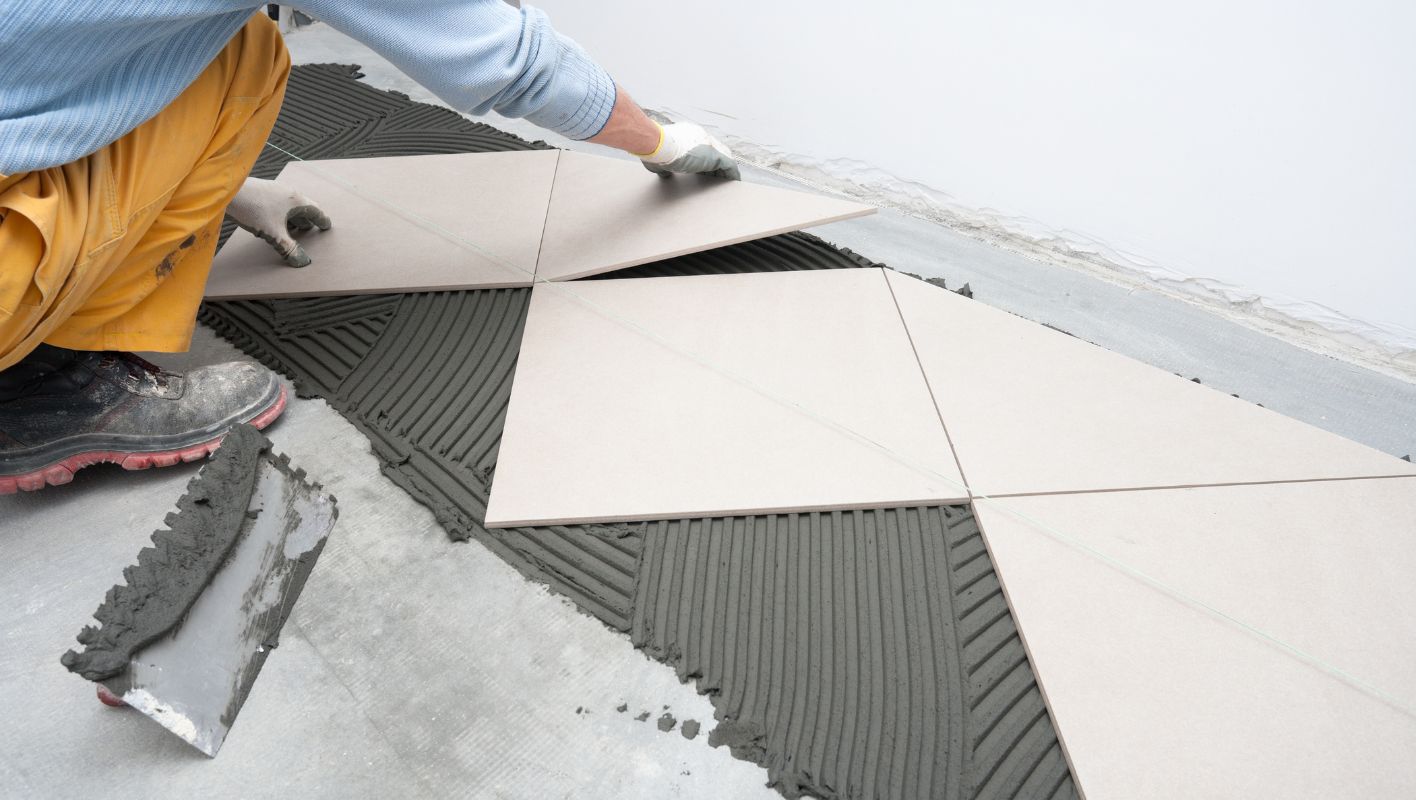
Thinking about sprucing up your floors with tiles, but worried about the costs?
The average cost to install tile floors is between $7 to $15 per square foot, which covers both materials and labor. This price can fluctuate based on the type of tile you choose, the intricacies of the installation, and the size of the area. Additional factors like underlayment, grout, and sealant also play a role in shaping the total expense.
As I considered tiling my own space, I realized that these numbers are just the tip of the iceberg. There’s a lot more that goes into figuring out your final bill. Let’s explore how different choices impact costs and how you can balance quality with budget-conscious decisions. We’ll also look at some clever strategies to trim those installation costs without sacrificing style or durability.
Tile installation costs $7-$15 per square foot.True
This range includes both materials and labor, as stated in the snippet.
Underlayment does not affect tile installation costs.False
Underlayment is mentioned as a factor influencing overall expenses.
How Do Tile Type and Size Affect Installation Costs?
Ever tried tiling a floor and found the costs spiraling out of control? I sure have. Understanding how tile type and size affect those costs is key to sticking to your budget.
The type and size of tiles you choose can dramatically impact installation costs. Larger tiles might cut down on labor time, but intricate materials or smaller sizes can drive up expenses due to increased complexity and labor intensity.
Impact of Tile Type on Costs
Let me tell you, choosing the right tile can feel like solving a puzzle. The type of tile1 you pick plays a huge role in how much you’ll end up spending. I remember when I first opted for natural stone tiles like marble—they’re stunning, but I didn’t realize how their weight and the need for special installation techniques would jack up the costs. On the flip side, ceramic and porcelain tiles are usually easier on the wallet because they’re simpler to handle and install.
| Tile Type | Average Cost per Sq Ft | Complexity |
|---|---|---|
| Ceramic | $1 – $5 | Low |
| Porcelain | $3 – $10 | Moderate |
| Natural Stone | $7 – $20 | High |
I learned the hard way that finishes matter too—glossy tiles might look great, but they require extra care during installation to avoid any visible mistakes, which can add to the cost.
Influence of Tile Size on Installation
Now, about tile size—bigger isn’t always better, but it can save you some bucks on labor. Larger tiles might be more costly per piece, but they cover more area, meaning fewer grout lines and less work overall. However, I quickly found out that they demand a perfectly prepped subfloor to prevent any unevenness.
Meanwhile, smaller tiles or mosaics, while cheaper per piece, need meticulous placement and attention to detail. These tiny tiles are often used in intricate designs requiring skilled craftsmanship that can increase labor costs.
| Tile Size | Installation Ease | Labor Cost |
|---|---|---|
| Large (12"x24") | Easier, fewer cuts | Lower |
| Small (1"x1") | More intricate work | Higher |
Exploring these aspects will help you align your project goals with your budget, ensuring you choose the right balance between aesthetics and cost-efficiency.
Additional Factors to Consider
There’s more to think about beyond just the tiles themselves. When planning tile installation, don’t forget about grout choice2 and underlayment needs. For instance, premium grout might boost the longevity of your tiles but will also add to your costs. Plus, if your project calls for specific underlayments, this could further affect your budget.
Understanding these elements ensures a well-rounded approach to managing tile installation expenses without compromising on quality or design aesthetics. Trust me; taking the time to get it right makes all the difference.
Natural stone tiles are the cheapest option.False
Natural stone tiles are more expensive due to weight and installation.
Larger tiles can reduce labor costs.True
Larger tiles cover more area with fewer grout lines, reducing labor.
What Are the Labor Costs for Installing Tile Floors?
Ever wondered how much those sleek new tile floors might set you back?
Labor costs for installing tile floors can range from $4 to $32 per square foot, influenced by location, tile type, and design complexity. Additional expenses may include floor preparation, old floor removal, and underlayment installation.
Factors Influencing Labor Costs
I’ve found that labor costs3 for installing tile floors can really vary, and this is something I’ve learned firsthand while sprucing up my own place. It turns out that where you live makes a big difference. In bustling cities, labor tends to be pricier due to higher living expenses, while in quieter, rural areas, you might snag a better deal. I remember once having to juggle quotes from contractors in different areas to see where I could get the most bang for my buck.
Tile Type and Size
Choosing the right tile isn’t just about looks—it’s about labor, too. Larger tiles can be trickier to cut and lay perfectly, which means more time and skill is needed. I once fell in love with a gorgeous stone tile that turned out to require specialized skills to install correctly, driving up the cost more than I anticipated.
| Tile Type | Average Labor Cost per Sq Ft |
|---|---|
| Ceramic | $4 – $8 |
| Porcelain | $5 – $10 |
| Stone | $7 – $15 |
Complexity of Design
I learned the hard way that opting for a fancy pattern like a mosaic can really add to the labor costs. Those intricate designs need precision, and that extra time and effort will show up on your bill. Straight-line patterns were definitely easier on my wallet!
Additional Costs to Consider
Before you dive into your project, don’t forget the hidden extras. Subfloor preparation might be necessary if the base isn’t in great shape, and trust me, it’s worth investing in a solid foundation. I’ve been there with the unexpected cost of old flooring removal—an expense I hadn’t initially factored in.
And then there’s the underlayment. If you’re in a humid area like me, an underlayment can be crucial for protecting against moisture. This was a lesson learned after seeing some warping firsthand.
Hiring a Professional vs. DIY
Deciding whether to go DIY or hire a pro is tough. I once tried my hand at DIY with mixed results—it saved some cash upfront but took me ages and came with a few mistakes along the way. Professionals bring that expertise and speed, which I eventually learned to value after some trial and error.
Looking into local contractors can provide clarity on costs specific to your area. Using resources like local contractor guides4 helped me align my budget with reality and decide whether professional help was worth it for my peace of mind.
Urban areas have higher tile installation labor costs.True
Labor rates are higher in urban areas due to elevated living expenses.
Larger tiles reduce the overall labor cost.False
Larger tiles require precise placement, increasing labor time and cost.
Tile installation costs can sneak up on you, much like that surprise rainstorm during a picnic.
Yes, additional costs in tile installation can include materials like grout and sealant, labor charges, subfloor preparation, removal of old tiles, and potential delivery fees. These can vary based on project complexity and location.
Understanding Material Costs
When I first embarked on my tile installation journey, I quickly realized it’s not just about the tiles. Those little extras—grout, sealant, underlayment—they add up fast! I remember standing in the aisle at the hardware store, overwhelmed by the variety of grout types5. Each had its own price and promised longevity, making me wish I’d done more homework beforehand.
| Material | Estimated Cost Range |
|---|---|
| Grout | $0.50 – $3 per sqft |
| Sealant | $20 – $50 per gallon |
| Underlayment | $0.50 – $2 per sqft |
Labor Charges and Their Variability
I’ve learned that labor costs can be as unpredictable as the weather. Depending on where you live—say, in bustling places like California6—the cost of hiring skilled professionals can be quite steep. When I had my kitchen tiles done, I remember the installer telling me that prices fluctuate not just with location but also with the project’s complexity and their own experience level.
Subfloor Preparation
Ensuring a subfloor is ready might seem trivial, but it’s a game-changer in installation quality. In my case, leveling out the subfloor was crucial, especially since my house is quite old. It was an unexpected expense but one that made a world of difference in how well the tiles eventually settled.
Removal of Old Tiles
Removing old flooring? Now that’s a task I underestimated! When renovating my bathroom, the quote I received didn’t include removal fees. That taught me to always check if such services are part of the package or if they come with extra charges.
Potential Delivery Fees
Then there’s delivery—another sneaky cost! Some suppliers will charge for delivery, especially for hefty orders or if you live quite a distance away. During one of my larger projects, I found using regional cost calculators7 invaluable in understanding how these expenses could impact my budget.
Understanding these potential costs upfront can save a lot of headaches—and money—down the line. I hope my experiences help you plan your project with fewer surprises!
Grout costs range from $0.50 to $3 per sqft.True
Grout prices vary depending on type and quality, affecting installation cost.
Labor charges are consistent across all regions.False
Labor costs vary by region, project complexity, and installer experience.
How Can You Save Money on Tile Floor Installation?
I remember staring at a blank, dull floor, dreaming of the perfect tile design that wouldn’t empty my wallet.
To save money on tile floor installation, I found it essential to purchase tiles during sales, choose standard sizes, tackle DIY projects in smaller spaces, and hire professionals for intricate tasks only after comparing quotes.
Choose the Right Time to Buy
One of my favorite hacks is timing my purchases. I’ve snagged incredible deals by waiting for seasonal sales and discount events8. Retailers often slash prices during holiday clear-outs, which has saved me more than once. I remember a Black Friday sale where I scored premium tiles for a fraction of the cost—an experience I highly recommend.
Opt for Standard Sizes
While custom tiles might be tempting, I’ve learned that standard-sized tiles are usually cheaper and easier to install. I once had a project where the fancy, large-format tiles blew my budget—lesson learned! Standard tiles not only kept my costs down but also sped up the installation process.
Consider DIY for Small Areas
For smaller spaces like bathrooms or entryways, I’ve rolled up my sleeves and tried DIY installation9. With some guidance from online tutorials, I managed to do a decent job and saved significantly on labor costs. It’s rewarding, but make sure you have the time and patience!
Hire Skilled Labor Wisely
For bigger or more intricate projects, hiring professionals is the way to go. I always gather multiple quotes and check reviews. It’s like playing detective—finding the right mix of experience and cost. Here’s a table I used to compare options:
| Contractor | Experience (years) | Cost per sq ft | Warranty (years) |
|---|---|---|---|
| Company A | 15 | $5 | 2 |
| Company B | 10 | $4.50 | 1 |
| Company C | 20 | $6 | 3 |
Use Leftover Tiles
When updating floors, I rummage through leftover tiles from past projects. Not only does this practice save money, but it also minimizes waste—my little contribution to sustainability.
Explore Eco-Friendly Options
Eco-friendly tiles have been a surprising discovery; they sometimes cost less and promise durability. I researched sustainable tile options10 that align with both my budget and my aesthetic taste. These choices often translate into long-term savings due to their resilience.
By embracing these strategies, I’ve managed to maintain quality and aesthetics without overspending on tile floor installations.
Standard-sized tiles reduce labor costs.True
Standard tiles are easier to install, requiring less time and effort.
DIY installation is best for large areas.False
DIY is recommended for small areas due to manageable scope and skill level.
Conclusion
The average cost to install tile floors ranges from $7 to $15 per square foot, influenced by tile type, size, and additional materials like grout and underlayment.
-
Explore various tile types to understand their cost implications and select one that fits your project’s budget and style needs. ↩
-
Grout selection impacts durability and cost; learn how different grouts influence overall expenses for a better-informed choice. ↩
-
Understanding average labor costs helps set realistic budget expectations for your project. ↩
-
Local contractors offer personalized quotes and insights into regional pricing dynamics. ↩
-
Discover how different grout types can affect durability and cost, helping you choose the best option for your project. ↩
-
Understand how labor costs in California compare to other regions, aiding budget planning for your project. ↩
-
Use regional cost calculators to accurately estimate expenses tailored to your project location and specifics. ↩
-
Find out when retailers typically offer sales on tile flooring to time your purchase for maximum savings. ↩
-
Learn how to install tiles yourself with step-by-step guides, saving money on labor costs. ↩
-
Explore sustainable tile materials that are often cost-effective and environmentally friendly. ↩






