
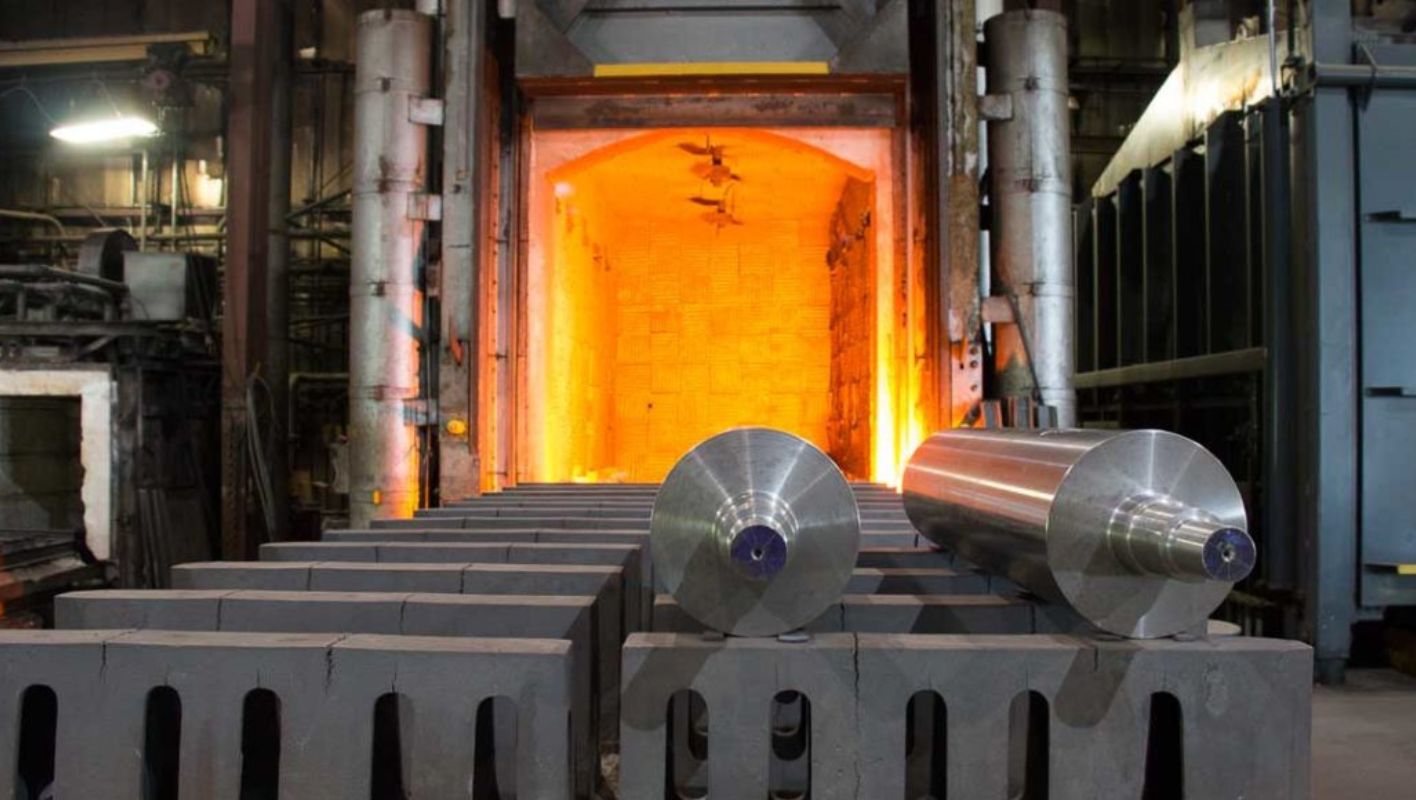
Ever wondered how to unlock the full potential of aluminum in your projects?
Heat treating aluminum involves processes like annealing, solution heat treatment, and aging, each serving distinct purposes in altering the metal’s properties. These treatments improve strength, durability, and performance, tailored to various industrial needs. Understanding these methods ensures optimal material performance in applications from aerospace to automotive.
I remember the first time I had to decide on a heat treatment process for aluminum. It felt like learning a new language—each method had its own unique impact on the metal’s strength and flexibility. But once I understood the nuances, it was like uncovering a secret to unlocking superior performance in everything from car parts to aircraft components.
So let’s dive in together and explore these techniques. Whether you’re just starting out or looking to refine your skills, understanding these processes will help you choose the right one for your needs.
Annealing aluminum increases its ductility.True
Annealing is a heat treatment process that softens aluminum, enhancing ductility.
Solution heat treatment decreases aluminum's strength.False
Solution heat treatment actually increases the strength of aluminum alloys.
How Does Annealing Enhance Aluminum Properties?
Ever wondered how a simple heat treatment can turn ordinary aluminum into a marvel of engineering?
Annealing enhances aluminum by relieving internal stresses, boosting ductility, and improving workability. By transforming the metal’s microstructure, this heat treatment optimizes aluminum’s performance for various demanding applications.
Understanding Annealing
I remember the first time I saw annealing in action—it was like witnessing magic in a metal workshop. This process involves heating aluminum to a specific temperature and then cooling it at a controlled rate. It’s fascinating how this simple technique can relieve internal stresses1, which are often introduced during processing steps like rolling or extrusion.
Effects on Mechanical Properties
Think of annealing as giving aluminum a much-needed spa day. The process enhances its ductility and workability, making it more malleable and less brittle—ideal for industries where forming processes are crucial. I’ve seen firsthand how this transformation makes all the difference in quality and reliability.
| Process | Temperature Range | Cooling Rate |
|---|---|---|
| Full Anneal | 300-410°C | Slow |
| Partial Anneal | 250-300°C | Moderate |
Impact on Aluminum Alloys
Different aluminum alloys react uniquely to annealing. For instance, when working with 2xxx series alloys, I’ve noticed significant improvements in machinability and formability post-annealing, making them perfect for aerospace parts. On the other hand, 3xxx series alloys2, often used in beverage cans, become far more formable.
Practical Applications
In practical terms, annealed aluminum is a game-changer in automotive components, where enhanced flexibility is a must. I’ve worked on projects where annealing minimized defects during stamping or drawing, resulting in higher-quality products and fewer rejections—every manufacturer’s dream.
Industries relying on aluminum components, like electronics and construction, prioritize materials that endure extensive fabrication without losing structural integrity. The enhanced properties of annealed aluminum3 empower innovative designs that meet rigorous standards.
Considerations for Implementation
When incorporating annealing into manufacturing processes, selecting the right temperatures and cooling rates for specific alloys is crucial. From experience, getting these variables right not only optimizes results but also reduces energy consumption and achieves the desired material properties4. Understanding these nuances can be the difference between success and failure in production.
Annealing increases aluminum's ductility.True
Annealing alters microstructure, making aluminum more malleable and less brittle.
All aluminum alloys benefit equally from annealing.False
Different alloys respond differently; 2xxx series improve machinability significantly.
Why is Solution Heat Treatment a Game Changer in Metal Processing?
Ever wondered what makes metals tick in extreme conditions? Solution heat treatment might just be the unsung hero behind it all.
Solution heat treatment is a process where an alloy is heated to dissolve soluble phases, followed by quick cooling. This enhances properties like strength and corrosion resistance, essential for tough industrial environments.
The Basics of Solution Heat Treatment
When I first heard about solution heat treatment, I was working on a project that involved complex aerospace components. The term sounded intimidating, but it’s essentially about heating metals or alloys to a high temperature until their solute atoms dissolve, creating a uniform solid solution. Imagine making a perfect cup of tea where the sugar dissolves completely—except here, the rapid cooling or quenching5 locks in that ‘perfect mix,’ preventing any separation.
The Importance of Solution Heat Treatment
I remember visiting a manufacturing facility where the importance of this process truly hit home. Watching aircraft parts endure extreme tests made me realize how solution heat treatment boosts tensile strength and corrosion resistance6. It’s like giving metals superpowers to withstand stress, crucial in sectors like aerospace and automotive.
Comparing with Other Treatments
Solution heat treatment isn’t the only player in town. I learned this the hard way when a project demanded different metal properties, and I had to decide between aging, which follows solution heat treatment and involves reheating at a lower temperature, and annealing7, focused on stress relief without phase changes. Here’s a comparison I jotted down back then:
| Treatment Type | Purpose | Key Characteristics |
|---|---|---|
| Solution Heat Treatment | Enhance strength, corrosion resistance | High temperature, rapid cooling |
| Aging | Precipitate phases for added strength | Low-temperature reheating |
| Annealing | Relieve stresses, improve ductility | Slow cooling, no phase changes |
Grasping these differences helped me pick the right method for our components, ensuring they were perfect for their purpose.
Practical Applications and Considerations
Navigating the practicalities of solution heat treatment felt like piecing together a complex puzzle. Understanding material composition was key. For instance, aluminum alloys often undergo this treatment to boost mechanical properties. But there’s more—considering energy consumption and sustainability also plays a big role. I found myself exploring energy-efficient furnaces and recycling techniques to align with eco-friendly goals.
Executing this process requires expertise in material science and precision control over temperature and time to prevent defects. I often turned to detailed process guides or partnered with seasoned service providers to achieve optimal results. It’s been a journey of learning and adapting, ensuring that every piece we produce meets the highest standards of quality and performance.
Solution heat treatment involves slow cooling.False
Solution heat treatment requires rapid cooling to freeze the solution.
Aging follows solution heat treatment for added strength.True
Aging involves reheating at a lower temperature to precipitate phases.
How does aging affect aluminum’s strength and durability?
Imagine you’re meticulously planning a construction project, and suddenly, the reliability of your materials becomes a concern.
Aging changes aluminum’s strength and durability through natural and artificial processes. Age hardening, for example, enhances its mechanical properties by forming fine precipitates that restrict dislocation movement.
Natural vs. Artificial Aging of Aluminum
As someone who loves experimenting with materials in my projects, I’ve found that aging aluminum is a bit like aging a fine wine—it can improve its qualities dramatically over time. Natural aging happens at room temperature, a gradual transformation that’s fascinating to observe as the material slowly evolves. On the other hand, artificial aging speeds things up by applying heat, which can be crucial when you’re in a hurry, like when I had to meet a tight deadline in an aerospace project8.
The Role of Age Hardening
Age hardening is a technique that caught my attention early on. It involves heating aluminum to high temperatures, quenching it quickly, and then reheating it. This process forms fine precipitates that block dislocation movement, making the aluminum much stronger—something I relied on when creating lightweight yet durable components for an automotive application.
| Process | Temperature (°C) | Effect |
|---|---|---|
| Solution Treating | 500-540 | Dissolves alloy elements |
| Quenching | Room Temp | Retains dissolved state |
| Aging | 150-200 | Precipitate formation |
Impact on Durability
When I first learned about age hardening, I was thrilled by how it improved aluminum’s wear resistance—vital for projects involving friction and stress. However, I also discovered the flip side: if not carefully controlled, aging can make aluminum brittle. That was a lesson learned the hard way in my early days, emphasizing the need for precise heat treatment protocols9.
Factors Influencing Aging
Several factors influence how aluminum ages:
- Alloy Composition: I’ve seen firsthand how different elements can change aging characteristics.
- Temperature and Time: Controlling these variables is key to optimizing properties; it’s akin to crafting the perfect recipe.
- Environmental Conditions: Exposure to moisture and other elements can impact aging.
Each of these factors plays a crucial role in determining the final properties of aluminum, affecting its suitability for specific applications like those I’ve tackled in automotive projects10. By understanding these processes, we can make informed decisions and choose the best materials for our needs. Whether you’re an engineer working on cutting-edge technology or simply curious about how things work, exploring these intricacies can be both enlightening and empowering.
Natural aging of aluminum occurs at room temperature.True
Natural aging happens without external heat, affecting properties over time.
Age hardening decreases aluminum's wear resistance.False
Age hardening increases wear resistance by forming fine precipitates.
How Do You Choose the Right Heat Treatment Method?
Choosing the right heat treatment method feels like a puzzle, where each piece must fit perfectly for the best results.
To select the optimal heat treatment method, consider factors like material composition, desired mechanical properties, part size and shape, available equipment, and cost. These elements are crucial in determining the process’s effectiveness and efficiency.
I remember the first time I had to decide on a heat treatment method for a crucial project. The weight of the decision was palpable, like standing at a crossroads with countless paths, each promising different outcomes.
Material Composition
The metal’s type is like its fingerprint—it defines how it reacts to heat. Different metals and alloys have unique needs. For instance, carbon steel11 might demand a specific approach compared to stainless steel due to its carbon content. Understanding these nuances feels like unlocking the metal’s potential.
Desired Mechanical Properties
I’ve learned that knowing what you want from the metal is half the battle. If hardness is the aim, quenching might be the hero of the day. But if toughness is your goal, annealing could be your best friend. Every project teaches me something new about balancing these properties.
Part Size and Shape
I still recall a project with complex-shaped components. The challenge was ensuring every nook and cranny got uniform heat treatment. Techniques like induction heating12 were lifesavers, offering precision where needed most.
Available Equipment and Technology
Sometimes, I find myself dreaming of having every piece of advanced equipment at my disposal. But reality often means working with what’s on hand. Advanced methods like vacuum heat treatment require specific machinery, so assessing facility capabilities becomes crucial.
| Factor | Influence on Method Selection |
|---|---|
| Material Type | Determines temperature and duration needed |
| Mechanical Needs | Dictates whether hardening or softening processes are used |
| Size/Shape | Affects uniformity and method precision |
| Equipment | Limits or expands method options |
Cost Considerations
Budget constraints often feel like tightrope walking—balancing cost against quality. While advanced methods promise excellence, they come with price tags that sometimes make me pause. It’s always a game of weighing benefits against expenses.
Sustainability Concerns
In today’s world, sustainability isn’t just a buzzword; it’s a responsibility. I strive to choose methods that minimize energy consumption and promote recycling, aligning with broader sustainability goals.
By reflecting on these factors, I can confidently steer through the myriad of options, ensuring the choice of heat treatment method not only meets technical needs but also aligns with broader business and environmental goals.
Material type affects heat treatment temperature.True
Different metals need specific temperatures to achieve desired properties.
Quenching is used to increase toughness in metals.False
Quenching increases hardness, while annealing improves toughness.
Conclusion
Heat treating aluminum, including annealing, solution heat treatment, and aging, enhances its properties for various applications. Understanding these methods is crucial for optimal performance in industries like aerospace and automotive.
-
Understanding internal stresses can help identify how annealing alleviates these issues, enhancing material performance. ↩
-
Learning about specific uses of 3xxx series alloys highlights their relevance and benefits in everyday applications. ↩
-
Exploring these benefits provides insight into practical advantages in various industries. ↩
-
Guidance on selecting parameters ensures optimal results and energy efficiency in manufacturing. ↩
-
Explore how quenching rapidly cools metals to retain their solution-treated structure. ↩
-
Discover the role of solution heat treatment in enhancing metal corrosion resistance. ↩
-
Understand the distinct purposes of annealing versus solution heat treatment. ↩
-
This link explains how natural aging impacts aluminum’s mechanical characteristics, crucial for understanding its performance over time. ↩
-
Learn why controlled heat treatment is essential for maintaining aluminum’s durability. ↩
-
Explore the role of aluminum alloys in automotive components, highlighting their durability and strength benefits. ↩
-
Explore detailed heat treatment techniques specifically for carbon steel to enhance understanding of its unique requirements. ↩
-
Learn about induction heating, a precise technique ideal for complex metal parts, to improve uniformity and reduce defects. ↩






