
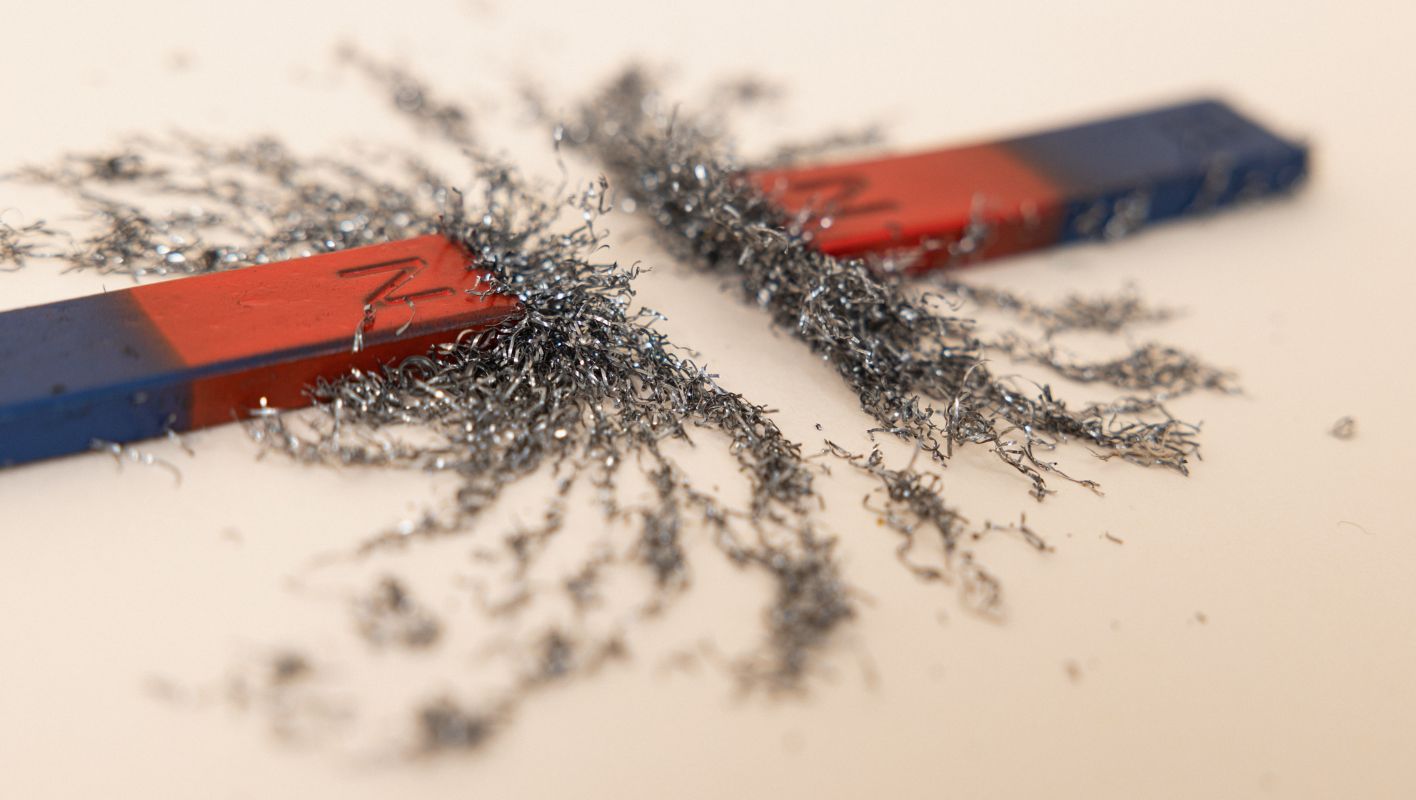
Have you ever wondered why aluminum doesn’t stick to magnets like some other metals do?
Aluminum isn’t magnetic under normal circumstances. Unlike metals such as iron, its atomic structure lacks unpaired electrons needed for magnetism.
When I first learned that aluminum wasn’t magnetic, it was a bit of a surprise. I remember standing in my garage, holding a magnet to a soda can, half expecting it to stick. But then I realized, understanding this property is crucial, especially if you’re dealing with construction materials. It can affect everything from how materials are used in projects to safety measures around electronics. Let’s dive deeper into how aluminum interacts with magnets and what this means for your work.
Aluminum's atomic structure prevents magnetism.True
Its atomic structure lacks unpaired electrons, preventing magnetic attraction.
Aluminum is a ferromagnetic material.False
Aluminum is not ferromagnetic; it lacks unpaired electrons for magnetism.
What Happens When Aluminum Meets a Magnetic Field?
Ever wondered what happens when aluminum meets a magnetic field? Dive into the quirky world of this intriguing metal and uncover its surprising magnetic traits.
Aluminum is not magnetic in the traditional sense, as it doesn’t respond to magnetic fields like iron does. However, it displays paramagnetic behavior, meaning it aligns slightly with a magnetic field, though not strongly.
Understanding Aluminum’s Magnetic Properties
Aluminum’s relationship with magnetism might seem a bit elusive at first. I remember my first encounter with this mystery during a school science project. We were experimenting with various metals, and while most of my classmates focused on the obvious choices like iron, I picked aluminum1—mostly because it was light and easy to handle. To my surprise, it didn’t stick to the magnet like we expected.
This happens because aluminum is considered a paramagnetic material. Unlike ferromagnetic materials such as iron, which are strongly attracted to magnets, paramagnetic substances like aluminum only align weakly with an external magnetic field. It’s a bit like being at a party where you know only a few people; you might gravitate towards them but won’t stay glued to their side all night. Once the magnetic influence is removed, aluminum’s alignment dissipates.
Paramagnetism in Action
I once visited a lab where they demonstrated how even this weak alignment could be detected with sensitive instruments. When aluminum is exposed to a magnetic field, its electrons try to align with the field, albeit weakly. This alignment is subtle but can be pivotal in certain engineering scenarios.
| Metal | Magnetic Property | Response to Field |
|---|---|---|
| Aluminum | Paramagnetic | Weak alignment |
| Iron | Ferromagnetic | Strong attraction |
| Copper | Diamagnetic | Repelled by field |
Applications and Considerations
In the realm of engineering and construction, understanding aluminum’s paramagnetic nature can be crucial. I once spoke to an engineer friend who was working on designing electrical systems in environments rich with magnetic fields. He shared how choosing materials like aluminum2 ensured minimal interference, which was crucial for maintaining the precision and stability of their projects.
Despite its weak response, aluminum can still be influenced by strong magnetic fields through processes like electromagnetic induction. This can create eddy currents—tiny whirlpools of electricity within the metal—that lead to heating and energy loss, especially relevant in transformers and motors.
For someone in procurement, like James, considering aluminum’s paramagnetic properties when selecting materials could make all the difference in optimizing cost-efficiency without compromising on performance or durability. Leveraging these unique characteristics3 allows for innovative solutions that meet project specifications perfectly.
Further Exploration
Exploring the science behind aluminum’s paramagnetism can open up a world of possibilities. I encourage anyone interested to delve into educational resources or connect with material science experts. Understanding these subtleties not only enhances knowledge but also equips you to make informed decisions across various industries.
By recognizing aluminum’s nuanced interaction with magnetic fields, engineers and buyers can make strategic choices that align with their project goals and ensure success.
Aluminum is a ferromagnetic material.False
Aluminum is paramagnetic, not ferromagnetic, showing weak magnetic alignment.
Aluminum can cause eddy currents in magnetic fields.True
Eddy currents occur in aluminum when exposed to changing magnetic fields.
Why Is Aluminum Non-Magnetic?
Ever wondered why aluminum doesn’t stick to magnets like iron or nickel? It’s all about its unique atomic makeup, and I’ve got a story to share about how this knowledge saved me a lot of hassle once.
Aluminum is non-magnetic because its electrons are paired, canceling out any magnetic moment. This structure prevents it from generating a magnetic field, unlike metals with unpaired electrons, such as iron and nickel.
Understanding Aluminum’s Atomic Structure
Let me take you back to when I first realized just how fascinating aluminum could be. I was working on a large construction project, and we were selecting materials for components that shouldn’t interfere with sensitive electronic systems. That’s when the atomic structure of aluminum became our ally. You see, aluminum has three valence electrons that are paired, which means they don’t interact with magnetic fields at all.
Unlike metals like iron or nickel, which have unpaired electrons that create magnetic domains, aluminum’s electrons are paired. This pairing cancels out any magnetic moment, rendering the metal non-magnetic.
Comparison with Ferromagnetic Materials
It’s interesting when you think about how different metals behave under a magnetic field. For instance, iron and nickel are ferromagnetic because they have those unpaired electrons that align in the presence of a magnet. This alignment creates a magnetic field that you can literally feel.
| Metal | Magnetic Type | Electron Configuration |
|---|---|---|
| Iron | Ferromagnetic | Unpaired electrons present |
| Nickel | Ferromagnetic | Unpaired electrons present |
| Aluminum | Non-magnetic | Electrons are paired |
Aluminum’s lack of these unpaired electrons sets it apart from ferromagnetic metals, explaining its inability to become magnetic under normal conditions.
Industrial Implications
In my years of sourcing materials, I’ve seen how aluminum’s non-magnetic nature becomes a real asset. In industries like construction4 and aerospace5, this property prevents interference with electronics and ensures that structural components remain unaffected by magnetic fields.
For someone like James, the procurement manager I often consult with, understanding these properties means choosing the right materials for the job becomes second nature. The non-magnetic trait6 is not just a scientific fact but a practical benefit that ensures safer handling and minimizes risks in complex environments.
Exploring Potential Modifications
While naturally non-magnetic, there’s always room for innovation. I’ve had intriguing conversations with scientists who are exploring ways to tweak aluminum’s magnetic properties through alloying or external treatments. Imagine slightly changing its characteristics just enough to suit specific applications!
| Method | Result |
|---|---|
| Alloying | Slight changes in magnetic properties |
| External Treatment | Temporary induction of weak magnetism |
This kind of innovation opens up new possibilities for engineers looking to push the boundaries of what we can do with aluminum. It’s exciting to think about how these advancements might shape the future of engineering and technology.
In essence, the unique atomic structure of aluminum is what makes it non-magnetic, giving it distinct advantages in various applications. While it’s naturally resistant to magnetism, the potential for modification provides even more opportunities for its use. As someone deeply involved in this field, I find it thrilling to see how such a simple element can have such a profound impact.
Aluminum has three valence electrons.True
Aluminum's atomic structure includes three valence electrons.
Aluminum can become strongly magnetic with alloying.False
Alloying slightly changes aluminum's magnetic properties, not strongly.
Can Aluminum Be Made Magnetic?
Have you ever wondered if aluminum could defy its usual non-magnetic nature and become magnetic?
Aluminum isn’t magnetic in the way iron is, but it can interact with magnetic fields through eddy currents, which create temporary magnetism. Certain treatments can also enhance its magnetic properties.
Understanding Aluminum’s Non-Magnetic Nature
I remember the first time I learned about the peculiar behavior of metals in my early days at a metal profiles factory. It was fascinating to discover that aluminum, a metal I saw daily, is considered paramagnetic. This means that in its natural state, aluminum doesn’t exhibit permanent magnetism. Unlike ferromagnetic metals like iron, aluminum’s atomic structure7 lacks unpaired electrons that align to create a magnetic field.
Eddy Currents and Temporary Magnetism
It was during a project for a client needing specific magnetic interactions that I first encountered eddy currents. Aluminum, while not inherently magnetic, can show temporary magnetic properties due to these currents. When aluminum is exposed to a changing magnetic field, it generates circulating electrical currents, creating its own magnetic field. This temporary effect can be quite useful in various applications.
| Property | Aluminum | Iron |
|---|---|---|
| Magnetism Type | Paramagnetic | Ferromagnetic |
| Permanent Magnetism | No | Yes |
| Eddy Currents | Yes | Minimal |
Specialized Treatments to Enhance Magnetism
Over the years, I’ve seen how clever engineering can tweak aluminum’s interaction with magnetic fields. Although naturally non-magnetic, aluminum can undergo treatments to enhance its magnetic capabilities. Techniques like alloying or applying surface coatings can modify its properties. For instance, adding small amounts of rare earth elements can alter the electronic configuration, potentially allowing aluminum alloys8 to exhibit weak magnetic properties. This approach is often utilized in industrial applications9 where specific magnetic behaviors are required.
Comparing with Other Metals
In my experience, understanding how aluminum compares with other metals like copper or steel is crucial. Like aluminum, copper is non-magnetic, while steel’s magnetism depends on its composition. Recognizing these differences helps me determine suitable applications where magnetism plays a role.
Exploring aluminum’s interaction with magnetism not only deepens our understanding of materials but also sparks innovation in fields where these properties might be advantageous.
Aluminum is a ferromagnetic material.False
Aluminum is paramagnetic, not ferromagnetic, lacking permanent magnetism.
Eddy currents can induce temporary magnetism in aluminum.True
Changing magnetic fields generate eddy currents in aluminum, creating temporary magnetism.
How Do Aluminum, Steel, and Copper Differ in Magnetism?
You know, I never realized how fascinating the world of metal could be until I dove into their magnetic mysteries. It’s like each metal has its own personality! Let’s explore how aluminum, steel, and copper stand out in their magnetic traits.
Aluminum is non-magnetic, unlike some types of steel which can be magnetic depending on their composition. Copper, similar to aluminum, is also non-magnetic. Understanding these differences is crucial for their use in electromagnetic applications.
Magnetic Properties of Aluminum
I still remember the first time I learned that aluminum isn’t magnetic at all. It was a bit of a surprise since aluminum is everywhere—from soda cans to airplanes! This lack of magnetism is all due to its atomic structure. Aluminum’s atoms don’t have those unpaired electrons needed for magnetic attraction or repulsion. But here’s a fun fact: under really extreme conditions—think super cold temperatures or intense magnetic fields—aluminum can show a tiny bit of magnetism. It’s like seeing an old friend act completely out of character at a reunion!
Steel: Varying Degrees of Magnetism
Steel’s story is a bit more complex and fascinating. I once had a project where I needed to select the perfect type of steel for a construction task, and it was like trying to pick the right shade of blue paint from a hardware store—there are just so many options! Low-carbon steel is typically ferromagnetic, meaning it can be magnetized and will keep its magnetic properties. But stainless steel threw me for a loop. Depending on its nickel content10, it might not be magnetic at all! The nickel creates an austenitic structure that resists magnetism.
| Type of Steel | Magnetic Property |
|---|---|
| Low-carbon Steel | Ferromagnetic |
| Stainless Steel | Can be Non-magnetic |
Copper: A Non-Magnetic Material
Copper, much like aluminum, doesn’t dance to the tune of magnets. Its atomic makeup just doesn’t allow for interaction with magnetic fields. Yet, copper’s role in electromagnetic applications11 is invaluable due to its superb electrical conductivity. I recall once using copper in a circuit and marveling at how it conducted electricity so effortlessly without getting involved with magnetism.
Practical Implications
Knowing these magnetic properties is like having the secret recipe for choosing materials in electronics and construction. I’ve found that selecting the right metal for electromagnetic devices hinges on understanding these magnetic behaviors. For instance, copper’s non-magnetic trait shines in electrical circuits12, while steel’s magnetism is perfect for transformers and motors13.
And let’s not forget about factors like cost and availability14. It’s not just about magnetism—it’s about making informed decisions that balance functionality with budget and sustainability goals. Being equipped with this knowledge has certainly made my material selection process more confident and precise.
Aluminum is non-magnetic under normal conditions.True
Aluminum's atomic structure lacks unpaired electrons, making it non-magnetic.
Stainless steel is always ferromagnetic.False
Stainless steel can be non-magnetic due to its nickel content.
Conclusion
Aluminum is non-magnetic due to its atomic structure, lacking unpaired electrons. It exhibits weak paramagnetism and can interact with magnetic fields through eddy currents under certain conditions.
-
Learn about aluminum’s classification as paramagnetic and how it behaves in magnetic fields, enhancing your understanding of its physical properties. ↩
-
Explore practical uses of aluminum in settings with magnetic fields to leverage its paramagnetic properties effectively. ↩
-
Discover the distinct properties of aluminum that make it valuable in engineering and construction projects. ↩
-
Discover why non-magnetic materials like aluminum are preferred in construction projects for safety and performance. ↩
-
Explore the role of non-magnetic materials such as aluminum in enhancing aerospace technology. ↩
-
Uncover the benefits of using non-magnetic materials across different industries and their applications. ↩
-
Discover how the atomic structure of aluminum affects its magnetic properties. ↩
-
Learn about how certain alloys can give aluminum unique magnetic characteristics. ↩
-
Explore how industries utilize aluminum alloys for specific magnetic applications. ↩
-
Understanding nickel’s impact on stainless steel’s structure helps engineers choose the right materials for non-magnetic applications. ↩
-
Copper’s role in electromagnetics lies in its conductivity, making it essential for efficient energy transfer. ↩
-
Copper’s lack of magnetism prevents interference in sensitive electronic components, ensuring signal integrity. ↩
-
Steel’s ferromagnetic properties enhance the performance of transformers and motors by improving energy efficiency. ↩
-
Evaluating cost and supply chain factors ensures project feasibility and budget adherence. ↩






