
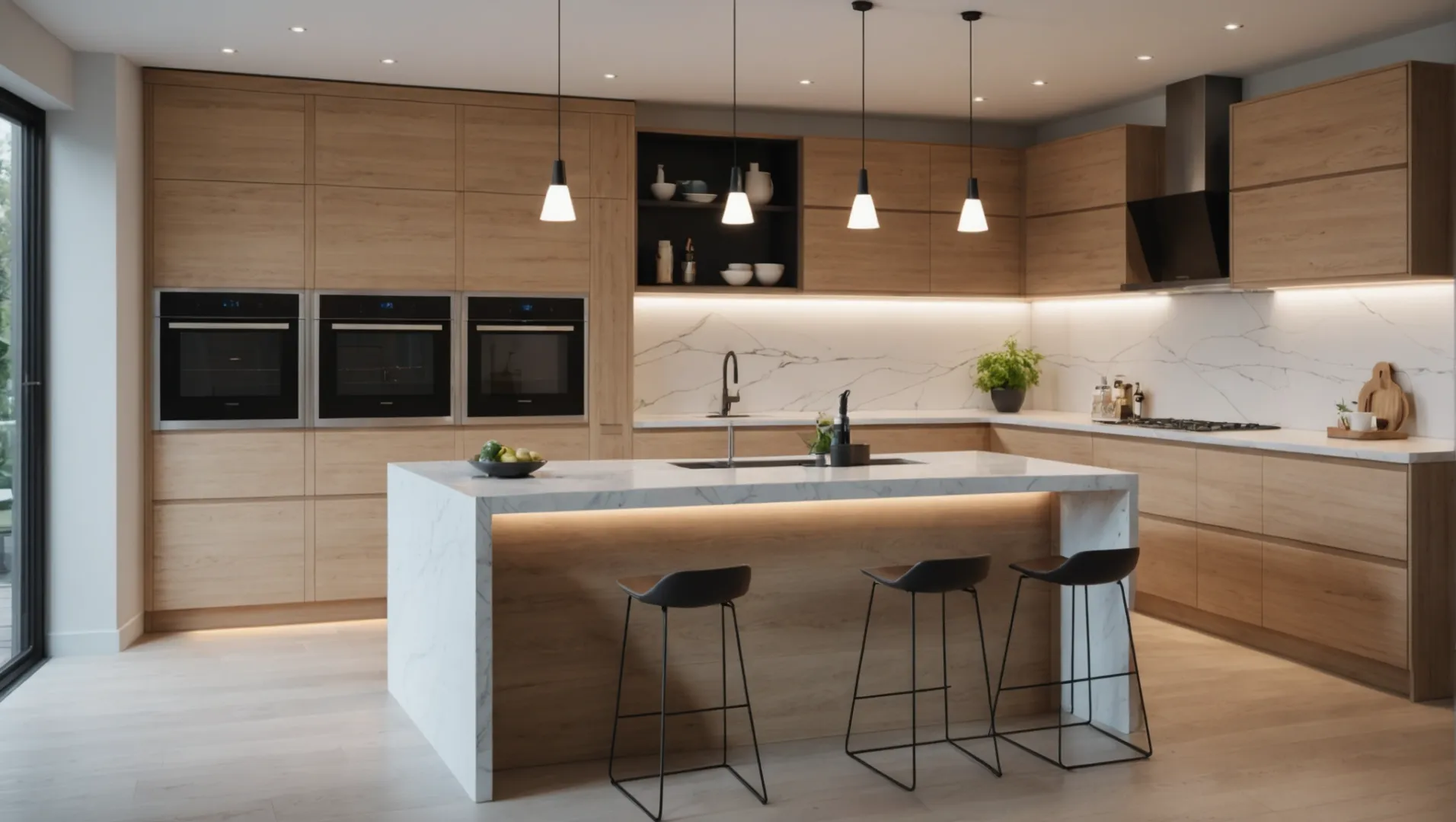
LED channels are not just a trend; they’re a game changer in lighting design!
LED channels enhance lighting solutions by providing improved light diffusion, superior heat management, and a sleek, professional appearance. These features make them ideal for both residential and commercial applications, ensuring longevity and efficiency in LED installations.
While the core benefits of LED channels are clear, understanding their specific applications and advantages can greatly inform your lighting choices. This guide delves into the multifaceted roles LED channels play, from optimizing performance to elevating design aesthetics.
LED channels improve light diffusion by reducing glare.True
LED channels disperse light evenly, minimizing harsh shadows and glare.
What Are the Key Benefits of Using LED Channels?
Discover how LED channels enhance lighting with improved diffusion, heat management, and style.
LED channels offer key benefits such as enhanced light diffusion, effective heat dissipation, and an elegant finish, making them indispensable in both residential and commercial lighting projects.
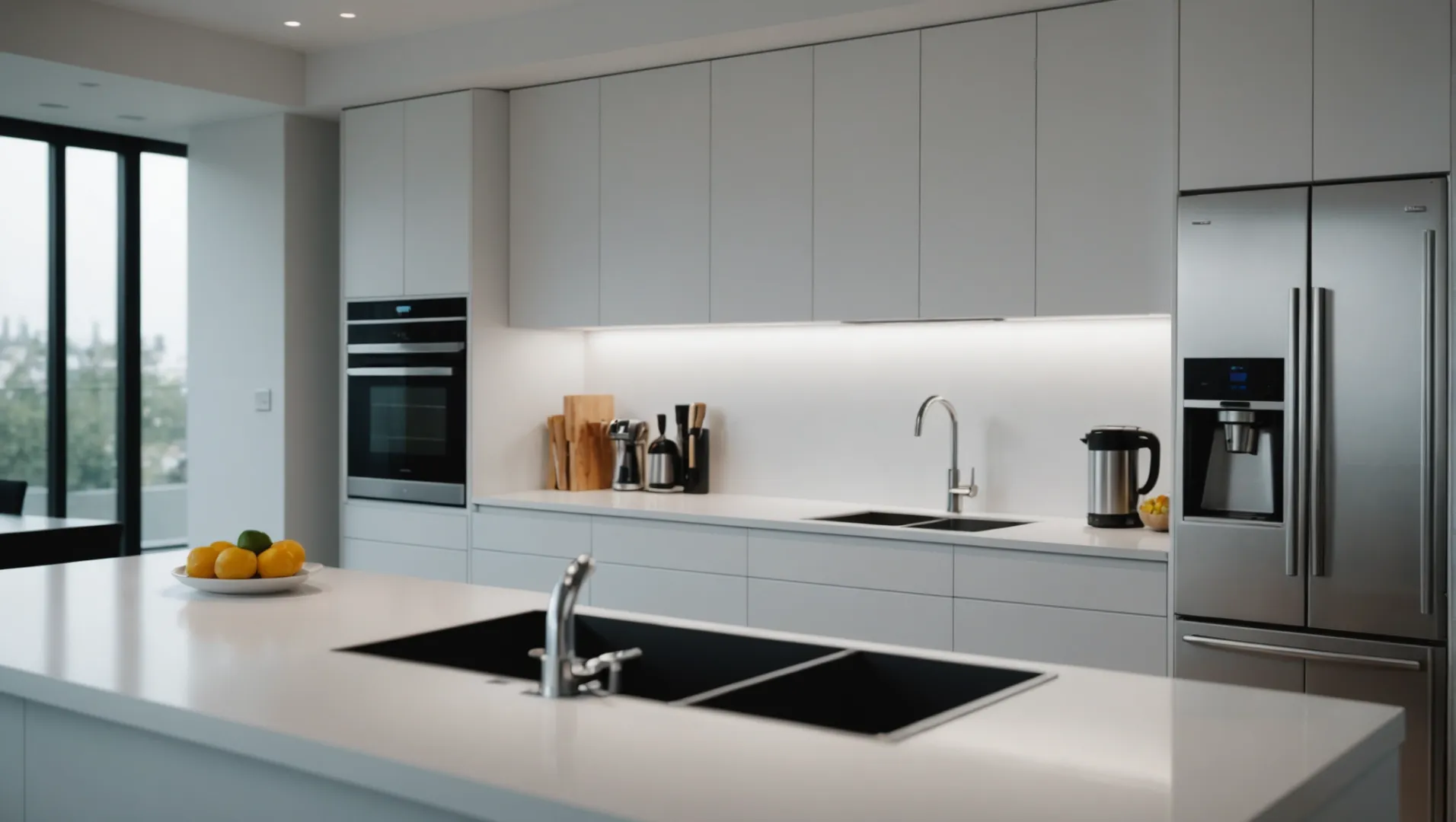
Enhanced Light Diffusion
One of the primary benefits of LED channels is their ability to improve light diffusion. By housing LED strips within an aluminum channel paired with a diffuser cover, the emitted light becomes evenly distributed, minimizing harsh shadows and glare. This makes LED channels ideal for applications where consistent lighting is crucial, such as under-cabinet lighting or display cases.
Effective Heat Management
Another significant advantage is the superior heat management offered by LED channels. The aluminum construction acts as a heat sink, dissipating the heat generated by LED strips and prolonging their lifespan. This is especially beneficial in environments where LEDs are used extensively and are prone to overheating.
Professional Aesthetic Finish
LED channels provide a sleek and polished look that enhances the overall aesthetic of any space. They hide unsightly wiring and hardware, allowing for a clean installation that blends seamlessly with modern interior designs. Whether in a retail space or a minimalist home setup, LED channels contribute to an appealing visual experience.
Versatile Applications
The versatility of LED channels cannot be overstated. They are available in various shapes and sizes, accommodating different design needs. From recessed floor lighting to decorative ceiling accents, LED channels can be customized to fit any project requirement, ensuring flexibility in design without sacrificing functionality.
For more insights into the practical uses of LED channels, explore our guide on LED channel applications1. Understanding these applications can help you make informed decisions on incorporating LED channels into your projects.
LED channels improve light diffusion.True
LED channels use diffusers to distribute light evenly, reducing glare.
LED channels are ineffective in heat management.False
Aluminum channels act as heat sinks, effectively dissipating heat.
How Do LED Channels Improve Heat Management?
LED channels play a crucial role in managing heat, extending the lifespan of your lighting solutions.
LED channels improve heat management by acting as heat sinks, dissipating heat away from LED strips to prevent overheating. This ensures optimal performance and longevity of LED lights, reducing the risk of damage and maintaining efficiency.
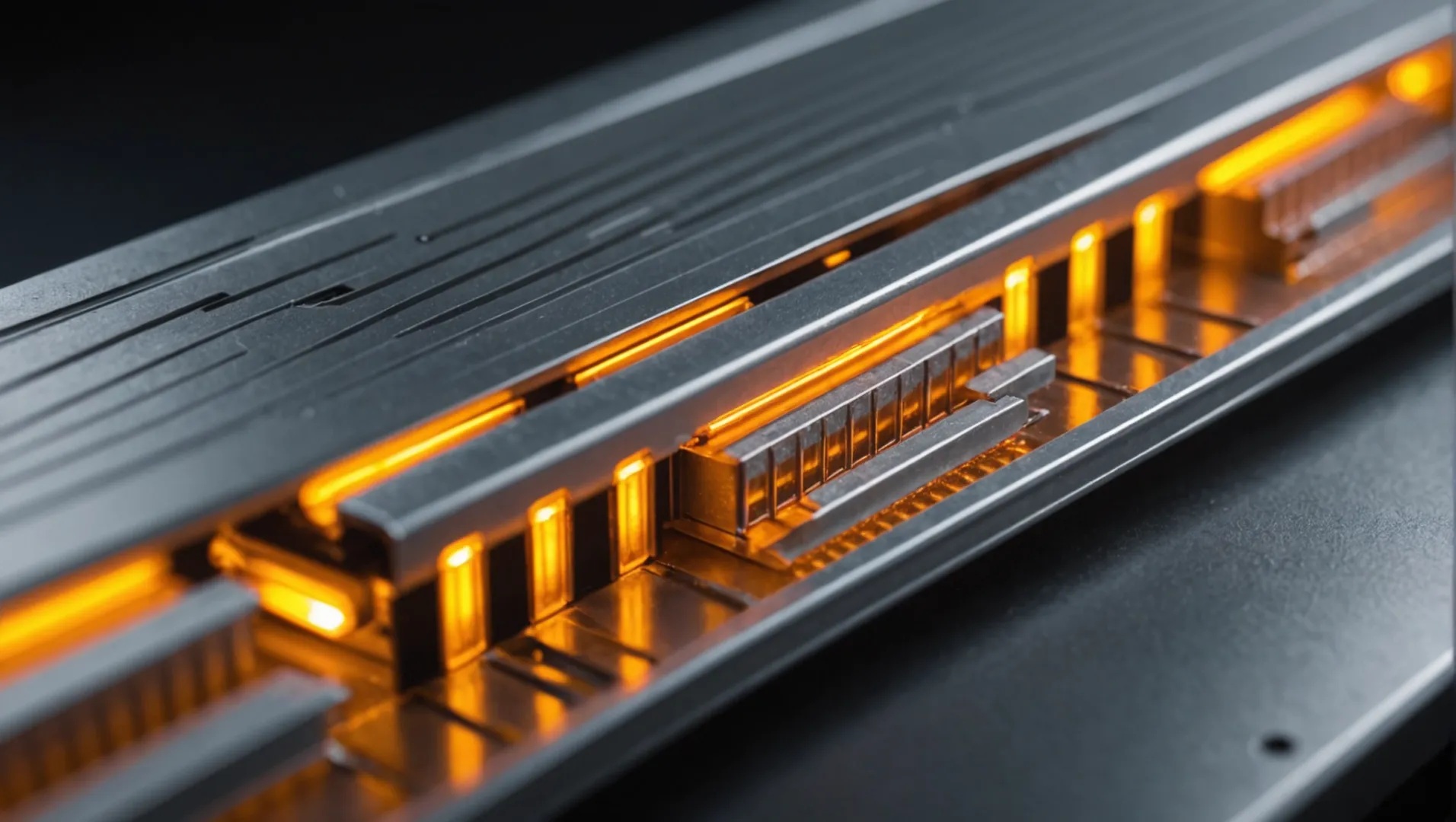
Understanding Heat Management in LEDs
LEDs produce heat, albeit less than traditional lighting, but poor heat management can still lead to reduced efficiency and lifespan. Heat negatively affects LED performance, causing color shifts and lumen depreciation. To mitigate this, efficient heat dissipation is essential.
Role of LED Channels as Heat Sinks
LED channels, typically made from aluminum, serve as excellent heat sinks. They absorb and spread heat away from LED strips. By doing so, they maintain the temperature of the LEDs within optimal limits. This process not only prevents overheating but also prolongs the life of the LEDs.
Designing for Optimal Heat Dissipation
Design considerations are crucial for maximizing the heat management benefits of LED channels. Ensure proper installation with adequate space for air circulation. Some channels2 come with fins to enhance thermal performance. Selecting the right size and material for the channel can further aid in heat dissipation.
Benefits Beyond Heat Management
While their primary function is to manage heat, LED channels also offer additional benefits. They protect LED strips from dust and physical damage, which contributes to longer service life. Moreover, by reducing the operating temperature of LEDs, these channels help in maintaining consistent light output and color quality over time.
Case Study: Commercial Applications
Consider a retail environment using high-output LED strips. Proper use of LED channels3 can significantly enhance heat management, ensuring bright, reliable illumination while minimizing maintenance costs. This showcases how an investment in quality LED channels pays off in high-demand settings.
LED channels act as heat sinks for LED strips.True
LED channels dissipate heat, preventing LED overheating.
LED channels increase LED strip color shifts.False
Proper heat management by channels reduces color shifts.
In What Ways Do LED Channels Affect Light Diffusion?
Discover how LED channels can transform your lighting setup by enhancing light diffusion.
LED channels improve light diffusion by dispersing light evenly, reducing glare, and creating a uniform glow. This not only enhances the visual appeal but also maximizes the efficiency and effectiveness of LED lighting, making them suitable for a wide range of applications.
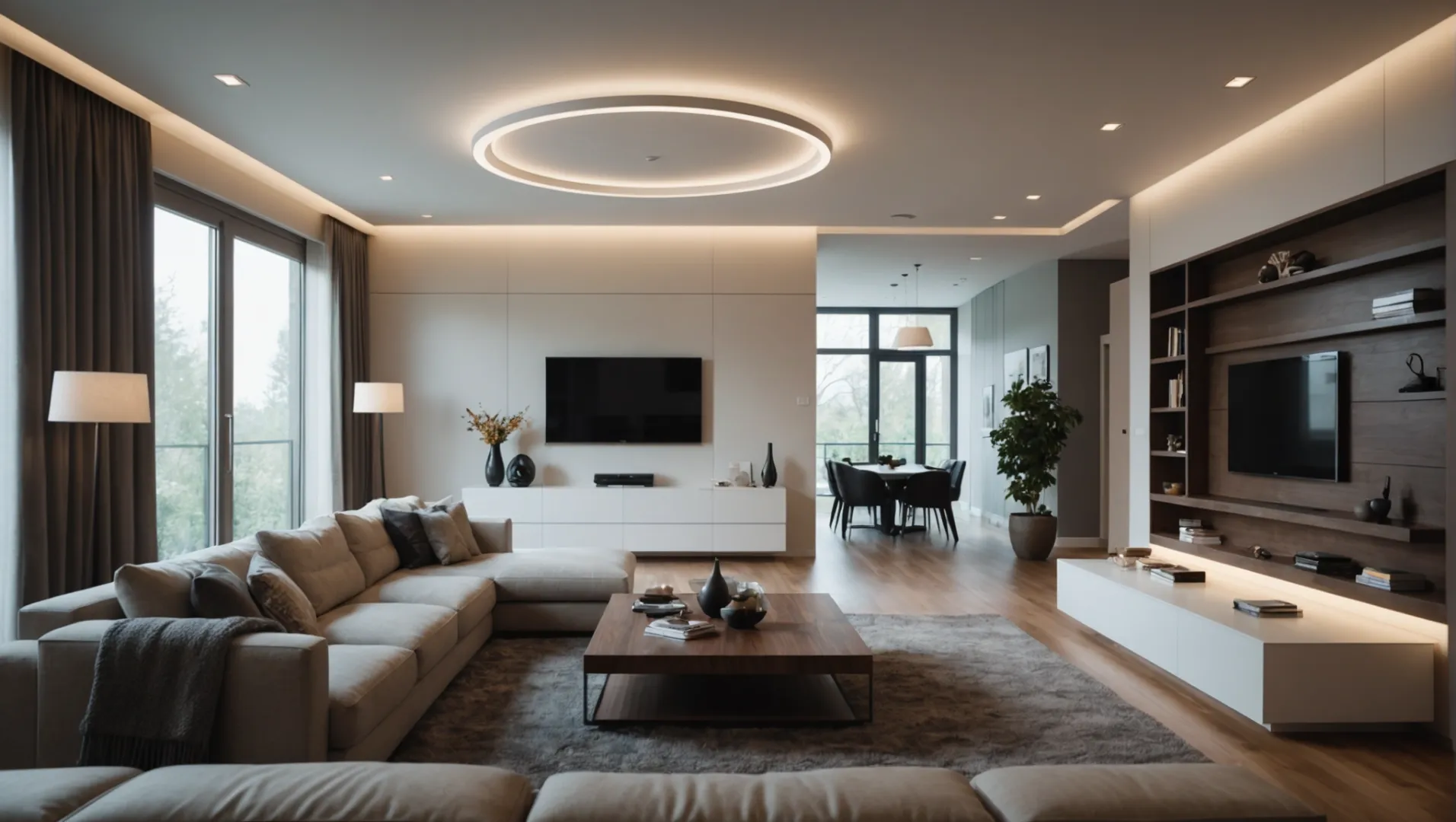
Understanding Light Diffusion in LED Channels
LED channels are instrumental in controlling how light is distributed across a space. By acting as a diffuser, these channels scatter the light emitted from the LEDs, resulting in a softer and more even distribution. This eliminates harsh spots and shadows, creating a seamless illumination that is both practical and aesthetically pleasing.
The design of the channel itself plays a crucial role in light diffusion. Channels with frosted or opal covers are particularly effective, as they diffuse light across a broader area compared to clear covers, which may allow more direct light to pass through. The material and finish of the channel cover influence the degree of diffusion, allowing for customization based on the specific needs of a project.
Impact on Aesthetic and Functional Aspects
The aesthetic enhancement provided by LED channels is one of their standout features. By diffusing light, these channels can transform the mood of a room, enhancing ambiance without compromising on brightness or functionality. This is particularly beneficial in settings like retail environments or galleries where both illumination and atmosphere are crucial.
Functionally, improved light diffusion contributes to reduced glare, which is essential in environments requiring prolonged exposure to artificial lighting, such as offices or educational facilities. This reduction in glare can lead to increased comfort and reduced eye strain for occupants.
Application Examples
-
Residential Settings: In homes, LED channels can be used under cabinets or along ceilings to provide indirect lighting that highlights architectural features without overpowering the space.
-
Commercial Spaces: Retailers often utilize LED channels to create inviting displays that draw attention to products without casting harsh shadows.
-
Outdoor Installations: Weather-resistant LED channels can be used in outdoor settings to provide consistent and diffuse lighting along pathways or garden features.
To explore how different LED channel designs4 affect light diffusion in various contexts, consider factors such as cover material, placement, and intended use. By doing so, you can maximize both the functional and aesthetic potential of your lighting setup.
LED channels reduce glare effectively.True
LED channels diffuse light, reducing glare and enhancing comfort.
Clear covers diffuse light better than frosted ones.False
Frosted covers diffuse light more evenly than clear covers.
Why Are LED Channels Ideal for Modern Interior Design?
LED channels are transforming modern interior design with their versatile applications and sleek aesthetics.
LED channels are ideal for modern interior design due to their ability to provide seamless, integrated lighting solutions that enhance the architectural features of a space while offering energy efficiency and customizable lighting effects.
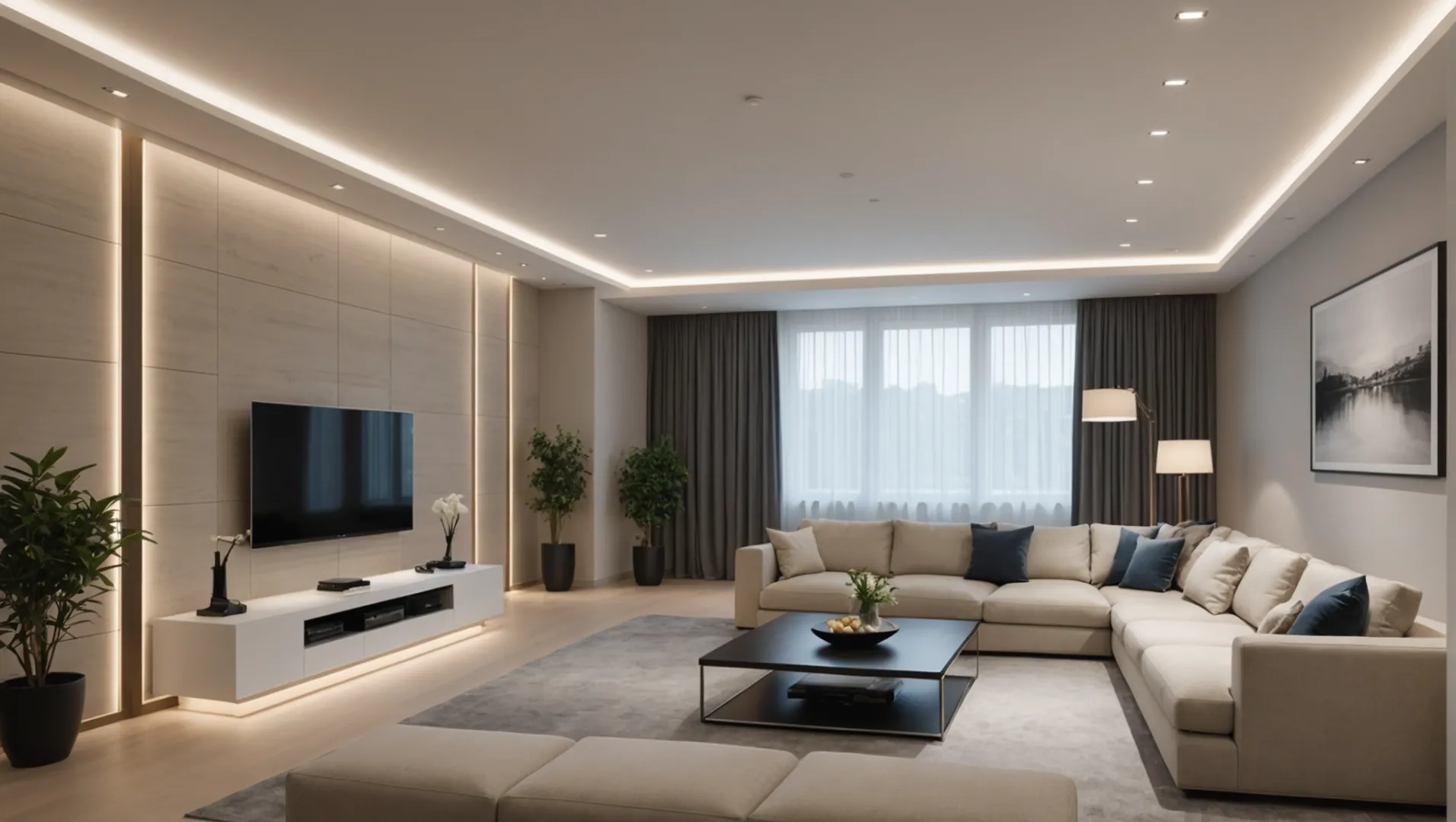
Integrating Seamless Lighting Solutions
One of the primary reasons LED channels are favored in modern interior design is their ability to integrate seamlessly into various architectural elements. Whether it’s recessed in ceilings, embedded in walls, or installed along baseboards, LED channels provide a discreet yet impactful5 lighting solution that complements the design without overshadowing it.
Enhancing Architectural Features
LED channels can be used to highlight architectural details such as crown molding, staircases, and alcoves. By using LED channels, designers can create focal points that draw attention to the intricate design elements within a space. This not only enhances the overall aesthetics but also adds depth and dimension to rooms.
Customizable Lighting Effects
Modern interior design often calls for flexible lighting solutions that can be tailored to different moods and settings. LED channels offer the ability to customize light color, intensity, and direction. This adaptability allows designers to create unique atmospheres, whether it’s a warm, cozy living room or a bright, focused workspace.
| Feature | Benefit |
|---|---|
| Customizable Color | Set moods and highlight specific areas |
| Adjustable Intensity | Suitable for various activities and settings |
| Directional Lighting | Focus light where needed most |
Energy Efficiency and Sustainability
Incorporating energy-efficient solutions is a staple of modern design principles. LED channels support this by offering long-lasting illumination with minimal energy consumption. This not only reduces electricity bills but also aligns with sustainable design practices by minimizing the carbon footprint of lighting installations.
Supporting Minimalist Aesthetics
The sleek design of LED channels aligns perfectly with minimalist aesthetics, which prioritize clean lines and uncluttered spaces. By housing LEDs within channels, designers can avoid unsightly wires and fixtures, maintaining the pristine look that is highly desired in contemporary interiors.
In summary, LED channels’ ability to blend functionality with aesthetic appeal makes them an essential element in modern interior design. Their versatility in application, combined with energy efficiency and customization options, empowers designers to create spaces that are both beautiful and sustainable.
LED channels enhance architectural features.True
They highlight details like crown molding and staircases.
LED channels increase energy consumption in homes.False
They are energy-efficient, reducing electricity usage.
Conclusion
Incorporating LED channels into your lighting projects can dramatically enhance both function and style. Their ability to blend seamlessly with modern designs makes them an invaluable choice for any space.
-
Explore diverse applications of LED channels in various design projects.: LED channels allow for LED strips to be embedded into architectural structures, such as ceilings, walls, or floors. This integration creates unique lighting … ↩
-
Explore advanced LED channel designs for superior heat dissipation.: Heat sinks used with LEDs are designed to absorb and disperse excess heat away from the LED diode and into the heat sink. Passive or active air then … ↩
-
Discover real-world examples of effective LED channel use.: LED channels are an essential component of LED lighting installations as they protect and provide a stable base for LED strips. When it comes to wide LED … ↩
-
Understand varying impacts of LED channel designs on light diffusion.: Transparent or clear LED diffusers offer the highest light output, but unless there is a texture they do not help diffuse the light from … ↩
-
Discover how LED channels offer subtle yet effective lighting.: To discreetly hide LED strip lights, consider using crown molding, under cabinet placement, or furniture integration. These methods not only … ↩






