
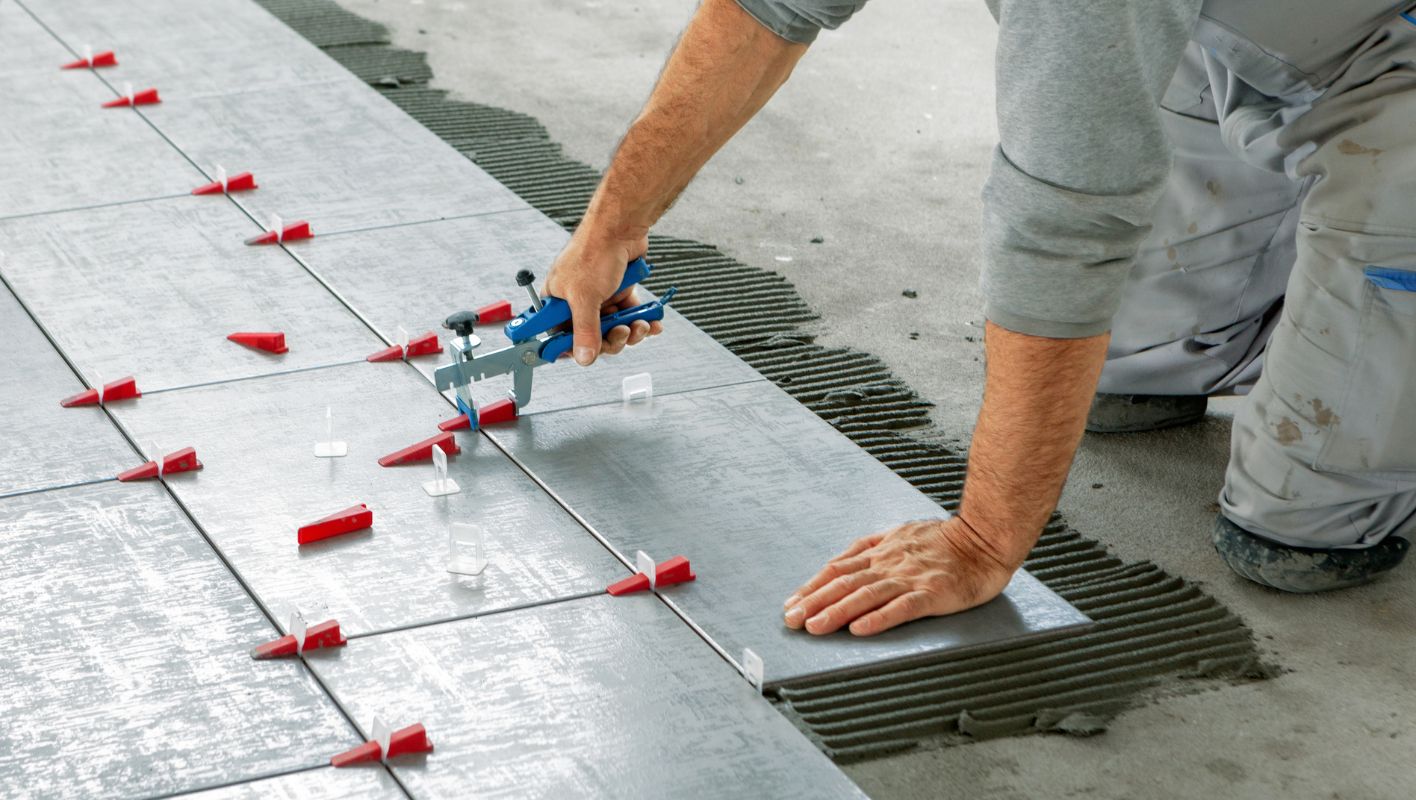
Ever find yourself knee-deep in a tiling project, pondering if pliers are truly necessary for a tile leveling system?
Pliers aren’t a must-have for a tile leveling system, but they can streamline the process, making it more efficient and precise. These systems typically involve clips and wedges that align tiles, and pliers help securely tighten these components to ensure a level surface.
I remember my first tiling project—an ambitious attempt to revamp the kitchen floor. As I stared at the array of tools before me, the tile leveling system intrigued me. The clips and wedges seemed straightforward enough, but the pliers… well, they were a game-changer. Not only did they save my fingers from the strain of tightening each wedge by hand, but they also ensured every tile was perfectly aligned.
So, while pliers might seem optional, they offer undeniable benefits, especially if you’re aiming for precision. But if you’re considering going without them, it’s crucial to explore other methods that could substitute their function. Stay tuned as I share more insights, tips, and tricks to elevate your tiling game to the next level.
Tile leveling systems can work without pliers.True
Tile leveling systems can function without pliers, though less efficiently.
Pliers are essential for all tile leveling systems.False
Pliers are helpful but not essential for all tile leveling systems.
How Do Tile Leveling Systems Make Tiling Flawless?
Ever wondered why some tile floors look flawless while others have unsightly ridges?
Tile leveling systems are essential tools for creating smooth, even tile surfaces by minimizing lippage. They typically consist of clips and wedges or caps that hold tiles uniformly during installation, ensuring a seamless finish.
Understanding Tile Leveling Systems
I remember my first tiling project—what a ride that was! Determined to revamp my kitchen floor, I ambitiously set out with high hopes and little experience. That’s when I stumbled upon tile leveling systems. These little lifesavers consist of two main parts: clips and either wedges or caps. The clips go under the tile edges, and the wedges or caps keep the tiles at the same height. This clever setup helps avoid lippage1, those annoying bumps where tiles meet unevenly.
Benefits of Using Tile Leveling Systems
Improved Aesthetics
I can’t stress enough how much of a difference these systems make. They keep the tiles flush, creating a sleek, professional finish that I was proud to show off to friends and family.
Ease of Installation
These systems transformed my tiling experience from a frustrating puzzle into a straightforward task. I found myself spending less time adjusting tiles, which made the whole process quicker and less stressful—even for someone like me who isn’t exactly a tiling expert.
Durability and Stability
The consistent tile placement wasn’t just about looks—it added years to my installation’s lifespan. By ensuring even bonding and reducing stress points, these systems kept my tiles intact and stable.
| Component | Function | Material |
|---|---|---|
| Clips | Hold tiles in place | Plastic |
| Wedges/Caps | Secure tiles at a uniform height | Plastic/Metal |
Types of Tile Leveling Systems
There are different systems to fit various needs, like:
- Clip and Wedge Systems: These involve placing clips under tile edges and inserting wedges to hold tiles evenly. They’re adjustable for different thicknesses, making them versatile for any project.
- Spin-Cap Systems: Imagine adjusting your tiles with a simple twist. These systems use threaded caps on base clips for precise leveling. Plus, they’re reusable—great for both the planet and your wallet!
Each type offers unique benefits tailored to specific challenges, turning daunting tiling tasks into manageable projects with results that look straight out of a home improvement show.
Tile leveling systems prevent lippage.True
They hold tiles at a uniform height, preventing uneven edges.
Spin-cap systems are not reusable.False
Spin-cap systems are reusable, adding an eco-friendly aspect.
What are the best alternatives to using pliers in tile leveling systems?
Ever found yourself mid-tiling, wrestling with pliers and wondering if there’s an easier way? You’re not alone! Let’s dive into some alternatives that could make your tiling journey smoother and maybe even a bit more fun.
You can replace pliers in tile leveling systems with rubber mallets, manual twisting systems, or wedge systems. These methods enhance ergonomics, boost efficiency, and can simplify your tile installation process, making it less physically demanding.
Exploring Manual Twisting Systems
I remember the first time I tried a manual twisting system. At first, I was skeptical—how could just twisting caps or clips by hand possibly work as well as my trusty pliers? But once I got the hang of it, I was hooked. The simplicity was a game-changer. No more juggling tools; just me, my tiles, and my hands, working in harmony. This approach is perfect for DIY projects2 because it gives you total control without the need for extra equipment.
Utilizing Rubber Mallets
Now, let’s talk about rubber mallets. My first experience with them was on a warm Saturday afternoon. Armed with just a mallet, I gently tapped each tile into place, feeling oddly meditative with every swing. Not only did this reduce the physical strain usually associated with pliers, but it also became a fun rhythm that turned tiling into an enjoyable task rather than a chore.
| Pros | Cons |
|---|---|
| Ergonomic usage | Less precision |
| Cost-effective | May require practice |
| Widely available | Less suitable for large tiles |
Plus, if you’re like me and have a soft spot for eco-friendly solutions, there are mallets made from sustainable materials—how cool is that?
Understanding Wedge Systems
Then there are wedge systems. The first time I used wedges and spacers was on a big project. To be honest, it felt like solving a giant jigsaw puzzle. The precision they offer, especially with larger tiles, is impressive. And the best part? Most of these systems don’t even require any tools—it’s all about aligning the wedges and spacers just right.
When picking the right method for your tiling project, think about what makes you comfortable and what fits your project needs—whether it’s tile size or the project’s scale. Diving deeper into each option can help you make informed decisions for your next tiling adventure.
Manual twisting systems eliminate the need for tools.True
Manual twisting systems use hand-twisted caps, requiring no extra tools.
Rubber mallets are less precise than pliers.True
Rubber mallets provide less precision compared to pliers in tile alignment.
Why should you use pliers with tile leveling systems?
Ever found yourself wrestling with a tile that just won’t sit right? I know the feeling, and I’ve got a tool that might just change the game for you.
Using pliers with tile leveling systems transforms your tiling process by boosting precision, minimizing lippage, and speeding up installation. These tools distribute pressure evenly, ensuring a level surface, making them indispensable for both DIY enthusiasts and seasoned professionals.
Enhanced Precision and Accuracy
When I first tackled a tiling project, I didn’t realize how crucial it was to maintain even pressure across all the tiles. Enter the pliers designed specifically for tile leveling systems3. These tools are like a secret weapon in ensuring that each tile aligns perfectly with its neighbors. They help you adjust tile spacers with such precision that you’ll wonder how you ever managed without them.
Improved Efficiency
I remember the time I spent painstakingly adjusting each tile by hand—it was exhausting and slow. Using pliers, however, felt like upgrading from a bicycle to a car. Suddenly, adjustments were quicker, and I didn’t end each day with aching hands. Here’s a quick snapshot of what that looked like:
| Method | Installation Time | Effort Required |
|---|---|---|
| Manual | High | High |
| With Pliers | Low | Low |
Better Results
The real magic happened when I stood back to admire my work. The surface was smooth, with no uneven edges glaring back at me. Maintaining a consistent grout line became so much easier with the help of these pliers. This not only made my project look great but also gave me a huge boost of confidence.
Cost-Effectiveness
Initially, I was hesitant about investing in pliers—was it worth it? Turns out, it was one of the best decisions I made. While there’s an upfront cost, the savings on materials and avoiding costly mistakes quickly made up for it. Exploring investment benefits4 was eye-opening and made me appreciate how these tools can stretch my budget.
User-Friendly Design
These pliers are designed with comfort in mind. Their ergonomic design reduces strain during prolonged use, which I found particularly helpful after long hours on a project. They’re easy to handle, making them perfect for anyone—from experienced pros to enthusiastic DIYers like me. Learning about ergonomic design5 principles in tool manufacturing made me appreciate these little details that enhance usability.
While exploring the benefits of pliers in tile leveling systems, I’ve come to appreciate how innovative designs and proper techniques can truly elevate any tiling project. Whether you’re like me—a DIYer tackling your next home improvement project—or a seasoned professional, these tools can make a significant difference in both quality and efficiency.
Tile leveling pliers reduce installation time significantly.True
Pliers allow quick adjustments, speeding up the tiling process.
Manual tile leveling is more efficient than using pliers.False
Pliers increase efficiency by reducing time and effort needed for leveling.
How Do You Choose the Right Tile Leveling System for Your Project?
Navigating the world of tile leveling systems can feel like a maze, especially when you’re trying to get that perfect finish on your tiling project.
To choose the right tile leveling system, think about your tile type and size, your skill level, the scope of your project, and your budget. Opt for systems that are user-friendly, durable, and precise.
Understanding Your Project Requirements
I remember the first time I tackled a tiling project in my own home. I was standing in the middle of my half-finished kitchen floor, surrounded by tiles of all sizes, feeling a bit overwhelmed. The key, I quickly learned, was understanding exactly what my project needed. For instance, larger tiles definitely called for a more robust leveling system to prevent any pesky lippage.
Before selecting a tile leveling system, assess your project’s specific needs. Consider tile size and thickness, as these factors dictate the type of leveling clips and wedges required.
Evaluating Different Systems
When I started exploring tile leveling systems, I found there are mainly two types: clip-and-wedge systems and screw-based systems. Clip-and-wedge systems6 caught my eye initially because they seemed simple enough for a novice like me to use. On the other hand, screw-based systems7 appealed to my inner perfectionist with their promise of precise adjustments.
| Type | Advantages | Disadvantages |
|---|---|---|
| Clip-and-Wedge | Easy to use, cost-effective | May require more manual effort |
| Screw-Based | Precise, adjustable | Can be more expensive |
Considering User Experience and Reviews
Reading reviews from others who had walked this path before was enlightening. Feedback from both pros and fellow DIY enthusiasts helped me gauge which systems really held up under pressure. If you’re like me and learn best through stories and shared experiences, user reviews can be a goldmine.
User reviews provide insight into the practicality and effectiveness of different systems. Read feedback from professionals and DIY enthusiasts to understand common issues or praises. Check if the system aligns with your skill level.
Aligning with Budget and Brand Reputation
Budget is always a consideration. I learned that sometimes it’s worth spending a bit more for a reliable brand that offers quality and peace of mind through warranties. Plus, if sustainability matters to you as much as it does to me, looking for eco-friendly packaging8 options can make a difference.
While budget is important, it’s wise to invest in a reliable brand known for quality. Brands that offer warranties or guarantees can add peace of mind.
Additional Features and Accessories
Some systems come with extra perks like ergonomic handles or reusable components. I discovered that investing in the right accessories—like precision trowels9 or spacers—can greatly enhance installation efficiency. These small details really do impact the overall success of your project.
By reflecting on these aspects, I was able to make a choice that not only simplified my tiling process but also ensured stunning results. So dive in, explore your options, and find the tile leveling system that fits your needs best.
Clip-and-wedge systems are more cost-effective than screw-based.True
Clip-and-wedge systems are generally cheaper due to simpler design.
Screw-based systems require less manual effort than clip-and-wedge.False
Screw-based systems need precise adjustments, often requiring more effort.
Conclusion
Pliers enhance efficiency and precision in tile leveling systems, though not essential. Alternatives like rubber mallets or manual twisting can simplify installation for DIY enthusiasts and professionals alike.
-
Explore techniques to prevent tile lippage, ensuring a smooth and professional tile finish. ↩
-
Learn about various DIY tile leveling systems that simplify installation and might suit your project needs. ↩
-
Learn how tile leveling systems function to enhance tile installation precision. ↩
-
Explore the financial advantages of investing in specialized tiling tools. ↩
-
Understand how ergonomic designs improve tool usability and reduce user strain. ↩
-
Discover why clip-and-wedge systems are popular for ease of use and cost-effectiveness in various tiling projects. ↩
-
Learn how screw-based systems provide precise adjustments and superior results for experienced tilers. ↩
-
Find out which brands offer sustainable packaging solutions to align with environmental goals. ↩
-
Explore how precision trowels can enhance efficiency and quality in your tiling projects. ↩






