
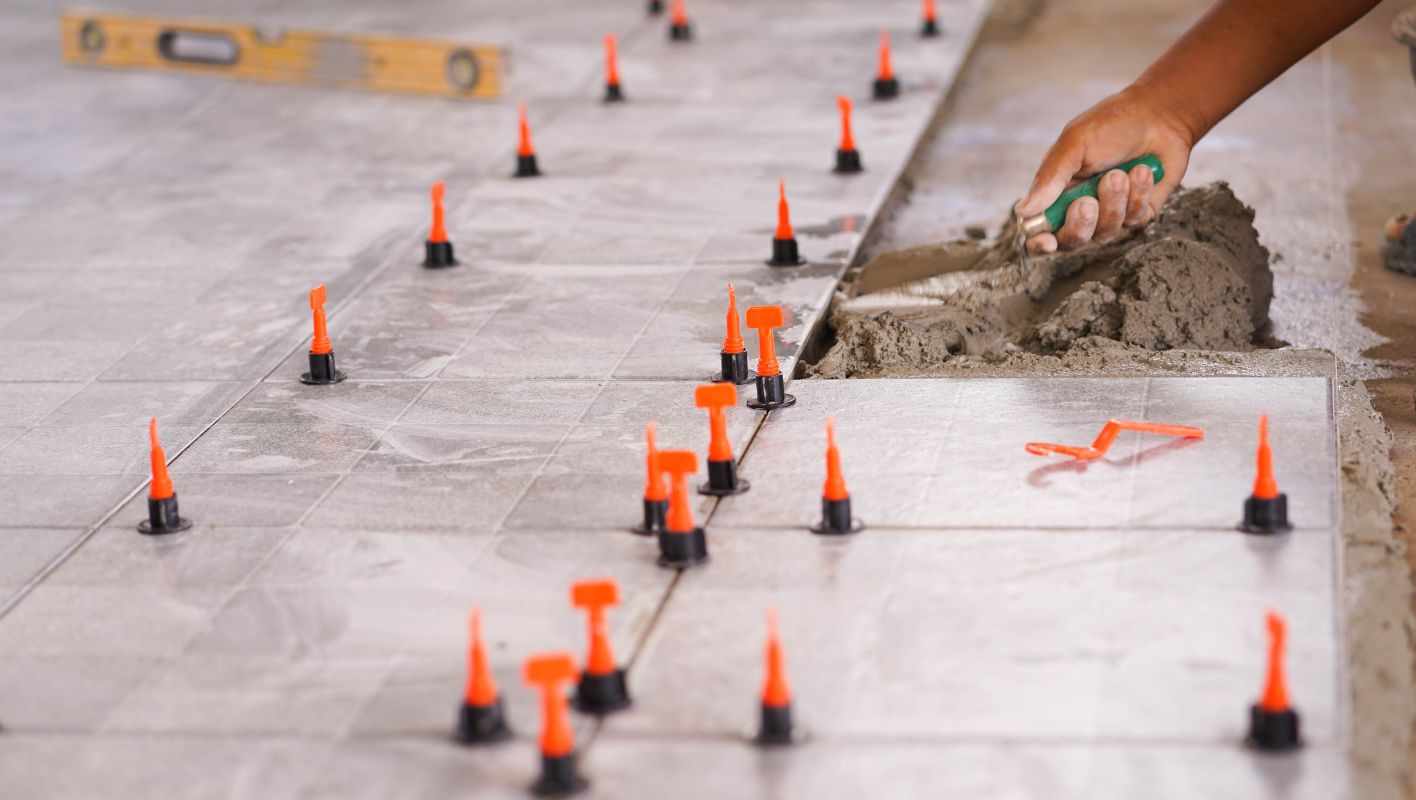
Have you ever started a tiling project only to find your tiles don’t align perfectly?
Using a tile leveling system can greatly enhance the outcome of your tiling project by ensuring a smooth, even finish and minimizing lippage between tiles. It’s a valuable tool whether you’re a seasoned pro or a DIY enthusiast aiming for professional results.
When I first tackled a tiling project, I underestimated how tricky it could be to get the tiles perfectly level. It wasn’t until a friend recommended a tile leveling system that I realized what a game-changer it could be. These systems not only help prevent lippage but also save time by making adjustments easier. If you’re diving into a tiling task, understanding these tools’ pros and cons can make all the difference. Here’s what I’ve learned from my own experiences and tips to help you make the most of your tiling projects.
Tile leveling systems eliminate all lippage issues.False
While they reduce lippage, perfect results depend on proper use and skill.
Tile leveling systems are suitable for DIY projects.True
They simplify the process, making it easier for non-professionals to achieve even tiles.
What Are the Key Benefits of Using a Tile Leveling System?
Have you ever found yourself battling with uneven tiles and frustrating alignments? Well, I have, and let me tell you, a tile leveling system can be a game-changer.
A tile leveling system ensures even spacing and reduces lippage during installation, creating a smooth, professional finish. It simplifies the process, saves time, and improves overall tile alignment, making it indispensable for both DIY enthusiasts and professionals alike.
Enhanced Precision and Alignment
I remember the first time I attempted a tiling project in my own home. I was so proud of my work until I noticed that dreaded lippage—the unevenness between tiles. It was not just unsightly but also a trip hazard! That’s when I discovered the magic of a tile leveling system. By securing each tile at an even height, these systems significantly reduce those pesky uneven edges, ensuring a safer and more aesthetically pleasing surface.
One of the primary benefits of using a tile leveling system is the precision1 it brings to any tiling project.
Time Efficiency
On another project, I was racing against time to finish the bathroom floor before a family gathering. Traditional methods had me constantly adjusting and rechecking each tile. With the tile leveling system, it was like having an extra pair of hands. The process was streamlined; adjustments were minimal, and I could focus on getting more done in less time.
| Traditional Method | Tile Leveling System |
|---|---|
| Requires constant checks for lippage | Automatic leveling with clips and wedges |
| Time-consuming manual adjustments | Quick adjustments with the system tools |
Improved Finish Quality
I’ve always believed that the final touches make or break any project. With a tile leveling system, achieving that flawless, uniform look is much easier. It ensures even spacing between tiles, enhancing the visual appeal and overall satisfaction of the finished project.
A tile leveling system contributes to a superior finish by ensuring uniform spacing between tiles.
Suitable for Various Tile Sizes
The versatility of these systems is another great feature. Whether I’m working with delicate mosaic tiles in the kitchen backsplash or large-format tiles in the living room, the results are consistently impressive.
These systems are versatile, accommodating various tile sizes and thicknesses.
Cost-Effectiveness in Long-Term Projects
Initially, I hesitated at the thought of spending more on tools, but I’ve learned that investing in a tile leveling system pays off in the long run. By minimizing errors and rework, I save on material costs and waste.
Though an initial investment is required, the long-term benefits in cost savings are notable.
For further insights on how these systems compare with traditional methods, you may want to explore tile installation techniques2. Such resources provide detailed comparisons and practical advice for both novice and seasoned tile installers.
Eco-Friendly Considerations
I’m always on the lookout for eco-friendly options that don’t compromise on performance. Some modern tile leveling systems incorporate sustainable materials, aligning with sustainability trends3. It’s nice to know I can contribute to reducing our ecological footprint without sacrificing quality.
Tile leveling systems eliminate all lippage issues.False
While they reduce lippage significantly, they may not completely eliminate it.
Tile leveling systems are suitable for all tile sizes.True
These systems accommodate various tile sizes and thicknesses effectively.
What are the potential drawbacks of using tile leveling systems?
Tile leveling systems promise a flawless finish, but are there hidden drawbacks lurking beneath the surface?
Tile leveling systems can lead to increased costs, require specific skill sets for effective use, and may pose environmental concerns due to plastic waste. Evaluating these aspects ensures informed decision-making.
Increased Costs and Budgeting Concerns
I remember the first time I considered using a tile leveling system for a home renovation project. As exciting as it was to imagine those perfectly aligned tiles, the cost was a bit of a reality check. The initial expense doesn’t just stop at buying the leveling kits; you might also need specialized tools or accessories to get the job done right.
For large-scale projects, these expenses can pile up quickly, which made me wonder if the seamless finish promised was worth stretching my budget. It’s like when you’re at a restaurant, and the appetizers look amazing, but you have to pause and think about the total bill at the end.
| Cost Factor | Impact |
|---|---|
| Leveling Kit | Additional purchase |
| Specialized Tools | Possible necessity |
| Extra Time | Labor cost increase |
Required Skills and Learning Curve
Then there’s the learning curve. Even though these systems are supposed to simplify tiling, they can feel like learning a new language if you’re not familiar. When I first tried using a tile leveling system, I underestimated how much practice it would take to avoid leaving tiles uneven or messing up the adhesive.
If you’re like me and enjoy DIY projects, be ready to spend some time getting the hang of it. And don’t shy away from seeking out training materials or guidance from your supplier; it could save you from a lot of frustration later on.
- Skill Development: Necessary for first-time users
- Training Materials: Seek suppliers offering guidance
Environmental and Sustainability Issues
Lastly, I can’t ignore sustainability concerns4. Most of these systems are made with plastic components, which can add to plastic waste once the project wraps up. This was particularly concerning for me since I’m trying to be more environmentally conscious in my choices.
If sustainability is important to you too, consider looking for options that use eco-friendly materials or offer reusable components. This way, not only do you contribute to reducing waste, but you also align with the growing trend towards greener practices in the industry.
"Opt for brands that provide reusable kits to minimize waste and contribute to sustainability efforts."
By considering these factors, you can make an informed choice about whether a tile leveling system aligns with your needs and values. It might also be worthwhile to consult with professionals who can offer personalized advice based on your specific project.
For further insights on tile installation methods5, explore additional resources to gain a comprehensive understanding of your options.
Tile leveling systems increase project costs significantly.True
Purchasing kits and tools raises expenses, impacting budget constraints.
Tile leveling systems are environmentally sustainable.False
Most systems use plastic, contributing to waste and sustainability issues.
How Do You Properly Use a Tile Leveling System for Best Results?
Ever felt the frustration of uneven tiles after a day’s hard work? Let me show you how mastering a tile leveling system can save your sanity and transform your project into a masterpiece.
To properly use a tile leveling system, begin by preparing your substrate carefully. Position the leveling clips under the tiles, insert wedges, and adjust until all tiles are perfectly aligned. Once the adhesive sets, remove the clips.
Understanding the Basics of a Tile Leveling System
Let me tell you, nothing feels quite as rewarding as stepping back to admire a perfectly aligned tile floor that you installed yourself. But achieving that perfection isn’t as easy as it looks—trust me, I’ve been there. The secret? A good tile leveling system, designed specifically to prevent the bane of tilers everywhere: lippage. Picture those annoying little steps between tiles that ruin the smoothness of your floor—this system eliminates them. It’s all about keeping everything flat and even while the adhesive dries.
First things first, make sure your surface is clean and level. I remember once rushing this step, thinking I could make up for it with extra adhesive—not a good idea. The right foundation is crucial. Next, you’ll need to select the correct clips and wedges for your tile thickness.
| Tile Thickness | Clip Type |
|---|---|
| < 10mm | Standard |
| 10-15mm | Medium |
| > 15mm | Heavy-duty |
Step-by-Step Guide to Using a Tile Leveling System
Here’s a little step-by-step guide that I wish someone had given me when I started out:
- Prepare Your Substrate: Ensure it’s clean and smooth. Think of it as laying the groundwork for your masterpiece.
- Place Clips: Position them under each corner of your tiles like tiny sentinels holding everything in place.
- Apply Adhesive: Spread evenly with a notched trowel—consistency is key here.
- Insert Tiles and Wedges: Lay your tiles, inserting wedges into clips to keep everything snug and secure.
- Adjust Tiles: Use a rubber mallet6 to tap and align tiles until they are level.
- Remove Clips: After the adhesive sets, remove clips by kicking them parallel to joints—there’s something oddly satisfying about this step!
Common Mistakes to Avoid
Let me save you some headaches: avoid using too much adhesive. More isn’t always better—it can make leveling difficult and lead to lippage. Also, be consistent with wedge pressure; otherwise, you’ll end up with an uneven surface, something I learned the hard way during one rushed project. Lastly, always use a properly calibrated trowel7 to prevent adhesive inconsistencies.
Benefits of Using a Tile Leveling System
Using a tile leveling system has saved me countless hours and helped me achieve that coveted professional finish. It’s especially handy for large-format tiles or when I’m working with friends who are new to tiling—makes everyone look like a pro! Not only does it simplify alignment, but it also reduces errors significantly.
In conclusion, understanding each component’s function and sticking to best practices will help you achieve optimal results with your tile leveling system. For more information on choosing the right tools, visit tile tool selection guide8.
Tile leveling systems prevent tile lippage.True
These systems use clips and wedges to keep tiles aligned during installation.
Using too much adhesive helps in tile leveling.False
Excessive adhesive complicates leveling, causing uneven surfaces and lippage.
Do You Really Need a Tile Leveling System for Every Project?
Have you ever started a tiling project, only to wonder if you’re missing a trick with tile leveling systems? Let me share my journey to a smoother finish.
While not essential for every tiling project, a tile leveling system can be a lifesaver, minimizing lippage and ensuring an even surface, particularly when dealing with large tiles or uneven surfaces.
Understanding Tile Leveling Systems
Imagine you’re about to lay down some tiles, excited about the transformation. That’s how I felt when I tackled my first bathroom remodel. A tile leveling system became my secret weapon. These systems are essentially your best friends for achieving that flat, even surface we all dream about. They consist of clips and wedges that hold the tiles in place while the adhesive sets. For larger tiles, like those I used in my kitchen, this can be transformative.
When to Use a Tile Leveling System
1. Large Tiles: I learned the hard way that big tiles can be quite tricky. They have a mind of their own when it comes to sitting flush against each other. That’s where a leveling system comes in handy, preventing those annoying protruding edges—lippage, they call it.
2. Uneven Substrates: If you’ve ever tried tiling over an uneven floor, you’ll know what I mean when I say it feels like wrestling an octopus. A leveling system helps smooth out those variations, making the final result look professionally done.
| Condition | Recommendation |
|---|---|
| Small tiles | Optional |
| Large-format tiles | Recommended |
| Uneven substrates | Strongly recommended |
| DIY enthusiasts | Highly beneficial |
Benefits Beyond Aesthetic Appeal
Using a tile leveling system isn’t just about looks—it also boosts durability. Uneven tiles are like ticking time bombs for chips and cracks, which can shorten the lifespan of your beautiful new floor or wall.
Considerations for DIY Enthusiasts and Professionals
As someone who loves a good DIY challenge, I’ve found that a leveling system can be the difference between a project that looks amateurish and one that could fool even the pros. For professionals racing against the clock, these tools are game-changers, allowing for quick installation with minimal tweaks.
But let’s be honest—not every project needs such systems. If you’re working with smaller tiles or perfectly level surfaces, you might not see much benefit. It’s all about assessing each project’s unique needs.
If you’re curious about diving deeper into tile installation techniques9, learning more about these systems can arm you with the insights needed for your next tiling triumph.
Tile leveling systems prevent lippage in large tiles.True
Leveling systems are designed to hold large tiles flat, preventing lippage.
Small tiles always require a tile leveling system.False
Small tiles often lay flat naturally, making leveling systems optional.
Conclusion
A tile leveling system enhances tiling projects by ensuring even alignment, reducing lippage, and improving finish quality, making it ideal for both DIY enthusiasts and professionals.
-
Explore how precision in tile alignment reduces installation errors and enhances finish quality. ↩
-
Learn about practical comparisons between traditional tiling methods and modern leveling systems. ↩
-
Discover sustainable options in tile leveling systems to align with eco-friendly practices. ↩
-
Discover the environmental implications of using tile leveling systems and explore sustainable alternatives. ↩
-
Explore various tile installation techniques to compare their advantages and drawbacks. ↩
-
A rubber mallet helps gently adjust tiles without damaging them, ensuring even placement. ↩
-
A calibrated trowel ensures consistent adhesive thickness, essential for effective tile leveling. ↩
-
Choosing appropriate tools ensures efficiency and precision in your tiling projects. ↩
-
Explore techniques to enhance your tile installation skills and achieve professional results. ↩






