
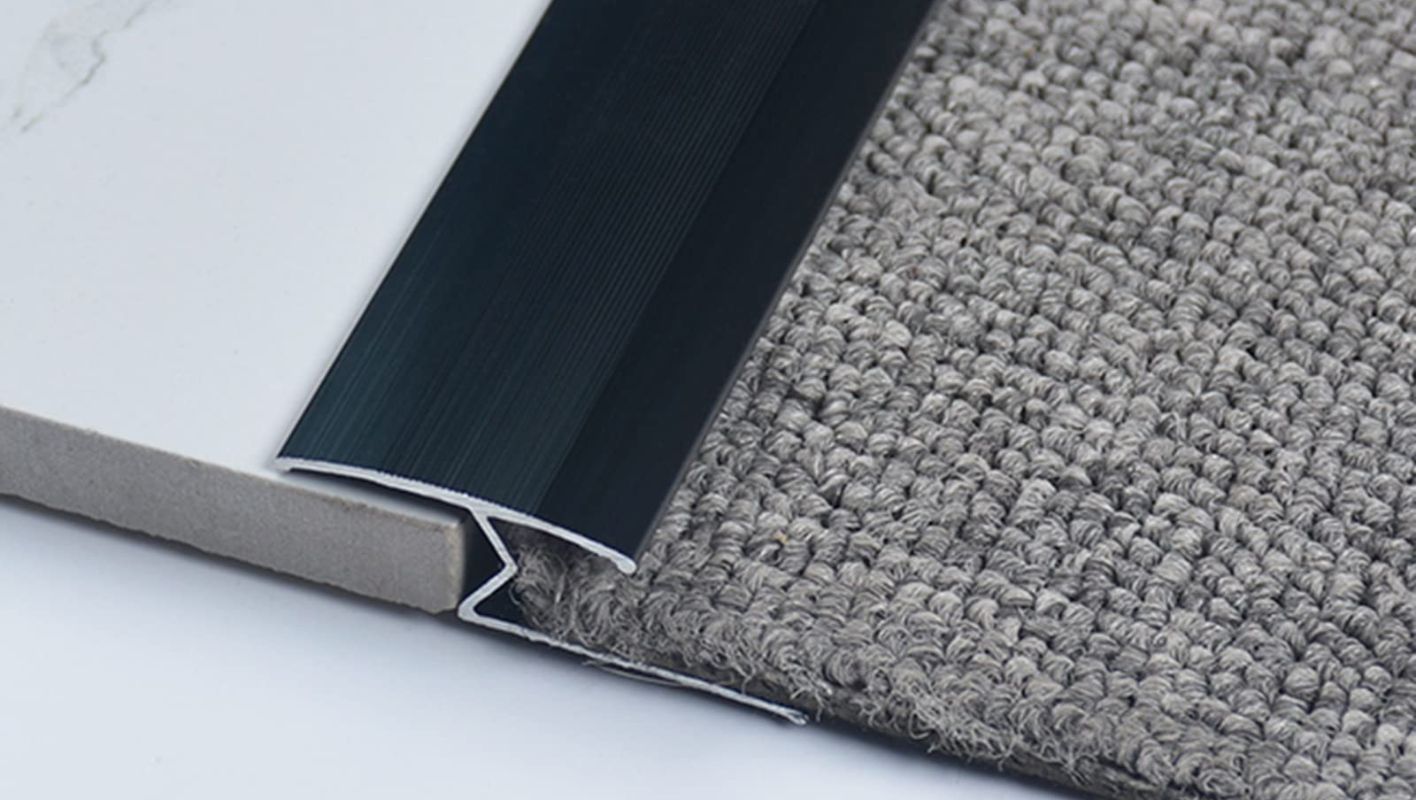
Ever tried blending carpet with tile flooring and wondered if you need a transition strip?
Yes, you usually need a transition strip between carpet and tile to ensure a smooth transition, prevent trips, and protect the flooring edges from damage.
I remember the first time I tackled a flooring project that involved both carpet and tile. It seemed straightforward at first, but I quickly realized that without a transition strip, the edges were prone to fraying, and I found myself constantly worried about tripping over the uneven surface.
Transition strips not only make the floor safer and more durable but also tie the whole room together aesthetically. They’re like the unsung heroes of home design, quietly working to keep everything in harmony. If you’re on the fence about using them, trust me—your feet and flooring will thank you.
Transition strips prevent tripping hazards between carpet and tile.True
Transition strips level the height difference, reducing tripping risks.
Using transition strips is purely for aesthetic purposes.False
They also protect flooring edges and ensure a smooth transition.
What Are the Benefits of Using Transition Strips?
Ever stepped from one room to another and stumbled? Transition strips are here to save the day!
Transition strips seamlessly connect different flooring types, protecting edges, reducing tripping hazards, and enhancing aesthetics. They bridge height differences, ensuring both safety and durability.
When I first began exploring the world of flooring, I had no idea just how important those little strips between rooms could be. But let me tell you, they make all the difference—both practically and aesthetically.
Enhanced Safety and Durability
Imagine stepping onto a floor that suddenly changes height—it’s like walking on an unexpected roller coaster! That’s where transition strips come in, creating a smooth passage from one flooring level to another. This not only prevents unfortunate trips and falls but also protects the edges of your floors from wear and tear, making them last longer.
Transition strips serve as crucial safety elements by reducing tripping hazards. They create a smooth bridge between different flooring heights, minimizing the risk of accidents1. Furthermore, they shield the edges of floors from damage, enhancing durability.
Aesthetic Appeal
Now, if you’re anything like me, the visual appeal of your home is just as important as its functionality. Transition strips do wonders for the look of a room by offering a polished finish where different floors meet. And with so many designs and materials to choose from, you can find the perfect match for your style.
These strips contribute significantly to the visual cohesion of a room. By providing a neat finish where different floor types meet, transition strips enhance the overall aesthetic appeal. They come in various designs and materials, allowing customization to match any decor.
| Type | Use Case | Material Options |
|---|---|---|
| T-molding | Same height floors | Wood, Metal |
| Reducer | Different height floors | Vinyl, Aluminum |
| End bar | Floor to wall | Wood, PVC |
Versatility in Application
These strips are incredibly versatile! They accommodate expansion gaps for hardwood floors—a lifesaver if you live in a place where the weather can change its mind in a heartbeat. Some are even designed to handle temperature and humidity changes, helping your floors stay in tip-top shape.
Transition strips are not limited to just height differences. They also accommodate expansion gaps for hardwood floors, essential in preventing buckling. Some strips are designed to handle temperature changes2 and humidity variations, ensuring floor longevity.
Cost-Effectiveness
Let’s talk money. At first glance, transition strips might seem like an extra expense. But in reality, they’re a wise investment. By shielding your floor edges, they cut down on repair and replacement costs over time—especially in areas with heavy foot traffic.
While initial costs might seem additional, transition strips save money in the long run by preventing damage to floor edges. This preemptive protection reduces repair and replacement costs, providing a cost-effective solution for maintaining high-traffic areas.
Understanding these benefits can truly transform your flooring projects. Whether you’re focusing on safety or want to give your space a fresh look, transition strips have got you covered. Take a closer look at how transition strips improve flooring3 by exploring the diverse applications and materials available.
Remember it’s all about choosing the right type of transition strip to suit your space’s needs—that way you ensure both functionality and harmony across your flooring projects.
Transition strips enhance room safety by reducing tripping hazards.True
They create a smooth bridge between different flooring heights.
Transition strips are only used for height differences in floors.False
They also accommodate expansion gaps and temperature changes.
How Do Transition Strips Enhance Safety?
Imagine walking through your home and never worrying about tripping where your carpet meets the tile. Transition strips make this possible!
Transition strips enhance safety by seamlessly connecting different flooring materials, reducing trip hazards, and accommodating height variations. They ensure stability and continuity, preventing accidents in both homes and workplaces.
Importance of Transition Strips in Flooring Safety
When I first tackled my own home renovation, I vividly remember the jarring transition between the plush carpet in my living room and the sleek tiles in the kitchen. It wasn’t just unsightly; it was a trip hazard waiting to happen. That’s when I discovered the magic of transition strips. They’re like the peacekeepers of flooring, bridging those awkward height differences4 that could lead to a nasty fall.
Transition strips aren’t just about leveling out floors; they’re about maintaining the integrity of your flooring over time. You see, as temperatures fluctuate, flooring materials expand and contract—without a transition strip, you risk warping or buckling5 that can create even more uneven surfaces.
| Flooring Types | Typical Transition | Benefits |
|---|---|---|
| Carpet to Tile | T-Molding | Smooth transition, trip prevention |
| Wood to Vinyl | Reducer Strip | Height adjustment, secure fit |
| Laminate to Hardwood | End Cap | Seamless finish, aesthetic appeal |
Types of Transition Strips and Their Applications
During my journey in flooring (which includes more DIY disasters than I care to admit), I’ve come across several types of transition strips that not only enhance safety but also add a touch of elegance to your home:
- T-Molding: This is perfect for rooms where the floors are at the same level. It fits snugly into a gap left between the two floors and creates a seamless look.
- Reducer Strips: When there’s a height difference between floors, these are your best friends. They provide a gentle slope from one floor to another, minimizing any trip hazards.
- End Caps: These are used where the flooring ends, such as against a sliding glass door. They provide a clean edge and prevent tripping.
Each type serves a specific purpose and can be tailored to match your flooring material and color6, ensuring both safety and visual continuity throughout your home.
Considerations for Choosing Transition Strips
When it came time for me to choose transition strips for my latest project, I learned a few crucial considerations:
- Material Compatibility: Make sure the strip material complements both types of flooring.
- Durability: Opt for materials that can withstand heavy foot traffic and environmental changes.
- Ease of Installation: If you’re a DIY enthusiast like me, you’ll want something simple enough to install without needing an engineering degree.
- Aesthetic Appeal: Choose colors and designs that enhance the overall look of your floors.
By understanding these factors, I found I could significantly improve the safety7 and longevity of my flooring installations. Picking the right type based on your specific needs can maximize both functionality and aesthetics, ensuring every step you take is on solid ground.
Transition strips prevent trips between different floor types.True
They bridge height differences, reducing trip hazards effectively.
Reducer strips are used for rooms of equal height.False
Reducer strips are designed for transitions with height differences.
What Are the Different Types of Transition Strips?
Choosing the right transition strip is like picking the perfect bridge between two worlds in your home.
Transition strips, such as T-molding, reducer strips, and stair nosing, are essential for creating smooth transitions between different flooring types and heights, ensuring both aesthetic appeal and safety.
I remember standing in my freshly painted living room, admiring my new hardwood floors. But as I glanced towards the hallway, I noticed something was missing—a seamless connection between the hardwood and the hallway’s laminate flooring. That’s when I discovered the magic of transition strips. These unsung heroes not only solved my flooring dilemma but also taught me how a simple strip can enhance a room’s aesthetic appeal and safety.
T-Molding
T-molding became my go-to when dealing with areas like the kitchen and dining room, where the floors were on equal levels. I loved how its tongue-and-groove design slid effortlessly into a track mounted to the subfloor, making it perfect for transitions between two hard surfaces like hardwood8 and laminate.
Reducer Strips
In my son’s playroom, where the vinyl met the thicker hardwood from our living room, reducer strips were a lifesaver. Not only did they address the height differences, but they also ensured a safe transition9, giving me peace of mind as he ran around.
Stair Nosing
Stairs were another challenge until I discovered stair nosing. It provided an extended edge that protected the stair tread, enhancing both safety and appearance. The variety of styles available meant I could choose one that fit perfectly with our home’s material aesthetic.
End Caps
End caps turned out to be the finishing touch I needed where flooring ended, like against walls or door thresholds. They neatly concluded10 the floor’s edge, preventing wear and tear—a real game-changer!
Table: Transition Strip Types and Uses
| Type | Ideal Use Case | Flooring Types |
|---|---|---|
| T-Molding | Same height floor transitions | Hardwood, laminate |
| Reducer Strips | Different height floor transitions | Hardwood, vinyl |
| Stair Nosing | Stairs | Various materials |
| End Caps | Floor edge finishing | Any flooring type |
Multi-Purpose Strips
When tackling DIY projects, I often found myself reaching for multi-purpose strips. Their adaptability to various heights or angles made them indispensable, especially when unexpected conditions arose.
Understanding these types of transition strips can help you select one that not only complements your flooring but also ensures durability and safety in your space.
T-molding is used for floors of different heights.False
T-molding is for transitions between floors of equal height.
Reducer strips prevent tripping hazards between floors.True
They address height differences, ensuring safe transitions.
How to Choose the Right Transition Strip for Your Home?
Ever feel like your floors are speaking different languages? Let me help you decode the secret to seamless flooring with the perfect transition strip.
Choosing the right transition strip is all about finding the harmony between different types of flooring. Focus on material compatibility, strip width, and installation ease to make your floors flow smoothly.
Understanding Transition Strips
I remember when I first stepped into a home improvement store, overwhelmed by the endless aisles of flooring options. It was then I learned about transition strips—the unsung heroes that keep your floors looking flawless and tripping-free. Understanding different types11 can be a game-changer.
Types of Transition Strips
Imagine walking from a cozy carpeted living room into a sleek, tiled kitchen without missing a beat. That’s where transition strips come in:
- Reducer Strips: Perfect for when your floors can’t agree on height, like hardwood meeting tile.
- T-Molding: Great for connecting two floors that see eye-to-eye in height, ideal for open-plan spaces.
- End Molding: The go-to choice for when your flooring meets a wall or a fireplace.
| Type | Best Use Case | Material Options |
|---|---|---|
| Reducer | Uneven floor heights | Wood, Metal, Vinyl |
| T-Molding | Same height floors | Wood, Laminate |
| End Molding | Against vertical surfaces | Wood, Rubber |
Factors to Consider
- Material Compatibility: It’s like pairing wine with cheese—wood strips complement hardwood floors beautifully, while metal strips can add a modern touch.
- Width and Profile: A wider strip might offer more stability but could also clash with your design vision. Measure twice, install once!
- Ease of Installation: Some strips are as simple as click-and-go, while others may need a bit more DIY elbow grease.
Aesthetic Preferences
Your home is your canvas. Whether you want your transition strip to blend in or stand out, consider how choosing colors12 can elevate your overall look.
Eco-Friendly Options
In my quest to make my home as green as possible, I discovered manufacturers offering eco-friendly transition strips made from recycled materials. Not only do they support sustainable practices, but they also appeal to the eco-conscious part of me. Exploring these options13 could be your next step toward an environmentally friendly home.
Reducer strips are used for same-height floors.False
Reducer strips transition between different floor heights, not same-height.
T-Molding is best for floors of the same height.True
T-Molding connects two floors of the same height, commonly between rooms.
Conclusion
Transition strips are essential for smooth transitions between carpet and tile, enhancing safety by preventing trips, protecting flooring edges, and improving the overall aesthetic of your space.
-
Explore how transition strips minimize tripping risks by bridging height differences between floors. ↩
-
Learn about the importance of expansion gaps in preventing hardwood floor buckling due to temperature changes. ↩
-
Discover various applications of transition strips in enhancing safety and aesthetics in flooring projects. ↩
-
Learn how transition strips eliminate trip hazards by bridging height differences between floors. ↩
-
Explore solutions to prevent flooring issues caused by temperature changes with suitable transition strips. ↩
-
Discover how matching transition strips with floor colors enhances home aesthetics. ↩
-
Find tips on choosing transition strips to enhance floor safety effectively. ↩
-
Learn about T-molding’s compatibility with hardwood, ensuring seamless transitions between equal-height floors. ↩
-
Discover how reducer strips minimize tripping hazards by leveling height differences between various flooring types. ↩
-
Explore how end caps provide a polished finish and protection against edge wear in flooring projects. ↩
-
Understand the various types of transition strips available to choose the one that best fits your flooring needs. ↩
-
Learn how to select a transition strip color that harmonizes with your existing flooring to enhance your home’s aesthetic. ↩
-
Discover sustainable transition strip options that contribute to environmental conservation while meeting your design needs. ↩






