
Ever started a bathroom renovation only to worry about mold creeping in?
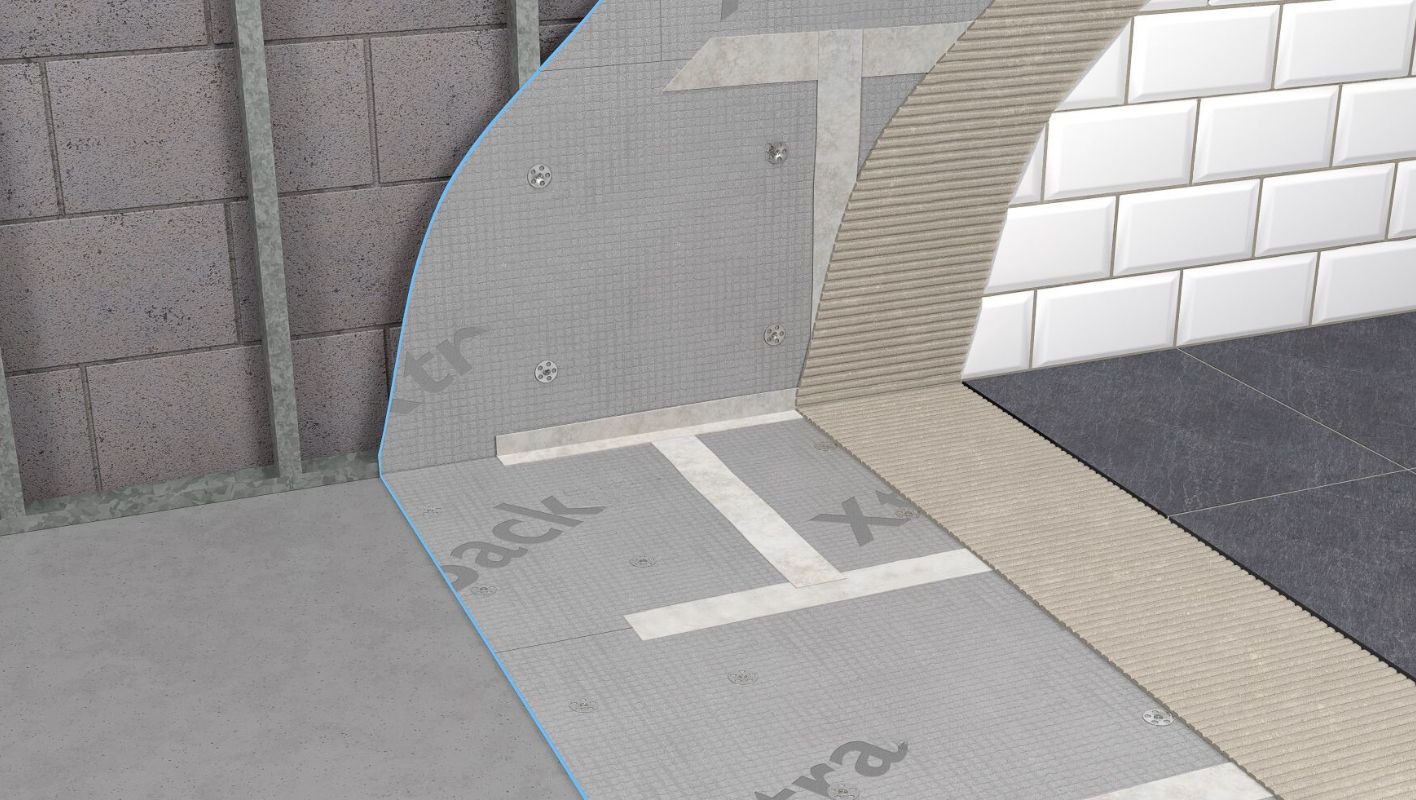
Tile backer boards are your best friend in ensuring a stable and moisture-resistant base for your tiles, keeping issues like cracking and mold at bay. They act as a waterproof shield, prolonging the life of your tiles, especially in wet areas like bathrooms and kitchens.
When I first tackled a tiling project in my own bathroom, I quickly learned how crucial the right materials were. I remember the frustration of tiles popping off because of moisture getting through. With tile backer boards, those worries disappear. They’re not just about keeping your tiles in place but ensuring peace of mind for years to come. Let’s explore the types of backer boards available and find out which one suits your specific project needs best.
Tile backer boards prevent mold growth.True
Tile backer boards provide a moisture-resistant surface, reducing mold risk.
Tile backer boards are unnecessary in dry areas.False
They offer stability and prevent cracking, even in dry areas.
What Are the Different Types of Tile Backer Boards?
Have you ever been stuck deciding between different types of tile backer boards?
Tile backer boards come in three main types: cement, foam, and gypsum. Each has unique benefits tailored to specific needs, like moisture resistance in bathrooms. Choosing the right one is crucial for a successful tiling project.
I remember the first time I tackled a tiling project in my own bathroom. I felt overwhelmed by the choices, especially when it came to selecting the right tile backer board. The salesperson at the store threw around terms like "cement board" and "gypsum board," and I was lost. But after diving deeper into each type, I found that understanding their unique characteristics made all the difference.
Cement Board
Cement boards are like the sturdy friend you can always rely on. They’re composed of cement and fibers, making them incredibly durable and resistant to moisture. This makes them perfect for areas that see a lot of water, like showers and tubs. However, they do have a downside: they’re heavy and can be a bit of a workout to install.
Foam Board
Then there’s the foam board, the lightweight champion of tile backer boards. Made from extruded polystyrene, these boards are not only easy to handle but also provide excellent insulation and water resistance. I found them particularly handy in moisture-sensitive environments1 like my kitchen backsplash. Plus, cutting them to fit awkward spaces was a breeze—perfect for any DIY enthusiast.
Gypsum Board
Finally, we have gypsum boards, which are kind of like the budget-friendly sibling. They consist of a gypsum core with fiberglass facing, making them cost-effective and great for dry areas. While not as robust as cement or foam options, they offer a smooth surface that’s easy to tile over. Just a heads-up: these are best kept away from wet environments2 as they can deteriorate with moisture exposure.
Comparison Table
| Type | Moisture Resistance | Ease of Installation | Ideal Use Cases |
|---|---|---|---|
| Cement Board | High | Moderate | Showers, Tubs |
| Foam Board | High | Easy | Kitchens, Bathrooms |
| Gypsum Board | Low | Easy | Dry Areas |
Choosing the Right Type
When choosing the right tile backer board, think about what your project specifically needs. Consider moisture levels, how easy it is to install, and cost. For example, cement boards3 are fantastic for areas with lots of water exposure, while gypsum boards are great for rooms where moisture isn’t a concern.
As I learned from my own trial and error, picking the right backer board can really affect how long and how well your tiled surfaces hold up. Take some time to explore each type’s pros and cons to make sure you’re making the best choice for your project.
Cement boards are ideal for dry areas.False
Cement boards are best for wet areas due to high moisture resistance.
Foam boards provide excellent insulation.True
Foam boards, made of polystyrene, offer great insulation properties.
How Do Tile Backer Boards Protect Against Moisture?
I still remember the first time I saw water damage in my bathroom tiles, and it wasn’t pretty. Tile backer boards became my go-to solution for keeping moisture at bay.
Tile backer boards protect against moisture by forming a waterproof barrier between tiles and substrates, effectively minimizing mold risk and structural damage.
Understanding Tile Backer Boards
When I first started exploring tile installations, I was amazed to discover the crucial role that tile backer boards play. Imagine them as silent guardians beneath your beautiful tiles, standing firm against relentless moisture. These panels—crafted from durable materials like cement, foam, or fiber cement—are specifically designed not to absorb water, unlike regular drywall. This makes them indispensable in wet areas like bathrooms and kitchens.
How They Work
The engineering behind these boards is quite fascinating. Cement-based boards combine sand and fiberglass mesh, forming a robust and water-resistant surface. I once used foam boards for a DIY project, and their lightweight nature made the job surprisingly easy—just cut and fit! Despite their featherweight, they offer impressive protection against moisture.
| Type | Material | Features |
|---|---|---|
| Cement Board | Cement, Fiberglass | Durable, Water-Resistant |
| Foam Board | Polystyrene | Lightweight, Easy to Install |
| Fiber Cement | Cement, Cellulose | High Strength, Mold-Resistant |
Benefits in Wet Areas
I’ve learned through trial and error that tile backer boards are lifesavers in places prone to water exposure. In areas like bathrooms or basements, they stand as a vigilant barrier against water seepage. By using these boards, I’ve managed to significantly cut down on mold growth4 and prevent any costly structural damage.
Installation Techniques
The secret to unlocking their full potential lies in proper installation. I always make sure to apply a waterproofing membrane over seams and screw heads—it’s like adding another layer of armor. And trust me, using polyurethane sealants5 around edges and corners is a game-changer for keeping water where it belongs.
Comparing with Other Barriers
Though backer boards are effective on their own, I’ve found that pairing them with vapor barriers can offer enhanced protection. Especially in humid climates or sensitive projects, this combination creates an almost impenetrable shield against moisture intrusion. It’s about giving yourself peace of mind and ensuring your projects stand the test of time.
Cement board is more water-resistant than foam board.True
Cement boards have a dense composition with fiberglass mesh, enhancing water resistance.
Tile backer boards absorb water like traditional drywall.False
Tile backer boards are designed to resist water, unlike traditional drywall.
Which Tile Backer Board Is Best for Your Project?
I remember standing in the aisle, staring at a wall of tile backer boards, feeling a bit overwhelmed. Which one would protect my bathroom masterpiece from moisture and time?
Choosing the best tile backer board depends on your project’s needs, like moisture resistance for bathrooms or ease of installation for kitchens. Compare options like cement and fiber cement boards to make an informed choice.
Understanding Different Types of Tile Backer Boards
I vividly recall the first time I tackled a tiling project. It was my bathroom, and I wanted it to be a sanctuary where every detail was perfect. That’s when I learned the importance of selecting the right tile backer board. You’ve got options like cement board6 and fiber cement board7, each with unique perks.
Cement Board
When my friend Mark was redoing his kitchen, he swore by cement board for its moisture resistance8. Made from cement and fiberglass mesh, it’s perfect for wet areas but can be a beast to maneuver. I remember him sweating it out, but the end result was rock solid.
| Pros | Cons |
|---|---|
| Highly durable | Heavy and cumbersome |
| Moisture resistant | Requires specific tools |
Fiber Cement Board
If you’re like me and prefer something a bit easier on the arms, fiber cement board is a great choice. It’s lighter and combines cement with cellulose fibers, making it flexible for cutting and fitting. It may not be as tough as traditional cement boards, but it’s definitely more manageable when you’re balancing other tasks.
| Pros | Cons |
|---|---|
| Lighter than cement board | Less durable |
| Easier to cut and install | May require sealing |
Factors to Consider
Think about what your project really needs. For my shower installation, waterproofing was non-negotiable, so I went with a sturdy cement board. But when I helped my sister with her kitchen backsplash, we opted for fiber cement because it was easier to cut and fit into her quirky kitchen layout.
Reflect on the environment where you’ll install it, your budget constraints, and how comfortable you feel with the installation process before deciding.
| Application | Recommended Board |
|---|---|
| Shower Walls | Cement Board |
| Kitchen Backsplash | Fiber Cement Board |
Comparing Costs and Installation Techniques
You can’t ignore the budget. Cement boards are pricier due to their durability, which was worth it for me in my bathroom where moisture resistance was key. But if you don’t need that level of protection, fiber cement might save you some bucks.
Understanding installation techniques9 can really make a difference too. Cement boards demand specific tools and skills—something I had to learn on the fly. Fiber cement, on the other hand, can often be tackled with tools you already have at home.
Cement board is heavier than fiber cement board.True
Cement board's composition makes it heavier, complicating installation.
Fiber cement board is not suitable for wet areas.False
Fiber cement board offers good moisture resistance, suitable for wet areas.
Can You Install Tile Without a Backer Board?
Have you ever wondered if skipping the backer board on a tiling project could save you time and money? It’s a tempting thought!
Yes, you can install tile without a backer board, but it’s generally not advisable, especially in areas with high moisture. A backer board provides essential stability, shields against moisture damage, and extends the lifespan of your tiles.
Understanding Backer Boards
I remember the first time I tackled a bathroom renovation. The idea of skipping the backer board seemed like a shortcut that would save both time and cash. But after some deep diving into the dos and don’ts, I learned just how crucial that layer really is. The backer board offers a solid foundation for your tiles, particularly in those moisture-prone spots like bathrooms or kitchens. It keeps pesky problems like mold and mildew10 at bay, something I definitely didn’t want to deal with later on.
When Skipping the Backer Board Works
Of course, there are times when you might get away with it—like when you’re working over concrete floors. I’ve done a project where the existing concrete was sturdy enough to handle the tile directly with the right mortar. But trust me, trying this over wood or drywall? That’s like inviting trouble to your doorstep, especially because those materials can warp and cause water damage.
| Scenario | Recommendation |
|---|---|
| Concrete Floors | Tile directly with proper mortar |
| Drywall or Plywood | Use backer board for moisture areas |
| High-moisture areas | Always use a backer board |
Risks of Skipping the Backer Board
Cutting corners by ditching the backer board can seem appealing, but it often backfires. Tiles could crack or loosen without that secure base. In damp areas, water might seep in, wreaking havoc and leading to expensive repairs. I’ve learned that some shortcuts are just not worth the risk.
Alternative Methods
For those who love innovation as much as I do, there are alternative options like cement boards or even new waterproof membranes11. They offer similar moisture protection without the bulk. These choices ensure that tiles stick around for the long haul while protecting against water damage.
Practical Considerations
Before you decide to skip the backer board, it’s crucial to assess the specific needs of your project. Think about how much traffic the area will get and its exposure to water. In places like bathrooms or kitchens, using a backer board or an equivalent is still your best bet. Every project is unique, so doing your homework or consulting with a professional is key.
Whenever I’m gearing up for a DIY tiling adventure12, I make sure to dig into all the best practices. This ensures that my investment in both materials and effort is safeguarded over time. Why leave anything to chance when it comes to something that’s going to be a part of your home for years to come?
Backer boards prevent moisture-related issues.True
Backer boards provide a stable surface, preventing mold and mildew.
Tiles can be installed directly on drywall without risk.False
Drywall is susceptible to water damage, risking tile stability.
Conclusion
Tile backer boards provide essential moisture resistance and stability for tiles, preventing mold and damage in wet areas. Choosing the right type is crucial for successful installations.
-
Discover why foam boards are advantageous in moisture-sensitive areas like bathrooms due to their lightweight nature and water resistance. ↩
-
Learn why gypsum boards are not suitable for wet environments and the potential risks of using them in such settings. ↩
-
Understand the benefits of using cement boards in showers, focusing on durability and moisture resistance. ↩
-
Learn how using tile backer boards can inhibit mold growth in moist environments. ↩
-
Find top recommendations for sealants to enhance the waterproofing of your tile installations. ↩
-
Discover why cement board is a popular choice for wet areas like bathrooms. ↩
-
Explore the differences between fiber cement board and traditional cement board. ↩
-
Learn about the importance of moisture resistance in preventing tile damage. ↩
-
Understand the necessary tools for installing cement boards efficiently. ↩
-
Exploring moisture-related issues can provide insights into why backer boards are essential in tiling projects. ↩
-
Discover new waterproof membrane solutions that could replace traditional backer boards for tiling. ↩
-
Learn best practices for DIY tiling to ensure durable and long-lasting results. ↩






