
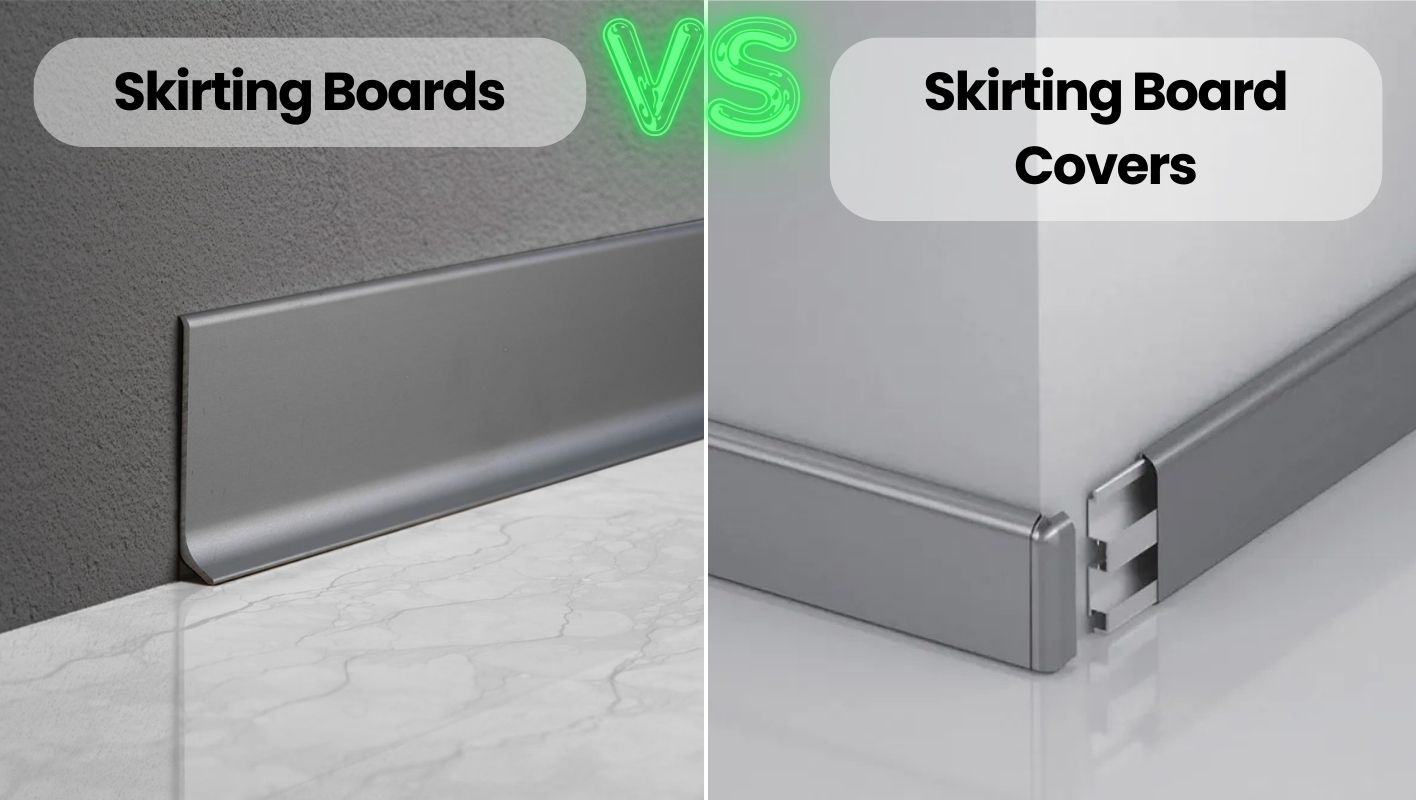
Deciding between skirting boards and covers is a pivotal choice in home renovation.
Skirting boards act as classic elements that bridge the gap between walls and floors, offering both protection and style. Meanwhile, skirting board covers provide a smart solution to refresh outdated boards without the hassle of removal.
When I was first introduced to the world of interior design, choosing between skirting boards and covers felt like picking the perfect outfit for an important day. Both options have their charm and utility, but understanding what sets them apart is crucial. Skirting boards, like a trusted old friend, are fundamental—providing that clean transition from wall to floor. On the other hand, covers are like a fresh coat of paint on an old favorite, rejuvenating without upheaval. By exploring their unique features and potential drawbacks, you can confidently select the one that best suits your project’s needs.
Skirting board covers allow for quick updates.True
Covers fit over existing skirting, providing a fast renovation solution.
Skirting boards are easier to install than covers.False
Skirting board covers are easier to install since they fit over existing boards.
How do skirting boards enhance interior aesthetics?
Have you ever noticed how skirting boards can subtly elevate a room’s charm and elegance?
Skirting boards enhance interior aesthetics by providing a polished finish to walls, covering gaps, and safeguarding walls from damage. They blend with design themes to create a harmonious look.
The Role of Skirting Boards in Interior Design
I remember the first time I truly appreciated the impact of skirting boards. It was during a house renovation project when I realized these often-overlooked elements were the unsung heroes of the room. Skirting boards, also known as baseboards, seamlessly conceal the joint between walls and floors, giving spaces a finished, polished look. But beyond just functionality, they add a touch of elegance and character to any space, subtly transforming its overall vibe.
Creating Visual Harmony
Choosing the right skirting boards can be akin to picking the perfect accessory for an outfit; it brings everything together. For instance, I once worked on a Victorian-style home where ornate skirting boards beautifully echoed the room’s decorative elements. Alternatively, in a minimalist modern apartment, simple and sleek boards provided a seamless finish that was just right.
| Style | Skirting Board Design |
|---|---|
| Victorian | Ornate, detailed designs |
| Minimalist | Simple, sleek finishes |
Protection and Aesthetic Enhancement
I can’t count how many times skirting boards have saved my walls from scuffs and scratches. Beyond their aesthetic contribution, they protect against furniture nicks and foot traffic damage, ensuring that painted or wallpapered walls remain pristine.
Choosing the Right Material
When it comes to materials, my go-to has always been wood for its timeless warmth and elegance1. However, for those prioritizing budget without sacrificing style, MDF (Medium-Density Fibreboard) offers impressive durability and cost-effectiveness.
Customization for Personal Style
One of the joys of working with skirting boards is their customization potential. From height and profile to color and finish, they can be tailored to match or contrast with interiors significantly boosting aesthetic appeal2. It’s all about infusing personal style into your space.
Sustainability Considerations
In today’s world, sustainability is on everyone’s mind, including mine. Selecting eco-friendly materials like bamboo or reclaimed wood allows us to maintain style while being environmentally conscious.
The Impact of Color and Finish
The subtleties of color and finish can completely transform a room’s perception. Lighter shades make spaces feel airy and expansive while darker tones add depth and sophistication. A glossy finish? Perfect for enhancing light flow within a room. Each choice can make a significant impact.
Skirting boards protect walls from furniture damage.True
Skirting boards prevent furniture from directly hitting and damaging walls.
All skirting boards are made of wood.False
Skirting boards can be made from MDF, bamboo, or reclaimed wood.
What Are the Installation Processes for Each Option?
Ever been knee-deep in installation steps and wondered if there was a magic wand to make it all easier? I’ve been there too, with each method offering its own twist.
Installation methods range from attended, requiring user input, to unattended and silent, which streamline the process. Each has distinct steps tailored to user preferences and system needs.
I remember the first time I faced an installation screen, staring at the choices like I was deciphering ancient runes. Each option seemed to have its own language! Over time, I realized that understanding these processes wasn’t just about technical know-how; it was about making life simpler.
Attended Installation
An attended installation3 is like having a conversation with your computer. You’re in control, setting the parameters and making choices every step of the way. It’s perfect if you want everything tailored just so. Imagine you’re customizing a new room – you’d want to pick the colors and furniture yourself, right? That’s what attended installations feel like.
Steps for Attended Installation:
| Step | Description |
|---|---|
| 1 | Begin setup from the installer media (e.g., USB). |
| 2 | Follow on-screen prompts to select preferences. |
| 3 | Customize installation settings as needed. |
Unattended Installation
Then there’s the unattended installation4. It’s like ordering a set menu at your favorite restaurant – you know exactly what you’re getting without having to say a word. This method is a godsend when you’re deploying software across multiple systems and need consistency. I’ve seen IT teams dance with joy because they could get through hundreds of setups without breaking a sweat.
Key Elements of Unattended Installation:
- Pre-configured settings file: The installer uses this file to apply necessary configurations automatically.
- Network-based deployment: Often used for large-scale installations.
Silent Installation
A silent installation5 is the stealthy ninja of installs. It happens quietly in the background, so you can continue your work without interruptions. This is especially handy for updates or patches that sneak in like a friendly ghost – there when needed but never in your face.
Benefits of Silent Installation:
- No disruption: Ideal for keeping systems up-to-date without interrupting users.
- Automation-friendly: Easily integrated into automated scripts.
Custom Installations
Finally, we have custom installations. They’re like building a bespoke wardrobe where you choose each piece based on your style. This option gives you the freedom to pick only what you need, sparing resources and avoiding unnecessary clutter. It’s a bit more work upfront but oh-so-worth-it for that personalized touch.
These methods might seem overwhelming at first, but with a little patience and practice, you’ll find the perfect fit for your needs. As you dive into these processes, remember, every click brings you closer to mastery and simplicity. Explore our detailed guides and insights on customization6 to become an installation wizard yourself.
Attended installations require user interaction.True
Attended installations involve users actively participating in setup.
Silent installations need user input during the process.False
Silent installations run without user interaction, often in the background.
Are Skirting Boards More Durable Than Skirting Covers?
When it comes to choosing between skirting boards and skirting covers, durability is a key factor that often drives the decision. Let’s explore their differences to make an informed choice for your home.
Skirting boards generally stand out for their durability due to their sturdy material composition, while skirting covers, although less robust, offer the advantage of easy installation and replacement.
Material Composition
When I think back to the time I remodeled my living room, I remember the countless hours spent pondering over materials. I finally chose solid wood skirting boards because of their classic look and incredible strength. Made from solid wood, MDF (Medium Density Fiberboard), or PVC, skirting boards offer varying degrees of durability7. Solid wood is like a trusty old friend—strong and resilient, though it does ask for a bit more attention to keep moisture at bay.
On another project, MDF boards caught my attention. They’re cost-effective and seem almost impervious to the usual wear and tear. Their resistance to warping and cracking makes them ideal for places like my kitchen, where humidity can be a real test.
Then there’s PVC—practically indestructible and low-maintenance, perfect for the high-traffic hallway where muddy shoes and bustling kids put everything to the test.
| Material | Durability | Maintenance | Cost |
|---|---|---|---|
| Solid Wood | High | Moderate | High |
| MDF | Moderate | Low | Moderate |
| PVC | High | Low | Low |
Installation and Replacement
Skirting covers are like the quick fix I once used in my guest bedroom makeover. Crafted from lighter materials such as plastic or thin wood veneers, they slip right over existing boards. It’s like a facelift for your room without the hassle of tearing things down.
Yet, I noticed they don’t quite measure up to traditional boards in terms of toughness—they can dent or scratch more easily. But if you’re someone who loves to refresh your space often, their ease of replacement is a definite win.
Long-term Maintenance Implications
I’ve learned that keeping both skirting boards and covers looking fresh involves regular cleaning and sometimes a new coat of paint or finish. When life gets busy, materials like PVC or pre-finished MDF have been lifesavers, cutting down on upkeep significantly.
Considering your environment is crucial—whether it’s the dampness of a basement or the constant foot traffic in a hallway. Weighing factors like durability8, aesthetics, and cost will guide you to the right choice that matches your lifestyle and design vision.
PVC skirting boards require high maintenance.False
PVC boards are low maintenance, ideal for high-traffic areas.
Skirting covers are easier to replace than boards.True
Covers install over existing boards, simplifying replacement.
How Do I Choose the Most Cost-Efficient Skirting Board?
Have you ever stood in a hardware store, staring at rows of skirting boards, wondering which will stretch your budget the furthest?
To determine cost efficiency, I consider initial costs, long-term savings, and overall value. For skirting boards, this means weighing material costs, ease of installation, durability, and supplier reliability. These factors together lead to the most cost-effective choice.
Evaluating Material Costs
When I first started on my journey in interior design, choosing materials felt overwhelming. Imagine being surrounded by options like MDF, wood, and PVC—all promising to transform a space. MDF stood out for its affordability, wood for its timeless beauty, and PVC for its incredible durability. Over time, I learned to match these materials with both the aesthetic goals and the budgetary constraints of a project. Evaluate material suitability9 based on these factors.
Installation Ease and Its Impact
I remember a project where complex installation almost derailed our timeline. From that experience, I became a fan of options that are easy to install, like clip-on systems or pre-finished skirting boards. They save not only money but also precious time.
| Material | Installation Ease | Cost Implication |
|---|---|---|
| MDF | Moderate | Low |
| Wood | Difficult | High |
| PVC | Easy | Moderate |
Long-term Durability and Maintenance
Choosing durable materials means less frequent replacements—a lesson I learned the hard way when a beautiful wooden skirting board needed costly maintenance. PVC, however, turned out to be low-maintenance, saving my projects time and resources in the long run.
Supplier Reliability and Cost Efficiency
A reliable supplier is like a trustworthy friend. In my experience, those who offer warranties or after-sales support bring peace of mind. I’ve made it a habit to check supplier reviews10 to ensure reliability.
Sustainability as a Cost Factor
Sustainability resonates deeply with me—not just for ethical reasons but because eco-friendly choices often lead to financial benefits too. Tax incentives and increased property values are possible perks of choosing sustainable materials. I’ve found that exploring sustainable skirting options11 aligns with my commitment to both design excellence and environmental responsibility.
By carefully considering these factors, I’ve consistently chosen skirting boards that meet both my budgetary constraints and design aspirations.
MDF skirting boards are the most affordable option.True
MDF is known for its affordability compared to wood and PVC.
PVC skirting requires frequent maintenance.False
PVC is low-maintenance, unlike wood which needs periodic treatment.
Conclusion
Skirting boards provide durability and aesthetic appeal, while skirting board covers offer easy updates. Choosing between them depends on style, installation ease, and long-term maintenance considerations.
-
Discover how wooden skirting boards bring warmth and elegance to your interiors, enhancing both aesthetic and functional aspects. ↩
-
Learn how customization options for skirting boards can meet your design needs, adding personalized style to your interiors. ↩
-
Discover how attended installations work and why they might be suitable for users needing customization at each step. ↩
-
Explore unattended installations to understand their efficiency in mass software deployments with minimal user intervention. ↩
-
Learn about silent installations and their advantages in automated environments. ↩
-
Understand how custom installations optimize resource use by allowing selective component installation. ↩
-
Learn more about various materials used in skirting boards to determine which ones offer the most durability. ↩
-
Learn more about various materials used in skirting boards to determine which ones offer the most durability. ↩
-
Explore the characteristics of different skirting board materials to find the most cost-efficient option for your specific needs. ↩
-
Learn how to assess supplier reliability to ensure consistent quality and timely deliveries. ↩
-
Discover sustainable skirting board options that align with eco-friendly practices while ensuring cost efficiency. ↩






